I was talking to a brand owner from Austin last year. She had a great idea for a sustainable activewear line. She had the designs, the logo, the marketing plan. But she was stuck. She thought sustainable manufacturing would take forever. She thought she would have to hunt for special fabrics for months. She was paralyzed by the process. I told her, "Stop waiting. The materials are ready. The factories are ready. You just need a partner who knows where to look." Six months later, her line launched and sold out.
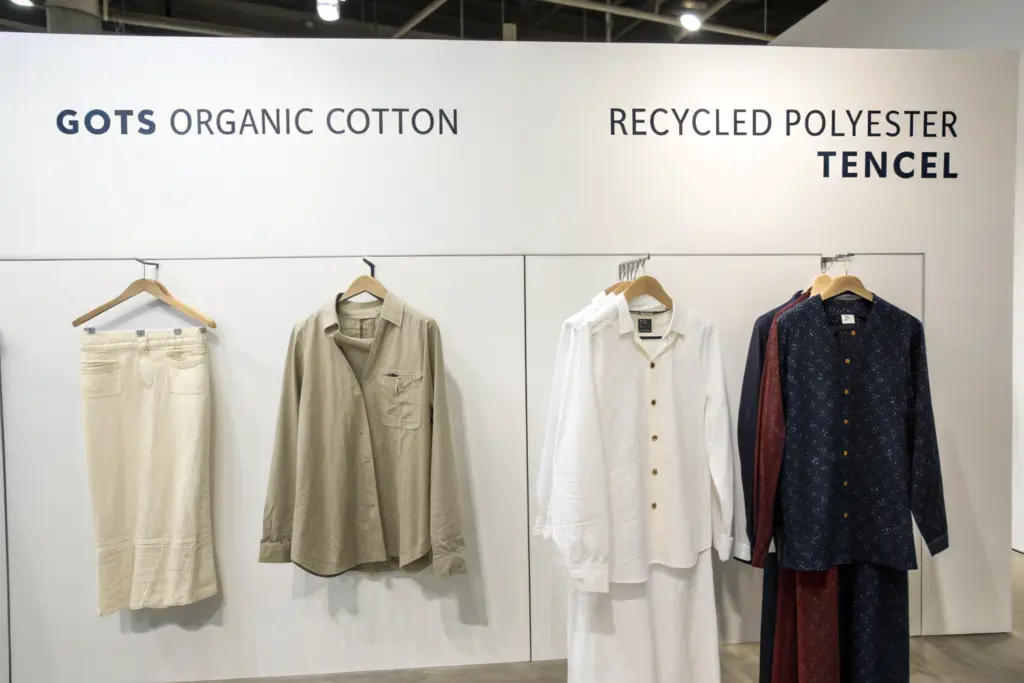
You can launch a sustainable clothing line quickly by working with a manufacturer who already has a network of certified sustainable mills and fabrics. Do not try to invent everything from scratch. Use existing sustainable materials like GOTS organic cotton, recycled polyester, and TENCEL. Focus your energy on your designs and your brand story. Let your manufacturing partner handle the complex task of sourcing the right certified materials.
I have seen too many entrepreneurs get bogged down trying to be perfectly sustainable from day one. They spend a year searching for the perfect fabric. They run out of money. They never launch. The key is to move fast using the resources that already exist. The sustainable textile industry has grown enormously. There are amazing materials available right now, ready to be cut and sewn.
What Sustainable Fabrics Are Readily Available For Fast Launch?
A client from Denver came to me with a dream of using a fabric made from recycled ocean plastic. He thought it would take months to find and cost a fortune. I pulled out our swatch book and showed him three different options from three different mills, all in stock and ready to ship. His face lit up.
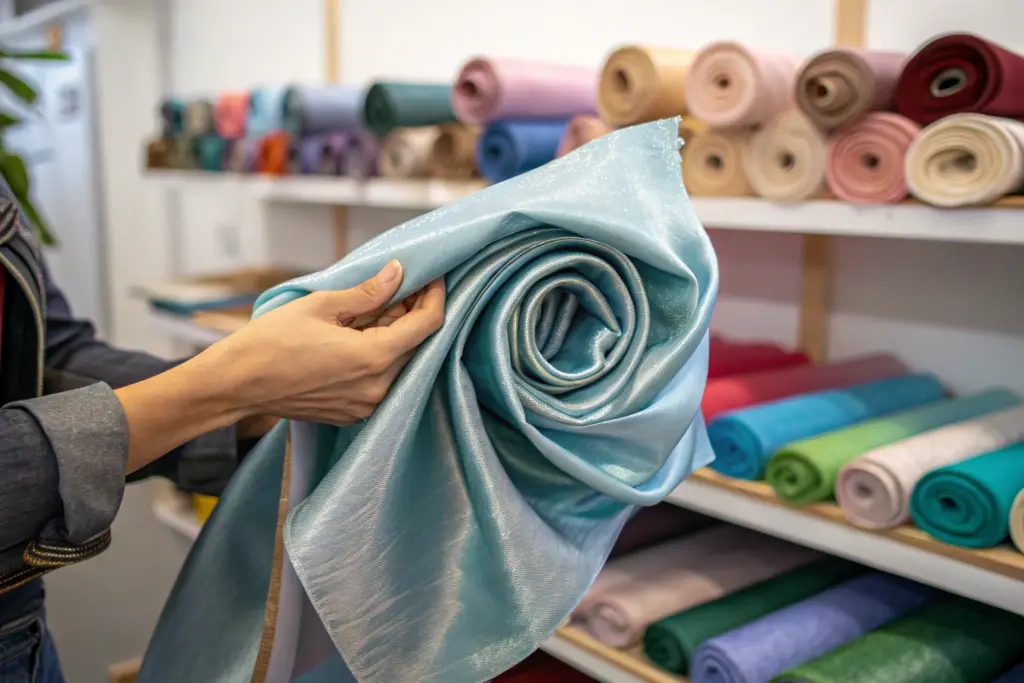
The days of sustainable fabrics being hard to find are over. Major mills now produce sustainable options as their core business. You do not need to wait for a custom run. You can choose from in-stock sustainable fabrics and start your sampling immediately.
Which Organic Cotton Options Are In-Stock?
Organic cotton is the foundation of many sustainable lines. It is grown without toxic pesticides and uses less water than conventional cotton in many cases. We work with several mills that keep GOTS-certified organic cotton jersey, French terry, and poplin in stock, ready to ship. These are not special-order items. They are standard offerings. For a client in Seattle who wanted to launch a line of baby onesies quickly, we chose a super-soft, in-stock organic cotton interlock. The fabric was delivered to our factory within a week. We cut and sewed the samples immediately. She had her first samples in hand three weeks after our first call. That speed is possible because we did not wait for a custom fabric order. We used what was already available. You can check the GOTS public database to find certified suppliers, but working with an established factory is faster.
How Can You Use Deadstock Or Recycled Fabrics?
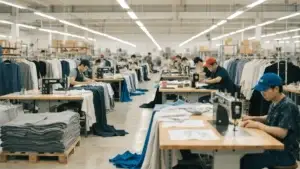
Deadstock fabric is fabric that mills or brands ordered but never used. It is a great sustainable option because it keeps waste out of landfills. It is also usually available immediately. We have relationships with mills and traders who have deadstock inventory. You can often find unique, high-quality fabrics at good prices. For a limited-edition collection for a client in Los Angeles, we sourced a beautiful deadstock deadstock stretch denim. There was only enough for 500 pairs of jeans. That scarcity made the collection feel special. The client marketed it as "zero-waste" and sold out in days. Recycled polyester made from plastic bottles is also widely available in stock. It is used for activewear, fleece, and even some woven fabrics. Using these readily available sustainable materials is the fastest path to launch.
How Can You Certify Your Sustainable Claims Without Delay?
Once you have your sustainable line, you need to prove it. Greenwashing is a serious accusation. You cannot just say "eco-friendly." You need the certificates to back it up. But getting certified for a new line can seem slow. There are ways to speed it up.
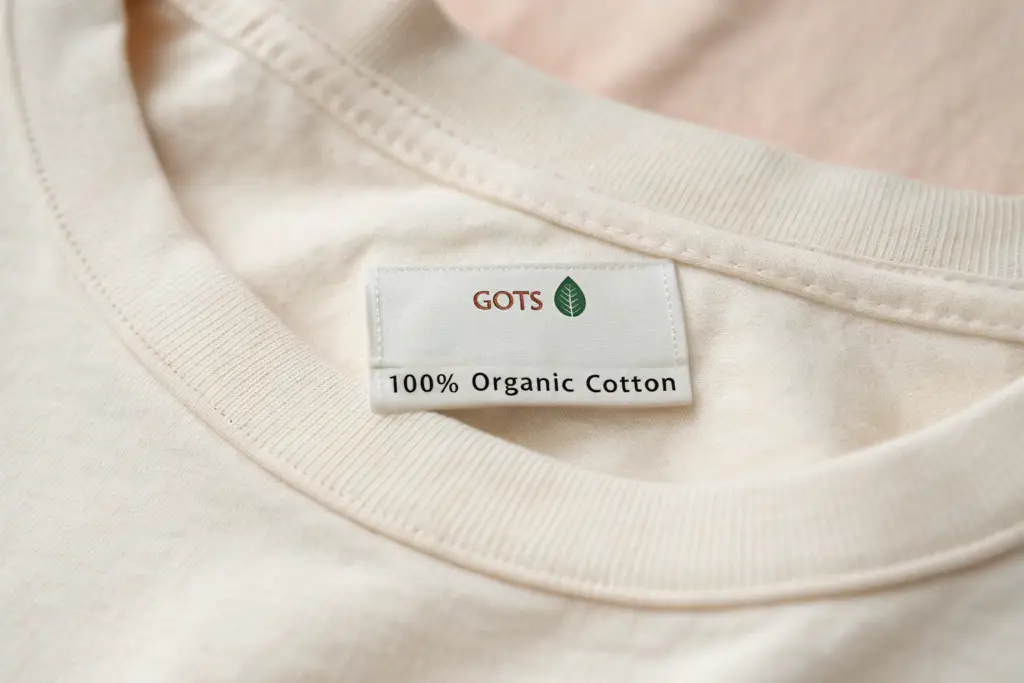
Certification for your final product can be faster if you start with certified materials. If your fabric is GOTS-certified, and your factory is GOTS-certified, then your garment is essentially GOTS-certified. You do not need to start the certification process from zero. You build on the certifications that already exist in your supply chain.
How Does Using Certified Fabrics Streamline Your Own Certification?
Think of certification as a chain. If every link in the chain is certified, the final product is certified. When you buy GOTS-certified organic cotton fabric from a certified mill, and you have it made in a GOTS-certified factory like ours, then the finished t-shirt is GOTS-certified. You do not have to send it away for a whole new round of testing. We provide you with the "Transaction Certificate" (TC) from the mill and our own certification documents. You can use these to prove your product's credentials to retailers and customers. A client from Chicago used this system to get his new sustainable hoodie line into a major department store. The store's buyer required GOTS certification. We provided our certificates and the mill's TCs. The buyer accepted them. The line launched on schedule. This is much faster than trying to certify a new product with a brand-new, uncertified fabric. It is about leveraging the existing supply chain certifications.
What Are The Fastest Certifications For New Brands?
If you are starting from scratch, some certifications are easier to get than others. The OEKO-TEX Standard 100 certification for your finished product is relatively fast. You send samples of your final garment to an approved lab. They test for harmful substances. If it passes, you get the certificate. The whole process can take a few weeks. For a client in Miami launching a line of organic cotton dresses, we helped them do this. We sent the finished samples to the lab. The report came back clean. They got their OEKO-TEX certificate in under a month. They put the label on their garments. It gave their customers confidence. For social compliance, if you are working with a factory that is already BSCI or SMETA audited, you can often use their audit report to satisfy retailer requirements. You do not need a separate audit for your brand alone. The OEKO-TEX certification process is well-documented and efficient.
How Can You Work With A Factory To Speed Up Production?
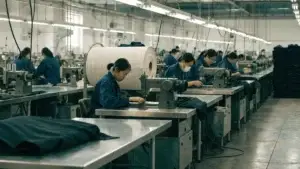
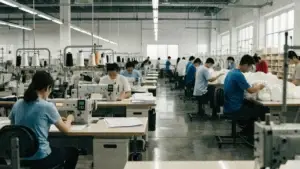
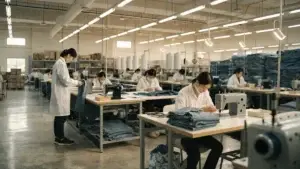
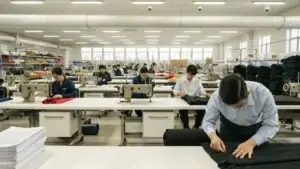
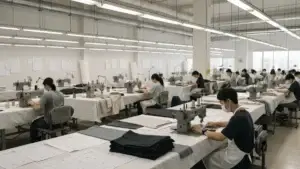
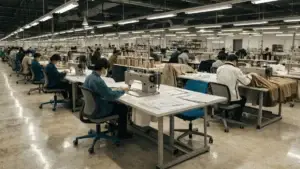
The biggest delay in launching any clothing line is often the back-and-forth of sampling and production. A good factory can compress this timeline significantly if you come prepared and communicate clearly.
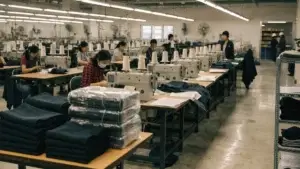
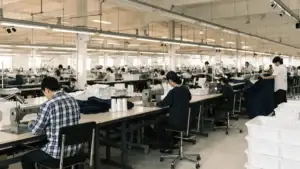
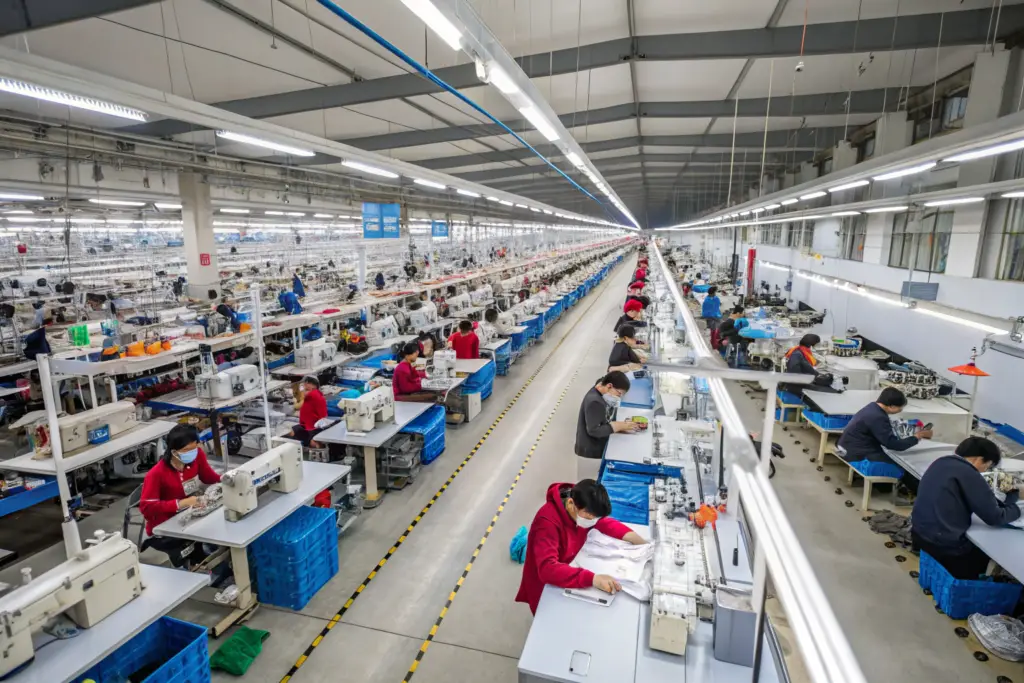
A factory is a machine. The faster you feed it clear instructions, the faster it produces your goods. Come with a complete tech pack. Be decisive on samples. Approve things quickly. The factory cannot move faster than your feedback allows. We are ready to run. We need you to be ready to make decisions.
What Should You Have Ready Before Contacting A Factory?
Do not call a factory with just an idea. Call them with a plan. You need:
- A tech pack with flat sketches and measurements.
- A clear idea of the fabric you want (or ask us for suggestions from our in-stock options).
- Target quantities and a target delivery date.
- Your budget.
If you have these things, we can give you a quote and a timeline immediately. If you call with just a sketch, we have to ask dozens of questions. That takes days or weeks. A client from Portland came to us with a perfect tech pack for a sustainable yoga pant. He had all the measurements, all the construction details, and he had chosen three fabric options from our in-stock sustainable list. We sent him a quote the same day. We started sampling the next week. He launched his line in four months. Preparation is the key to fast-track production.
How Can You Compress The Sampling Timeline?
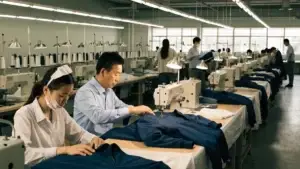
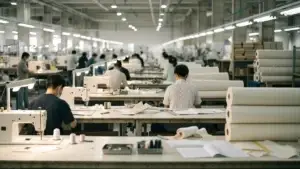
Sampling usually takes the most time. You send a tech pack. We make a sample. We ship it to you. You look at it. You send feedback. We make another sample. This cycle can take months. To compress it, use video calls for fit sessions. When the first sample arrives, schedule a video call with our pattern maker. Put the sample on a model. Show us the fit on the video. Point to the areas that need change. We see it in real-time. We understand immediately. This can reduce a two-week feedback loop to two days. For a recent project with a client in New York, we did three sample rounds in two weeks using daily video calls. He approved the final sample, and we went straight into production. That speed is only possible with real-time, visual communication. It turns a slow, email-based process into a fast, collaborative one.
Conclusion
Launching a sustainable clothing line quickly is absolutely possible. You do not need to wait years for custom fabrics or complicated certifications. The infrastructure is already there. Sustainable fabrics are in stock. Certified factories are ready. The key is to work with a partner who knows this landscape and can guide you through it efficiently.
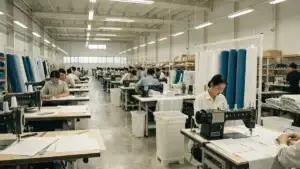
At Shanghai Fumao, we specialize in this. We have the in-stock sustainable fabrics. We have the GOTS and OEKO-TEX certifications. We have the pattern makers and sewers who can turn your designs into samples in days, not weeks. We are ready to help you launch your sustainable vision into the market fast.
If you are ready to stop dreaming and start launching, let's talk. Contact our Business Director, Elaine. She will show you how quickly we can move from your idea to your first sample.
Email Elaine today: elaine@fumaoclothing.com