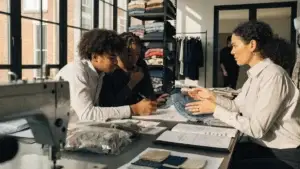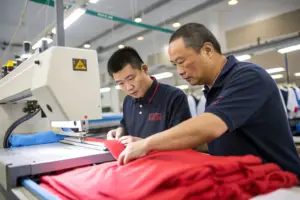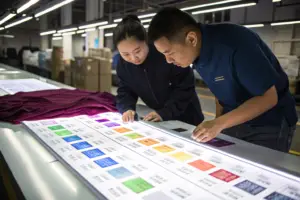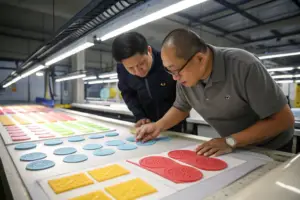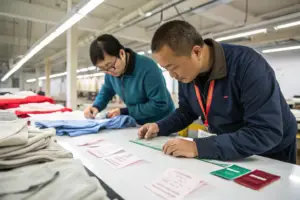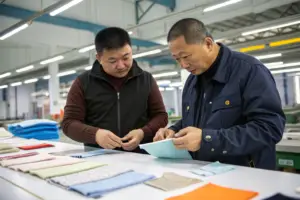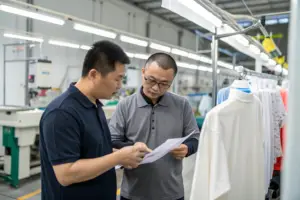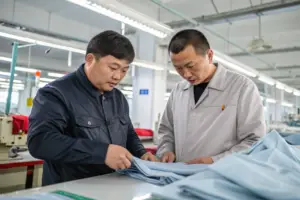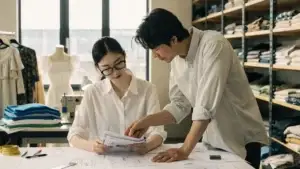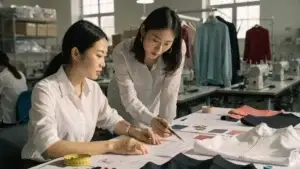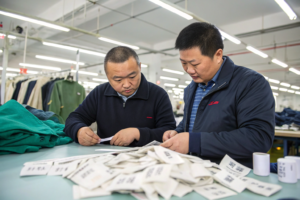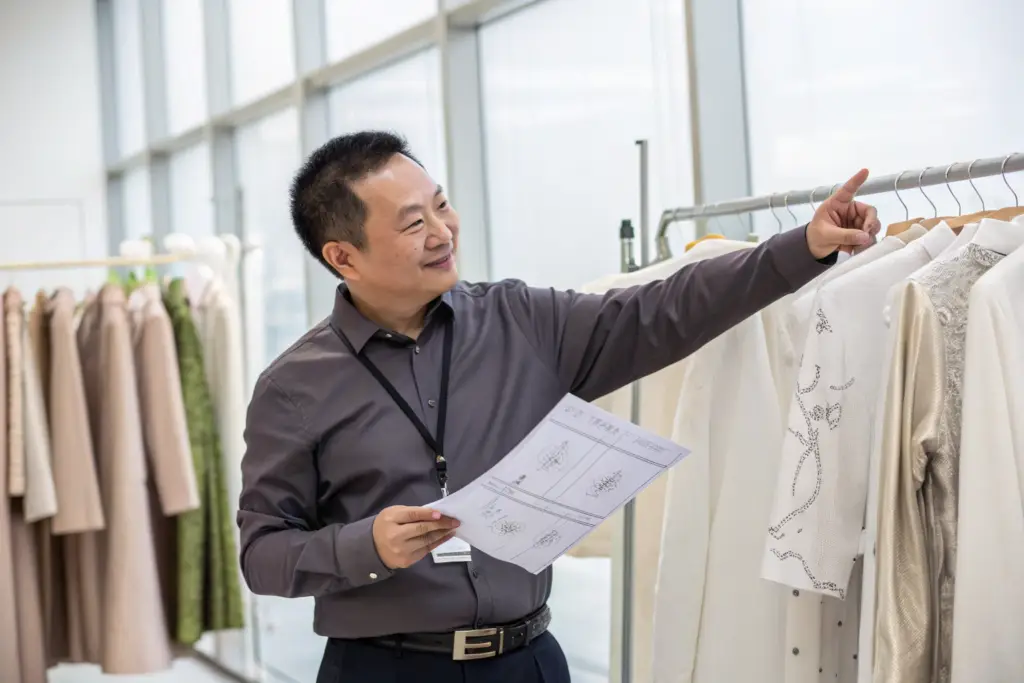
I have been in this industry for three decades, and I am still amazed when buyers try to skip the sampling process. They see it as an unnecessary expense, a delay before the "real" work of production begins. This is one of the most dangerous misconceptions in our business. I have watched brands lose tens of thousands of dollars because they rushed into production based on a picture and a handshake, only to receive containers full of garments that were unwearable.
A clothing sample is a physical prototype of your design. It is the first time your idea becomes a real garment you can touch, feel, and try on. But it is much more than that. It is your most powerful quality control tool. It is the final check before you commit thousands of dollars to production. It is the bridge between your creative vision and the manufactured reality. Skipping or rushing this step is not saving time or money. It is gambling with your brand's reputation.
I built Shanghai Fumao with a deep respect for the sampling process. A few years ago, a brand owner from Chicago came to us with a design for a complex women's jacket. He was in a hurry. He wanted to skip the second sample round to save two weeks. I convinced him to wait. The second sample revealed a problem with the sleeve pitch that would have made the jacket uncomfortable. We fixed it. The final production run sold out. He later thanked me for protecting him from his own impatience. That is what a good partner does.
What Are The Different Types Of Clothing Samples?
Not all samples are the same. In the apparel industry, we use different samples at different stages of development. Each type serves a specific purpose. Understanding this process helps you know what to expect and what to look for at each step.
The journey from concept to production typically involves several sample stages. Some samples are for internal testing. Some are for you to approve. Some are for your sales team to show retailers. Knowing the difference helps you manage your timeline and expectations.
What is a proto sample and why do I need one?
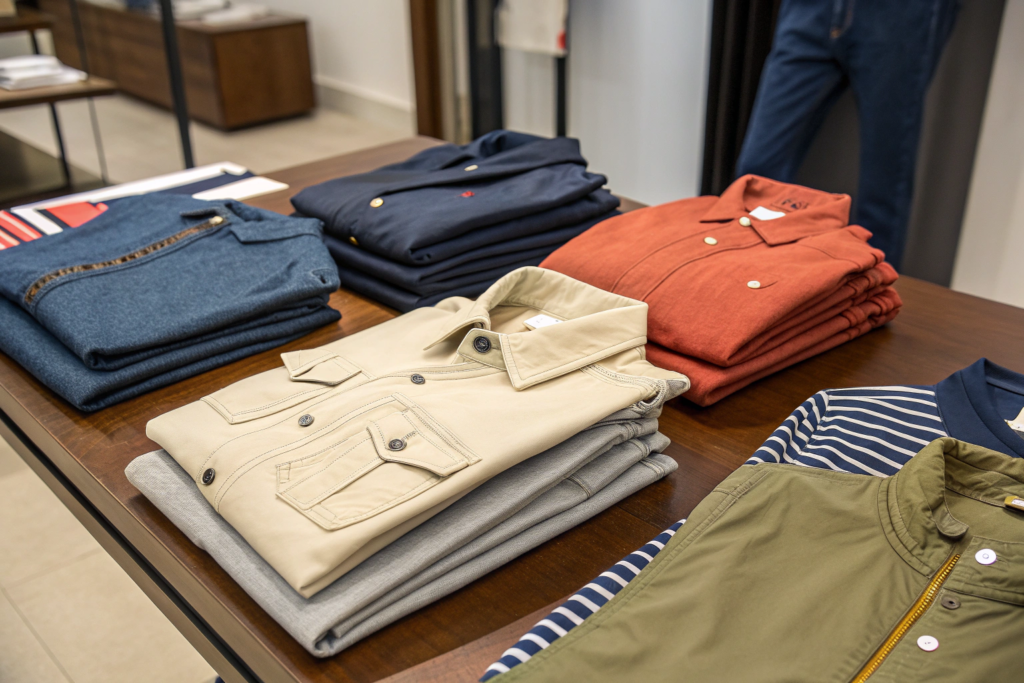
A proto sample, short for prototype, is the very first sample made from your design. Its purpose is to test the concept. Can this design actually be sewn? How does the chosen fabric behave? Does the silhouette look right in three dimensions?
The proto sample is not usually perfect. It is a learning tool. We make it to identify any construction challenges, check the initial fit, and see the design come to life for the first time. A client in Denver sent us a sketch for a dress with a very complex draped neckline. The proto sample showed us that the fabric we initially chose was too stiff to drape correctly. We used that information to source a different, more fluid fabric for the next round. The proto sample saved us from making a costly mistake in bulk fabric purchasing.
What is a fit sample and how is it used?
After the proto sample is approved for construction, we create a fit sample. This sample is made in your target size, using the final or proposed fabric. The purpose is to perfect the fit and measurements.
We put the fit sample on a dress form or have a live model try it on. We check every measurement against your spec sheet. We look at how the garment hangs. We check the armhole depth, the shoulder slope, the waist placement. We then send you detailed photos and measurements. You provide feedback. We adjust the pattern and make another fit sample if needed. This process continues until the fit is exactly right. A client in Boston who sells petite women's wear went through three fit samples to get the proportions perfect for shorter torsos. The final product had a return rate of under 3%. Good fit samples are an investment in customer satisfaction.
What is a salesman sample or production sample?
Once the design and fit are finalized, we create a salesman sample, also called a PP (Pre-Production) sample. This sample is made exactly to the final specifications, with the final fabric, the final trims, and the final labels. It is a perfect representation of what the bulk production will look like.
You can use this sample for several purposes. You can show it to your retail buyers to pre-sell the season. You can photograph it for your website and marketing materials. You can keep it in your office as the "Golden Sample" standard. Most importantly, you approve this sample in writing. Once you sign off on the PP sample, we use it as the benchmark for the entire production run. Every garment is compared to this sample. It is your ultimate quality guarantee.
Why Is The Sampling Process So Important For FPP?
In Full-Package Production, the sampling process is not a separate step. It is woven into the entire development cycle. It is where we build the foundation for a successful production run. Rushing it is like building a house on a shaky foundation. It might look okay for a while, but eventually, it will crumble.
The sampling phase is your last chance to make changes before you commit to buying thousands of dollars worth of fabric and paying for weeks of factory labor. It is your final quality check. It is your opportunity to ensure that the product you receive matches the product you imagined.
How does sampling prevent costly production mistakes?
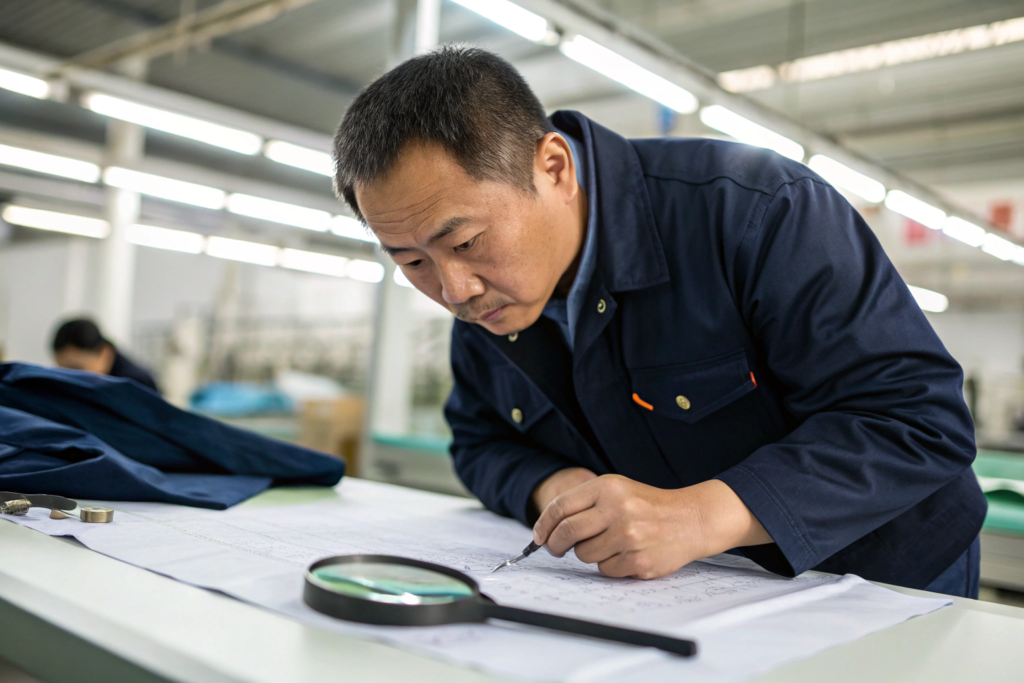
Let me give you a real example from our factory. A client in Seattle sent us a design for a men's shirt with a very specific type of pleat on the back. The design looked great on paper. We made a proto sample. When we saw the sample on a person, we realized the pleats pulled awkwardly across the shoulder blades. The design needed adjustment.
We went back to the pattern and made a small change to the pleat placement. The second sample was perfect. If we had skipped that first sample and gone straight to production, we would have made 1,000 shirts that did not fit properly. The client would have had to sell them at a discount or scrap them. The cost of that mistake would have been many times greater than the cost of the sampling. Sampling is cheap insurance against expensive disasters.
How many sample rounds are typically needed?
There is no fixed number. It depends entirely on the complexity of your design. A simple t-shirt in a standard fabric might be perfect after one or two rounds. A complex, tailored jacket with multiple pattern pieces and a special fabric might need three or four rounds.
The key is to be patient and thorough. Do not approve a sample just because you are tired of waiting. Approve it only when it is truly right. A client in New York once rejected five samples of a very intricate beaded evening gown. Each round got closer to her vision. The final product was stunning and sold for over $500 each. Her patience paid off. We will work with you for as many rounds as it takes to get it right. We charge reasonably for additional rounds, but our goal is always to get to approval as efficiently as possible.
What Should You Look For When Reviewing A Sample?
Receiving a sample is exciting. It is your idea, made real. But do not let that excitement stop you from being a critical reviewer. You need to examine the sample with a cold, objective eye. Look for problems now, so they do not become problems in bulk production.
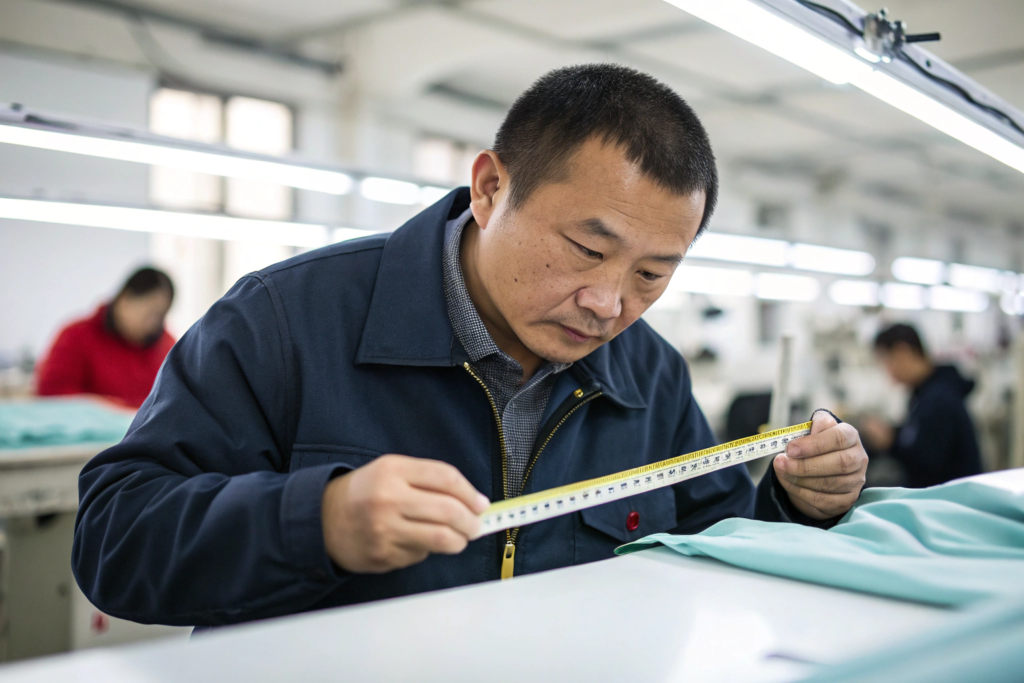
We recommend using a checklist when you review samples. This ensures you do not miss anything. Look at the garment on a flat surface. Look at it on a hanger. Ideally, try it on a live model or a dress form that matches your target customer's proportions.
What fit issues should you check for?
Fit is the most important factor in customer satisfaction. When you try on the sample, check these points:
- Does the garment feel comfortable? Can you move freely?
- Are the shoulder seams in the correct position? Shoulder fit is critical for a professional look.
- Does the bust or chest area fit smoothly without pulling or gaping?
- Is the waistline in the right place for your design?
- For pants and skirts, check the rise (front and back) and the fit through the hip and thigh.
- Are the sleeves the correct length? Do they allow for comfortable arm movement?
A client in Los Angeles once received a sample of a blazer that looked perfect on the hanger. But when she put it on, the sleeves were too tight. She could barely move her arms. We went back to the pattern and added a bit more ease through the armhole. The second sample was perfect. Always try the sample on a real body if possible.
What construction details require your attention?
Beyond fit, examine the construction quality. Look at:
- Stitching: Are the stitches straight and even? Are there any loose threads or skipped stitches?
- Seams: Are the seams flat and pressed correctly? Do they pucker?
- Buttons and buttonholes: Are the buttons securely attached? Are the buttonholes cleanly cut and the right size?
- Zippers: Does the zipper slide smoothly? Is it sewn in straight without puckering the fabric?
- Hems: Is the hem even all the way around? Is the stitching invisible from the right side if it should be?
- Matching: For plaids or stripes, do the patterns match at the seams?
A client in Chicago noticed that on his sample shirt, the pocket was slightly crooked. It was off by just 3 millimeters. He pointed it out. We adjusted the placement guide for the production team. On the bulk order, every pocket was perfectly straight. That attention to detail separates good brands from great ones.
How Does The Approved Sample Guide Bulk Production?
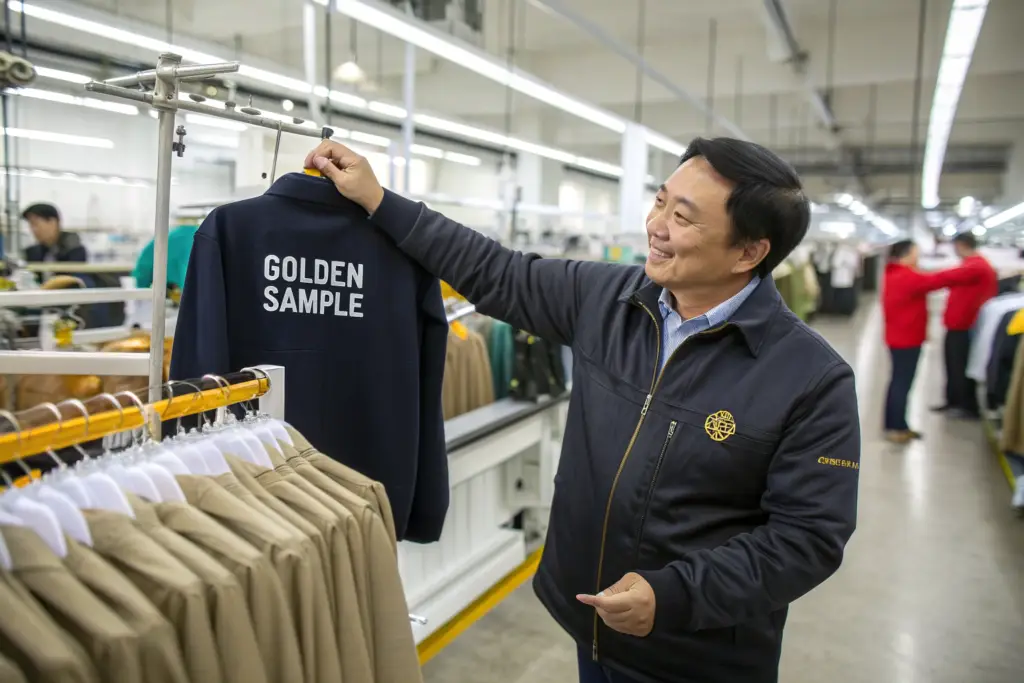
Once you approve a sample, it becomes the "Golden Sample." This is not just a nice memory of a job well done. It is a working tool. It stays in our quality control department for the entire production run. Every single inspector uses it as their reference.
The Golden Sample is the physical embodiment of your quality standard. It answers every question that might come up during production. What shade of white should the buttons be? How long should the thread tails be inside the garment? How should the collar roll? The Golden Sample shows the answer.
How is the Golden Sample used on the factory floor?
At the start of production for your style, the line supervisor and the QC manager hold a meeting with the operators. They show them the Golden Sample. They point out the critical details. They explain the quality expectations.
Throughout production, inspectors pull random garments from the line and bring them to the QC room. They hold them next to the Golden Sample. They compare the stitching, the measurements, the overall look. If a garment does not match the Golden Sample, it is flagged for review. If the deviation is minor, it might be fixed. If it is major, the entire batch since the last good check might be quarantined. The Golden Sample ensures that the 500th garment looks exactly like the first one.
What happens if the bulk production does not match the sample?
This is a serious situation, but it is handled with clear procedures. If our internal QC finds a deviation, we stop the line and investigate. If the deviation is found by a third-party inspector you hired, we accept their finding.
If the problem is fixable, we will rework the affected garments. If it is not fixable, we will separate the defective goods and not ship them. We then discuss with you how to proceed. This might mean a partial shipment of the good goods and a production of replacement units for the defective ones. It is never a pleasant conversation, but having the Golden Sample as the absolute standard makes it an objective one. There is no argument about what is right. The sample is right. Everything else is wrong.
Conclusion
A clothing sample is far more than a first article. It is your primary tool for communication, quality control, and risk management. It is the bridge between your imagination and your customer's hands. The sampling process, when done properly, protects your investment, ensures your fit is perfect, and guarantees that your production run matches your vision.
Investing time and attention in samples is not a delay. It is the surest path to a successful product launch. Every round of feedback, every small adjustment, every careful inspection builds quality into your garment before a single bulk piece is cut. Do not rush this process. Embrace it.
At Shanghai Fumao, we treat sampling with the respect it deserves. We have a dedicated team of pattern makers and sample sewers whose only job is to get your samples right. We guide you through the process, offer honest feedback, and work tirelessly until you are 100% satisfied. If you are ready to start your next project with a partner who values quality as much as you do, please reach out. Contact our Business Director, Elaine, at elaine@fumaoclothing.com. Let us create something perfect together.