Five years ago, a brand owner from California called me with a nightmare. He had received a shipment of toddler pajamas from another supplier. A week later, a customer reported that a small button had come loose. Their child had found it and put it in their mouth. Fortunately, the parent caught it in time. No one was hurt. But the brand's reputation was deeply damaged. The retailer dropped their line. The owner was devastated. He asked me, "How do I make sure this never happens again?"
Multi-step inspections are the only way to guarantee that every single children's garment leaving our factory is safe for its intended wearer. We do not rely on a single final check. We inspect at every stage: fabric, cutting, sewing, finishing, and packing. This systematic approach catches potential hazards like loose buttons, sharp edges, or toxic dyes before they become a danger to a child or a liability to your brand.
That call from California changed how I thought about our responsibility. Making clothes for adults is about fit and style. Making clothes for children is about all of that, plus safety. A child does not know to be careful with a zipper. A toddler explores the world with their mouth. A loose thread around a finger can be a real problem. As a manufacturer, we have to think about these things. We have to build safety into every step. At Shanghai Fumao, we treat every order of kids wear with the highest level of scrutiny. We know that the clothes we make go home to real families. Our multi-step inspection process is our promise to you and to those families that we have done everything possible to deliver a safe, high-quality product.
What Are The Critical Safety Checks Before Production Even Starts?
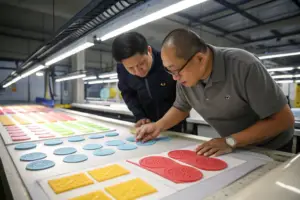
Many people think quality control starts when the garment is finished. That is too late. For kids wear, the most important checks happen before a single piece is cut. We have to make sure the raw materials are safe and suitable for the final product.
How Do We Test Incoming Fabrics For Harmful Substances?
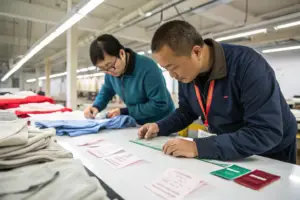
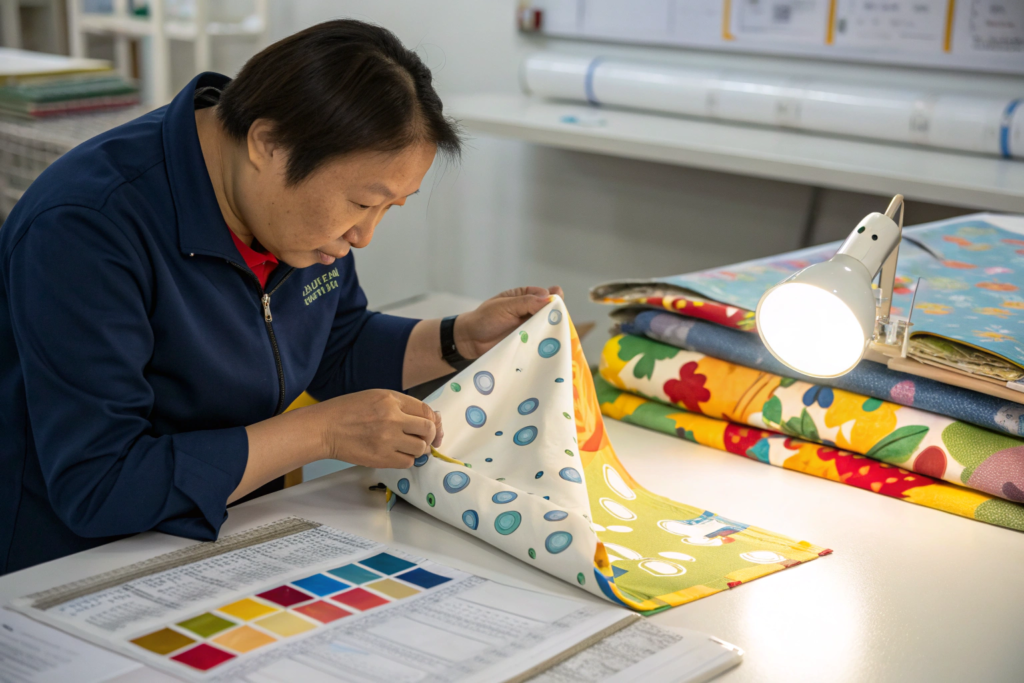
Children's skin is sensitive. It absorbs things more easily than adult skin. This is why regulations around children's clothing are so strict. We take this extremely seriously. Every roll of fabric intended for kids wear in our factory goes through a rigorous screening process before it is accepted.
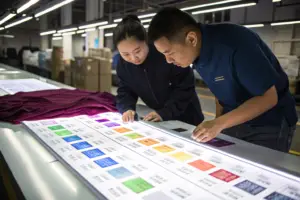
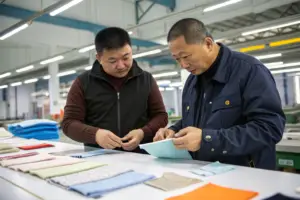
We do not just rely on the fabric mill's word. We have our own internal testing protocols. We check the fabric against strict standards for things like formaldehyde, phthalates, and heavy metals. We look for any strange smells that could indicate harmful chemical treatments. We also verify the fabric's colorfastness. A child's garment will be washed many times. We need to ensure that the dyes do not run and that they are not released in a way that could irritate skin. We work closely with our fabric suppliers to ensure they understand these safety standards from the beginning. If a fabric does not meet our criteria, it is rejected immediately. We will not put a single child at risk.
Why Do We Verify All Trims And Decorations Before Cutting?
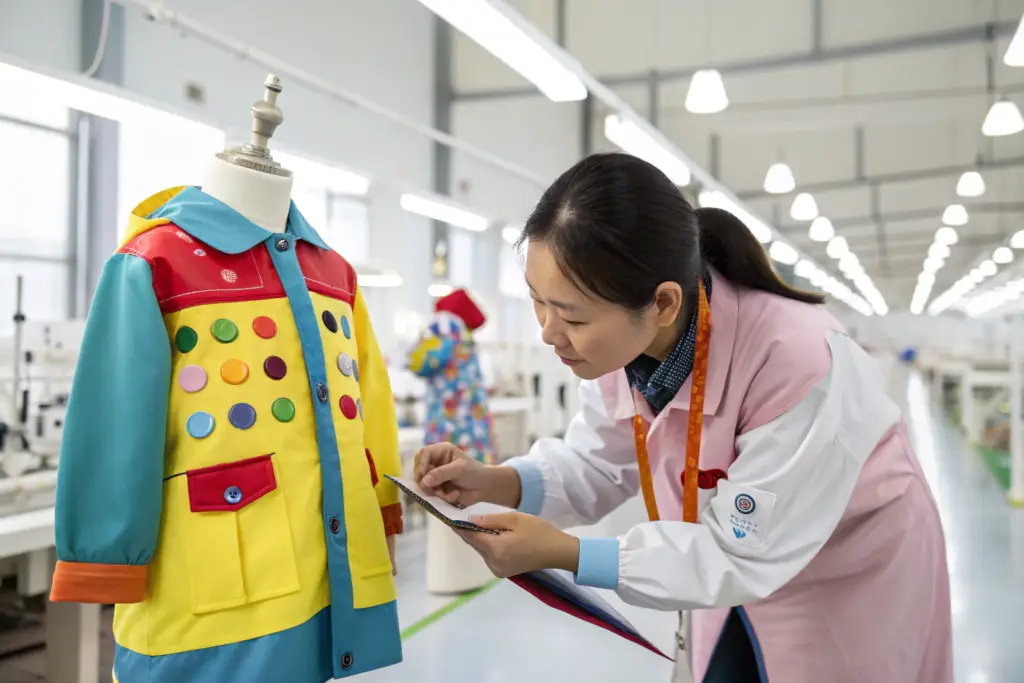
For kids wear, the trims are often the most dangerous part. Buttons, snaps, zippers, beads, and appliques can all become choking hazards if they are not attached correctly or if they are made from unsafe materials. Our inspection process for trims is just as strict as for fabric.
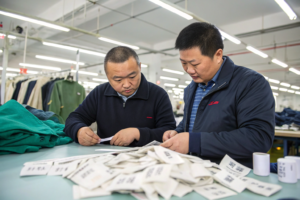
We check every batch of buttons for durability. We test how much force is needed to pull them off. We make sure they exceed the industry safety standards. We inspect zippers for sharp edges that could cut a child's skin. We check snaps to ensure they close securely and do not come apart too easily. We even look at things like decorative ribbons and bows to make sure they are firmly attached and do not have long ends that could pose a strangulation risk. This attention to small parts is absolutely critical. A mistake here can have terrible consequences. We keep detailed records of every batch of trims we use, so we can trace any issue back to its source if we ever need to.
How Does In-Production Inspection Catch Hidden Defects Early?
Waiting until the end to find a problem is expensive and wasteful. If we find a defect after 1,000 pieces are made, we have to rework or scrap all of them. That cost gets passed on to you. Our in-production inspections are designed to catch issues the moment they appear, so we can fix them instantly.
What Do We Look For During The Sewing And Assembly Phase?
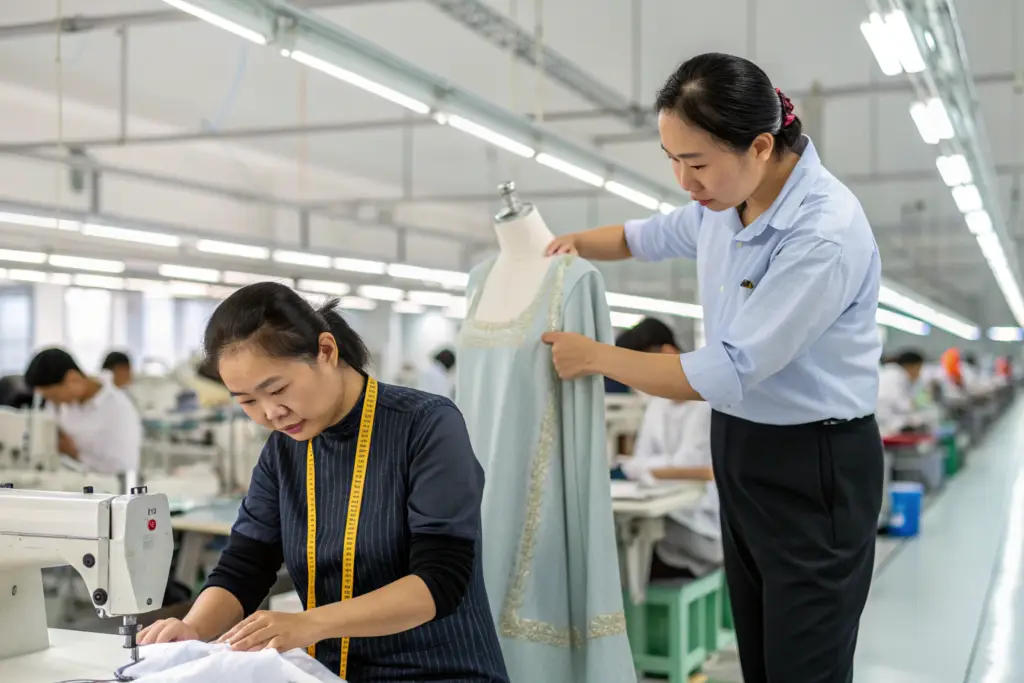
This is where the garment comes together. It is also where many hidden defects can appear. Our line supervisors are constantly moving through the production floor. They are not just managing workflow. They are watching for quality issues.
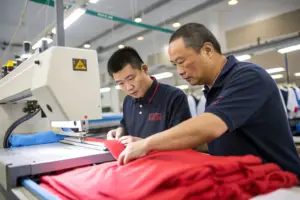
We check things like seam strength. A seam on a child's activewear needs to withstand a lot of pulling and stretching. We look for proper tension. If a stitch is too tight, it might pucker. If it is too loose, it might unravel. We check for correct seam allowances. We ensure that patterns are matched correctly at the seams. We also look for needle damage. A dull needle can create runs in knit fabrics that will only get worse with wear. Our inspectors are trained to spot these subtle defects immediately. When they find one, they stop the line and work with the operator to correct the technique. This real-time correction prevents small problems from becoming big ones. It ensures that the quality is built into the garment, not just inspected into it at the end.
How Do We Monitor For Consistent Sizing During Production?
Inconsistent sizing is a huge problem for brands. If a customer buys a size 4T and it fits like a size 2T, they will not buy from you again. Children grow fast. They need reliable sizing. We maintain this consistency through continuous in-line measurement checks.
Our quality team pulls random samples from every production run while it is still in progress. They lay the garments flat on a measuring table and check every critical point against the spec sheet. Chest width, body length, sleeve length, inseam. They record these measurements. If they see a trend moving toward the edge of our tolerance range, they alert the production line immediately. Maybe a cutter needs to adjust the fabric lay. Maybe a sewing operator's tension has drifted. We fix the root cause before hundreds of pieces are cut or sewn incorrectly. This statistical process control ensures that the 500th piece from your order will fit exactly the same as the 5th piece. That consistency builds trust with your customers.
What Are The Final Checks Before Kids Wear Ships To You?
After the garments are finished, ironed, and folded, they go through one last, comprehensive inspection. This is our final opportunity to make sure everything is perfect before the goods leave our hands. For kids wear, this step is absolutely non-negotiable.
How Do We Conduct The Final Visual And Physical Inspection?
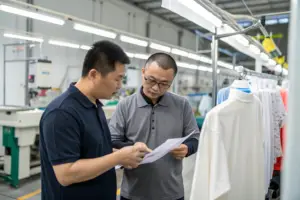
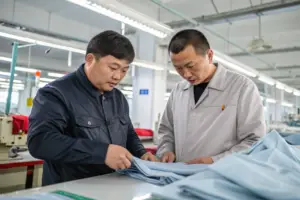
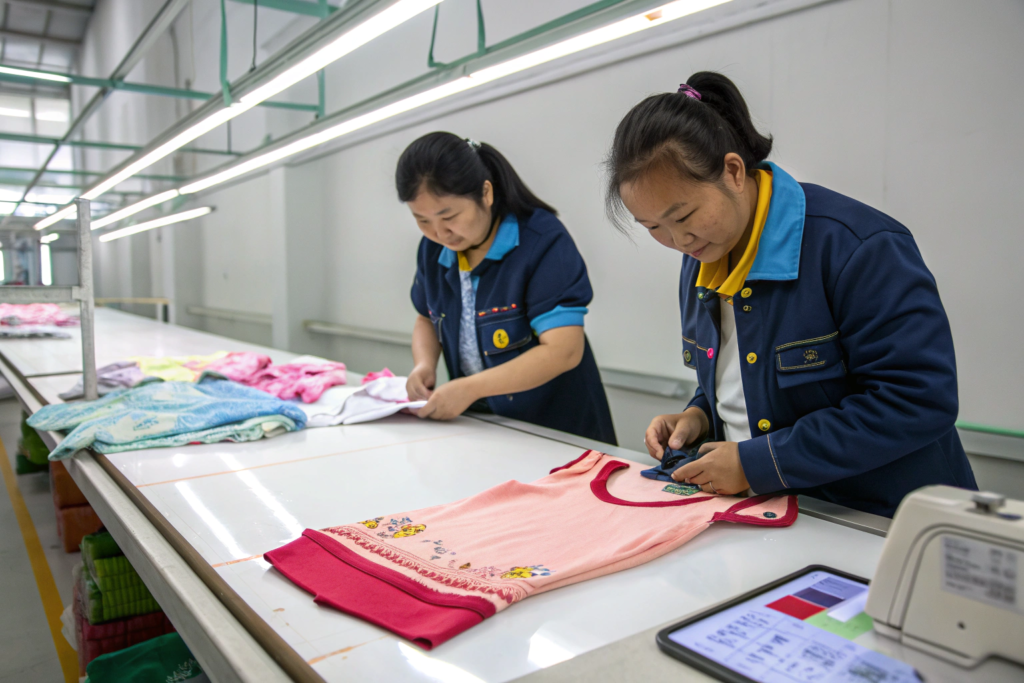
This is the most detailed check of all. Our most experienced quality controllers handle this stage. They examine every single garment with fresh eyes. They are looking for anything our earlier inspections might have missed.
They check every seam inside and out. They tug on every button, snap, and decorative element with real force to ensure they are secure. They run their hands over every surface to feel for any sharp points or rough edges. They check that all labels are correctly placed and sewn securely. They look for any stains, pulls, or other cosmetic flaws. They compare the finished garment against the approved sample one last time. If any garment fails this final inspection, it is pulled from the batch. It will never be shipped to you. This final AQL (Acceptable Quality Limit) inspection is our last line of defense. It is our promise that we have done everything humanly possible to deliver a safe product.
Why Is Needle Detection Critical For Children's Clothing?
This is one of the most important safety steps we take, specifically for kids wear. Broken needles are a real risk in garment factories. A tiny piece of a broken needle can get hidden in a seam. For an adult, this is an annoyance. For a child, it is a serious injury risk.
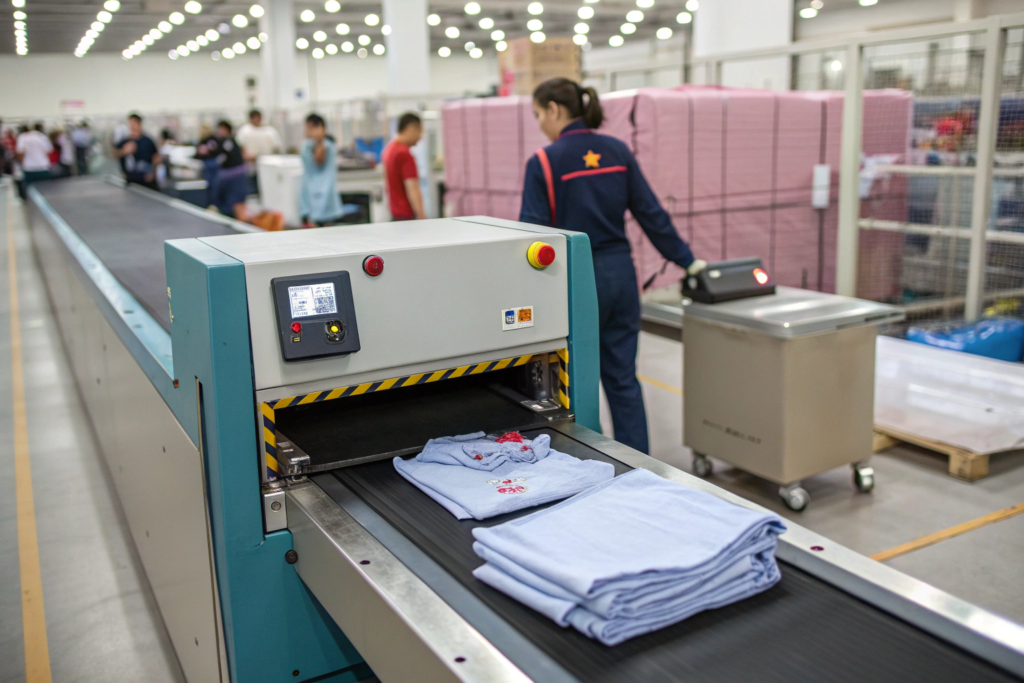
At the very end of our production line for all children's garments, we pass every single piece through a industrial needle detector. This machine scans the entire garment for any ferrous metal fragments. If it detects even a tiny piece, it alarms, and that garment is immediately quarantined. We then have a strict protocol for finding the source of the broken needle and ensuring no fragments remain in any other garments. This is not a step we skip or rush. It is a fundamental part of our commitment to safety. We want you and your customers to have absolute peace of mind that there are no hidden dangers in the clothes.
How Does Multi-Step Inspection Protect Your Brand From Recalls?
A product recall is a brand's worst nightmare. It is expensive. It is embarrassing. It can destroy years of hard work. For children's products, the stakes are even higher. A recall due to a safety issue can end a business. Our multi-step inspection process is your best protection against this.
How Do We Maintain Full Traceability Of Every Component?
If a problem is ever discovered, you need to know exactly where it came from. You need to be able to trace it back to the source. This is called traceability, and we have built a system to support it.
We keep detailed records for every order. We know which fabric rolls were used. We know which batch of buttons went into which garments. We know which operators worked on which production line on which day. We can trace a single garment back to its raw materials. If a fabric issue is discovered, we can quickly identify all orders that used that fabric. If a faulty batch of snaps is found, we can isolate every garment with those snaps. This level of traceability is essential for a responsible recall response. It allows you to act quickly and precisely, protecting your customers and minimizing the damage to your brand. At Shanghai Fumao, we manage this data carefully. It is part of our responsibility to you.
What Documentation Do We Provide To Prove Your Compliance?
Selling children's clothing in the U.S. requires compliance with many regulations. You need to be able to prove that your products meet the standards. We provide the documentation you need.
For every order of kids wear, we can provide test reports from accredited third-party laboratories. These reports verify that the fabrics and trims meet U.S. safety standards for things like lead content and flammability. We provide our internal inspection reports. We provide certificates of origin. We provide a full package of documentation that supports your compliance requirements. This documentation is your evidence. It shows retailers and regulators that you have taken every step to ensure your products are safe. It protects you from liability and builds trust with your partners. When you work with Shanghai Fumao, you are not just buying production. You are buying a comprehensive safety and compliance partnership. Contact our Business Director, Elaine, at elaine@fumaoclothing.com to discuss how we can protect your brand while creating beautiful, safe clothing for children.
Conclusion
Making clothes for children is a profound responsibility. It is not just about stitching fabric together. It is about protecting the most vulnerable members of our society. A loose button, a sharp edge, a toxic dye. These are not just quality issues. They are safety hazards. The only way to eliminate these hazards is through a systematic, multi-step inspection process that leaves nothing to chance.
At Shanghai Fumao, we have built our kids wear production around this principle. We inspect before we cut. We inspect during sewing. We inspect after finishing. We inspect before packing. We scan for needles. We document everything. We do all of this so that you can have complete confidence in the products that bear your name. We do it so that parents can dress their children in your clothes without a second thought. We invite you to partner with a manufacturer who shares your commitment to safety and quality. Let's work together to create children's clothing that is beautiful, durable, and above all, safe. Please reach out to our Business Director, Elaine, at elaine@fumaoclothing.com to start the conversation.