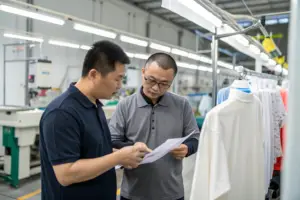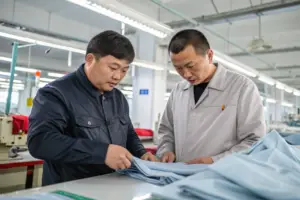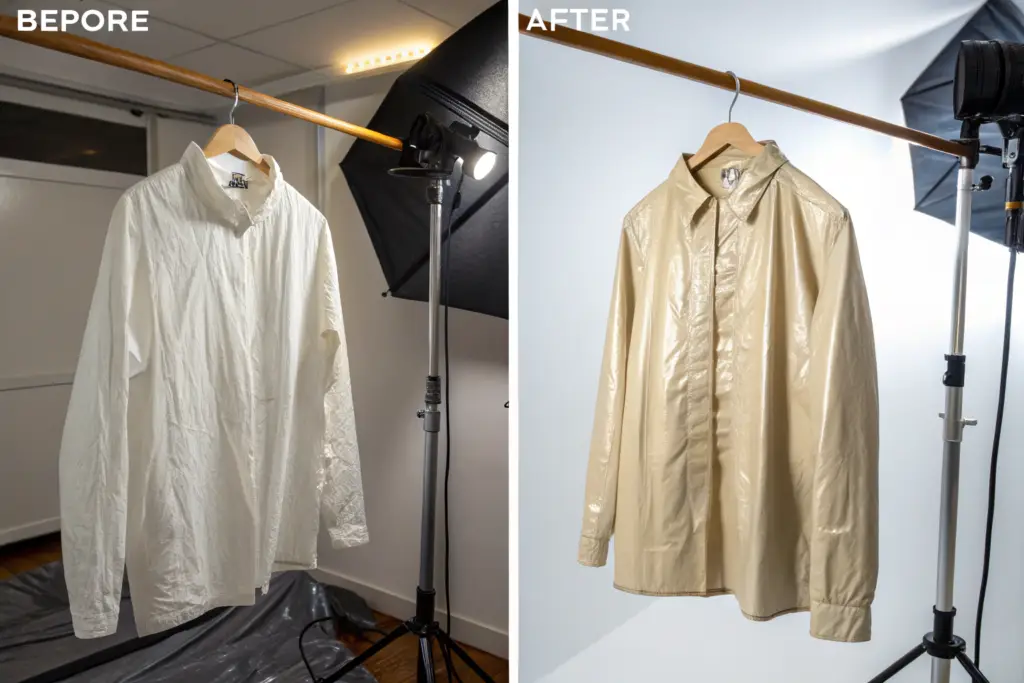
A few years ago, I was walking through our shipping department when I stopped to look at two identical piles of men's dress shirts. They were the same fabric, same cut, same order. But one pile looked ordinary. The other looked exceptional. The difference was not in the sewing. It was in the final step: the ironing and finishing. That moment reminded me of something fundamental. A garment is not truly finished until it is presented perfectly.
Skilled ironing and finishing is the final, critical step that transforms a well-made garment into a desirable product. It shapes the silhouette, enhances the fabric's natural qualities, and creates the first impression that convinces a customer to buy. Without this expertise, even the most expensive materials and precise stitching can look cheap and unappealing on the rack.
I have seen too many buyers focus all their attention on fabric sourcing and pattern making. They forget about the end. But the end is where the sale happens. When a customer walks into a store or opens a package, they do not see your tech packs or your factory reports. They see a piece of clothing. They see how it hangs. They see the sharpness of a collar. They see the smoothness of a seam. That visual is built in the final minutes of production. A skilled finishing team uses heat, steam, and pressure to give your garment its final shape and appeal. At Shanghai Fumao, we treat this stage with the same importance as cutting or sewing. It is our last chance to make sure your product is ready to compete.
Why Does Proper Ironing Prevent Costly Returns And Damaged Goods?
Returns are expensive. They eat into your profit margin. They create logistical headaches. And often, the reason for a return is not a manufacturing defect. It is a perception problem. The garment arrived wrinkled. It looked flat and uninviting. The customer simply did not like how it presented.
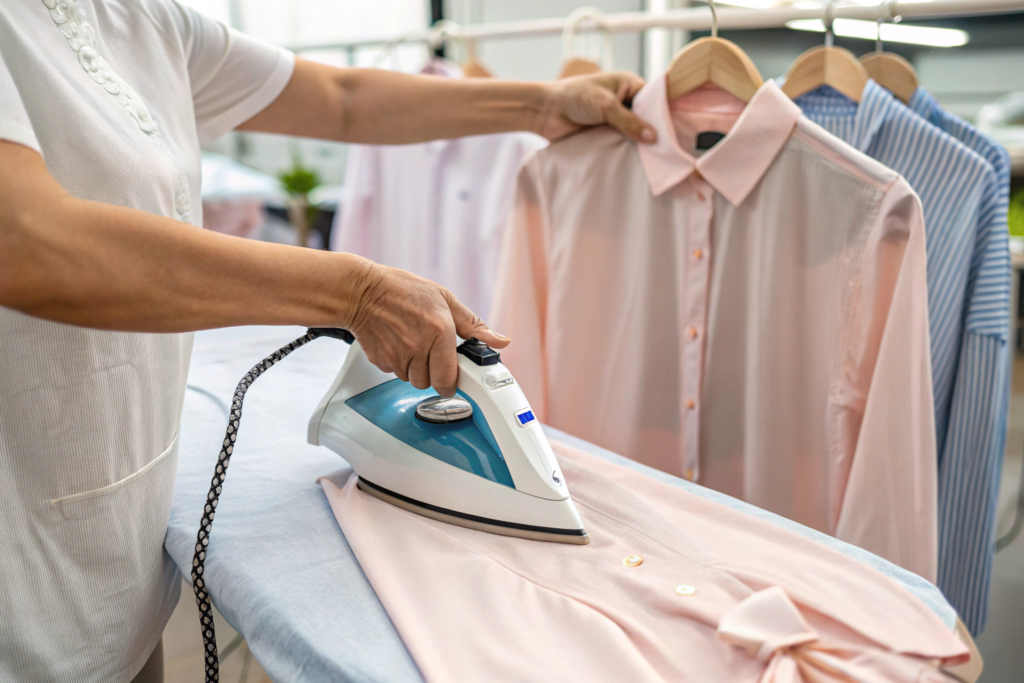
How Do Wrinkles And Poor Finishing Create A Negative First Impression?
Think about the last time you bought a shirt online. You pulled it out of the box. If it was deeply wrinkled and looked crushed, what did you feel? Disappointment. You started to question the quality before you even tried it on. That first visual cue is powerful. It sets the tone for the entire customer experience.
We had a client from Chicago who sold premium polo shirts online. He was getting a surprising number of returns. The feedback was always vague: "Just didn't like it." We asked him to send us photos of the shirts as customers received them. The problem was clear. The shirts were being packed in a way that crushed the collars and created deep wrinkles in the fabric. They looked tired before they ever met the customer. We worked with him to change the packing method and added a final light steaming before shipment. The return rate dropped by over 20% in the next quarter. That is the power of presentation. A well-finished garment that arrives looking crisp and fresh tells the customer, "This is a quality product worth keeping." This attention to customer satisfaction is something we prioritize in every step of production.
What Finishing Mistakes Lead To Permanent Fabric Damage?
Ironing is not just about removing wrinkles. Done poorly, it can ruin a garment. Too much heat can melt synthetic fibers, leaving a shiny, hard spot. Too much pressure can crush natural textures like pique knits or velvet. An unskilled finisher can permanently damage the fabric's hand feel.
I recall a situation with a brand producing high-end linen jackets. Linen is beautiful but notoriously difficult to finish. It wrinkles easily and can be damaged by over-pressing. Their previous factory had used standard high-heat irons on the linen, which flattened the natural texture and made the jackets look stiff and board-like. When they came to us, our finishing team, trained specifically on delicate natural fibers, used a combination of steam and a specialized pressing machine with lower heat and a soft surface. The result was a jacket that retained linen's beautiful, slightly textured look but with a crisp, clean silhouette. The brand's customers noticed the difference immediately. The jackets felt luxurious, not cheap. That expertise protects your investment in quality fabric.
How Does Expert Finishing Enhance The "Hand Feel" Of Your Garment?
The "hand feel" of a garment is its personality. Is it soft and inviting? Is it crisp and structured? Is it smooth and luxurious? This feeling is not just determined by the fabric. The finishing process has a huge impact on how a garment feels to the touch.
Can Ironing Change The Texture And Drape Of A Finished Product?
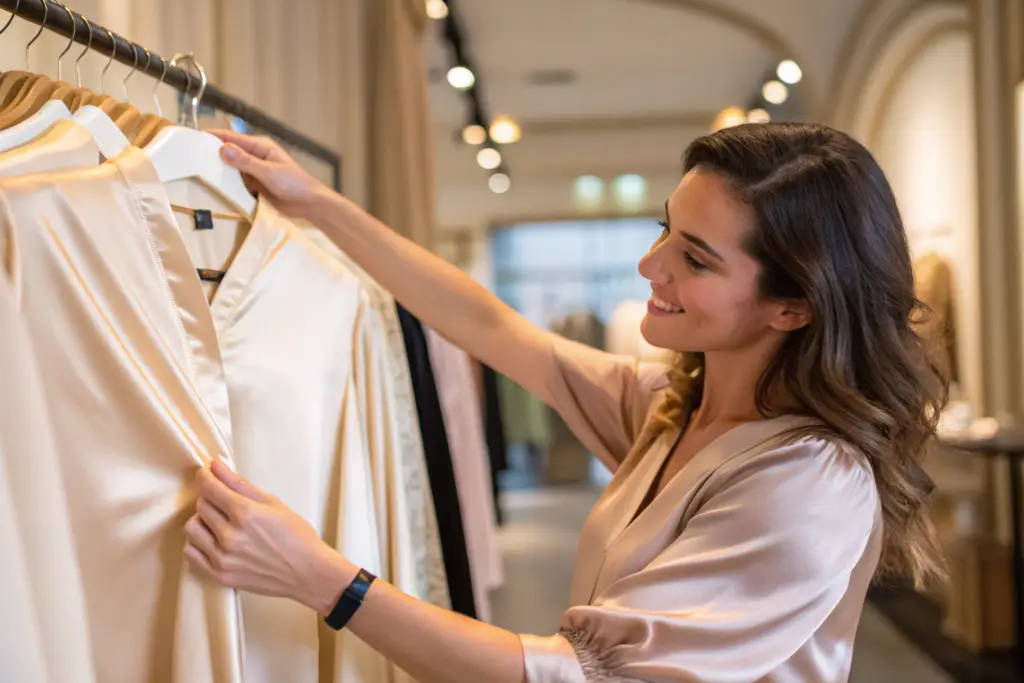
Absolutely. This is one of the most skilled parts of our job. Different fabrics require different finishing techniques to bring out their best qualities. For example, a cotton poplin shirt needs sharp, flat seams and a crisp overall feel. This is achieved with high heat and pressure on specific industrial equipment. A viscose dress, on the other hand, needs a softer touch. Too much heat can make it shiny and hard. We use steam and careful handling to enhance its natural, fluid drape without flattening it.
Our team trains extensively on this. They learn to identify fabric content by touch and sight. They know that a 100% cotton jersey needs a different approach than a polyester-cotton blend. They understand that the goal is not just to remove wrinkles, but to set the garment's final shape and enhance its natural beauty. This skill transforms a flat piece of fabric into a three-dimensional object with character and appeal. It makes the garment feel more expensive, more desirable in the customer's hands.
What Techniques Do We Use To Preserve Special Fabric Finishes?
Many modern fabrics come with special finishes. They might be water-resistant, wrinkle-free, or have a special softener applied. The ironing process can destroy these finishes if it is not done correctly.
We have strict protocols for finishing fabrics with special treatments. For example, for wrinkle-free dress shirts, we use lower temperature settings and specific pressing techniques to avoid breaking down the chemical treatment that keeps the shirt smooth. For water-resistant outerwear, we are careful not to use steam in a way that could compromise the coating. We also use specialized pressing equipment with Teflon-coated shoe covers to prevent shine on dark, synthetic fabrics. This technical knowledge is part of our continuous training. It ensures that the special properties you paid for in the fabric are still present and effective in the final product. The garment not only looks good but performs as promised.
How Does Precise Folding And Packing Protect Your Brand's Image?
The journey of a garment does not end at the ironing board. The final step before it goes into the box is folding and packing. This is another opportunity to either enhance or diminish the product's appeal. A carelessly folded garment arrives at its destination looking messy and unprofessional.
How Does Proper Folding Prevent Creases During Transit?
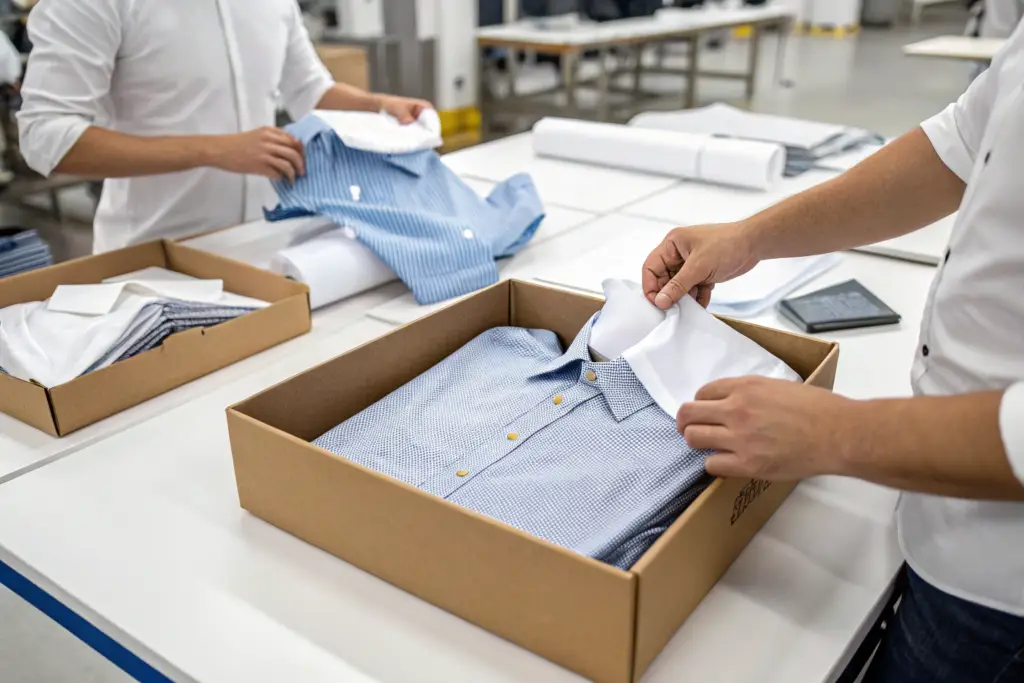
A long journey in a box from Shanghai to New York can create new wrinkles. But proper folding techniques minimize this. It is not just about making the garment small enough to fit. It is about folding along natural seam lines and using materials that reduce friction and pressure.
We train our packing team on the best folding methods for different garment types. For a structured blazer, we use specific techniques like turning the shoulders inward and using shoulder pads or tissue paper to maintain the shape. For delicate knitwear, we fold it in a way that avoids sharp creases that can become permanent. We also use acid-free tissue paper between folds for high-end items to prevent color transfer and reduce friction. This careful process means that when your customer unboxes the garment, it requires minimal touch-up and looks as close to how it looked in our factory as possible. This attention to logistics and packaging protects the work we did in finishing.
What Packaging Details Signal Premium Quality To Your Customer?
The unboxing experience is a real marketing moment. It is the first physical interaction your customer has with your brand. We help you make it special. It is not just about a box. It is about the presentation.
We can work with you on custom packaging solutions. Maybe you want your garment wrapped in a custom-printed tissue paper. Maybe you want a branded hang tag attached with a specific, high-quality string. Maybe you want a sticker seal on the poly bag. These details might seem small, but they add up. When a customer receives a garment that is carefully folded, wrapped in nice paper, and placed in a sturdy box, they perceive higher value. They feel they have bought something special. At Shanghai Fumao, we are happy to execute these details with precision. We understand that the package is part of the product. We can even advise on sustainable packaging options that align with modern brand values. These finishing touches are the final brushstroke on the masterpiece you have created.
How Can A Factory's Finishing Expertise Speed Up Your Time To Market?
Time is money in the fashion business. A delay of a week can mean a missed selling window. The finishing stage is often a bottleneck in less organized factories. If the ironing is slow or if garments have to be re-finished due to poor quality, the entire shipment is held up.
How Does An Efficient Finishing Line Prevent Shipping Bottlenecks?
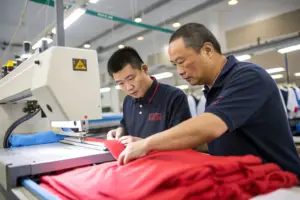
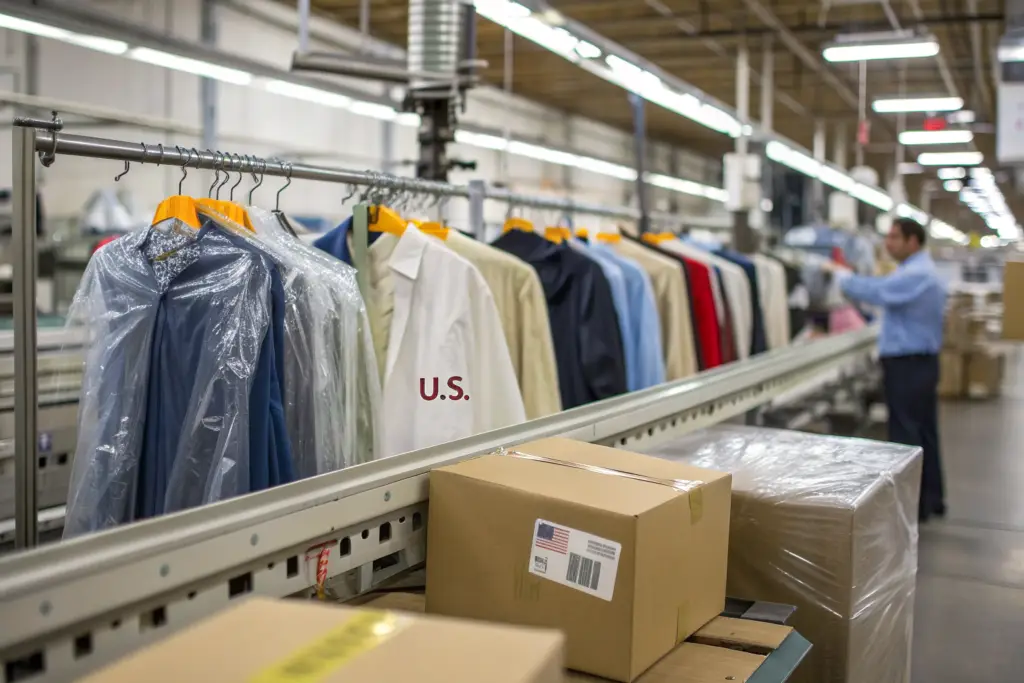
Our finishing department is designed for speed and precision. It is not an afterthought. It is a well-organized line. Garments come in from sewing in batches. They are immediately inspected for any issues. Then they move to the appropriate finishing station.
We have different stations for different tasks. One station might be for final pressing of bodies. Another for collars and cuffs. Another for steaming delicate items. This specialization means our team becomes incredibly fast and efficient at their specific task. We have also invested in modern finishing equipment that heats up quickly and provides consistent results. This efficiency means we can process large orders quickly without sacrificing quality. When your production is complete, it flows through finishing smoothly and gets to the shipping dock fast. This reliability in the final stage is crucial for meeting your deadlines. You can trust that the last step will not be the one that makes you late. Our production planning accounts for finishing time as a critical part of the schedule.
What Happens When The Final Stage Is Rushed Or Unskilled?
The opposite of our approach is what happens in many low-cost factories. Finishing is rushed. Workers are untrained. They use the wrong tools. The results are disastrous for the brand.
I have seen shipments where the finishers used too much steam on a delicate fabric, causing water spots that ruined the look. I have seen shirts where the collars were pressed with a crease in the wrong place, making them look misshapen. I have seen garments that were packed so quickly and carelessly that they arrived at the store looking like they had been worn already. Fixing these problems takes time. The factory has to re-work the garments, or you have to accept a sub-standard product and hope your customers do not notice. They will notice. A rushed, unskilled finish tells the world that your brand does not care about the details. At Shanghai Fumao, we refuse to rush this step. We give our finishing team the time and tools they need to do the job right the first time. This commitment protects your timeline and your reputation. Contact our Business Director, Elaine, at elaine@fumaoclothing.com to ensure your next collection is presented perfectly.
Conclusion
The impact of skilled ironing and finishing is easy to miss if you have never seen the difference it makes. It is the difference between a garment that looks like a piece of fabric sewn together and a garment that looks like a desirable product. It is the difference between a customer who feels indifferent and a customer who feels excited. It is the difference between a return and a repeat purchase.
At Shanghai Fumao, we have built a team of experts who understand this final stage intimately. They know that their work is the last impression the factory makes and the first impression your customer receives. They take that responsibility seriously. We invite you to partner with a manufacturer who values the finish as much as the start. Let us show you how our attention to the final details can elevate your brand and delight your customers. Please contact our Business Director, Elaine, at elaine@fumaoclothing.com to discuss your next project.