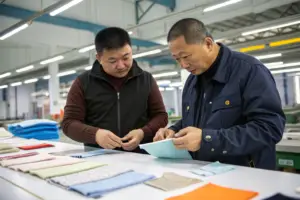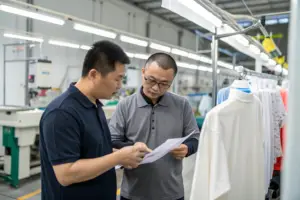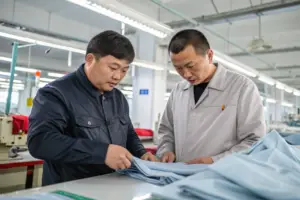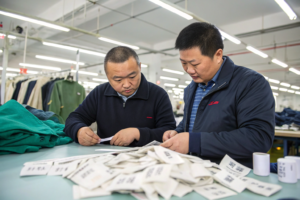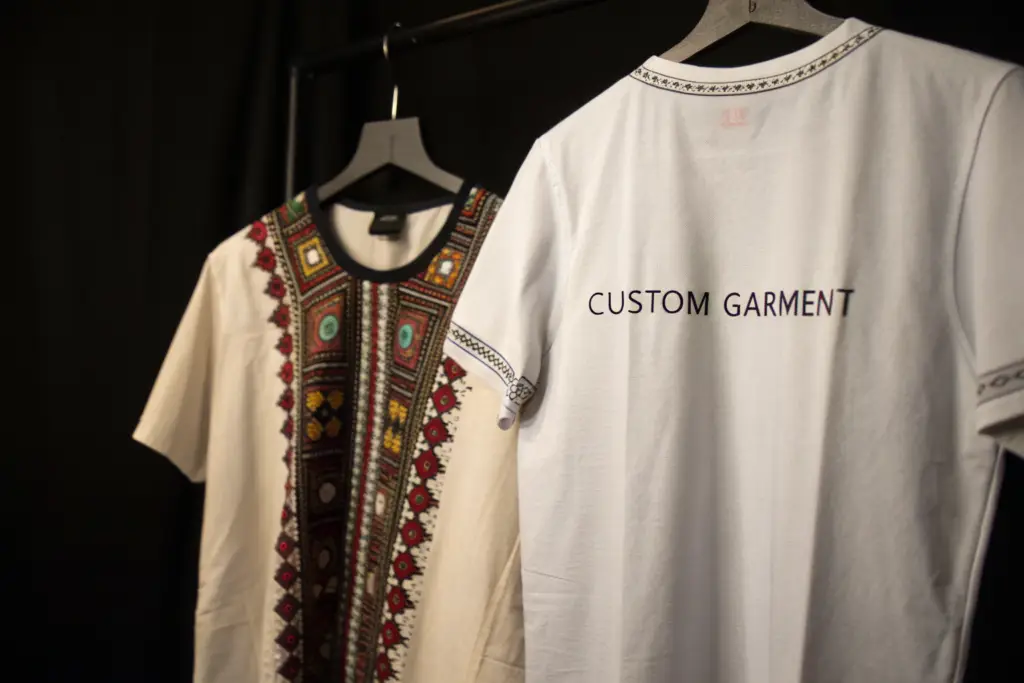
I remember a conversation that frustrated me deeply. It was about five years ago, and a potential client from New York was explaining why he was hesitant to work with Chinese factories. He had ordered what he thought was a custom private label collection from a supplier he found online. He sent them his designs, his logos, his specifications. What arrived was different. The garments were basic stock items from their catalog. They had simply printed his logo on the front and called it "custom." The fit was wrong. The fabric was not what he specified. The trims were cheap. He had to sell the whole collection at a discount. His brand took a hit. He felt betrayed.
The answer is simple but crucial: true customization means the garment is built for you from the ground up. It means the pattern is made to your specifications. The fabric is sourced to your standards. The trims are selected for your design. The construction methods match your quality requirements. A basic logo print on a stock garment is not customization. It is just marketing. The difference is the difference between building your own brand and renting someone else's.
That New York client eventually found us. He was skeptical at first, and I understood why. We had to prove that real customization was possible. We started with a small order of fully custom shirts. We developed the pattern from scratch. We sourced the exact fabric he wanted. We created custom buttons with his logo. When the shipment arrived, he called me. His voice was different this time. He said, "This is what I imagined. This is my brand." That is the power of true customization. Let me walk you through what it really means and how to make sure you are getting it.
What Does True Garment Customization Actually Include?
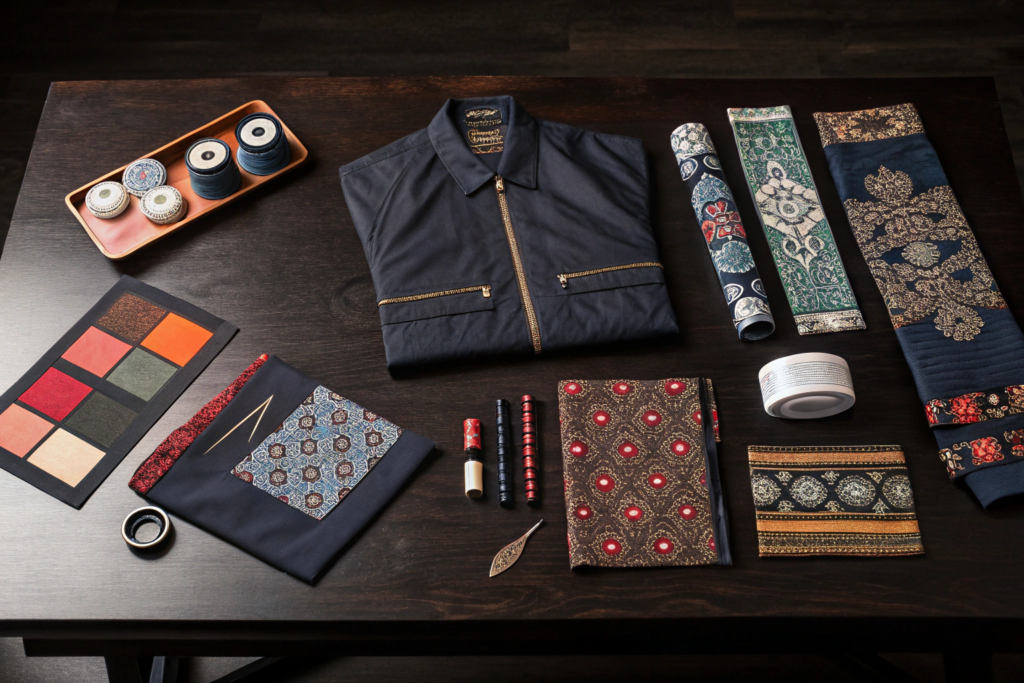
True customization is not a single thing. It is a collection of choices, all working together to create a garment that is uniquely yours. Each element can be customized to different degrees. Understanding these elements helps you know what to ask for and what to expect from your supplier.
How Is Pattern Customization Different From Using Stock Blocks?
Pattern customization is the foundation. A stock block is a generic pattern that a factory already has. It is based on average measurements and standard proportions. Using a stock block is fast and cheap. But it means your garment will fit like everyone else's.
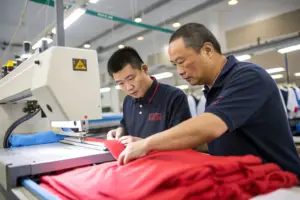
True pattern customization starts from your specifications. You provide measurements, fit preferences, and design details. Our pattern makers create a new pattern from scratch, or modify an existing one to your exact requirements. We consider your target customer's body type. We adjust for the specific fabric you choose. We test the pattern with fit samples and make adjustments until it is perfect.
A client in Chicago came to us after years of using stock blocks from various suppliers. Her brand had a loyal following, but customers complained that the fit was inconsistent. Sometimes a medium was perfect. Sometimes it was boxy. We created custom patterns for her entire line based on her best-selling samples and her customer feedback. The first production run had almost no fit-related returns. Her customers noticed the improvement. That is the power of custom patterns. You can learn about pattern making standards from organizations like ASTM International, which publishes guidelines for apparel sizing and fit.
What Does Fabric Customization Really Mean?
Fabric customization is another level. Many suppliers will show you a selection of fabrics they already stock. You choose one, and they call it custom because you selected it. But true fabric customization goes deeper.
It can mean selecting from a mill's full range, not just the factory's inventory. It can mean custom dyeing a specific color just for you. It can mean developing a unique fabric construction with a specific weight, weave, and finish. It can even mean exclusive fabrics that no one else can use.
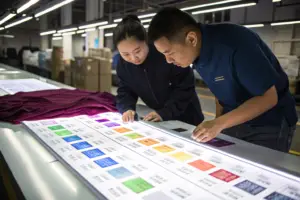
At Shanghai Fumao, we work directly with mills to offer these options. A client in Los Angeles wanted a specific shade of olive green for their cargo pants. It was not a standard color. We worked with our mill to custom dye the fabric. The color matched their brand identity perfectly. Another client in Boston wanted a heavier weight jersey than anything available in the market. We worked with a mill to develop a custom knit construction. The resulting fabric became a signature element of their brand. That is real customization. Resources from Textile Exchange can help you understand the possibilities in fabric development.
How Far Can You Go With Trim And Detail Customization?
Trims are the details customers notice subconsciously. Buttons, zippers, labels, hang tags, threads—all can be customized. Basic customization means choosing from the factory's existing trim selection. True customization means creating something unique.
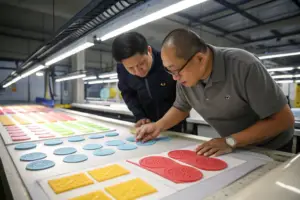
Custom buttons can be made in your brand colors, with your logo, in unique shapes. Zippers can have custom pulls. Labels can be woven with your branding in specific fonts and colors. Even the thread color can be matched precisely to your Pantone specifications.
I remember a client from Miami who wanted mother-of-pearl buttons for their premium linen shirts. But they wanted them in a specific size and with a unique engraving. Most factories would have said no. It was too complicated. We sourced a supplier who could do it. The buttons were expensive, but they elevated the whole garment. Customers noticed. The shirts became a signature item. That level of detail is what separates true customization from basic logo printing. Suppliers like Riri for zippers and Cobrax for buttons offer extensive customization options for brands that want something special.
Why Do Some Suppliers Offer Only "Fake" Customization?
Not all suppliers are honest about what customization means. Some use the word loosely to attract buyers who want something unique. But their business model is built on volume and speed, not true customization. Understanding their motivations helps you spot the difference.

What Is The Business Model Behind Catalog-Based "Custom" Suppliers?
Catalog-based suppliers have a simple business model. They keep large inventories of blank garments in basic styles and colors. When you place an order, they pull the blanks from inventory and print your logo on them. That is it. The garment itself is not custom. It is stock.
This model is fast and cheap. They can ship quickly because the garments are already made. They can offer low prices because they buy fabric and trim in huge volumes. But you are not building a brand. You are just putting your name on someone else's product.
I have seen brands fail because of this. They launch with great marketing, but the product does not deliver. Customers buy once, feel disappointed, and never return. The brand spends more and more on marketing to acquire new customers because they cannot retain anyone. It is a losing game. The only winners are the catalog suppliers who sell the same blank garments to dozens of competing brands. You can read about the limitations of this model in publications like Sourcing Journal, which often covers the difference between true customization and "private label lite."
Why Do Factories Resist True Customization?
True customization is harder than stock production. It requires more time in development. It requires more communication. It requires more flexibility in sourcing. It requires more skilled workers who can handle variation. Many factories simply do not want the hassle.
They prefer long runs of the same thing. It is easier to manage. It is more profitable per hour of labor. They will say yes to customization, but then they will push you toward their stock options. They will tell you your custom fabric choice is not available. They will say your custom button will take too long. They will subtly steer you toward what is easy for them.
At Shanghai Fumao, we made a different choice. We built our business around customization. Our five production lines are designed to handle variety. Our sourcing team enjoys the challenge of finding unique materials. Our pattern makers love creating something new. We know that true customization is harder, but we also know it is the only way to build real brands. A client in Denver told me recently that other factories always made him feel like a nuisance. We made him feel like a partner. That is the difference.
How Can You Verify You Are Getting True Customization?
Words are cheap. Any supplier can claim to offer customization. But you need proof. You need evidence that the garment is truly being built for you, not just pulled from a shelf. Asking the right questions and reviewing the right documents protects you from disappointment.
What Documents Should You Request To Confirm Custom Development?
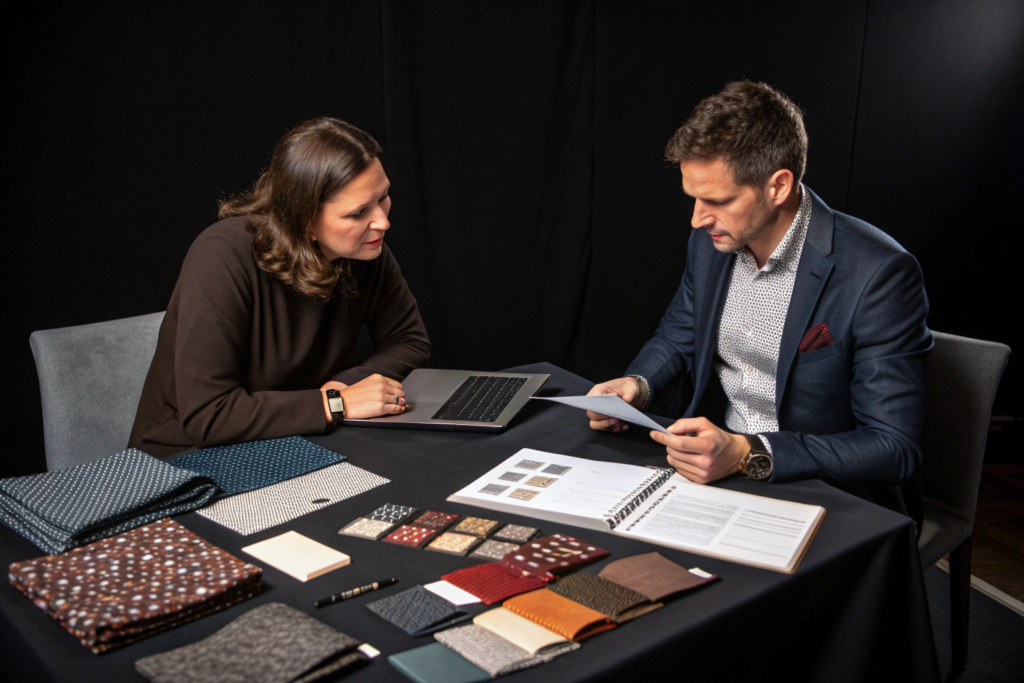
Start with the tech pack. A true custom garment starts with a tech pack that you provide or that the factory develops with you. It should include detailed specifications for every element: pattern measurements, fabric requirements, trim details, construction methods. If the factory cannot show you a tech pack for your garment, it is probably stock.
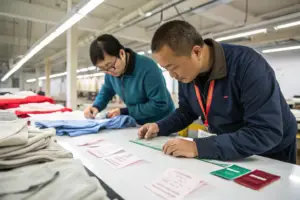
Ask for development samples. A true custom process includes multiple sample stages: development sample, fit sample, production sample. Each sample should be made specifically for you, with your materials and your specifications. If the factory sends you a sample that looks like your design but says "we already had this pattern," be suspicious.
Ask about fabric sourcing. Where is the fabric coming from? Is it from a mill you selected? Is it a stock fabric the factory already has? True customization often involves sourcing materials specifically for your order. The factory should be able to tell you the mill name, the fabric composition, and the lead time.
Ask about minimums. True customization usually has higher minimum quantities because the factory needs to order materials and set up production specifically for you. If a factory offers unlimited customization with no minimums, they are probably using stock garments. I learned this lesson from a client in Texas who was burned by a supplier offering "full customization" with 50-piece minimums. What they got was stock garments with printed logos. The Federal Trade Commission has guidelines on truth in advertising that can help you understand what claims suppliers should be able to back up.
What Should You Look For During A Factory Visit Or Virtual Tour?
If you visit the factory, or take a virtual tour, look for evidence of customization. Do you see rolls of fabric with different colors and compositions? Do you see bins of different trims? Do you see pattern-making equipment and sample rooms? Or do you see rows of identical blank garments waiting for logos?
Ask to see the cutting room. Are they cutting fabric specifically for your order, or are they pulling pre-cut pieces from inventory? Ask to see the trim inventory. Do they have a variety of buttons and zippers, or just a few standard options? Ask to meet the pattern makers. Can they show you patterns they have developed for other clients?
A client in Boston took a virtual tour with us last year. He asked to see our fabric library. We showed him rolls of materials from dozens of mills. He asked about our pattern department. We introduced him to Mr. Chen, our senior pattern maker. He asked about our trim sourcing. We showed him catalogs from multiple suppliers. After the tour, he said, "Now I understand the difference." He placed his first custom order with us, and it was the start of a strong partnership. Organizations like QIMA offer factory audit services that can verify a supplier's capabilities, but a thoughtful tour can tell you a lot.
Conclusion
The difference between true customization and basic logo printing is the difference between building a brand and just selling clothes. True customization gives you control over every element: the fit, the fabric, the trims, the construction. It creates garments that are uniquely yours, that your customers cannot find anywhere else. It builds brand loyalty and justifies premium prices. Basic logo printing gives you none of that. It makes you interchangeable with every other brand using the same stock garments.
At Shanghai Fumao, we believe in true customization. We have built our entire operation around it. Our pattern makers, our sourcing team, our production lines—all are designed to turn your vision into reality, not to sell you stock garments with your name on them.
If you are ready to build something real, something unique, something that is truly your brand, let's talk. Contact our Business Director, Elaine, at elaine@fumaoclothing.com. She can walk you through our customization process and show you how we help brands like yours create garments that stand out and sell out.