I remember a conversation that changed how I think about quality. It was about seven years ago, and a client from Boston was launching his first private label collection. He had spent months on the designs. He had sourced beautiful fabric. He had approved every sample personally. The shipment arrived, and he was happy. But three months later, he called me with a problem. The shirts were selling well, but customers were complaining about the care instructions. The labels said "machine wash cold," but the fabric was shrinking when customers followed those instructions. The quality of the garment was fine. The quality of the information on the label was not. That small detail was damaging his brand.
The true meaning of quality in private label clothing goes far beyond the fabric or the stitching. Real quality means every single element of the garment meets your brand's specific standards and your customers' expectations. It means the fit is consistent across all sizes. It means the colors match your brand identity exactly. It means the labels say what they should, and the care instructions actually work. Quality is not a single thing. It is everything, working together, to create a product that builds trust in your brand.
That Boston client taught me that private label is different from just buying generic clothes. When your name is on the label, everything matters. Every thread, every button, every stitch reflects on you. At Shanghai Fumao, we have worked with hundreds of private label brands. We have learned what quality really means to them. Let me walk you through the true dimensions of quality in private label clothing.
How Does Fabric Quality Define The Foundation Of Your Brand?
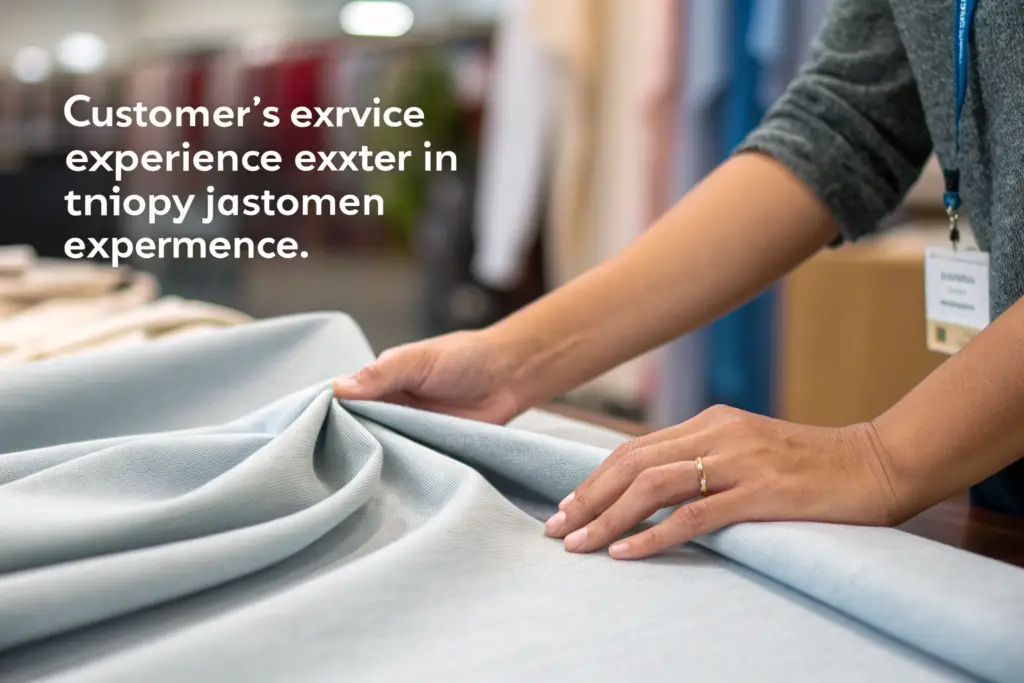
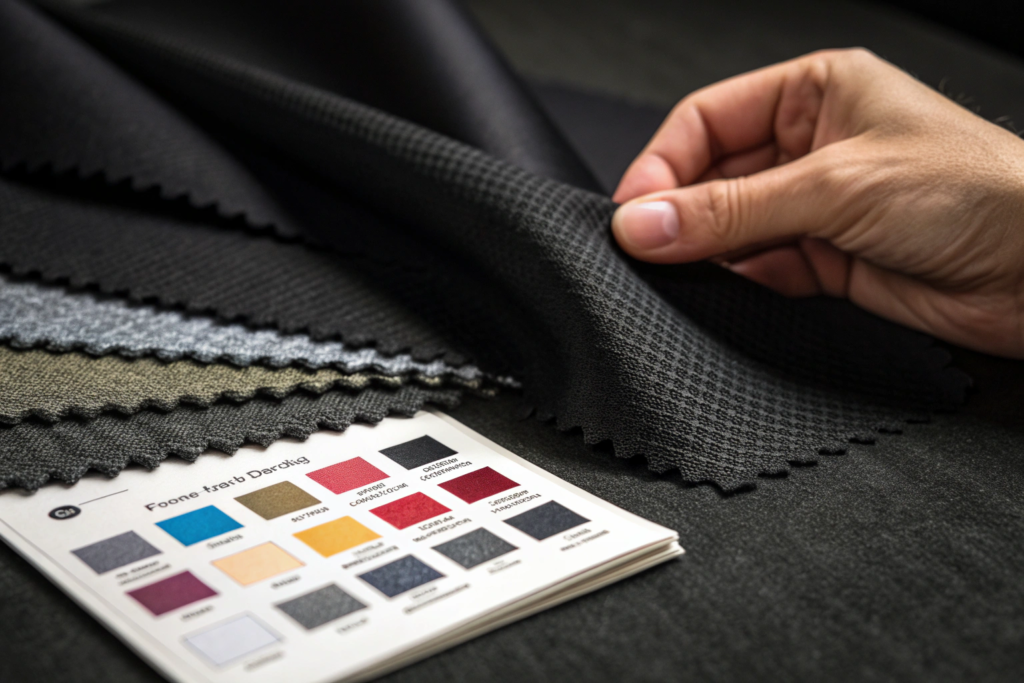
Fabric is the first thing your customer feels. Before they see the stitching, before they check the fit, they touch the fabric. That tactile experience creates an instant impression. Soft and substantial says quality. Thin and scratchy says cheap. The fabric you choose sends a message about your brand before anything else.
What Fabric Properties Matter Most For Customer Satisfaction?
Different garments need different fabric properties. A summer t-shirt needs breathability. A winter sweater needs warmth and softness. Workout clothes need stretch and moisture management. The right fabric for your specific product is the foundation of quality.
But there are universal properties that matter for almost everything. Durability is one. Will the fabric hold up after ten washes? Colorfastness is another. Will the dye run or fade? Pilling resistance matters for knits. No one wants a sweater that looks old after two wears. Shrinkage is critical. A shirt that shrinks two sizes after washing is a disaster for customer satisfaction.
We test every fabric we use for these properties. We send samples to independent labs. We get data on tensile strength, tear strength, colorfastness, and shrinkage. We share this data with our clients. A client in Denver last year was choosing between two similar cottons for their private label t-shirts. One was slightly cheaper. But our tests showed it would pill after five washes. The other cost a few cents more but tested significantly better. They chose the better fabric. Their customers noticed. Their return rate dropped. That is the value of real fabric data. You can learn about fabric testing standards from organizations like ASTM International, which publishes the methods we use.
How Do You Match Fabric To Your Brand's Price Point And Promise?
Quality is not about using the most expensive fabric possible. It is about using the right fabric for your price point and your brand promise. If you sell affordable basics, your customers expect decent quality at a fair price. If you sell premium luxury, your customers expect something special.
The key is consistency. Your fabric must deliver on the promise your brand makes. If your marketing says "incredibly soft," the fabric must feel soft. If your labels say "premium quality," the fabric must perform. This alignment between promise and reality is what builds trust. A client in Miami learned this the hard way. Their marketing emphasized "luxury feel," but they chose a fabric that was only mid-grade to save money. Customers felt the disconnect. Reviews mentioned the fabric did not feel as premium as advertised. They switched to a higher-quality fabric for their next season, and their reviews improved immediately. The Better Business Bureau and other consumer protection organizations emphasize that truth in advertising includes the actual quality of your product.
Why Is Fit Consistency A Critical Component Of Private Label Quality?
Fit is personal. When a customer buys a garment and it fits perfectly, they feel good. They feel like the brand understands them. When a garment fits badly, they feel frustrated. They return it. They might not buy from you again. Fit consistency across your entire size range is one of the hardest things to achieve in private label manufacturing.
How Do You Ensure Consistent Fit Across All Sizes?
Consistent fit starts with great pattern grading. As I explained in a previous article, grading is not just making everything bigger or smaller. It is adjusting proportions based on how bodies actually change with size. A size 16 woman does not have the same proportions as a size 2 woman scaled up. Her shoulders might be proportionally narrower. Her bust might be proportionally larger.
Professional grade rules account for these variations. They specify exactly how much to add or subtract at each point on the pattern. At Shanghai Fumao, we use grade rules developed over decades of experience. We test our graded patterns by making samples in multiple sizes. We put them on real fit models. We adjust until every size fits the way it should. This process takes time, but it is essential. A client in Chicago came to us after their previous supplier's garments had terrible size consistency. Their size small was great, but their size large was boxy and unflattering. We re-graded their entire line. Their return rate dropped by half. You can find resources on grading standards from organizations like Alvanon, which specializes in body measurement data and fit optimization.
What Happens When Fit Varies Between Production Runs?
Fit consistency is not just about one order. It is about consistency over time. Your customers expect that the large t-shirt they buy this year will fit the same as the large t-shirt they bought last year. If your factory changes the pattern, even slightly, you break that trust.
This is why we store every pattern digitally. When a client reorders a style, we pull up the exact digital file. We do not redraft. We do not reinterpret. We use the same data. The first piece cut this year is identical to the first piece cut last year. This consistency protects your brand. Your customers learn that your sizes are reliable. They can order online with confidence. A client in Texas who reorders the same basic styles every season told me this is the main reason they stay with us. Their customers know the fit. They do not get returns. That predictability is worth more than a small price difference. The National Retail Federation publishes studies showing that fit consistency is one of the top factors driving customer loyalty in apparel.
What Role Do Trims And Details Play In Perceived Quality?
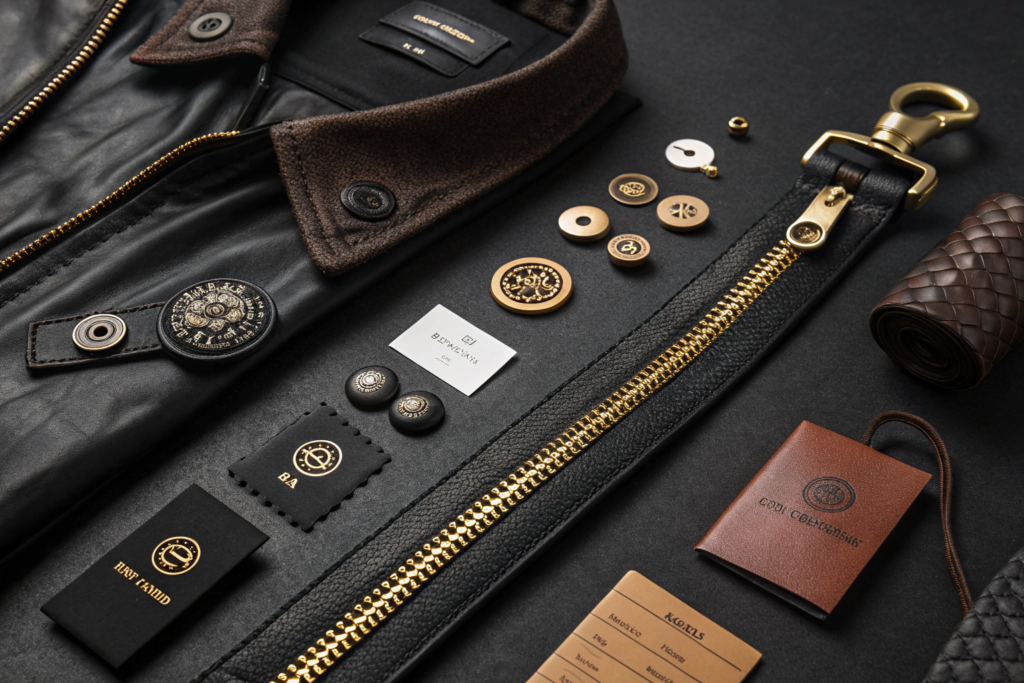
Customers may not consciously notice buttons and zippers. But they notice when they are bad. A zipper that sticks feels cheap. A button that falls off after one wear is infuriating. These small details have an outsized impact on how customers perceive your brand. They are the difference between a garment that feels "expensive" and one that feels "cheap."
How Do Buttons, Zippers, And Labels Affect Brand Perception?
Think about the last time you wore a shirt with a cheap button. It might have been thin plastic. It might have had sharp edges. It might have felt loose. You probably did not think "the button is cheap." You thought "this shirt is cheap." That one detail colored your entire perception.
Quality trims do the opposite. A smooth, substantial button feels good. A zipper that glides easily feels satisfying. A woven label with clean edges feels professional. These details signal that the brand cares about everything. At Shanghai Fumao, we help our clients source trims that match their quality goals. For a premium brand, we might recommend custom dies or shells or genuine mother-of-pearl buttons. For a mid-range brand, we find high-quality plastic buttons that look and feel substantial. The key is intentionality. Choose trims that support your brand positioning. Do not just take whatever is cheapest. Suppliers like Riri for zippers and Cobrax for buttons offer a range of quality levels, and we work with them to find the right match for each client.
Why Should Care Labels And Packaging Match Your Quality Standards?
This is the lesson my Boston client taught me. The care label is part of your product. If the information on it is wrong, your quality promise is broken. Customers will follow those instructions. If the garment is damaged, they blame you, not the label.
Care labels must be accurate. They must be based on actual testing of your specific fabric and construction. Do not guess. Do not copy from another garment. Test your garment. See how it behaves in the wash. Then print the label. The same applies to packaging. A beautiful garment thrown into a flimsy poly bag feels cheap. A garment carefully folded, wrapped in tissue, and placed in a sturdy bag feels special. The unboxing experience is part of the quality perception. A client in Los Angeles invested in custom printed boxes for their private label line. The cost was small, but the impact was huge. Customers posted photos of the boxes on social media. That free marketing was worth far more than the box cost. You can learn about labeling regulations from the Federal Trade Commission, which sets rules for care labels and fiber content disclosure in the United States.
Conclusion
Quality in private label clothing is not a single thing you can check off a list. It is a web of interconnected elements, all working together. Fabric that feels good and performs well. Fit that is consistent and flattering across all sizes. Trims that feel substantial and work reliably. Labels and packaging that deliver on your promises. When all these elements align, your customers feel it. They trust your brand. They come back for more. When any element fails, that trust is damaged.
At Shanghai Fumao, we understand that your name is on every garment we make. We treat that responsibility seriously. We test fabrics. We perfect patterns. We source quality trims. We verify care instructions. We do all of this because your success is our success.
If you are building a private label brand and you want a partner who understands what true quality means, let's talk. Contact our Business Director, Elaine, at elaine@fumaoclothing.com. She can discuss your specific quality requirements and show you how we help brands like yours deliver on their promises, every single time.