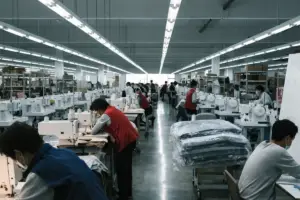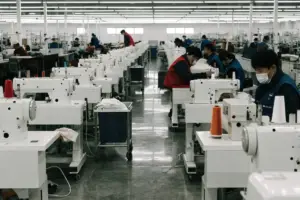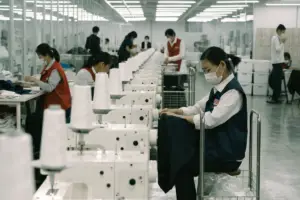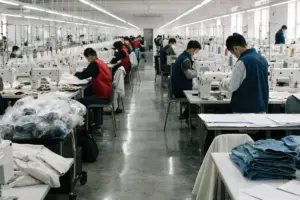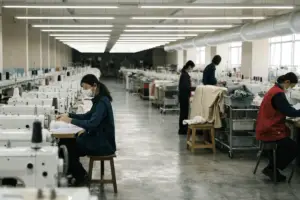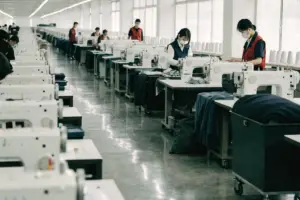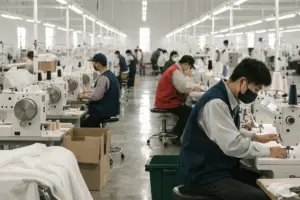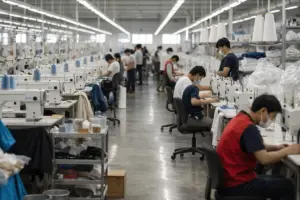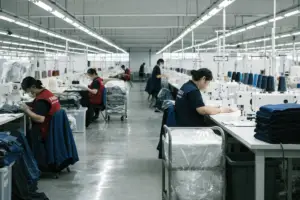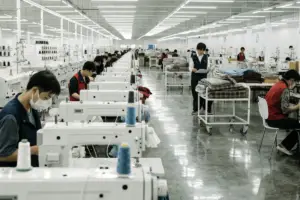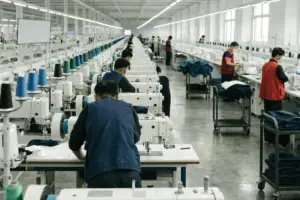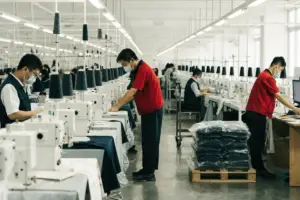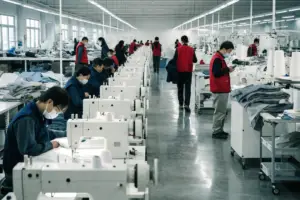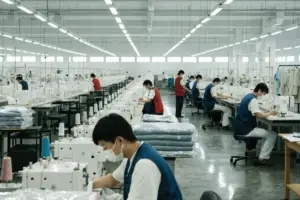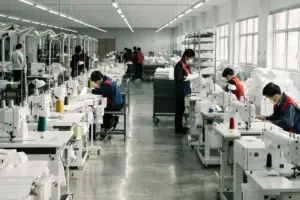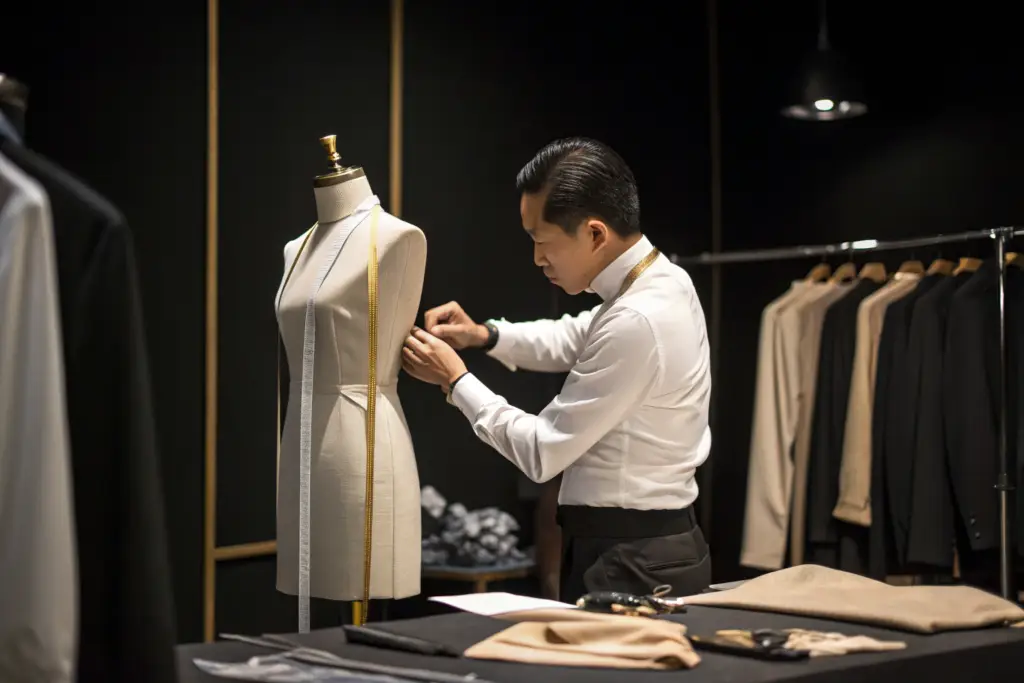
I remember the day a French luxury brand walked into our factory. It was about seven years ago. The creative director was skeptical. He told me frankly that he did not believe a Chinese factory could meet their standards. Their brand was over a hundred years old. Their garments were sold in Paris and Milan for thousands of dollars. He had been burned before by suppliers who promised luxury quality but delivered mass-market mediocrity. I did not try to convince him with words. I took him to our sampling room and introduced him to Madame Li, our head of luxury production. She had trained in Italy for three years and had been with us for over a decade. She showed him our stitch density controls, our hand-finishing stations, and our fabric inspection protocols. He spent four hours in our factory. By the end of the day, he placed a trial order for 500 pieces. That order turned into a partnership that continues to this day.
The short answer is yes, absolutely. A Chinese factory can deliver European luxury standards, but only if they have made the specific investments in equipment, training, and processes that luxury production demands. It is not automatic. It requires a different mindset, different skills, and different quality controls than mass-market production. But when you find the right partner, China offers advantages in speed, flexibility, and value that even European factories cannot match.
That French brand taught me something important. Luxury is not about geography. It is about obsession with detail. It is about having craftspeople who care as much about a hidden seam as an exposed one. At Shanghai Fumao, we built a dedicated luxury division specifically to serve clients who demand the very best. Let me walk you through what it really takes to meet those standards.
What Specific Investments Separate Luxury Factories From Mass-Market Producers?
Walking into a mass-market factory, you see speed. Machines run fast. Workers move quickly. Output is measured in pieces per hour. Walking into a luxury factory, you see something different. You see patience. You see inspection. You see hands doing work that machines cannot do. The difference is not accidental. It comes from specific investments that most factories are not willing to make.
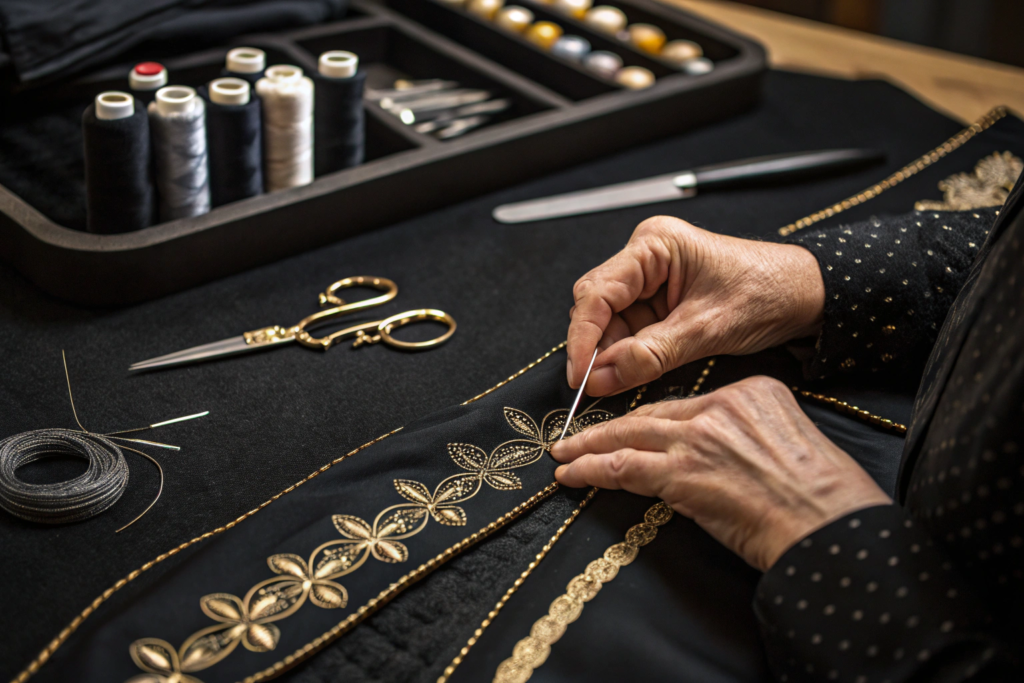
How Does Hand-Finishing Separate True Luxury From Ready-To-Wear?
Machine stitching is consistent and fast. But it has limits. There are things a machine cannot do well. Setting a sleeve on a structured jacket often requires hand stitching to allow for natural movement. Buttonholes on a couture coat are often hand-finished for durability and elegance. Hems on luxury trousers are often hand-stitched to create an invisible finish.
These hand-finishing skills take years to develop. You cannot train someone in a week. Madame Li, who leads our luxury team, spent five years as an apprentice before she was allowed to work on final garments. She now trains every new member of her team personally. They start with simple tasks and progress only when they prove mastery. This investment in human skill is expensive. It slows down production. But it is the only way to achieve the subtle perfection that luxury customers expect. You can learn about traditional hand-finishing techniques from institutions like Les Arts Decoratifs in Paris, which preserves and teaches these crafts. At Shanghai Fumao, we have built our own training program based on these European standards.
What Equipment Is Essential For Luxury Fabric Handling?
Luxury fabrics are different. They are more delicate. They are more expensive. They require specialized machines that handle them with care. A standard industrial sewing machine might snag a fine silk or stretch a delicate cashmere beyond repair.
Luxury factories invest in machines with specific features: lower presser foot pressure, alternative feed mechanisms, and specialized needle systems. For example, we use machines with "walking feet" that feed the fabric from both top and bottom, preventing the layers from shifting. We use ultra-fine needles that do not leave visible puncture holes in delicate silks. We have steam stations that shape fabrics without crushing them. These machines cost two to three times more than standard equipment. But they are essential for working with the high-end materials that luxury brands demand. Suppliers like Juki and Dürkopp Adler offer specialized lines for luxury production, and we have equipped our luxury floor exclusively with these advanced models.
How Do Quality Control Standards Differ For Luxury Goods?
Quality control for mass-market goods is about catching obvious defects. Is there a hole? Is the seam straight? Is the color right? Luxury quality control is about a different level of scrutiny. It is about perfection in places no one will ever see. It is about consistency that is almost invisible to the naked eye. This requires different standards and different processes.
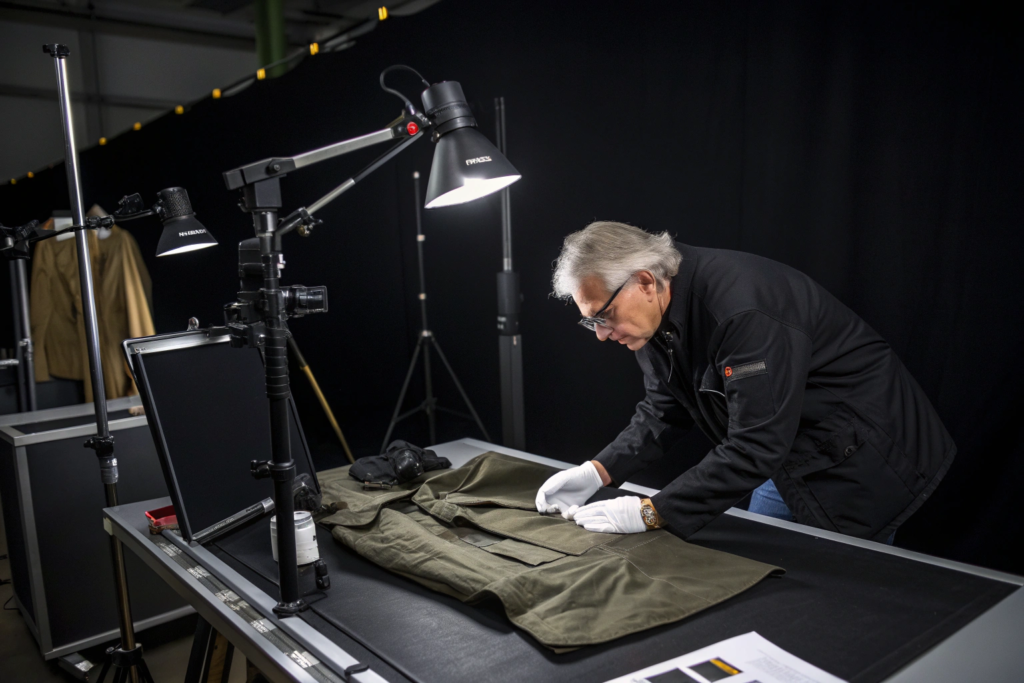
What Is The Difference Between AQL 1.0 And AQL 2.5 In Practice?
AQL, or Acceptable Quality Level, is the standard for inspections. AQL 2.5 is common for mass-market goods. It allows a certain small percentage of minor defects. AQL 1.0 is much stricter. It allows fewer than half as many defects. For luxury brands, we often work at AQL 1.0 or even tighter standards developed specifically for that client.
What does this mean on the factory floor? It means more inspectors. It means slower inspections. It means rejecting garments that another factory might pass. A tiny pull thread that would be ignored in a mass-market tee is a reject in a luxury sweater. A slight variation in shade that is invisible in normal light is flagged under the multiple light sources we use. I remember a shipment for a Swiss brand where we rejected 15% of a batch because of a subtle pilling issue that only appeared after a specific abrasion test. The client thanked us. They said another factory would have shipped it, and their customers would have complained. That level of rigor builds trust that lasts for decades. You can read more about AQL standards from organizations like ASQ, which provides detailed guides on acceptable quality levels for different product categories.
Why Do Luxury Brands Require Individual Piece Inspection?
Mass-market inspection often works on a sampling basis. Inspect a certain percentage of pieces, and if the sample passes, the whole batch is considered acceptable. Luxury brands rarely accept this. They often require 100% inspection. Every single garment is checked before it is packed.
This is time-consuming and expensive. But for a brand selling $1,000 dresses, one defective piece reaching a customer can damage the brand’s reputation significantly. That customer might be a celebrity or an influencer. Their complaint might go viral. The cost of that one bad review far outweighs the cost of inspecting every piece. At Shanghai Fumao, we have dedicated teams for 100% inspection on luxury orders. They work in a separate area with perfect lighting. They check inside and out. They measure every key point. They photograph any anomaly for the client’s review. This process gives our luxury clients total confidence that what leaves our factory is perfect. The American Apparel & Footwear Association has resources on different inspection levels, but the move to 100% inspection is a decision that comes from understanding your brand’s risk tolerance.
What Supply Chain Advantages Does China Offer Luxury Brands?
Some people assume that if you want European luxury, you must manufacture in Europe. But this ignores the reality of the modern supply chain. Many of the materials used in European luxury actually come from Asia. The cashmere comes from Mongolia. The silks come from China. The fine cottons come from China and India. Manufacturing closer to these sources offers real advantages.
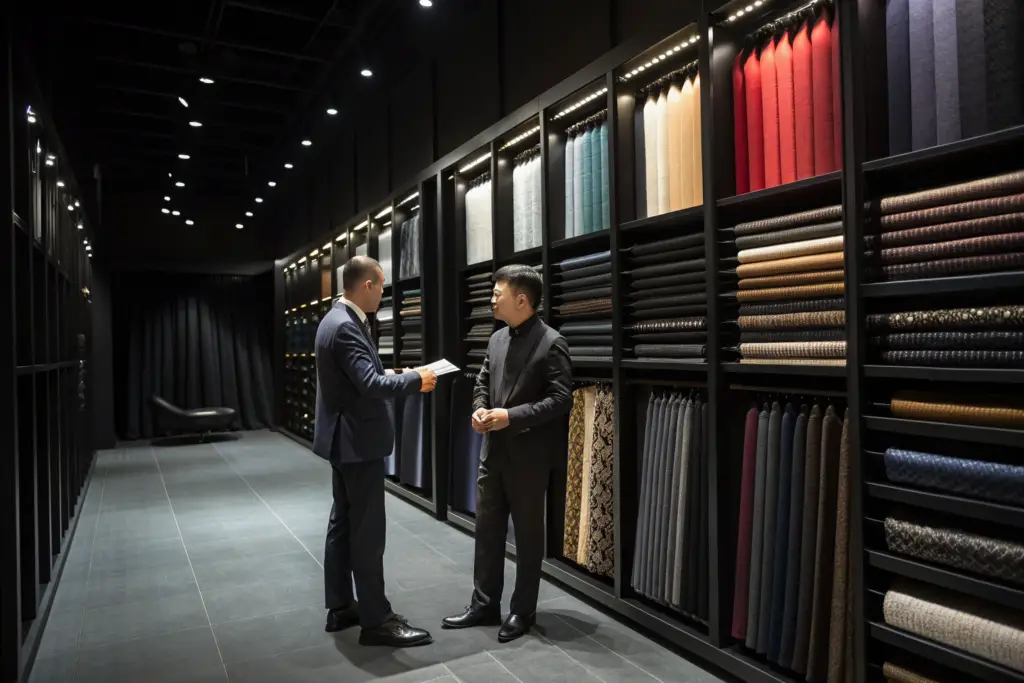
How Does Proximity To Raw Materials Benefit Quality And Speed?
When your factory is close to the source of your raw materials, you have more control. You can visit the mills yourself. You can select the exact lots of cashmere or silk you want. You can inspect the goods before they ship. If there is a problem with a fabric, you can resolve it in days, not weeks.
We work directly with some of the best cashmere mills in Inner Mongolia. Our luxury clients can come with us to select their fibers at the source. This is simply not possible when manufacturing in Europe, where most raw materials are imported from Asia anyway. The supply chain becomes longer and more complex. Last year, a client from London needed a specific shade of camel hair for a winter collection. We took them to our partner mill, they selected the exact dye lot on the spot, and we had the fabric in our factory within a week. That speed and control is a competitive advantage that China offers. Organizations like The Cashmere and Camel Hair Manufacturers Institute provide standards and sourcing information that help buyers navigate this market.
Can Chinese Factories Access The Same European Trims And Components?
Luxury is in the details. The buttons, the zippers, the interlinings—all these components must meet the same high standards as the fabric. A common concern is whether Chinese factories can source the same high-end European trims that luxury brands expect.
The answer is yes. We have long-standing relationships with suppliers like Riri for zippers and Cobrax for buttons. These European suppliers have distribution networks in Asia specifically to serve factories like ours. We stock their components for our luxury clients. We also work with top Asian suppliers who have achieved the same quality levels. The key is transparency. We show our clients the catalogs, the certifications, and the samples. They choose the components they want, and we source them. One client from Milan was surprised to find we had a larger inventory of their preferred Italian buttons than their previous Italian contractor. This is the reality of global supply chains today. The best materials are available everywhere for factories that invest in the right relationships.
Conclusion
The question of whether a Chinese factory can deliver European luxury standards is really a question about the factory itself. Geography does not determine quality. Investment, training, and obsession with detail determine quality. There are factories in China that produce goods worthy of the most prestigious fashion houses. There are craftspeople in China whose skills rival the best ateliers in Paris and Milan. The key is finding them.
At Shanghai Fumao, we made a conscious decision years ago to build a luxury capability. We invested in the equipment. We invested in the training. We built relationships with the best material suppliers. We created a separate production floor with different standards and different processes. We did this because we believe that luxury is not about where you make something. It is about how much you care about making it perfectly.
If you are a luxury brand looking for a manufacturing partner who shares your obsession with quality, let’s talk. Contact our Business Director, Elaine, at elaine@fumaoclothing.com. She can arrange a virtual tour of our luxury floor and introduce you to Madame Li and her team. Let us show you what Chinese craftsmanship can really achieve.