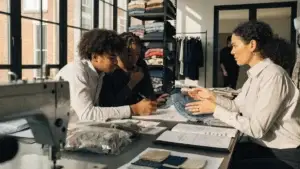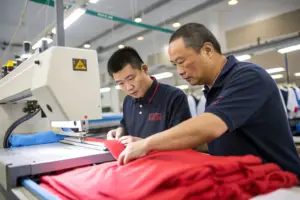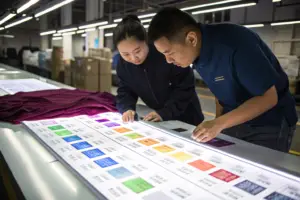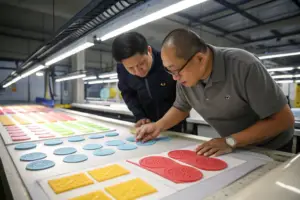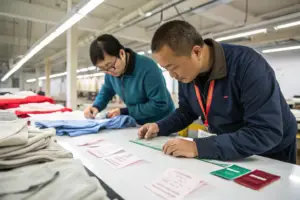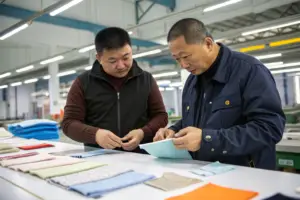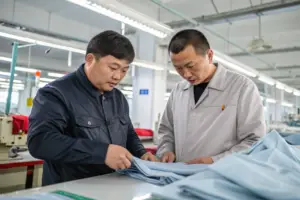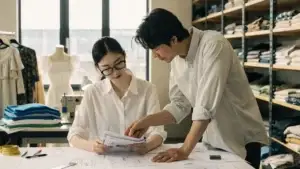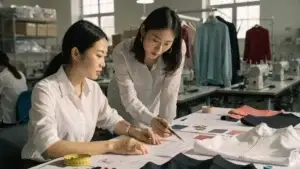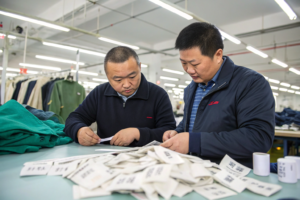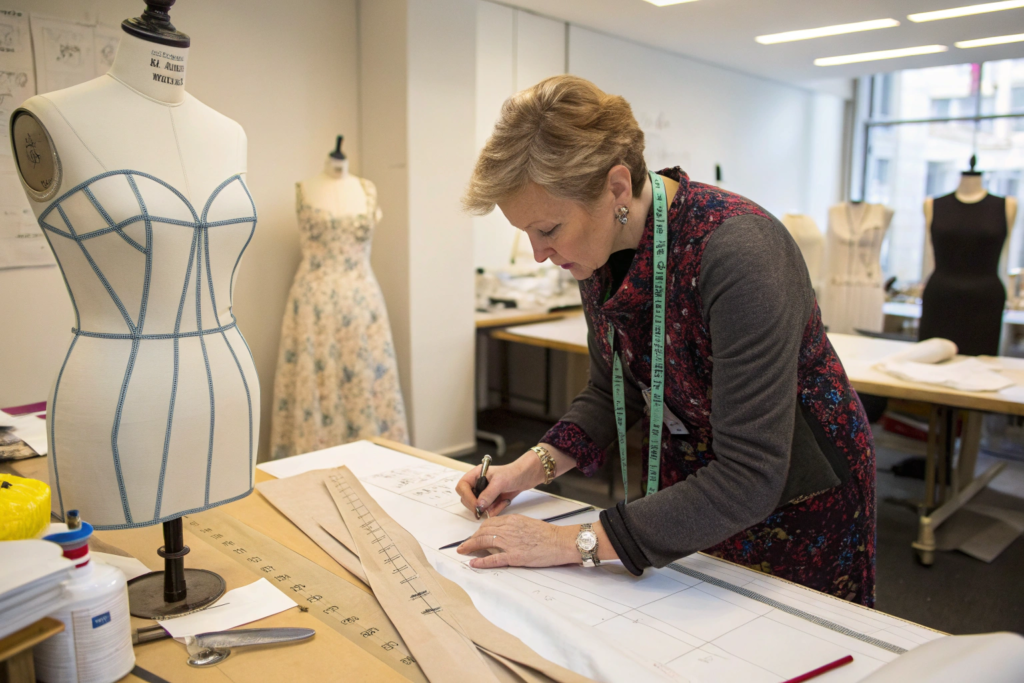
I learned about the power of a great pattern maker about eight years ago. A brand from Chicago sent us a tech pack for a new line of men's dress shirts. They had sourced samples from three different factories in Vietnam and India. Every sample was wrong. The collar was too stiff. The shoulders pulled. The fit was boxy and unflattering. They were frustrated and running out of time. When they came to us, our senior pattern maker, Mr. Chen, who has been doing this for over thirty years, looked at their designs. He immediately saw the problem. The proportions were based on a standard Western block pattern that did not account for the specific fabric they wanted to use. He spent two days redrafting the entire pattern from scratch. The first sample fit perfectly. That brand is still our client today.
The answer is simple: an experienced pattern maker translates your design vision into a garment that actually fits a human body. They understand how fabric behaves, how seams should align, and how proportions need to shift across sizes. Without their skill, your brand's style is just a drawing. With it, your style becomes a piece of clothing that customers love to wear, keeps them coming back, and defines your brand's reputation in the market.
That experience with the Chicago brand showed me something important. A pattern is not just a template. It is the architecture of your garment. If the architecture is weak, the whole building collapses. At Shanghai Fumao, we have invested heavily in building a team of master pattern makers. They are the reason our clients' clothes fit better and sell faster. Let me show you why their work matters so much to your bottom line.
How Does Pattern Making Bridge The Gap Between Design And Reality?
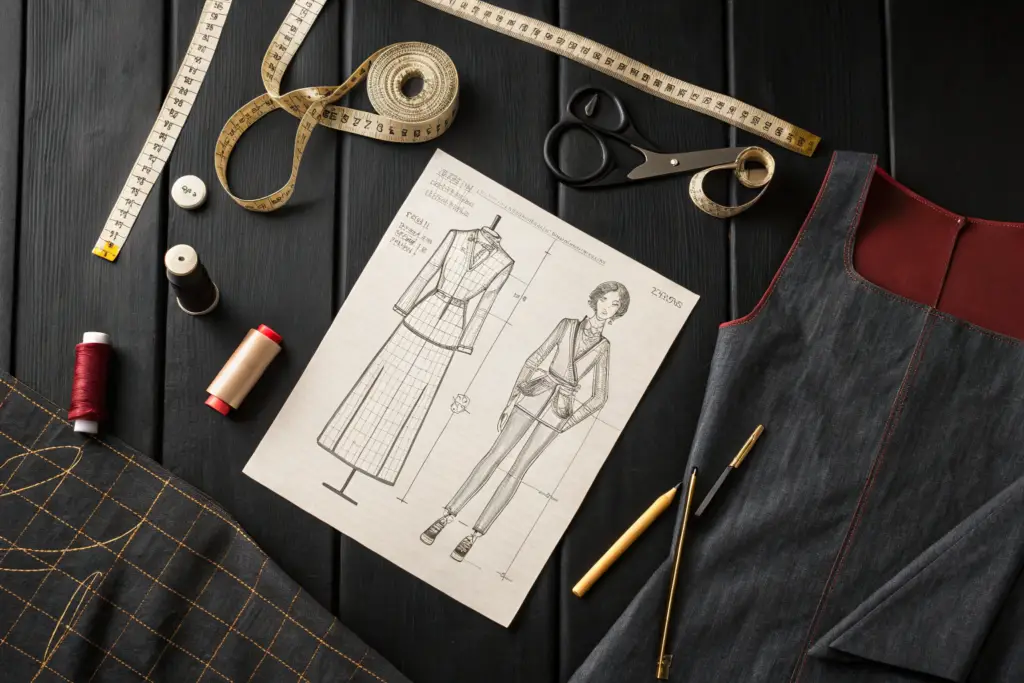
Every garment starts as a two-dimensional drawing. It looks perfect on paper. But a human body is three-dimensional and moves. It has curves, joints, and muscles. A flat drawing cannot show how fabric will stretch across a back or gather at a waist. This is where pattern making begins. It is the science of taking a flat idea and engineering it to fit a moving, breathing person.
What Is The Difference Between Block Patterns And Styled Patterns?
Think of block patterns as the foundation of a house. They are the basic, no-frills templates for standard silhouettes: a basic bodice, a standard sleeve, a simple pant. Every garment starts from these blocks. They are based on years of data about average body measurements and proportions. A good pattern maker has a library of these blocks in their head and on their computer.
Styled patterns are what you build on top of that foundation. You take the basic bodice block and add darts for shape. You take the standard sleeve block and make it a bell sleeve. You take the basic pant block and give it a wide leg. The skill lies in knowing how to modify the block without breaking the fit. An inexperienced maker might just sketch the new style onto the old block. An experienced one calculates exactly how much fabric to add, where to place seams, and how the changes will affect movement. This technical knowledge is something you can study at institutions like the Fashion Institute of Technology, but true mastery comes from decades of practice. Mr. Chen can look at a sketch and know instantly which block to start from and how to adjust it.
How Does Fabric Choice Force Pattern Adjustments?
Fabric is not a neutral material. It has personality. Some fabrics are stiff and hold their shape. Others are fluid and drape. Some stretch in one direction. Others stretch in two. Some shrink after washing. A pattern that works perfectly for a stiff cotton will look terrible in a soft rayon. This is a mistake I see new buyers make all the time.
I worked with a brand in Miami last year on a line of summer dresses. They sent us a sample dress made in a stiff cotton and asked us to reproduce it in a flowing viscose. Our pattern maker, Mr. Chen, told them the pattern would need to change. The client was surprised. "It's the same dress," they said. Mr. Chen explained that the stiff cotton held the shape of the A-line skirt on its own. The viscose would cling and fall straight. To get the same A-line look, we needed to widen the skirt pattern and add more fabric. The client agreed. We made the adjustments. The final dresses looked exactly like their original vision. Without that pattern adjustment, they would have received dresses that looked nothing like their sample. You can learn more about fabric properties and their impact on design from resources provided by Textile Exchange, which publishes detailed guides on different materials.
Why Does Proper Grading Determine If Your Sizes Actually Fit?
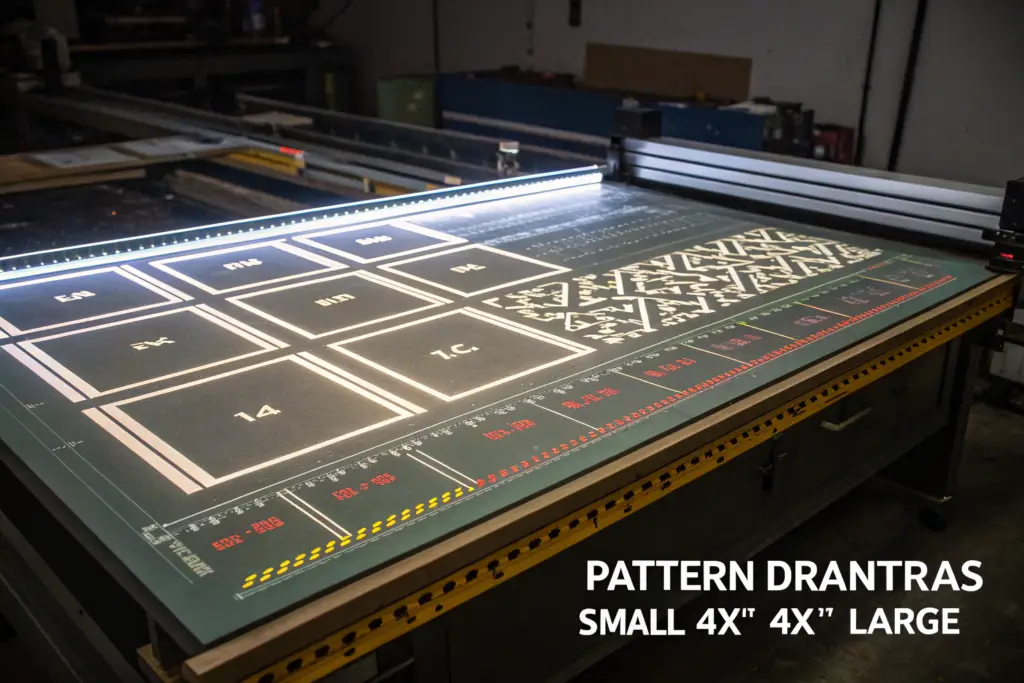
Making one sample in one size that fits a model is one skill. Making that same design in sizes XS through XXL that all fit real people is a completely different skill. This process is called grading. It is how a single base pattern is scaled up and down to create a full size range. Bad grading is why a dress looks great on a size 8 model but boxy and weird on a size 14 customer. Good grading is why every woman feels beautiful in your brand, regardless of her size.
What Is The Science Behind Scaling Patterns For Different Body Types?
Grading is not simply making the whole pattern bigger or smaller by the same amount. Human bodies do not scale evenly. A woman who wears a size 16 does not have the same proportions as a woman who wears a size 2, just scaled up. Her shoulders might be proportionally narrower. Her bust might be proportionally larger. Her waist might be proportionally smaller. A good grading system accounts for these variations.
Professional pattern makers use specific grade rules. These rules dictate how much to add or subtract at each specific point on the pattern. The amount added at the shoulder is different from the amount added at the waist. The amount added at the hip is different again. These rules are developed over time based on body measurement data and fit testing. Organizations like Alvanon specialize in body measurement data and sizing standards for the apparel industry. They provide the data that helps brands create size ranges that actually fit their target customers. When a factory has experienced pattern makers, they understand these nuances. They do not just blindly scale. They grade with intention.
How Can Bad Grading Destroy Your Brand's Reputation For Fit?
Fit is everything in fashion. If a customer buys a dress from you in size medium and it fits perfectly, she trusts your brand. She will buy again. If she buys a size medium and it is too tight in the shoulders but loose in the waist, she will return it. She might not buy from you again. She might leave a bad review. Bad grading creates inconsistency. And inconsistency kills brand loyalty.
I saw this happen with a client from Texas a few years ago. Before they came to us, they used a different factory. The factory's samples in size small fit great. But when the client started selling the full size range, they got constant returns. Customers complained that the large was enormous, but the extra large was too small. The grading was inconsistent. The factory had simply scaled the pattern up and down without understanding how proportions change. We had to completely re-grade their entire catalog when they switched to us. It was a lot of work, but it saved their brand. Their return rate dropped from 15% to under 3% after we fixed the grading. You can read more about the business impact of fit consistency in reports from the National Retail Federation. They often highlight how fit and returns are directly connected to profitability.
What Modern Tools Do Expert Pattern Makers Use Today?
Pattern making is an ancient craft, but it has evolved. The best pattern makers today combine decades of hand-drawn experience with the latest digital tools. They use technology to increase speed and accuracy, but they rely on their experience to know when the computer is wrong. This blend of old and new is what creates the best results for your brand.
How Does 3D Sampling Software Speed Up The Fit Process?
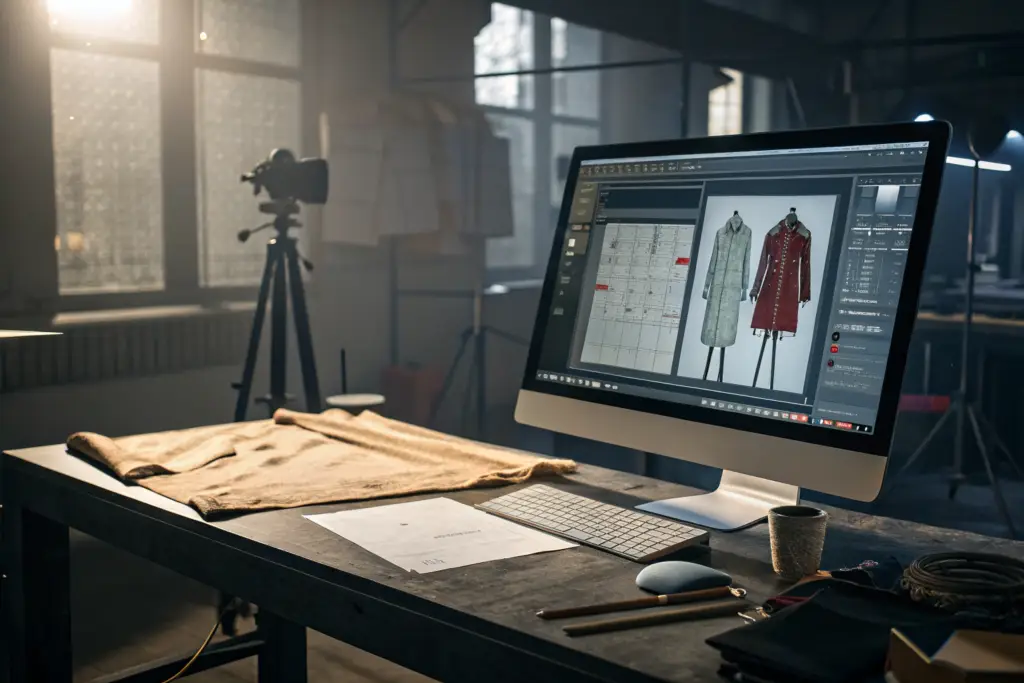
3D sampling software is a game-changer. Programs like Browzwear and CLO 3D allow pattern makers to create a virtual garment, put it on a virtual avatar, and see how it fits and moves. They can adjust seams, change darts, and test different fabrics without cutting a single piece of real material.
This saves enormous time and money. We use this software at Shanghai Fumao for initial fit development. We can send clients a video of the virtual garment moving on a virtual model. They can see if the sleeve pulls or if the hem sits right. We can make changes in minutes, not days. But here is the key: the software is only as good as the person using it. An experienced pattern maker knows how to interpret what the software shows. They know when a virtual wrinkle is a real problem and when it is just a software glitch. They use the tool to speed up their work, but they do not let the tool replace their judgment. The technology is amazing, but it is still just a tool in the hands of a skilled craftsperson.
Why Does Digital Pattern Storage Protect Your Brand Consistency?
Imagine you order a style this year. It sells well. You want to reorder it next year. If your factory still uses paper patterns, finding that exact pattern can be a nightmare. Paper gets lost. It gets damaged. It gets misfiled. And even if you find it, it might have stretched or shrunk over time.
Digital pattern storage solves this problem. We store every single pattern we create for our clients in a secure digital library. Every dart, every seam, every notch is saved as mathematical data. When you want a reorder, we pull up the file. We send it to our automated cutting machine. The first piece cut this year is identical to the first piece cut last year. This consistency protects your brand. Your customers know that the shirt they bought last year and loved will fit the same way this year. You can learn about the importance of data management in manufacturing from organizations like The Digital Fashion Group. They focus on how digital transformation creates consistency and efficiency in the apparel supply chain.
Conclusion
Your brand's fit and style are not accidents. They are not magic. They are the result of skilled pattern making. Every great garment starts with a great pattern. It is the hidden architecture that determines if a customer feels confident and beautiful in your clothes, or if they feel frustrated and return them. Experienced pattern makers bring your designs to life. They solve problems before they happen. They ensure that every size in your range fits the way it should. They are the unsung heroes of the fashion industry.
At Shanghai Fumao, we are proud of our team of master pattern makers. Men and women who have spent their entire careers learning this craft. They are the reason our clients' brands are known for quality and consistency. If you are tired of fighting with fit issues and inconsistent sizing, let us help. Contact our Business Director, Elaine, at elaine@fumaoclothing.com. She can connect you with our pattern team and show you how we build garments that fit your customers perfectly, every single time.