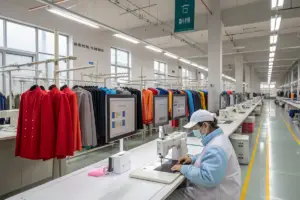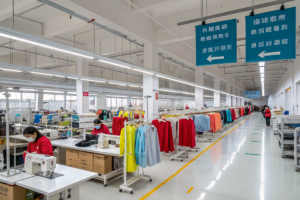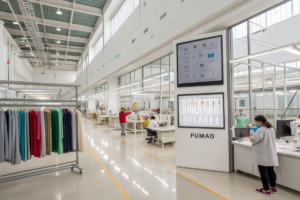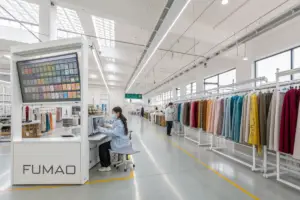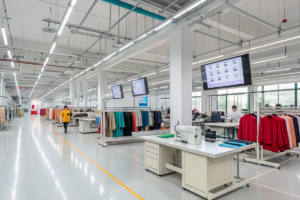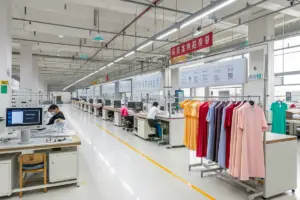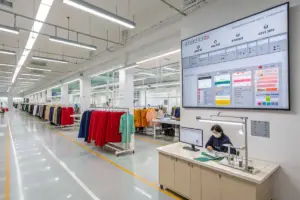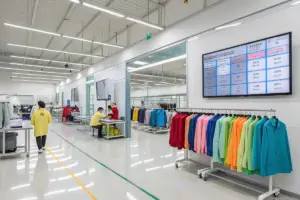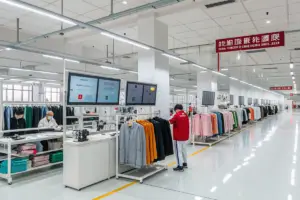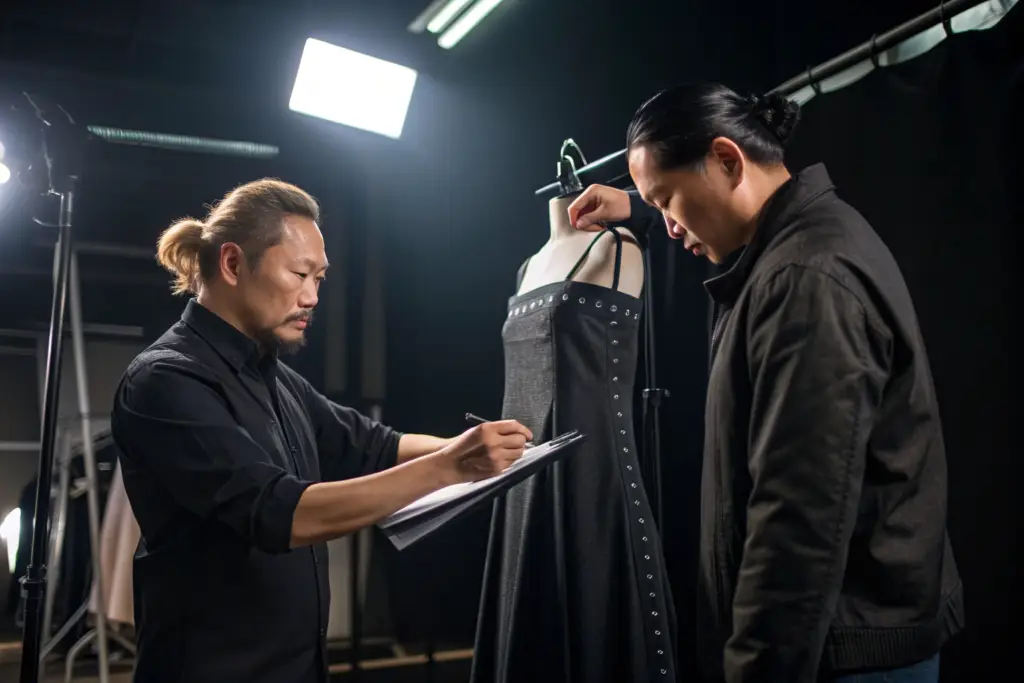
I still remember the phone call that made my stomach drop. It was 2019, and a long-time client from Seattle had just received his shipment of 2,500 winter coats. He was furious. The coats were beautiful, the quality was excellent, and the delivery was on time. But the color was wrong. He had approved a digital image of the fabric months earlier, and the production run matched that image perfectly. The problem was, the digital image on his screen did not match the physical fabric under his warehouse lights. He had to discount the entire line. He lost $40,000 in profit. That mistake was not his fault, and it was not entirely ours. It happened because we skipped a physical sample approval. We relied on a photo. We never made that mistake again.
The simple truth is this: sample approval is the only way to guarantee that what you imagine and what we manufacture are the same thing. It is the physical, undeniable proof that every detail—the fit, the fabric, the stitching, the color—meets your exact standards before a single production yard is cut. Without it, you are gambling your entire season on hope and digital images, which is a bet no smart buyer should ever take.
That Seattle disaster taught me a lesson that changed our entire process at Shanghai Fumao. Now, we refuse to start production without a signed-off physical sample in our hands. We have built our entire workflow around this single step. It protects us from costly rework, but more importantly, it protects you from the nightmare of receiving a shipment you cannot sell. Let me explain why this step is not just important, but absolutely non-negotiable.
What Types of Samples Do You Need Before Production Starts?
Many buyers think "sample" means one thing. They think you order one, you check it, and you are done. But in professional apparel manufacturing, there is a whole sequence of samples. Each one serves a specific purpose. Each one catches different types of problems. Skipping any of them creates a gap where mistakes can slip through. Understanding this sequence helps you control the process from idea to finished product.
What Is a Development Sample and Why Does It Matter?
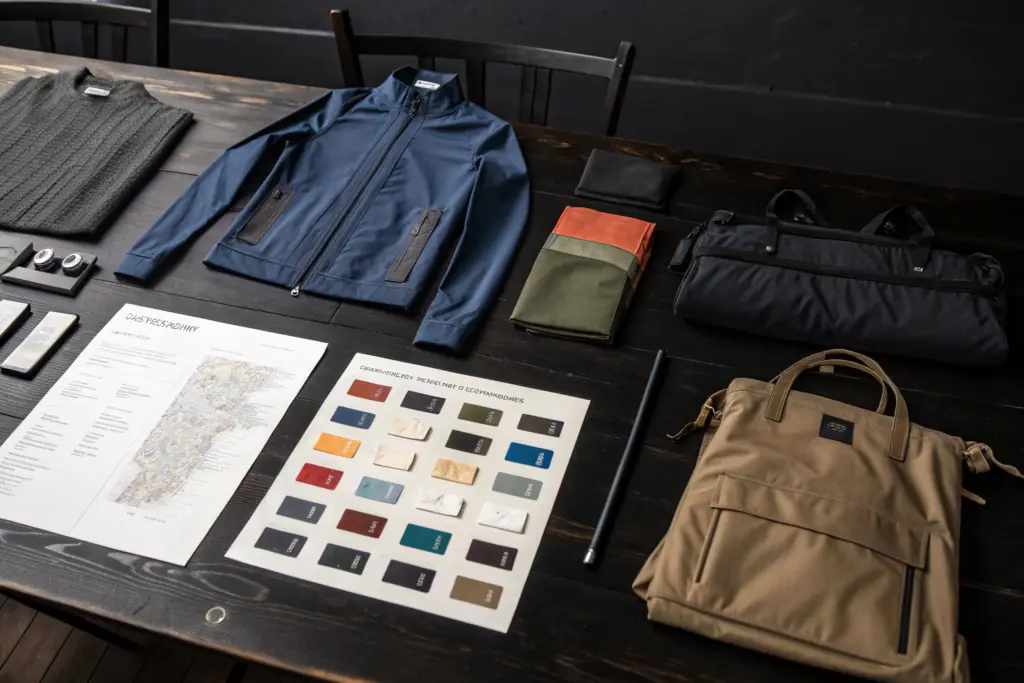
The first sample is the development sample, sometimes called a proto sample. This is the first physical attempt to turn your idea into a real garment. It is made from a fabric that is close to your final choice, but maybe not exact. The goal here is not perfection. The goal is to check the pattern, the fit, and the overall construction.
I had a client in Denver last year who sent us a tech pack for a new line of technical hiking pants. The design looked great on paper. But when our pattern maker created the first development sample, we saw a problem. The knee panel was too tight. When the model bent their knee, the fabric pulled uncomfortably. We sent photos and a video of the sample to the client. He agreed and approved a pattern adjustment. If we had skipped this step and gone straight to production, we would have made 2,000 pairs of uncomfortable pants. That would have been a disaster for his brand. This stage is about proving the concept. Resources from the Council of Fashion Designers of America offer great insights into the importance of proper sampling in the design process.
How Does a Counter Sample Verify Factory Capability?
Sometimes, you send a sample to a factory and ask them to copy it. This is common when you find a garment you like and want your own version. The sample the factory sends back is called a counter sample. It is their attempt to replicate your original.
This sample is a critical test. It tells you if the factory has the skill to execute your vision. Can they match the stitching? Can they source a similar fabric? Can they replicate the fit? I remember a situation with a buyer from Boston who sent us a high-end dress from a famous Italian brand. He wanted a similar style at a better price point. Our first counter sample was good, but the neckline did not drape exactly like the original. We adjusted the pattern and tried again. The second sample was perfect. That process of sending and revising counter samples built trust. It showed him we were serious about getting every detail right. You can learn more about evaluating factory capabilities from guides published by Sourcing Journal. They often cover the nuances of counter sample development.
Why Is a Physical Sample More Reliable Than a Digital Image or Video?
We live in a digital world. We send photos, videos, and PDFs every day. It is easy to think a image is enough. But fabric and color are physical things. Light changes everything. The screen you use changes everything. A photo can lie. A physical sample cannot. This is why we insist on shipping a physical sample by courier, even if it costs time and money. It is the only truth.
How Do Lighting and Screen Calibration Distort Color Perception?
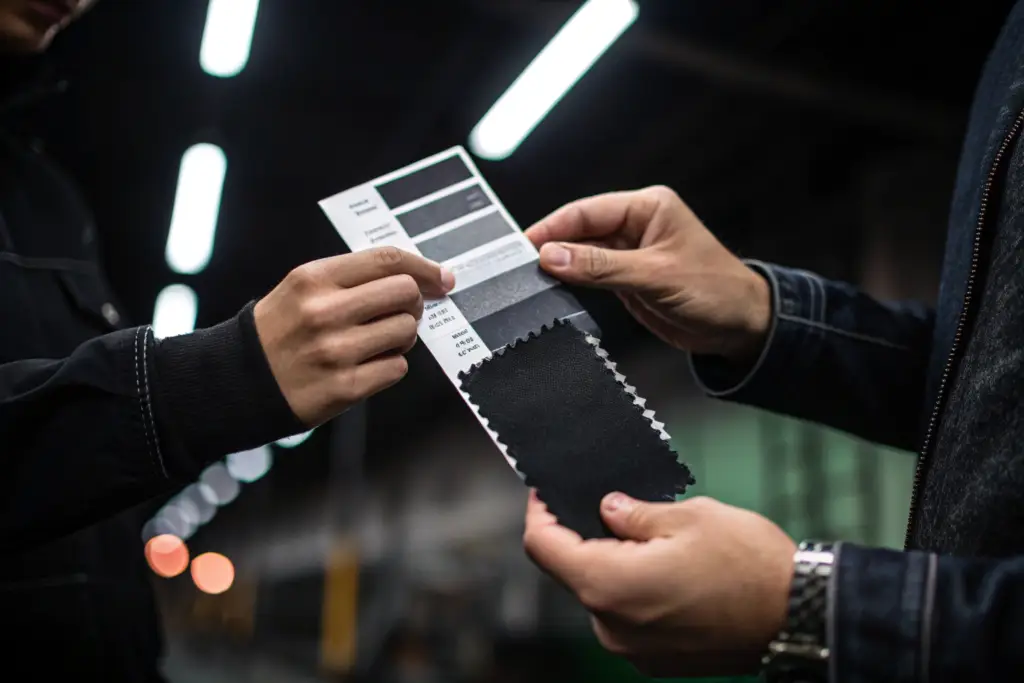
This is the trap that caught my Seattle client. His computer screen was calibrated for office work, not color accuracy. The fabric photo we sent looked perfect to him. But the physical fabric, under the fluorescent lights of his warehouse, was different. The human eye perceives color based on the light source. A color that looks warm and rich in natural daylight can look cold and flat under store lighting.
Professional buyers and manufacturers use color standards like Pantone and specific lighting booths. We have a dedicated color room at Shanghai Fumao with multiple light sources: daylight, store light, home light. We view every fabric under all of them. But you cannot do that with a photo. You need the physical piece. You need to hold it up against your other products. You need to see it in your own environment. This is why we always send a physical sample along with digital photos. We want you to have the real thing in your hands. Organizations like Pantone provide detailed guides on color communication and the importance of physical standards in supply chains.
What Can Your Hands Feel That Your Eyes Cannot See on a Screen?
A screen shows you color and shape. It cannot show you texture, weight, or drape. It cannot tell you if the fabric is soft or scratchy. It cannot tell you if it is stiff or fluid. These are tactile qualities that define how a garment feels to wear. And how a garment feels determines if a customer buys it and keeps it.
I worked with a brand in Los Angeles that made luxury loungewear. They sent us a fabric specification for a new brushed cotton. The specification sheet said it was "soft." But soft means different things to different people. We sent them a physical sample. When they touched it, they realized it was not soft enough for their brand standard. They asked us to source a different fabric with a higher brush finish. We did, and we sent a new sample. They approved it, and the final product was a huge success. If we had relied on the spec sheet and photos, they would have received 5,000 pieces of fabric that did not meet their "soft" standard. That feel cannot be digitized. You can read more about the importance of fabric hand feel in resources from the Textile Institute, which publishes research on fabric properties and consumer perception.
How Does the Sample Approval Process Prevent Costly Production Errors?
Think of sample approval as the final dress rehearsal before opening night. Every actor knows their lines. Every light is set. Every costume is fitted. The show is ready. In manufacturing, sample approval is that dress rehearsal. It is your last chance to catch problems before the curtain rises on full production. Once the machines start running, changes become expensive and slow.
What Specific Details Should You Check During Sample Approval?
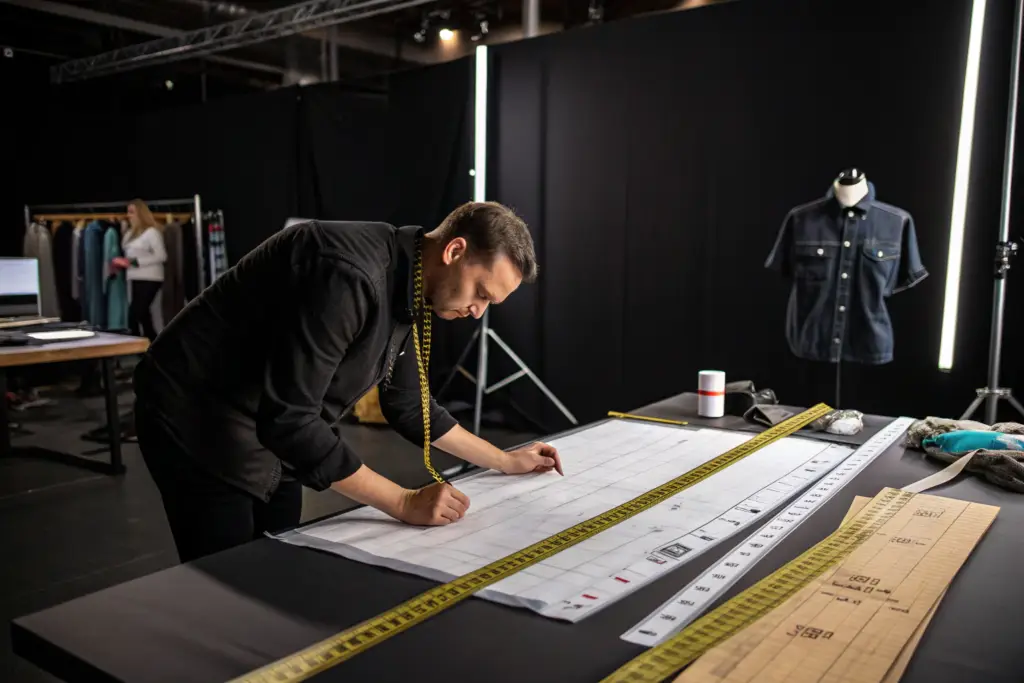
You need a checklist. Do not just look at the sample and say "it looks good." Be systematic. First, check the fit against your measurements. Put it on a dress form or have a model wear it. Does it sit right on the shoulders? Is the length correct? Is the waist in the right place? Second, check the construction. Are the seams straight? Are the stitches the right type and density? Is the hem even? Third, check the trims. Are the buttons the right size and color? Is the zipper the right length and type? Does it pull smoothly?
Fourth, and most importantly, check the garment against the tech pack. Go line by line. Mark every point that matches. Flag every point that does not. Last year, a buyer from New York approved a sample for a denim jacket. But during our final review, our own quality manager noticed the pocket stitching was slightly different from the tech pack. It was a small deviation, but it was a deviation. We called the client, showed him photos, and asked for a decision. He preferred the new stitching, so we updated the tech pack. That small conversation, triggered by a careful check, prevented confusion later. The American Apparel & Footwear Association offers sample approval checklists that can guide your review process.
Why Is Signing Off on “Fit” and “Finish” Separately Important?
I recommend splitting your approval into two distinct stages: fit approval and finish approval. Fit approval comes first. You approve the pattern, the size, and how the garment sits on the body. This happens early. Finish approval comes later, after you have selected the final fabric and trims. You approve the look and feel of the completed garment.
Why separate them? Because if you try to approve everything at once, you can miss things. You might love the fit so much that you overlook a minor finish issue. Or you might love the fabric so much that you ignore a fit problem. By splitting them, you give each aspect the focus it deserves. We always ask our clients to give us two separate sign-offs. First, "fit approved." Then, after we incorporate the final fabric and trims, "finish approved." This two-step process has saved us from countless misunderstandings. It creates clear milestones in the production timeline. Resources from QIMA on quality control often emphasize this staged approach to sample management.
What Happens If You Skip or Rush the Sample Approval Stage?
I have been in this business for over fifteen years. I have seen what happens when buyers are in a hurry. They skip the sample to save two weeks. They trust a photo instead of waiting for a physical piece. Every single time, without exception, it has led to problems. The problems range from small annoyances to total business disasters. Rushing the sample stage is like building a house without a blueprint. You might finish faster, but you will not like what you built.
How Can Skipping Samples Lead to “Fashion Disasters”?
Let me tell you about a client from Texas who was launching a new activewear line. His timeline was tight. He was under pressure from his investors. He looked at our development sample, loved it, and said "Let’s skip the production sample. Just go straight to cutting. I trust you." I advised against it, but he insisted.
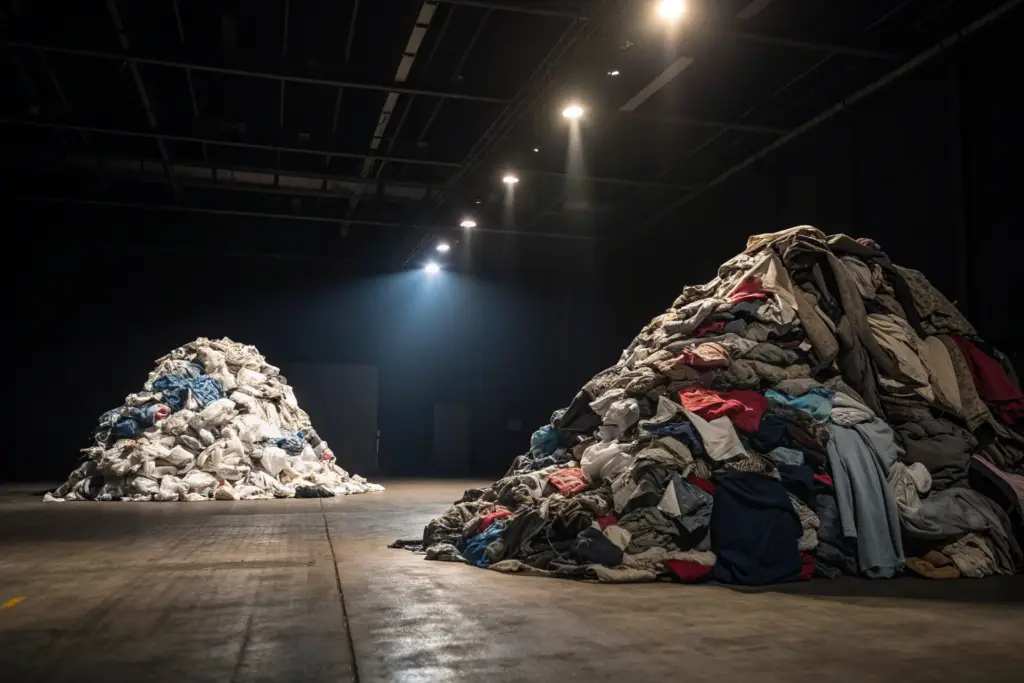
We went into production. Three months later, he received his shipment. He called me, and his voice was flat. "The leggings are see-through," he said. "When you bend over, you can see everything. I cannot sell these." The problem was the fabric weight. The development sample was made from a heavier fabric we had in stock. The production fabric, which we sourced specifically for his order, was slightly lighter. The difference was invisible in photos but obvious when stretched over a body. If we had made a production sample with the actual fabric, he would have seen the problem immediately. We could have doubled the fabric weight or lined the garments. Instead, he had 8,000 pairs of unsellable leggings. That is a fashion disaster born from skipping a single step. You can find case studies on similar quality failures in publications like Just-Style.
What Is the Real Cost of Reworking an Entire Production Order?
Rework is the most expensive thing in manufacturing. Fixing a problem on one sample costs a few dollars and a few days. Fixing a problem on 5,000 finished garments costs thousands of dollars and weeks of delay. The math is simple. Sample approval is cheap insurance against rework costs.
I had a client in Florida who approved a sample but missed a detail. The sample had a certain type of button. The tech pack specified a different type. We caught the discrepancy during our pre-production check. We called him and asked which he wanted. He preferred the sample button, so we updated the order. No cost, no delay. But if we had not caught it, and he had not approved the sample with that button, we would have sewn the wrong buttons on 3,000 shirts. Then we would have to cut them all off and sew new ones on. That rework would have cost him thousands in extra labor and pushed his delivery date past the season. The International Trade Centre has guides on calculating the true cost of quality failures in global supply chains. It always comes back to the same lesson: slow down at the sample stage to speed up everywhere else.
Conclusion
Sample approval is not a formality. It is not a box to check. It is the core of quality control in apparel making. It is the moment when your idea becomes a real thing that you can see, touch, and test. It is your last chance to make changes before the commitment of full production. Skipping it or rushing it is the fastest way to turn a promising season into a financial loss. The buyers who succeed are the ones who treat sample approval with the seriousness it deserves. They take the time. They check every detail. They insist on physical samples, not just digital promises.
At Shanghai Fumao, we have built our reputation on this principle. We will never push you to skip a sample to save time. We will always advise you to wait for the physical piece. We do this because your success is our success. If you are ready to work with a partner who values quality over shortcuts, let’s talk. Contact our Business Director, Elaine, at elaine@fumaoclothing.com. She can walk you through our sample approval process and show you how we protect your brand from costly mistakes.