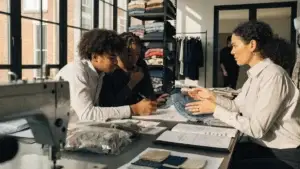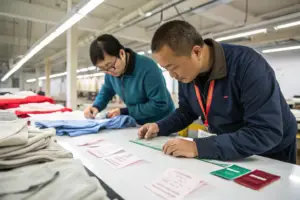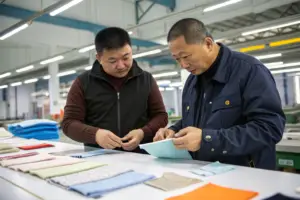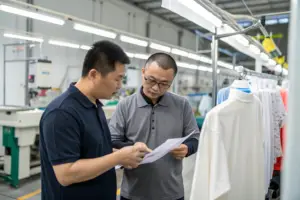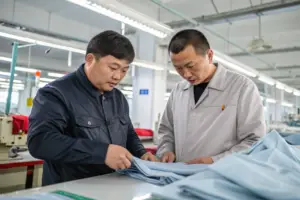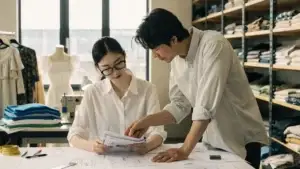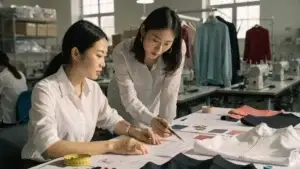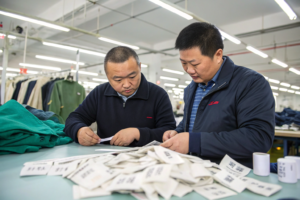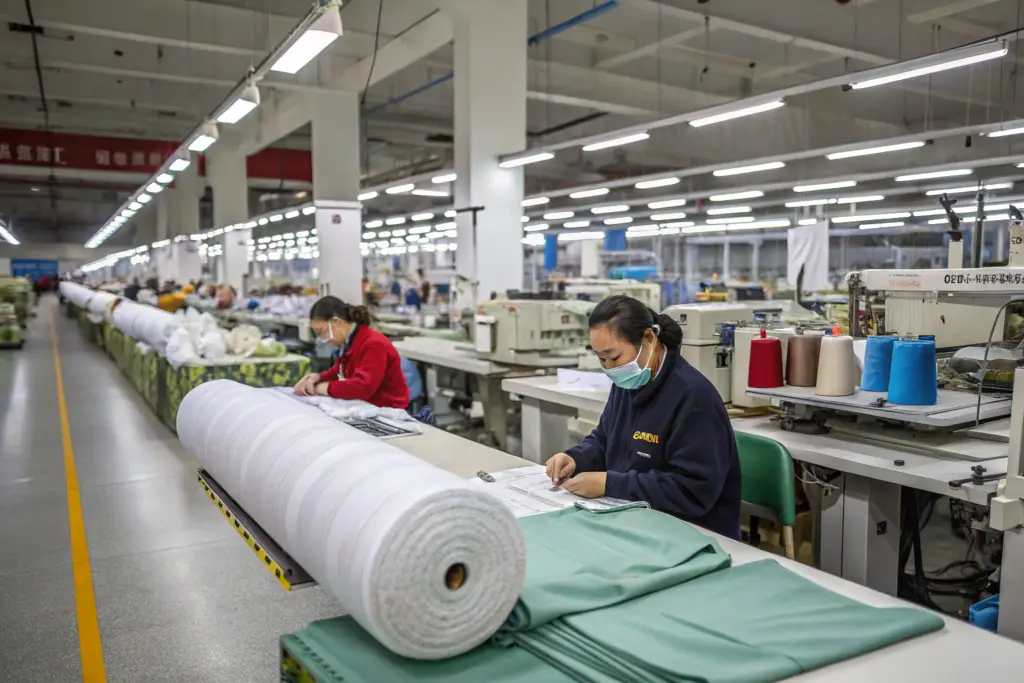
I still remember a frantic phone call I received in September 2021. A buyer from Chicago had a major problem. Their best-selling line of women's blouses was stuck. The fabric supplier in Vietnam delayed the shipment by six weeks. The garment factory in Bangladesh couldn't start cutting without the fabric. The buyer was trapped in the middle, paying for rushed air freight and still facing empty store shelves for the holiday season. That call confirmed something I have believed for years. When your fabric maker and your garment maker are different companies, you are always one broken link away from disaster. That is why at Shanghai Fumao, we made a different choice years ago. We decided to own both the fabric production and the garment manufacturing under one roof.
Partnering with a factory that owns both fabric and garment production gives you total control over your supply chain. It means shorter lead times, consistent quality from thread to finished product, faster problem-solving, and lower costs because there are no middlemen marking up materials or arguing about who is responsible for a defect.
For an American brand owner like Ron, who sources from developing countries to maximize margins, this vertical integration is not just a convenience. It is a strategic advantage. When you deal with separate suppliers, you spend half your time playing referee. The fabric mill blames the garment factory for shrinking the goods. The garment factory blames the fabric mill for inconsistent dye lots. You get stuck with the blame and the lost sales. I have built my business to eliminate that finger-pointing completely. When we own the entire process, we own the responsibility. And that makes your job infinitely easier.
How Does Vertical Integration Shorten My Production Timelines?
Time is the one resource you cannot buy more of. In the fashion industry, missing a delivery window means missing an entire season. When you work with a factory that controls both fabric and garment production, you cut out weeks of waiting and coordination.
Why do separated supply chains cause so many delays?
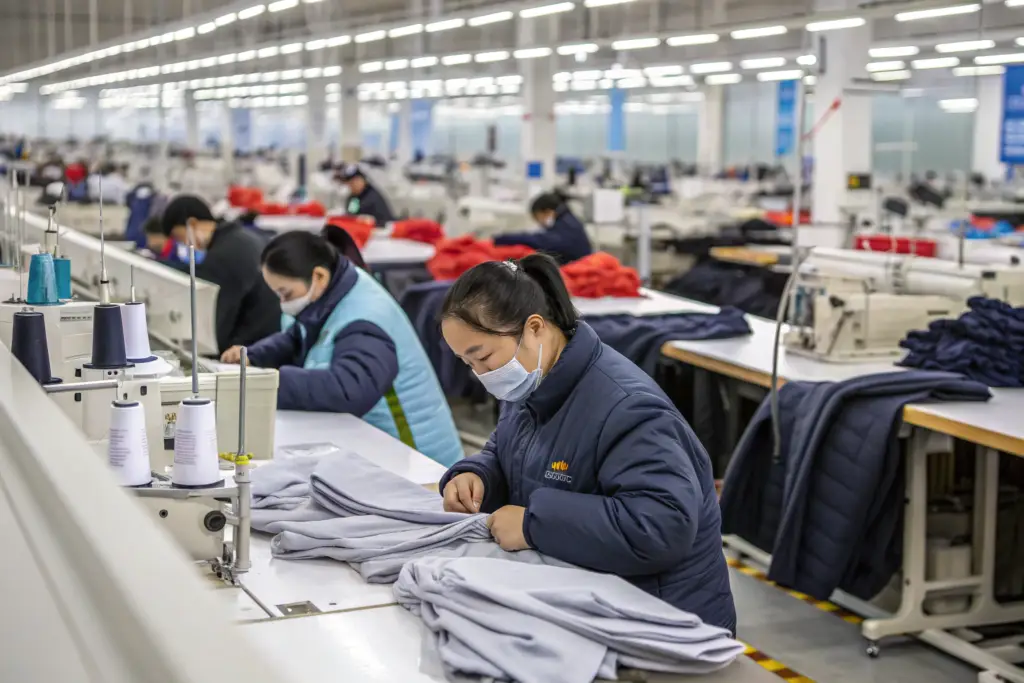
Let me walk you through a typical scenario with a non-integrated supplier. You place an order for 5,000 cotton twill jackets. Your garment factory sources fabric from a mill they recommend. That mill has a 45-day lead time. The fabric ships. It arrives at the garment factory. They inspect it and find the width is two inches narrower than spec. Now what? The garment factory stops production. They call you. You call the mill. The mill says the fabric is fine and blames the garment factory's handling. You spend three days on WeChat and email trying to get someone to accept responsibility. Meanwhile, your shipping date is slipping. I have seen this exact scenario play out dozens of times. The problem is that neither party has skin in the game for the final product. They each just want to finish their piece and get paid. When something goes wrong in the middle, no one wants to own the cost of fixing it. This is why many buyers now prioritize vertical integration in apparel sourcing to reduce these coordination risks.
How does owning the mill speed up production for our clients?
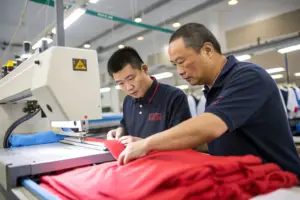
When you work with us, the fabric mill and the sewing floor are under the same management. In fact, they are often in the same building. Last year, we produced a complex order of color-blocked polo shirts for a New York streetwear brand. The design required three different fabric panels to be cut and sewn together. Halfway through production, our cutting room supervisor noticed the fabric from one dye lot was relaxing differently after cutting, causing slight size variations in the panels. Because the weaving and dyeing happens in our facility, we stopped the line immediately. Our fabric team came down to the cutting floor within ten minutes. We diagnosed the issue—a slight tension variation during compacting—and re-ran the affected fabric through our finishing range to stabilize it. The entire fix took four hours. The client never even knew there was a problem until we explained it in our weekly report. If that fabric had come from an outside mill, we would have been waiting days for a replacement, and the client would have missed their ship date. That is the power of end-to-end production control.
How Does One Factory Solve Quality Problems Faster?
Quality issues are inevitable in garment production. Fabric has natural variations. Thread tension changes. Needles break. The difference between a good partner and a bad one is how fast they find and fix the problem.
Who takes responsibility when fabric defects appear during sewing?
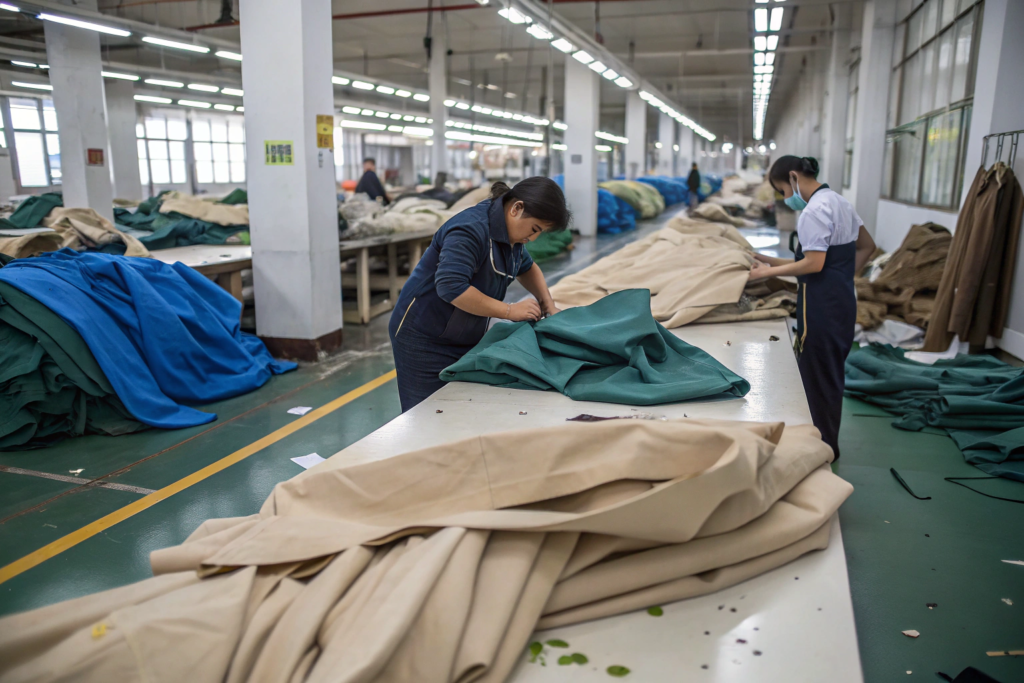
This is the million-dollar question in our industry. When fabric and garment production are separate, the answer is almost always "not me." I had a client from Los Angeles a few years ago who sourced chambray shirts from a supplier in India. The shirts looked great when they left the factory. But after the first wash, the seams puckered badly. The fabric mill said the yarn was fine. The garment factory said the sewing tension was correct. The trim supplier said the thread was to spec. No one would accept the return. The client had to discount the entire line and lost thousands of dollars. At Shanghai Fumao, we cannot pass the buck. If a shirt puckers, it is our problem. Our fabric team and our sewing supervisors meet on the factory floor. We look at the seam together. We adjust the yarn twist or the needle size or the washing formula until the problem disappears. We eat the cost of the failed samples. Because we own both sides, we are forced to find real solutions, not excuses. This shared accountability is the foundation of reliable garment quality control.
Can a vertically integrated factory handle rare or custom fabric requests?
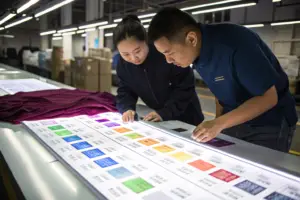
Absolutely. In fact, this is where we shine. Many buyers worry that a factory with its own mill will only work with basic fabrics they stock. The opposite is true. Because we control the looms and the dye house, we can experiment with custom blends and special finishes much faster than a factory that buys fabric on the open market. A few months ago, a premium activewear brand came to us with a request. They wanted a heavy-weight cotton jersey with a specific slub texture and a garment-dyed finish that looked vintage. Most mills would have quoted a huge minimum quantity and a 90-day development timeline. We took their swatch to our knitting department on a Monday. By Wednesday, we had a sample fabric on a roll. By Friday, we cut and sewed a sample tee, ran it through our garment dyeing process, and sent them a video of the finished product. They placed a trial order the next week. That speed and flexibility is only possible because we are not waiting on an external mill to fit us into their schedule. We are the mill. We can prioritize your project because your success is our success. This capability is essential for brands looking for custom fabric development services.
How Does Vertical Integration Impact My Pricing And Margins?
At the end of the day, your business runs on margins. You source overseas to get the best possible price for the quality you demand. A vertically integrated factory changes the pricing equation in your favor.
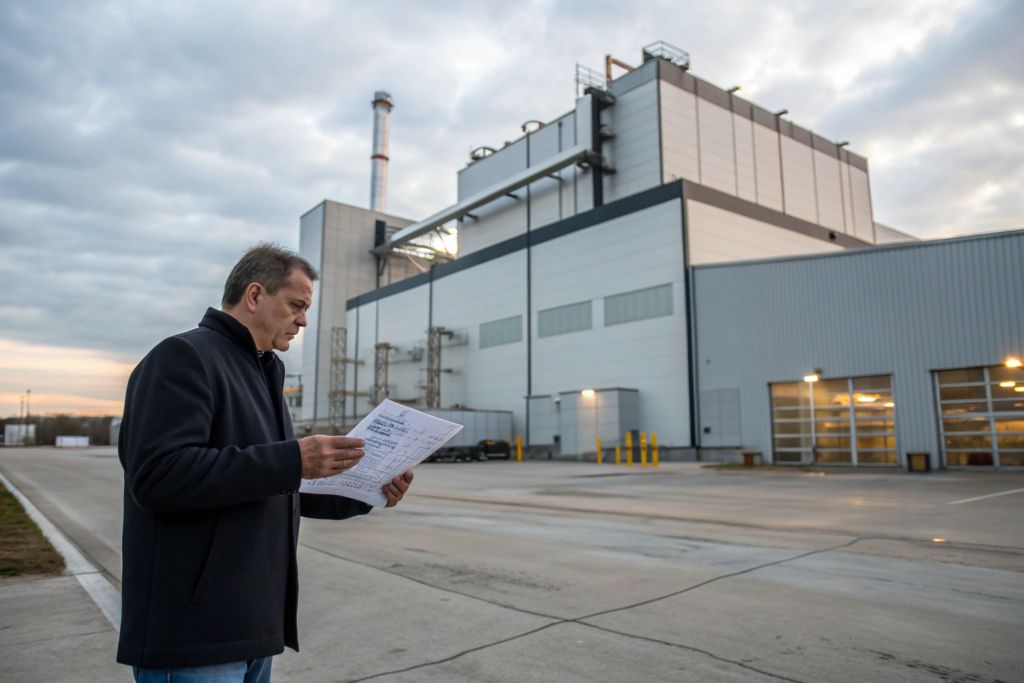
Think about the traditional supply chain. There is a yarn spinner. They sell to a fabric mill. The fabric mill sells to a trader or agent. The agent sells to a garment factory. The garment factory marks up the fabric again to cover their working capital and risk. By the time you pay for the finished garment, three or four different companies have taken a profit on the same piece of cloth. When we own the mill and the factory, we remove those layers. We buy the yarn directly. We knit or weave it in our facility. We cut and sew it in the same building. The cost savings are real, and we pass them on to you. A buyer from Texas who runs a western wear brand told me last year that switching to us saved him 18 percent on his cost of goods for denim shirts, simply because we eliminated the fabric agent markup. That is money that goes straight to your bottom line. Understanding garment costing and pricing strategies helps buyers see the value in this model.
Does a factory with its own mill offer better payment terms?
Yes, and this is something many buyers overlook. When you work with a trading company or a small assembly-only factory, they often demand larger deposits. Why? Because they have to pay their fabric suppliers upfront. They are nervous about getting stuck with raw materials if you cancel the order. At Shanghai Fumao, we own the raw materials from the start. We are not afraid to hold fabric inventory because we know we can use it for other orders if needed. This financial stability allows us to offer more flexible payment terms to established clients. We can negotiate better deposit structures because our risk is lower. We are not just sewing your garments; we are investing in our shared success. For a growing brand, that cash flow flexibility can make a huge difference in managing seasonal inventory builds. This stability is part of why buyers seek reliable apparel manufacturing partners.
What Happens When Problems Arise During Peak Season?
Peak season is when supply chains break. Factories are overbooked. Mills are running at capacity. Everyone is rushing. This is exactly when vertical integration proves its worth most dramatically.
How do we prioritize clients when everyone needs their order rushed?
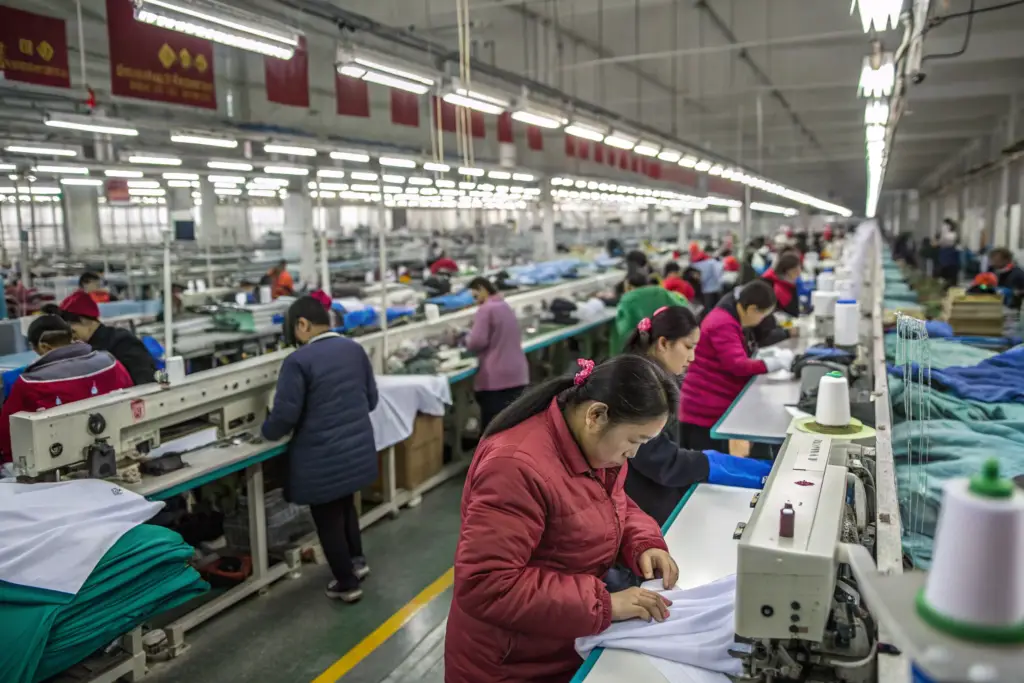
I will be honest with you. Every factory faces capacity crunches. The difference is in how we allocate resources. When you work with a non-integrated supplier, your garment factory might be ready to sew, but the fabric mill is two weeks behind. You are stuck waiting. In our facility, we have a production planning meeting every morning. We look at the fabric orders and the garment orders together. If we see a potential bottleneck in weaving, we adjust the knitting schedule immediately. We shift workers between departments. We run the dye house on weekends if needed. We can do this because it is all our equipment and our people. We are not negotiating with a separate company to expedite your order. We are just making a decision and executing it. During the 2022 holiday rush, we had a client who needed an extra 2,000 units of a best-selling style with only three weeks notice. Because we controlled the fabric inventory from a previous bulk order, we pulled the greige goods, dyed them to match, and ran the production line without stopping. The client got their goods on time and sold out for Christmas. That kind of agility is what responsive supply chain management looks like in practice.
Can vertical integration help me test new styles with smaller minimums?
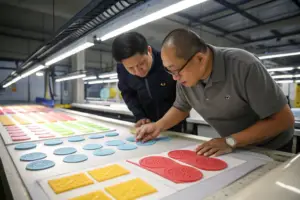
This is a question I hear constantly from brand owners. They have a new design they love, but they are terrified of committing to a huge fabric order only to find the style flops. A factory that owns its mill can solve this problem. Because we are not paying a middleman's markup on small fabric batches, we can offer much lower minimums for sampling and testing. We can knit 50 yards of a test fabric without breaking the bank. If the style takes off, we scale up seamlessly using the same yarn and the same machines. If it does not work, you are not stuck with a warehouse full of expensive fabric you cannot use. This lowers the risk of innovation and lets you bring more fresh styles to your customers. A few years ago, a boutique brand from Florida wanted to test a new heavy-weight pique knit for their resort wear line. They only needed 200 pieces. Most factories laughed at the quantity. We ran the fabric, made the shirts, and helped them validate the market. Today, that style is a staple in their line, and we produce thousands of units for them every year. This partnership approach is the hallmark of a full-package apparel manufacturer.
Conclusion
Choosing a partner for your apparel production is one of the most important decisions you make for your brand. You need reliability, quality, speed, and fair pricing. A factory that owns both its fabric and garment production delivers on all these fronts. You eliminate the finger-pointing between suppliers. You shorten your timelines. You protect your margins. And you gain a partner who can move quickly when problems arise or when opportunities appear. I have spent my career building this kind of factory because I believe it is the only way to truly serve ambitious brands.
If you are ready to stop managing disputes between separate suppliers and start focusing on growing your business, let us talk. At Shanghai Fumao, we have the capacity, the expertise, and the integrated facilities to handle your most demanding projects. Please contact our Business Director, Elaine, at elaine@fumaoclothing.com. She will help you understand how our vertical integration can work for your specific needs. Let us build something reliable together.