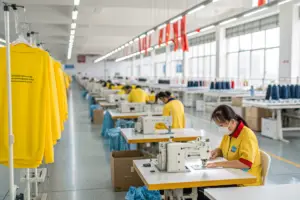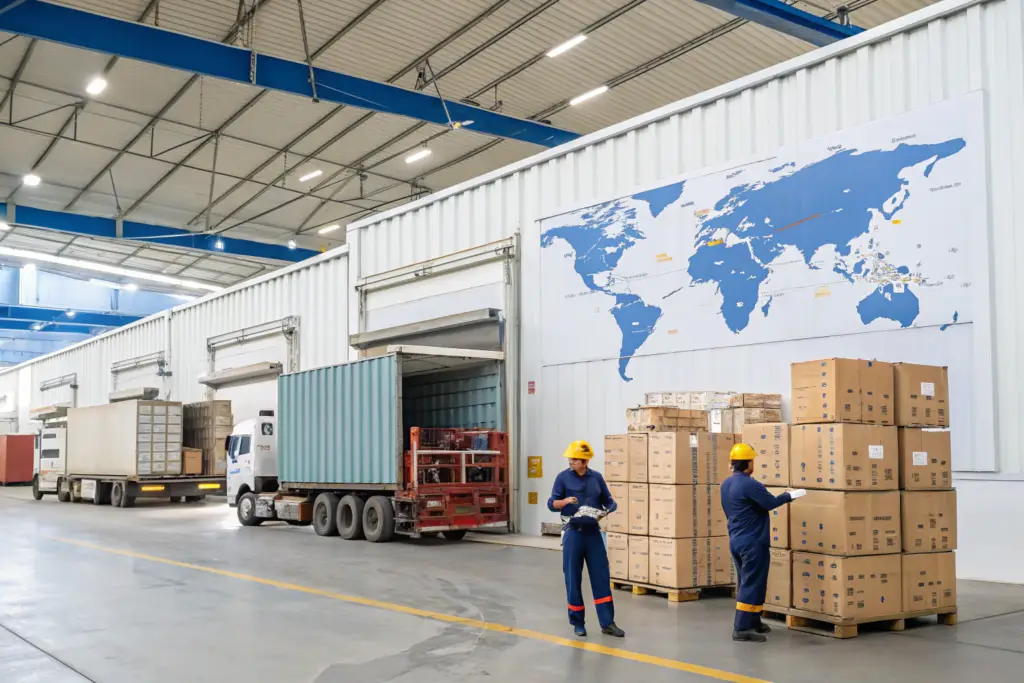
I received a desperate email from a client in Utah in 2022. He had spent 18 months negotiating a licensing agreement with a major camouflage brand. He paid the advance royalty. He hired a designer. He developed a full collection. He found a factory in Bangladesh that claimed they could print the pattern. What he did not know was that the factory's license was restricted to "garments manufactured and sold within the country of Bangladesh." They had no right to export to the United States. The shipment was detained by US Customs. The license was revoked. He lost $280,000. He called me and asked, "How was I supposed to know?" I told him, "You should have asked for the distribution territory on the certificate. If it does not say 'Worldwide' or 'United States,' you are not protected."
Sourcing from a factory with global distribution rights transforms your supply chain from a liability into an asset. The advantage is not merely administrative convenience. It is legal indemnification. When a factory holds global rights, they are authorized by the licensor to produce finished goods and ship them to any country specified in the agreement. Customs clearance is predictable. Chargebacks for unauthorized distribution are eliminated. Your brand is protected from counterfeiting claims. Furthermore, a factory with global rights has already passed the licensor's most stringent audits for quality control, social compliance, and security. These audits are expensive and time-consuming. When you use a globally authorized factory, you inherit their approved status. You do not need to apply for your own license or undergo a separate facility audit. Your speed to market accelerates by 6 to 12 months.
I am the owner of Shanghai Fumao. We hold active global distribution authorizations from both Realtree and Mossy Oak for specific product categories. We have invested hundreds of thousands of dollars in compliance infrastructure to maintain these rights. In this article, I will explain exactly what global distribution rights mean, how they protect you, how they reduce your costs, and how to verify that your factory actually possesses them. This knowledge can save you from the catastrophic loss my Utah client experienced.
What legal protection does a global rights factory provide to the buyer?
The word "license" is not enough. A factory can hold a license that restricts them to selling fabric only. They can hold a license that restricts them to producing for the domestic Chinese market. They can hold a license that expired three years ago. None of these scenarios protect you.
Global distribution rights mean the factory is explicitly authorized by the intellectual property owner to manufacture finished consumer goods and export them to designated international territories. This authorization is documented in a "Territory Addendum" to the master license agreement. The addendum lists the specific countries where the finished goods may be sold. If the United States is on that list, you are legally compliant. If the United States is not on that list, you are importing counterfeit goods, regardless of whether the factory printed the pattern correctly.
In 2023, a client from Texas asked us to produce a Realtree jacket for a Canadian retailer. We checked our license. Canada was not on our territory addendum. We told the client we could not accept the order. He was frustrated. He found another factory that said "no problem." The factory shipped to Toronto. The goods were seized by the Canada Border Services Agency. The retailer canceled the contract. The client paid $14,000 in storage and return freight. We lost the short-term revenue. We preserved our relationship with the licensor and with the client, who now verifies territory before placing any order. The US Customs Intellectual Property Rights division provides detailed guidance on recording licenses and authorizations. You can and should verify that your factory's authorization is recorded with CBP to prevent seizure.

What is the difference between a "manufacturing license" and a "brand license"?
This distinction is critical. A brand license is held by the brand owner. You, the brand, apply to Realtree for permission to use their patterns on your garments. You own the license. You are responsible for quality control and royalty reporting. You nominate factories to produce for you. This is the most common model for established brands. A manufacturing license is held by the factory. The factory is authorized by Realtree to produce goods for other licensed brands or, in some cases, to produce goods under the Realtree brand name for distribution. This is less common. It requires the factory to meet extremely high compliance standards. When you source from a factory with a manufacturing license that includes global distribution rights, you do not need your own brand license. You are operating under their authorization. This is a viable path for startups and private label retailers. You must verify that your specific brand name and your specific product categories are covered under their authorization. Do not assume blanket coverage. The Realtree Licensing FAQ explains the difference between these license types clearly.
How does global distribution rights protect against gray market diversion?
Gray market goods are authentic products sold outside authorized channels. They damage your pricing integrity and your retail relationships. A factory without global rights may be authorized to sell only in Asia. They produce your order. They also produce an extra 1,000 units. They sell these units to a consolidator who ships them to the US. The consolidator sells them on Amazon for 30% below your MSRP. Your authorized retailers complain. Your brand is devalued. A factory with global rights has a contractual obligation to the licensor to prevent diversion. Their license can be revoked if they are caught selling outside authorized territories. They have strong financial incentive to maintain strict inventory control. We conduct monthly reconciliations of our licensed fabric purchases and finished goods shipments. We report this data to the licensor. We do not allow "off-book" production. This discipline is not charity. It is survival. The International Trademark Association publishes extensive resources on combating gray market diversion.
How does global rights status reduce your time to market?
I have watched brands spend 14 months trying to get licensed. They submit applications. They wait for financial background checks. They submit samples for quality approval. They wait for factory audits. They pay advance royalties. Then they wait some more. Licensing departments are understaffed. They prioritize large, established brands. Small and mid-size brands wait in line.
When you source from a factory with global distribution rights, you bypass the entire brand licensing application process. The factory's license covers your production. You do not need to apply. You do not need to wait. You do not need to pay an advance royalty. You pay the royalty embedded in the FOB price. The factory reports and remits the royalty directly to the licensor. You can go from concept to container in 90 days, not 18 months.
A client from Georgia approached us in March 2024. He had a concept for a Realtree fishing shirt. He had no license. He had no time. The fishing season started in May. We reviewed our global distribution authorization. His product category was covered. His target retailers were in the US, which was on our territory addendum. We produced strike-offs in April. We cut and sewed in May. He received his shipment in June. He sold 80% of the inventory by August. He is now planning his 2025 collection with us. He never applied for a license. He never paid an advance royalty. He simply sourced from an authorized factory. This is the fastest path to market for emerging brands.

What is the cost comparison of self-licensing versus factory-licensed production?
Self-licensing requires an advance royalty payment. This is typically $5,000 to $25,000 per year, recoupable against per-unit royalties of 5% to 10% of wholesale. You also bear the legal cost of drafting and reviewing the license agreement, typically $2,000 to $5,000. You bear the internal labor cost of preparing the application and samples. You bear the opportunity cost of waiting. Factory-licensed production embeds the royalty in the unit price. There is no advance. There is no legal fee. There is no waiting period. For a brand producing 10,000 units annually at a $20.00 wholesale price, the royalty cost is similar under both models ($10,000 to $20,000). However, the factory-licensed model saves you $7,000 to $30,000 in upfront expenses and captures a full selling season of revenue. The net present value advantage is substantial. We provide clients with a comparison worksheet to help them decide which model fits their business stage.
How do you verify that the factory's license covers your specific product?
You must see the certificate. You must read the "Authorized Products" section. It will list specific categories: "Woven shirts, knitted tops, outerwear, headwear." If you are making fishing gloves and the certificate only lists "apparel accessories" is not listed, you are not covered. You must also check the "Territory" section. "Worldwide" is ideal. "North America" is acceptable for US distribution. "Asia Only" is unacceptable for US distribution. We provide our clients with a redacted copy of our license certificate and territory addendum. We encourage them to contact the licensor directly to confirm our good standing. We do not hide behind NDAs. Transparency is the only policy that builds trust. The Mossy Oak Licensing Portal allows authorized buyers to verify supplier credentials online.
How does global distribution rights improve your quality consistency?
Licensors are not passive. They actively audit their authorized factories. They send inspectors without warning. They review your quality control records. They examine your fabric inventory. They test your finished goods for colorfastness and dimensional stability. This audit burden is significant.
A factory with global distribution rights has already been vetted by the licensor's own quality assurance team. They have passed the audit. They continue to pass annual or semi-annual audits. Their quality systems are not a mystery. They are documented, verified, and continuously monitored. When you source from this factory, you inherit this validated quality infrastructure. You do not need to conduct your own intensive factory certification audit. You do not need to worry that your supplier is using incorrect inks or unapproved mills. The licensor's enforcement team is your enforcement team.
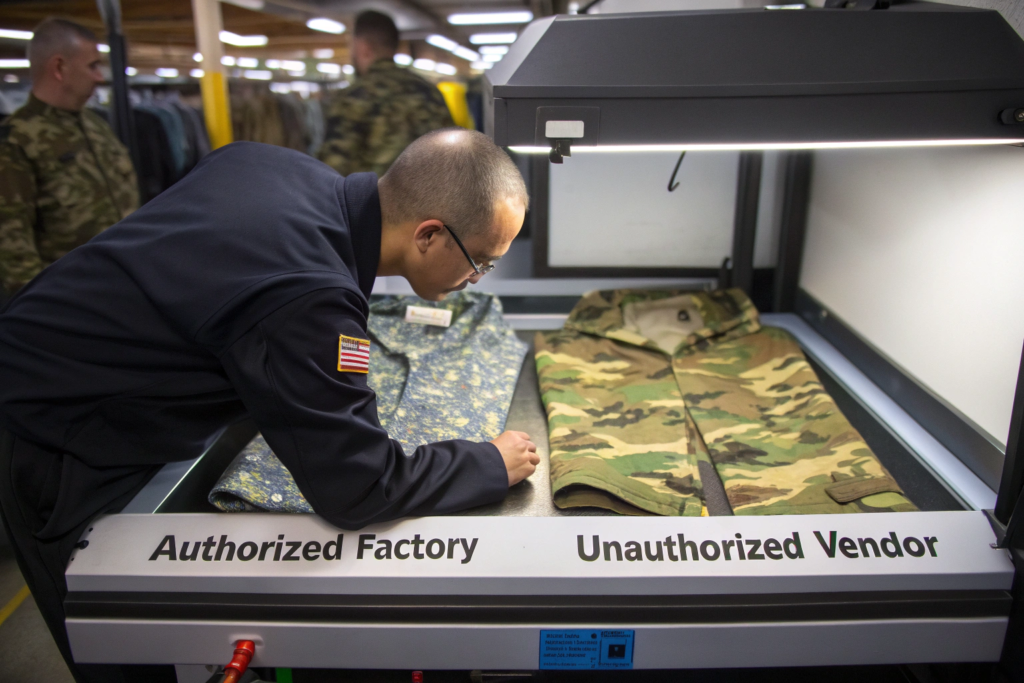
We were audited by a major camouflage licensor in November 2023. The auditor spent 8 hours on our floor. He reviewed our fabric purchase records. He inspected our print registration logs. He interviewed our quality control manager. He collected random samples for independent lab testing. We passed. We received our renewal. Our clients did not need to repeat this exercise. They simply continued ordering. The audit cost was absorbed by our overhead. The value was delivered to our clients through reduced risk and consistent product quality. The WRAP Certification process is similar. Global rights factories typically hold both licensor-specific approvals and independent social compliance certifications. This is layered protection for your brand.
What specific quality metrics are mandated for global rights holders?
Licensors mandate specific performance standards. For printed camouflage, common requirements include: AATCC 61-2013e3 for colorfastness to laundering (minimum grade 4.0), AATCC 16.3 for colorfastness to light (minimum grade 4.0 after 40 hours), and ASTM D5034 for fabric tensile strength. These standards are non-negotiable. A factory that cannot meet them loses their license. When you source from an unauthorized vendor, you have no assurance these standards are met. The vendor may use cheaper inks that fade after 5 washes. Your customer returns the garment. Your brand suffers. We maintain a binder of third-party lab reports for every licensed fabric lot we purchase. These reports are available for client review. We do not guess. We test.
How does global rights status affect sample approval speed?
Sample approval for licensed patterns requires licensor sign-off. The factory must submit strike-offs and production samples to the licensor's design team for color and registration approval. In a non-authorized relationship, you are responsible for this submission. You receive the sample. You mail it to the licensor. The licensor reviews it. They mail it back. You mail it to the factory. This process takes 4 to 6 weeks. An authorized factory has a direct digital submission portal. We photograph the strike-off under calibrated lighting. We upload the image. The licensor reviews it within 48 hours. We receive the approval or correction request instantly. We print the bulk fabric. The 4-week delay becomes a 2-day delay. This speed advantage is critical for seasonal programs.
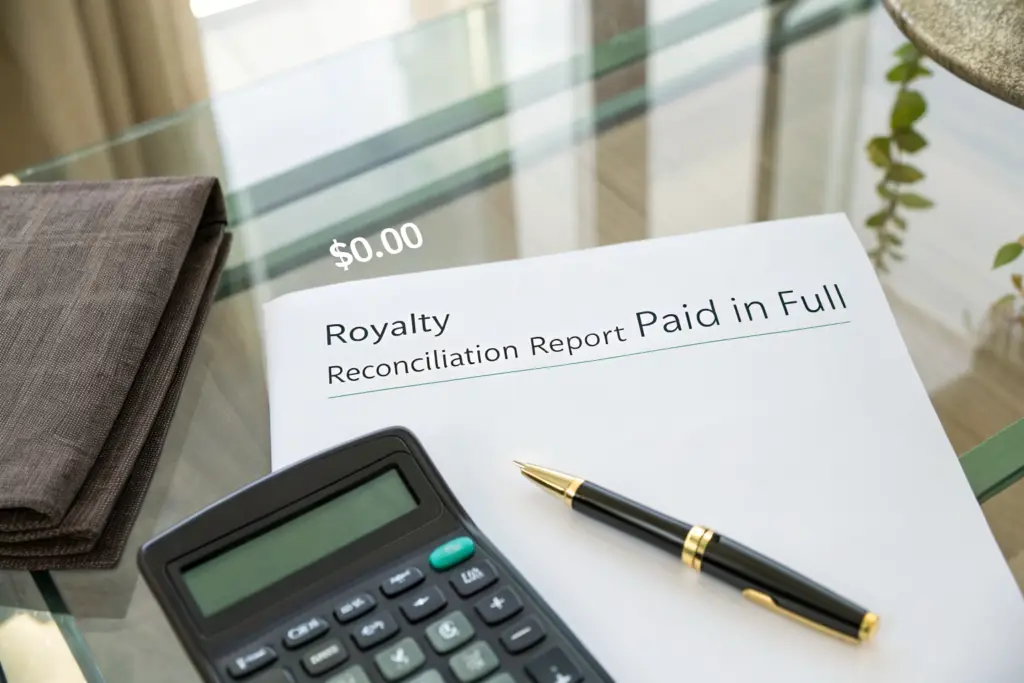
Royalty accounting is a burden. You must track every unit sold. You must calculate the royalty due, typically 5% to 10% of your net wholesale price. You must file quarterly reports. You must send payments. You must reconcile discrepancies. This is administrative overhead. It distracts you from designing and selling.
When you source from a factory with global distribution rights, the royalty is included in the FOB price. The factory pays the licensor directly. You do not file reports. You do not cut checks. You do not reconcile. Your accounting department saves hundreds of hours per year. The cost of this administrative burden is often 1% to 2% of revenue. By eliminating it, you improve your net margin without changing your selling price.
A client from Virginia calculated his internal royalty administration cost in 2022. He spent 3 days per quarter preparing reports. His controller's loaded hourly rate was $65. His total annual labor cost was $3,120. His courier costs for sending samples were $800. His wire transfer fees for royalty payments were $600. His total administrative overhead was $4,520. He produced 15,000 units. This added $0.30 per unit to his cost. When he switched to our factory-licensed program, this cost disappeared. The royalty was embedded. The reports were our responsibility. His margin increased by $0.30 per unit. He re-invested this saving into product development.
How does global rights status affect duty and customs treatment?
US Customs and Border Protection maintains a database of authorized trademark users. If your factory is recorded in this database as an authorized user of Realtree or Mossy Oak, your shipments clear more quickly. The system recognizes the IP ownership. There is no "hold for IP verification." There is no demand for additional bonding. There is no referral to the Center of Excellence and Expertise for manual review. Your shipment clears in hours, not weeks. We have invested significant resources in ensuring our global distribution rights are properly recorded with CBP. We provide our clients with the specific IPR (Intellectual Property Rights) recordation numbers to include in their customs entry documentation. This is a competitive advantage that directly impacts your cash conversion cycle. The CBP IPR Recordation Search is public. You can verify your factory's status today.
This is the trap I mentioned at the beginning. You spend 18 months getting licensed. You spend 12 months developing product with Factory A. You invest in tech packs, sampling, and quality systems. Then Factory A raises their price by 15%. You want to leave. You cannot. Your license is tied to that factory. If you move to Factory B, you must apply for a "factory nomination" or a new license altogether. This process takes 6 to 12 months. You are captive. You have no negotiating power. Factory A knows this. They exploit it. When you source from a globally authorized factory, you are not captive. Your license is not tied to us. Your authorization comes from our global rights, but you are free to move to another authorized factory at any time. This keeps us competitive. We earn your business every order. We do not trap you.
Conclusion
Global distribution rights are not a marketing slogan. They are a legal status granted by the most valuable intellectual property owners in the outdoor apparel industry. They are difficult to obtain and expensive to maintain. They require obsessive attention to quality, compliance, and supply chain integrity. They are also the single most powerful indicator of a factory's reliability and capability.
At Shanghai Fumao, we have made the strategic decision to invest in these rights. We have passed the audits. We have implemented the tracking systems. We have built the relationships with the licensors. We did this because we believe that our clients should not have to navigate this complex landscape alone. You should be able to focus on your brand, your marketing, and your retail relationships. We will handle the compliance. We will pay the royalties. We will pass the customs verification.
If you are currently navigating the licensing application process and finding it slow and frustrating, or if you are paying royalties directly and managing the administrative burden, I invite you to consider a different model. Let us produce your Realtree and Mossy Oak programs under our global distribution authorization. You will save time. You will save money. You will reduce your legal exposure. You will sleep better.
Please contact our Business Director, Elaine, to verify our global distribution credentials and to discuss your upcoming licensed production requirements. She will provide you with our license certificates, territory addendums, and CBP IPR recordation numbers for your verification. Her email is: elaine@fumaoclothing.com. You can review our full manufacturing capabilities and compliance certifications on our website: https://shanghaigarment.com/. We are ready to put our global rights to work for your brand.