In the fast-paced world of apparel, it’s tempting to chase the lowest price for each season’s order. But for brand owners focused on sustainable growth, stability is the new competitive edge. Locking in a partnership through a long-term contract with a licensed, professional manufacturer isn’t about restricting options—it’s about building a powerful, integrated extension of your own team. So, what tangible advantages does this commitment unlock that go beyond a simple supplier-buyer transaction? The benefits cascade from strategic cost savings and elevated quality to innovation speed and profound supply chain resilience.
A long-term contract with a licensed apparel manufacturer provides predictable costing and priority pricing, deepens quality consistency through ingrained standards, accelerates time-to-market via dedicated capacity and R&D collaboration, and creates a resilient, transparent supply chain that can proactively manage risk. It transforms a cost center into a strategic asset.
This partnership model is how ambitious brands move from reacting to the market to actively shaping it. Let’s break down the concrete, operational benefits that make a long-term agreement a smart business strategy.
How does it create cost stability and improve profitability?
The most immediate benefit is financial predictability. A long-term contract, often spanning 1-3 years with agreed-upon annual volumes, moves the relationship from a transactional “price per order” model to a strategic partnership. This allows for predictable costing. The manufacturer can forecast its raw material needs (fabrics, trims) months in advance, securing better prices from mills and locking in rates. A significant portion of these savings is passed on to you as priority pricing or cost stability, shielding you from the volatility of the spot market for cotton, polyester, or freight.
For example, we have a long-term partner, a growing outdoor brand. At the start of 2023, we signed an agreement based on their projected growth. This allowed us to pre-book a large quantity of a specific blended fabric they use across lines. When global fabric prices spiked mid-year due to supply chain issues, their cost per unit remained unchanged, while their competitors faced 15-20% increases. This cost certainty directly protected their margin and allowed for stable wholesale pricing, earning deep loyalty from their retail buyers.

What are the operational cost savings?
Beyond material costs, long-term collaboration eliminates repetitive "setup costs" for each new order. The factory’s understanding of your fit, labeling preferences, and quality benchmarks becomes institutional. This leads to:
- Reduced Sampling Costs: After the first season, sampling becomes more about iteration than starting from zero.
- Lower Risk of Error: Familiarity with your standards reduces costly mistakes in production.
- Optimized Logistics: Consolidated, planned shipments improve DDP mode efficiency and freight costs.
How does it enable better financial planning for the brand?
With a known and stable manufacturing cost structure, you can plan your margins, marketing budgets, and growth investments with far greater confidence. You can negotiate better terms with your own wholesale accounts by offering more reliable pricing. This financial stability is a cornerstone for scaling a brand profitably.
How does it lead to superior and consistent product quality?
Quality isn’t a checkpoint; it’s a culture. A long-term contract allows this culture to be built around your brand’s specific standards. The manufacturer’s team—from pattern makers to line supervisors to QC inspectors—becomes intimately familiar with what “quality” means for you. This deep knowledge translates to consistent quality that is virtually impossible to achieve by hopping between factories.
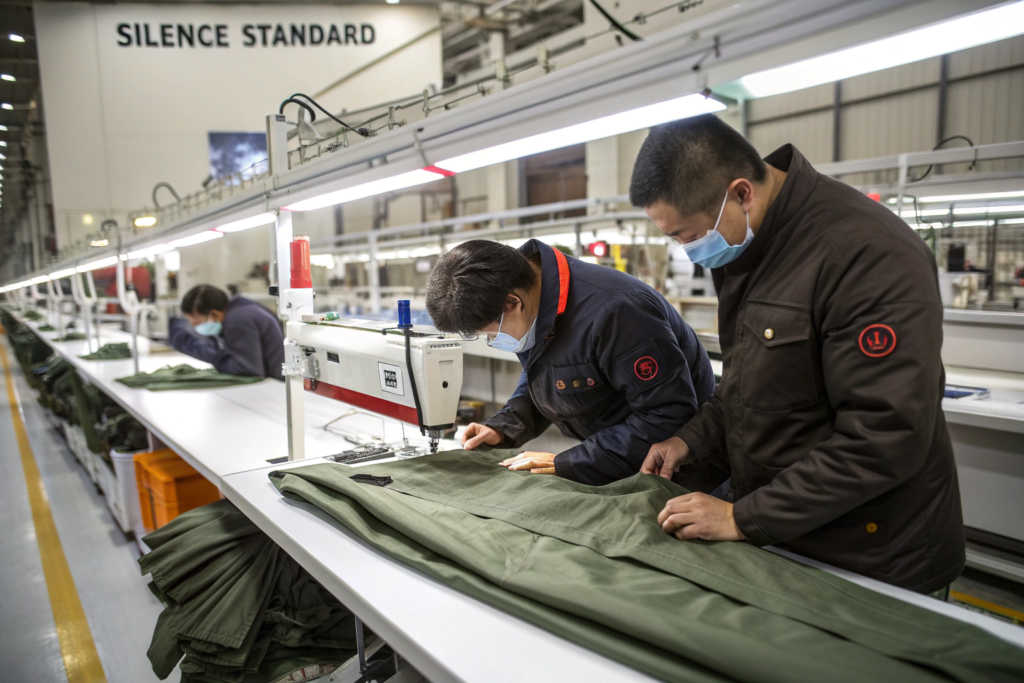
We embed our long-term partners’ quality manuals into our training. For one client specializing in technical hunting apparel, we created a "Silence Standard" testing protocol for their fabrics and a specific bar-tack strength requirement for their load-bearing seams. These are now baked into our quality control process for all their orders. The result? Their product return rate for defects has dropped to less than 0.5% over three seasons, a powerful testament to the quality consistency that builds brand reputation.
What is the "Continuous Improvement" feedback loop?
A long-term partnership creates a closed-loop system for quality enhancement. After each production run and each selling season, you can share direct feedback from the field—what customers loved, what tore, what faded. The manufacturer’s product development team can then engineer solutions for the next cycle. This might involve switching a stitch type, reinforcing a panel, or sourcing a more durable trim. This proactive collaboration turns quality from a static standard into a continuously evolving advantage.
How does it ensure compliance and mitigate risk?
A licensed manufacturer invested in a long-term relationship has a vested interest in protecting your brand from compliance disasters. They will ensure every shipment adheres to the latest chemical compliance (RSL), labeling laws, and safety standards. They become an expert in your compliance needs. The risk of receiving a shipment with non-compliant components or falsified certificates, a major pain point for buyers, is drastically reduced because the partnership is built on transparency and shared liability.
How does it accelerate innovation and time-to-market?
Speed is currency. A manufacturer that knows your brand and has reserved capacity for you can move from concept to sample to bulk production dramatically faster. They become an active creative and technical design support partner, not just an order fulfiller.
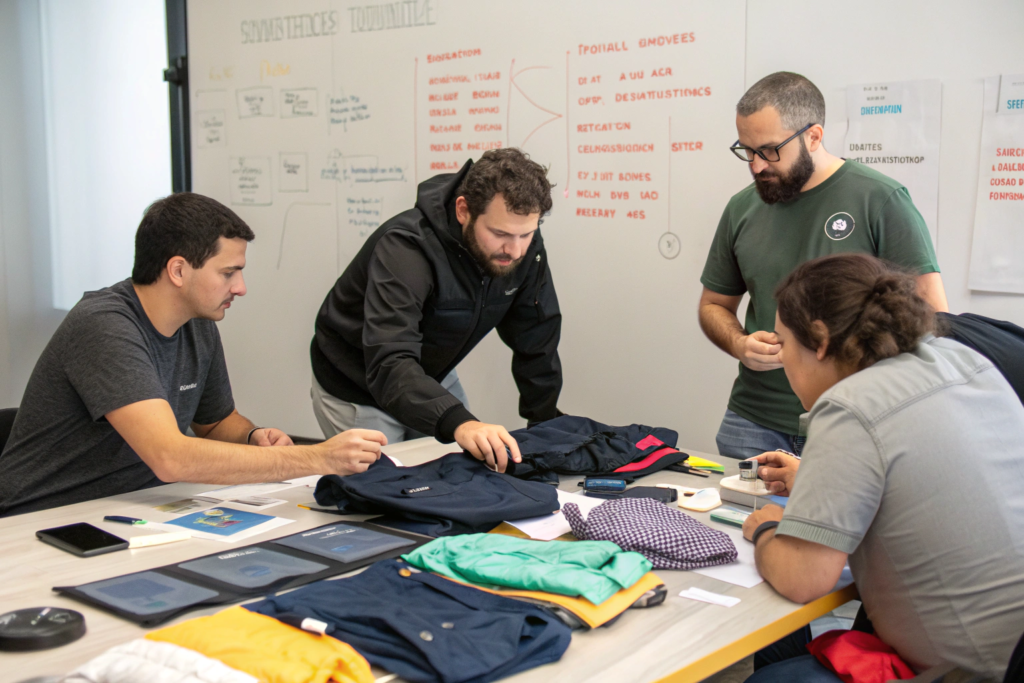
With a long-term agreement, you gain dedicated capacity. This means your projects are prioritized in the production schedule, especially during peak seasons when factory space is at a premium. More importantly, it unlocks access to the factory’s R&D capabilities. For instance, when a long-term partner wanted to explore a new sustainable camouflage printing technique, our R&D team dedicated time and resources to test three different methods, providing them with cost/benefit analyses and physical samples. This collaborative innovation shortened their development cycle by 8 weeks and resulted in a unique product feature they could market exclusively.
How does it streamline the pre-production process?
The foundational work is done once. Approved patterns, graded size specs, and a library of previously used materials are all on file. Launching a new color or a slight style iteration becomes a rapid process. This agility allows you to react to trends faster, test more ideas with lower risk, and reduce your overall time-to-market, giving you a critical edge over competitors.
Why is the manufacturer more invested in your success?
Under a transactional model, the factory’s goal is to complete your order. Under a long-term partnership, their goal is to help you sell more so your orders grow. This aligned interest makes them proactive. They might alert you to a new, cost-effective fabric technology, suggest a trim that’s becoming popular with other leading brands, or help you engineer a value-added feature without significant cost increase. They become a true strategic advisor.
How does it build a resilient and transparent supply chain?
The recent years have exposed the fragility of disconnected, cost-only supply chains. A long-term contract is the foundation of supply chain resilience. It fosters transparency at every level: raw material sourcing, production status, and logistics.
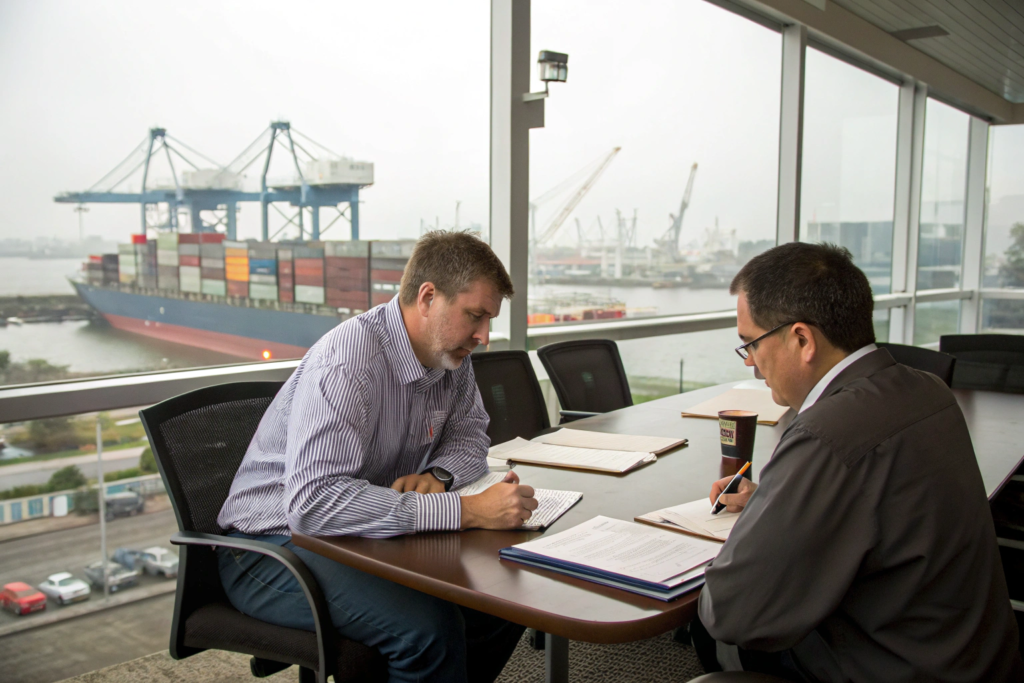
Your manufacturer, as a committed partner, will keep you informed of potential disruptions—like a delay from a fabric mill in Vietnam or congestion at a key U.S. port—and work on contingency plans with you. For example, during a past port strike threat, we proactively rerouted a long-term client’s entire season shipment through an alternative port and mode of transport, using our logistics partnerships. While there was a moderate cost increase, it ensured on-time delivery and saved their selling season. This level of proactive crisis management is only possible with deep, trusted collaboration.
What does operational transparency look like?
Transparency is operationalized through shared systems. This can include access to a production dashboard showing real-time status of each order, from fabric cutting to final packing. It means regular video calls from the factory floor and transparent communication about any challenges. This directly addresses the common buyer pain point of feeling in the dark after placing an order.
How does it simplify and secure your operations?
Ultimately, a long-term partnership simplifies your life. You have one go-to, reliable expert handling complex processes from full-package manufacturing to export & logistics. This reduces your internal administrative burden, allows you to focus on design, marketing, and sales, and gives you the peace of mind that your production is in expert hands. It secures your most important external operation.
Conclusion
A long-term contract with a licensed apparel manufacturer is an investment in stability, quality, speed, and resilience. It moves the relationship from a stressful, transactional negotiation to a strategic alliance where both parties are invested in mutual growth. The benefits—cost predictability, unwavering quality, accelerated innovation, and a bulletproof supply chain—compound over time, creating a formidable competitive moat for your brand.
In an industry riddled with uncertainty, this partnership is the ultimate de-risking strategy and growth accelerator.
If you are ready to transition from seasonal sourcing to building a strategic, long-term asset for your brand, Shanghai Fumao is structured to be that partner. Our systems, from dedicated account management to transparent reporting, are designed for collaborative, long-term success. Contact our Business Director, Elaine, at elaine@fumaoclothing.com to discuss how a structured partnership can transform your apparel business.