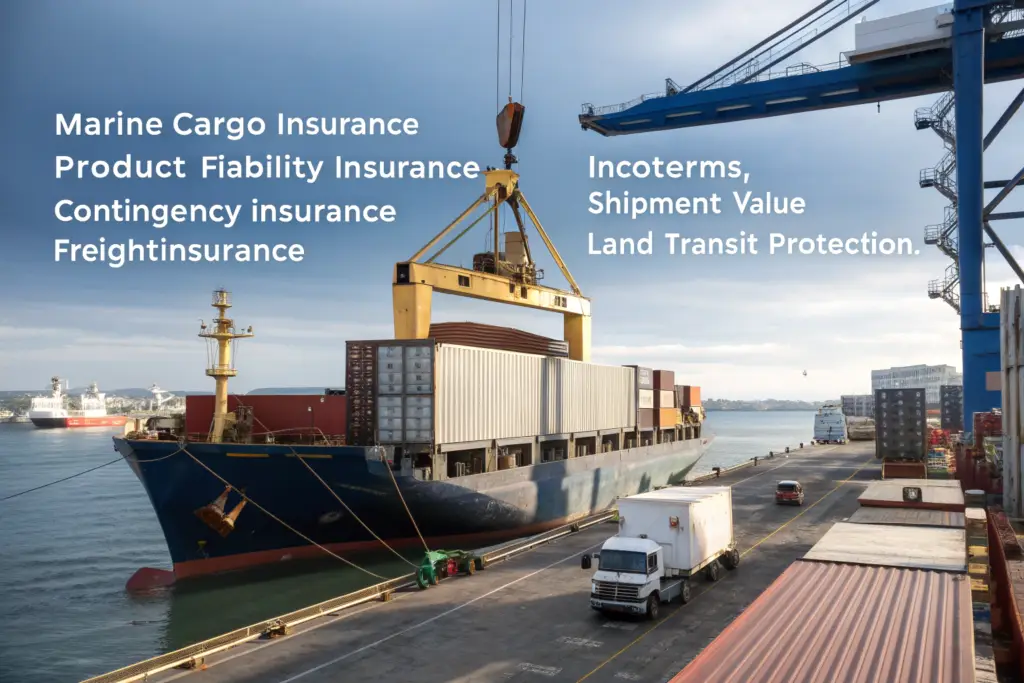
When you’re shipping a high-value container of licensed Realtree camo jackets or branded collegiate apparel across the ocean, the last thing you want is to bear the full financial risk of a disaster. International shipping involves multiple handoffs, various carriers, and exposure to elements beyond your control—from storms at sea to accidents at port. For apparel brand owners and CEOs, understanding and securing the right insurance isn't just paperwork; it's a critical financial safeguard for your inventory investment.
The primary insurance options for shipping licensed apparel internationally are Marine Cargo Insurance (covering physical loss/damage from port to port) and Product Liability Insurance (covering legal/financial risks from product defects). For full protection, a comprehensive package should also include Contingency Insurance for third-party carrier liability gaps and Freight Insurance for land transit. Choosing the right coverage depends on your Incoterms, shipment value, and the specific risks of licensed goods.
At Shanghai Fumao, we’ve managed logistics for thousands of shipments. One painful lesson from early on involved a client’s container of licensed football jerseys. The goods were shipped under FOB terms, meaning the client’s insurance started only once the goods were loaded on the vessel. A crane accident at the Chinese port dropped the container, damaging 40% of the goods. Because the incident occurred before loading, and the client’s policy was not yet active, they faced a total loss on that portion. This experience taught us the absolute necessity of clear, comprehensive, and correctly timed insurance coverage. Let’s break down your options to ensure you’re never left uncovered.
Why is Marine Cargo Insurance the essential foundation?
Marine Cargo Insurance is the cornerstone of international shipping protection. Contrary to its name, it typically covers goods from the moment they leave the seller’s warehouse until they arrive at the buyer’s final destination—this is known as “warehouse to warehouse” coverage. It protects against physical loss or damage caused by a wide array of perils during transit.
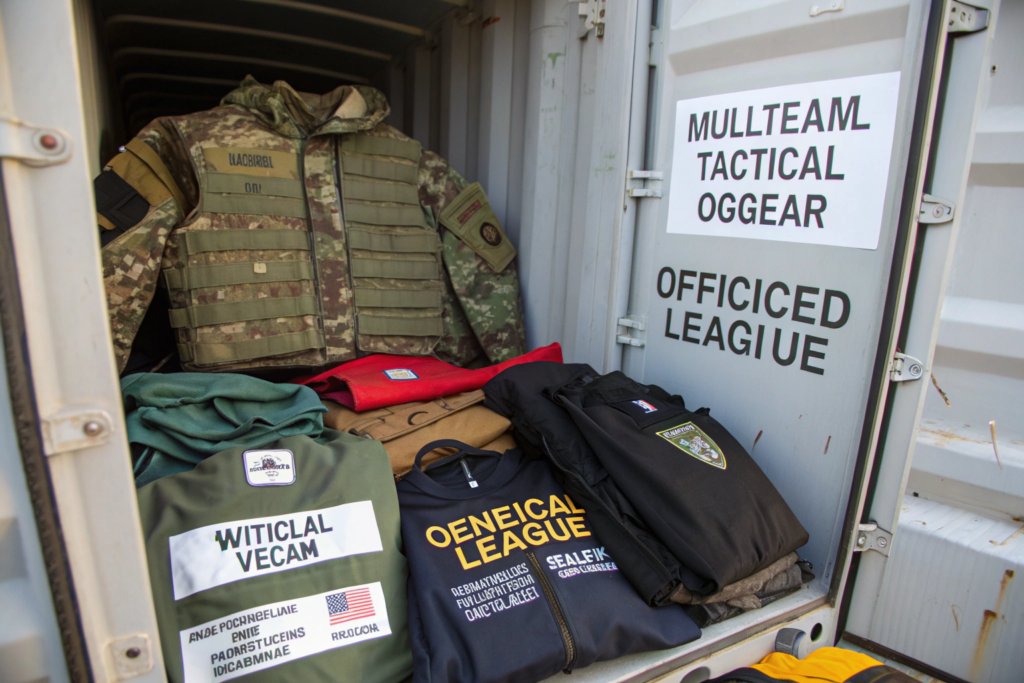
For licensed apparel, this is non-negotiable. A container of garments with high IP value, like MULTICAM tactical gear or official league jackets, represents a concentrated capital outlay. Standard policies cover risks like:
- Marine Perils: Sinking, collision, stranding of the vessel.
- General Average: A maritime law principle where all parties in a voyage proportionally share losses from a voluntary sacrifice (e.g., jettisoning cargo to save the ship).
- Theft, Non-Delivery, and Pilferage.
- Water Damage from rough seas or container leaks.
What are the key clauses to look for in a marine policy?
Don’t just buy a generic policy. For apparel, ensure it includes:
- All-Risk Coverage (Institute Cargo Clauses A): This is the broadest form, covering all risks except specifically excluded ones like inherent vice (e.g., fabric deteriorating on its own) or willful misconduct. It’s recommended for high-value, finished goods.
- Clause for Strikes, Riots, and Civil Commotions (SRCC): Important given potential port labor disputes.
- Clear Valuation Clause: The insured value should be the commercial invoice value plus shipping costs, insurance premiums, and an agreed percentage (often 10%) for expected profit. This ensures you can recover the full potential sales value, not just your cost.
We always advise our Shanghai Fumao clients to explicitly confirm these clauses with their insurer, especially when shipping under DDP (Delivered Duty Paid) terms, where the supplier’s responsibility—and thus insurance need—extends all the way to the client’s door.
How do Incoterms dictate who arranges and pays for insurance?
| Your shipping terms (Incoterms® 2020) explicitly define insurance responsibilities: | Key Incoterm | Risk Transfer Point | Who Typically Insures? | Note for Licensed Apparel |
|---|---|---|---|---|
| EXW (Ex Works) | At seller’s premises | Buyer (for entire journey) | Buyer must arrange insurance from the very first moment. High risk of gap if not coordinated. | |
| FOB (Free On Board) | On board the vessel at origin port | Buyer (from onboard onward) | Seller’s risk/insurance ends at origin port. A critical gap exists between warehouse and port. | |
| CIF (Cost, Insurance & Freight) | On board the vessel at origin port | Seller (until destination port) | Seller buys minimum cover (Institute Cargo Clauses C). Buyer often needs top-up coverage. | |
| DDP (Delivered Duty Paid) | At buyer’s premises | Seller (for entire journey) | Seller bears full risk and should carry robust warehouse-to-warehouse insurance. |
The critical takeaway: Even if the seller arranges insurance under CIF or DDP, you must verify the coverage limits and clauses are adequate for your high-value licensed goods.
Why is Product Liability Insurance crucial for licensed brands?
While Marine Cargo Insurance protects the product itself, Product Liability Insurance protects your business from the legal and financial consequences if the product causes harm. For apparel, this could mean a zipper failure causing injury, a drawstring entangling a child, or even allergic reactions to dyes or finishes.
For licensed products, the stakes are higher. A product recall or lawsuit not only brings direct costs but can also damage the reputation of the intellectual property (IP) owner (e.g., the Realtree brand). Many licensors require their manufacturing partners and, by extension, the brand sellers, to carry a minimum level of product liability insurance as part of the licensing agreement. This protects the licensor from being named in a lawsuit.

What does product liability insurance typically cover?
Coverage generally includes:
- Legal Defense Costs: Even if a lawsuit is frivolous, defense can be extremely expensive.
- Settlements and Judgments: The costs awarded to the claimant.
- Medical Expenses: For injuries caused by the product.
- Recall Expenses: The cost of retrieving defective products from the market.
How do licensors enforce insurance requirements?
Licensors often require:
- Certificate of Insurance (COI): You or your manufacturer must provide a COI naming the licensor as an “Additional Insured.” This gives them direct rights under the policy.
- Minimum Coverage Limits: Commonly $1-5 million per occurrence.
- Proof of Manufacturer’s Coverage: As a brand, you should require the same from your factory. At Shanghai Fumao, we maintain comprehensive product liability insurance and can provide the necessary certificates to our clients and their licensors, simplifying this compliance step.
What are Contingency and Freight Insurance for filling the gaps?
The standard liability limits for ocean carriers are shockingly low. Under international conventions like the Hague-Visby Rules, a carrier’s liability can be limited to a mere $500 per package or customary freight unit (CFU). For a container holding 5,000 jackets, this is grossly inadequate. Contingency Insurance (or “Carrier’s Liability Gap” insurance) is designed to cover the difference between the carrier’s limited liability and the actual value of your goods.
Furthermore, Freight Insurance (or Inland Transit Insurance) covers the overland portions of the journey—trucking from the factory to the port in China, and from the arrival port to your warehouse in the U.S. These legs are often where handling is roughest and theft risk can be higher.
How do you identify and close these coverage gaps?
A thorough risk assessment should map the entire journey:
- Identify the Weak Links: The transfer points between trucks, warehouses, and ports are high-risk.
- Audit Carrier Liability: Understand the contracts (Bill of Lading terms) with your freight forwarder and carriers.
- Purchase Tailored Riders: Work with your insurance broker to add riders to your marine policy that:
- Extend coverage to include pre-carriage and on-carriage (Freight Insurance).
- Waive subrogation rights against carriers under certain terms, ensuring a smoother claims process.
- Specifically cover the gap between carrier liability and full value (Contingency Insurance).
Conclusion
Insuring licensed apparel shipments internationally is a complex but vital puzzle. It requires layering Marine Cargo Insurance for physical damage, Product Liability Insurance for legal risk, and supplementary policies to close dangerous gaps in carrier liability and land transit. The right coverage is dictated by your chosen Incoterms, the total value of your shipment, and the specific requirements of your licensing agreements.
Neglecting this area exposes your business to catastrophic, unplanned losses that can erase the hard-earned margins from your sourcing model. Proactive, detailed insurance planning is a hallmark of a professionally managed supply chain.
As a full-package manufacturer experienced in shipping licensed goods globally, Shanghai Fumao can guide you through these complexities. We can coordinate logistics under secure Incoterms like DDP and ensure all necessary insurance certificates are in place for a seamless, protected journey for your goods. To discuss how to build a risk-proof shipping and insurance strategy for your next order, contact our Business Director, Elaine, at: elaine@fumaoclothing.com.