If you're sourcing apparel from overseas, you've likely faced this frustration: a factory delivers perfect technical quality, but the product feels slightly "off" for your American customers. The fit is wrong. The styling is dated. The fabric doesn't match the season's demand. This disconnect costs you sales, markdowns, and brand relevance. The root cause is often a factory that views your order as just a piece of cloth to be cut and sewn, not as a strategic product for a specific, fast-paced market.
Partnering with a factory that deeply understands US market trends is crucial because it transforms your supplier from a passive order-taker into an active strategic partner. This partnership ensures your products are developed with the right fit, fabric, timing, and aesthetic for American consumers from the very first sample, dramatically reducing time-to-market, minimizing costly errors, and increasing your product's sell-through rate. In today's competitive landscape, your manufacturing partner's market intelligence is as vital as their sewing machines.
At Shanghai Fumao, our daily work with American brands has taught us that this understanding isn't a luxury; it's the baseline for success. Let's break down exactly why this knowledge gap is so expensive to bridge on your own, and how the right factory closes it.
How does trend awareness prevent costly design mistakes?
A factory focused only on execution will follow your tech pack to the letter, even if there's a hidden flaw in the trend direction. A factory attuned to the U.S. market acts as your first line of defense. They recognize when a silhouette popular in Asia might not translate to American body types or style preferences. They know which fabrications are gaining momentum for the upcoming season and which are becoming saturated. This proactive insight prevents you from investing in sampling and production for a product that is already behind the curve before it even hits the warehouse.
Can a factory predict fabric trends before production?
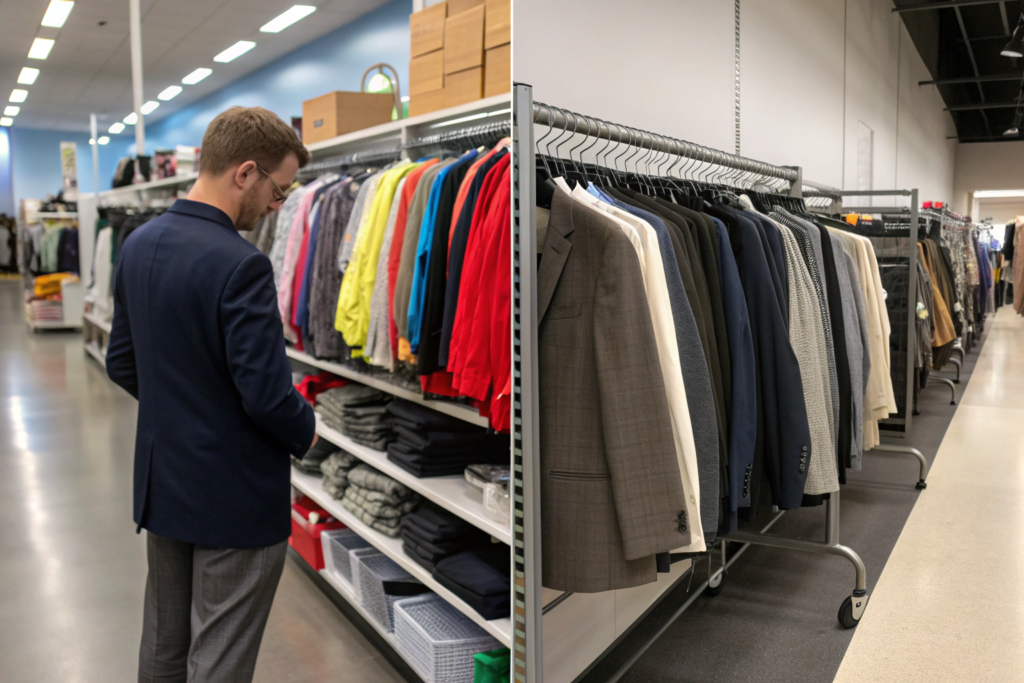
Absolutely, and this is a major value driver. The best factories don't just buy fabric; they are embedded in the textile innovation cycle. They attend global fabric shows like Première Vision and have direct relationships with mills that are developing next-generation materials. For instance, when the demand for brushed and peached fabrics surged in U.S. loungewear, we had already secured premium cotton blends with the right hand-feel for our clients. Another example is the rise of performance naturals—natural fibers with moisture-wicking or stretch properties. Because we saw this U.S. trend early, we sourced suitable yarns and developed knitwear expertise around them, allowing a client to launch a bestselling line of high-performance merino wool base layers ahead of their competitors.
Why is fit customization for the US body non-negotiable?
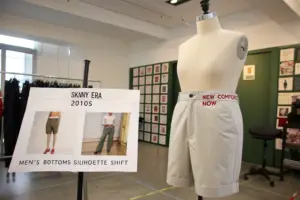
The standard "Asian fit" or "Euro fit" is a recipe for high return rates in the U.S. market. American consumers have distinct and diverse body proportions. A factory that understands this will maintain and recommend a library of proven grade rules and fit blocks specifically developed for the U.S. market. Last year, a client sent us a design based on a Korean fashion trend. Our technical design team immediately flagged that the shoulder and hip proportions would not work for their target demographic. We adjusted the pattern before sampling, creating a modified silhouette that captured the trend's essence while flattering the U.S. customer. The client avoided what would have been a total production loss and instead achieved a top-selling style. This deep knowledge of U.S. apparel sizing standards and preferences is a core part of our product development service.
How does market timing impact sourcing and logistics?
The U.S. retail calendar is a relentless drumbeat: Back-to-School, Holidays, Spring Break, Summer. Missing a selling season because of production or shipping delays is a catastrophic financial blow. A factory that merely manufactures is a risk. A factory that understands the criticality of these deadlines builds its entire operation around them. They plan production slots around your go-to-market dates, not just their own capacity. They understand the logistical bottlenecks of shipping to the West Coast versus the East Coast during peak seasons and advise on DDP (Delivered Duty Paid) terms accordingly to ensure clarity and on-time delivery to your doorstep.

What are the risks of missing a key selling season?
The risks are absolute profit losses. Firstly, you are forced to sell a seasonal product at a deep discount, destroying your margin. Secondly, you incur holding costs for inventory that sits unsold for months. Thirdly, and most damagingly, you lose customer trust and brand momentum. A sportswear brand we partnered with in 2023 had a previous supplier delay a crucial shipment of outerwear for the holiday season by three weeks. The stock arrived in January. The brand took a 60% loss on the entire order. When they came to us, we implemented a phased production and air freight contingency plan for their critical holiday line, guaranteeing on-time delivery. Our understanding of the stakes involved made us manage the project not as a simple order, but as a time-sensitive launch.
How can a factory streamline the critical path from design to delivery?
Efficiency comes from foresight and integrated control. A factory with U.S. market experience streamlines the path by:
- Concurrent Processing: While samples are being approved, they are securing bulk fabric and booking production lines.
- Proactive Logistics Management: They don't wait for production to finish to book shipping. They forecast the container needs and secure space with reliable freight forwarders in advance.
- Clear Communication Protocols: They provide real-time, accessible updates, often through platforms like Alibaba Trade Assurance or direct ERP integrations, so you are never in the dark.
This end-to-end control, which we call full-package manufacturing, is designed specifically for brands that cannot afford surprises. We've seen that transparency in logistics is one of the biggest pain points for American buyers, and solving it requires a factory that thinks like a partner, not just a vendor.
Why is aesthetic relevance as important as quality?
You can have a perfectly stitched shirt that no one wants to buy. Quality is table stakes; aesthetic relevance is what opens the wallet. The U.S. market has a unique blend of influences: West Coast casual, East Coast sophistication, Southern heritage, and streetwear sensibilities. A factory that only follows instructions may misinterpret a "relaxed fit" or a "vintage wash," delivering a product that misses the mark. A knowledgeable factory brings a curatorial eye. They help you refine a mood board, suggest trims and washes that resonate stateside, and ensure the final product has the right "hand" and drape that American consumers expect.
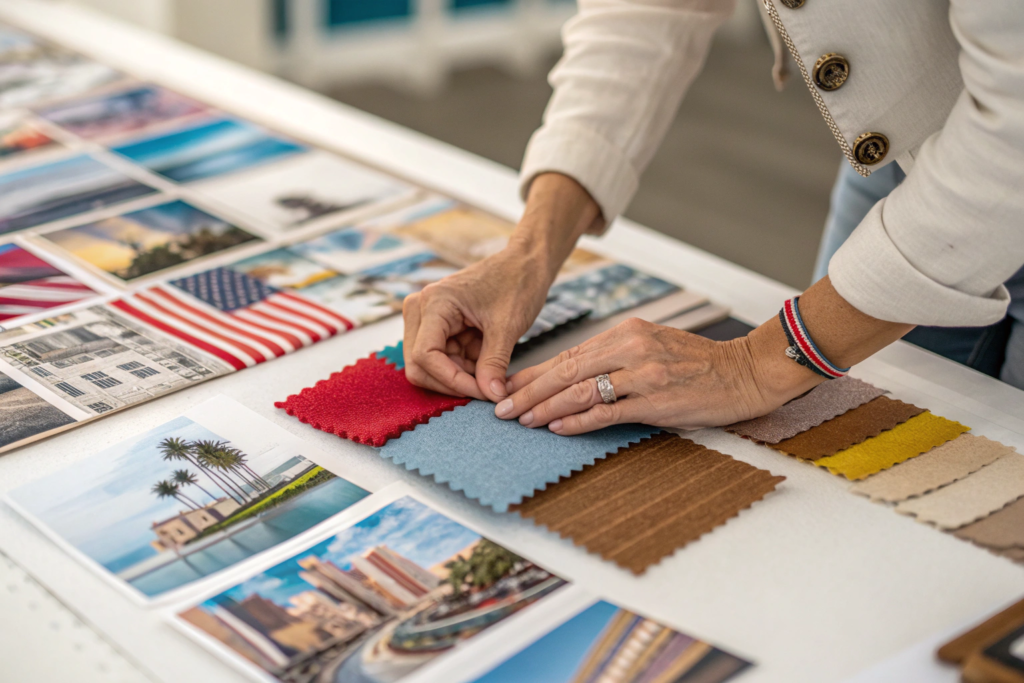
How does color and detail preference vary by region?
The variation is significant and impacts buying decisions. For example, the palette that works for activewear in fitness-conscious California might differ from what sells in the outdoor markets of Colorado. A factory exposed to diverse U.S. brands develops an intuition for these nuances. They know that certain neon accents perform well in youth-oriented streetwear, while heritage brands require muted, earthy tones. We once worked with a brand targeting the Texan market. Their initial sample used a lightweight, bright plaid. Our team, understanding the regional preference for rugged, traditional styles, suggested a heavier weight cotton in a classic, darker tartan. The revised sample became their bestselling woven shirt.
Can a factory help adapt global trends for American taste?
This is where true partnership shines. Consider the "gorpcore" trend, which originated from outdoor gear. A basic factory might just source a functional shell fabric. A market-aware factory like Shanghai Fumao understands that for the U.S. market, this trend is about fashion-first functionality. We would suggest a more tailored silhouette, a premium branded zipper from YKK, and a focus on tech details that are visible and aesthetic, not just utilitarian. We helped a New York-based brand adapt this trend by developing a lightweight, packable jacket with a fashion-forward cut but authentic performance details, perfectly bridging high-fashion and utility—a key U.S. consumer desire.
How does this partnership improve cost efficiency and ROI?
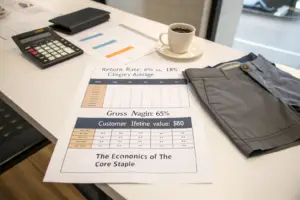
It may seem counterintuitive, but paying slightly more for a strategically intelligent factory often leads to a much higher return on investment. The cost of a mistake—in fabric, fit, timing, or aesthetic—dwarfs any minor savings in unit cost. The right factory prevents these costly errors at the source. Furthermore, their efficiency and accurate forecasting prevent expedited shipping fees, eliminate costly mid-production changes, and, most importantly, lead to products that sell through at full price, maximizing your profit margin.
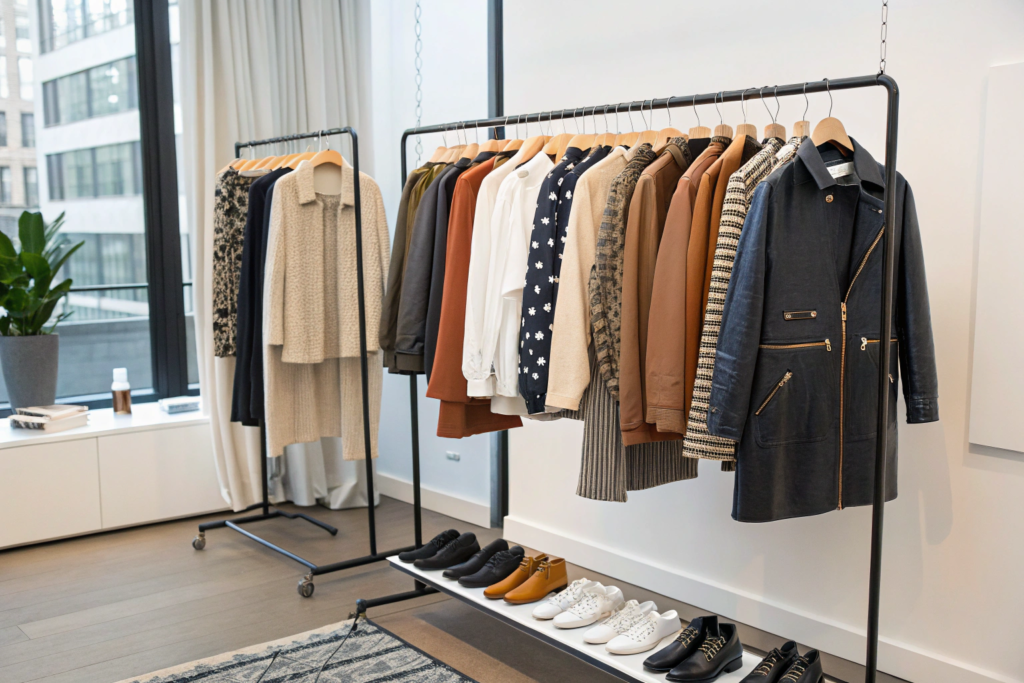
The hidden costs are everywhere:
- Sampling Loops: Multiple, costly sampling rounds because the factory doesn't grasp the aesthetic goal.
- Air Freight: Rushing shipments to compensate for poor production planning.
- Chargebacks: Retailer penalties for late deliveries to their DCs.
- Markdowns: The largest hidden cost—selling a misplaced product at a loss.
A client came to us after losing 22% of their projected profit on an order due to air freight and quality claims from a previous supplier. By aligning our production planning with their sales calendar and implementing rigorous quality control checkpoints, we stabilized their margins and improved their retailer relationships within two seasons.
How does strategic sourcing secure better long-term pricing?
A factory that sees your business growth as its own success invests in the relationship. They offer value engineering—suggesting alternative fabrics or construction methods that maintain quality but reduce cost. Because they understand your volume needs and seasonality, they can make bulk material purchases on your behalf, passing on the savings. They become an extension of your team, constantly looking for efficiencies. This collaborative approach to competitive pricing is a hallmark of how we operate at Shanghai Fumao. We don't just give a quote; we build a cost structure that supports your brand's growth and profitability in the challenging U.S. market.
Conclusion
In the complex equation of importing apparel, partnering with a factory that possesses deep, operational knowledge of U.S. market trends is the most critical variable for success. It is the difference between a supplier who creates products and a partner who builds your business. This expertise directly safeguards your profitability by ensuring design relevance, guaranteeing on-time delivery for crucial selling seasons, nailing the aesthetic details that drive consumer desire, and ultimately optimizing your total cost and return on investment.
Your brand's competitiveness in America depends on more than just quality stitching; it depends on the cultural and commercial intelligence embedded in your supply chain. Don't let a knowledge gap in your factory become a market gap for your brand.
Ready to partner with a manufacturer that speaks the language of the U.S. market fluently? Shanghai Fumao is built to be your strategic ally, turning American market trends into commercial success with reliability and precision. Let's discuss how we can streamline your sourcing and amplify your brand's relevance. Contact our Business Director, Elaine, today at elaine@fumaoclothing.com to begin a partnership designed for growth.