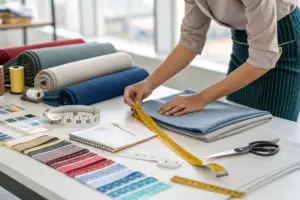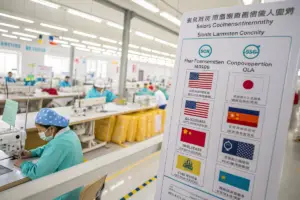
You're building an apparel brand in a crowded market. You've secured the rights to use a coveted licensed pattern like Realtree, Marvel, or a major sports league. Now, you face a critical choice: source through a middleman/trading company or go directly to a licensed factory. While the middleman might promise ease, the direct route holds transformative power for your brand's story, credibility, and customer loyalty. In today's market, where consumers dig deeper than ever, your supply chain is no longer a back-office secret—it's a potent marketing asset.
The marketing benefits of sourcing directly from a licensed factory are substantial: it provides authentic, verifiable stories for brand storytelling, creates powerful claims of exclusivity and quality that competitors cannot easily replicate, and builds unshakable consumer trust by offering transparency into ethical and compliant production.
For brand owners and CEOs, this decision moves beyond procurement logistics into the heart of brand strategy. At Shanghai Fumao, as a direct licensed manufacturer, we empower our partners to leverage these benefits fully, turning a sourcing decision into a competitive moat. Let's explore how direct access translates into marketing gold.
How Does It Provide Authentic Content for Brand Storytelling?
Modern marketing thrives on authentic, behind-the-scenes narratives. A direct factory relationship gives you a treasure trove of genuine content that resonates far more than generic stock imagery or vague claims.
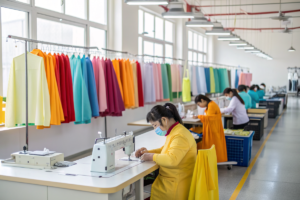
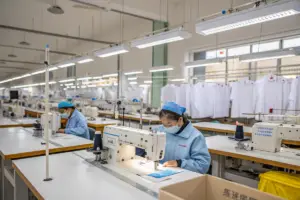
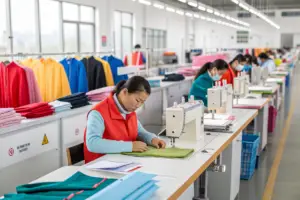
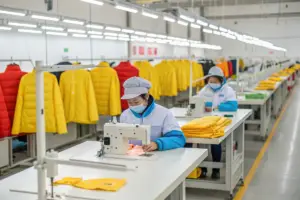
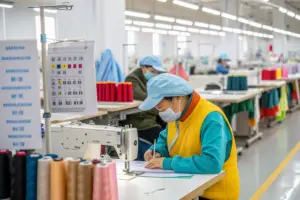
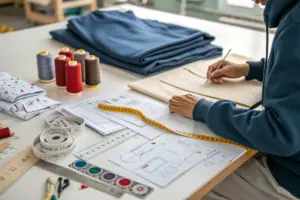
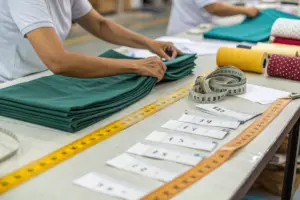
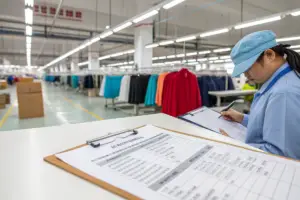
Direct sourcing provides authentic content by granting you access to document the real journey of your product—from technical design sessions and fabric selection to skilled craftsmanship on the production line—all of which can be woven into compelling "Origin Stories" for your marketing channels.

What Kind of Stories Can You Tell?
- The Craftsmanship Story: You can show videos of skilled pattern makers aligning a Realtree pattern with laser precision or technicians testing fabric for waterproofing. This moves your product from a "commodity" to a "crafted good." For instance, we helped a hunting apparel brand create a short documentary series called "From Pixel to Pattern," showing how their digital camo design is perfected and translated into fabric at our partnered mill.
- The Problem-Solving Story: Share how a direct collaboration solved a specific customer pain point. "Our last jacket zipper failed in the cold. So, we went directly to our factory's engineers, and together we sourced and tested this military-grade YKK zipper for our new line." This demonstrates responsiveness and quality assurance commitment that a middleman cannot credibly claim.
- The Partnership Story: Feature interviews (with permission) with the factory's quality control manager or head pattern maker. Putting a face to the "maker" humanizes your brand and builds an emotional connection. This content is perfect for social media like Instagram Reels or LinkedIn articles, directly addressing the B2B aspect of your audience.
This depth of storytelling is impossible if you are separated from production by layers of agents. It provides a constant stream of unique content that feeds SEO, engages audiences, and supports a premium brand image.
How Does It Create Claims of Exclusivity and Superior Quality?
In a market saturated with similar-looking products, exclusivity is currency. Sourcing directly from a licensed factory allows you to make concrete, defensible claims that your competitors who use generic supply chains simply cannot.
It creates exclusivity by enabling true limited editions, custom-developed fabrications, and proprietary construction techniques that are exclusive to your brand, allowing you to market "factory-direct quality" as a tangible, superior benefit rather than an empty slogan.
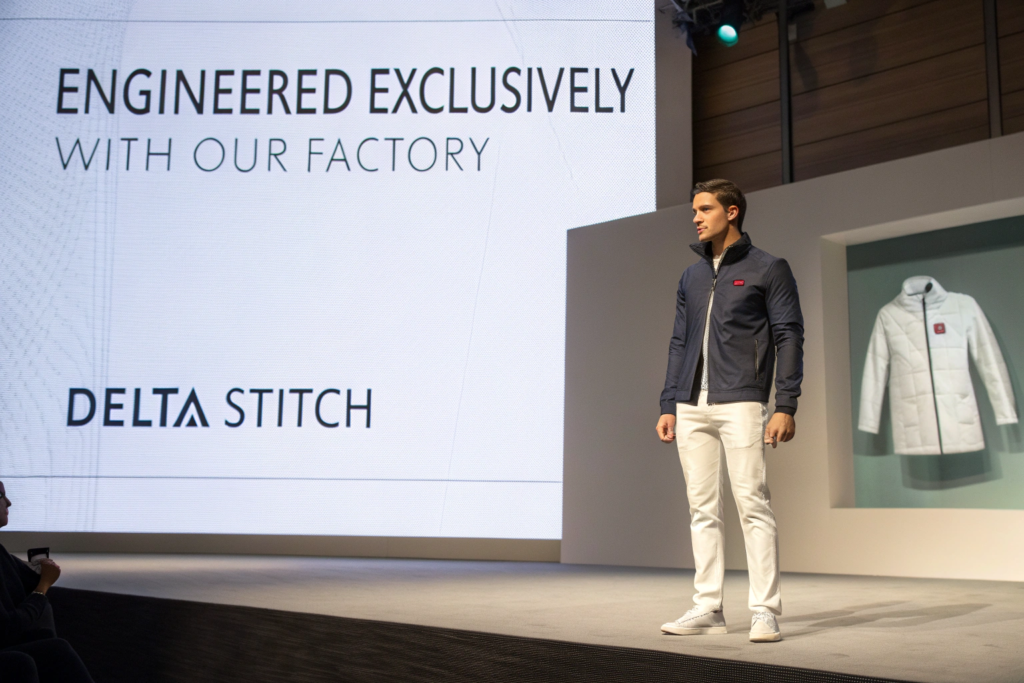
What Are Examples of Marketable Exclusive Advantages?
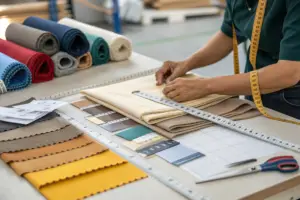
- Exclusive Fabric Finishes: Working directly with the factory and mill, you can develop a custom finish. For example, "Our Mossy Oak pattern is printed on a fabric treated with our proprietary Silent-Tech finish, reducing noise by 30% compared to standard camo." This is a patentable, marketable feature.
- Co-Developed Construction: "We worked directly with Shanghai Fumao's technical team to create the 'LockSleeve' gusset, eliminating underarm blowouts common in competitive gear." This is a specific, solution-oriented claim.
- Limited Access to New Patterns: As a direct, trusted partner of the factory (who is a direct partner of the licensor), you might get early access to new pattern releases or special colorways before they are available on the open market. You can market these as "First Edition" or "Founder's Series" collections.
A brand we work with used our direct access to a specific mill to create a Realtree pattern on a unique, ultra-lightweight wool-blend base that no other brand had. They marketed it as "The World's First Realtree Merino Hunting Tee" and sold out their initial run in 48 hours. This is the power of product development leverage.
How Does "Direct" Translate to Perceived Quality?
The phrase "Direct from the Licensed Factory" implicitly communicates several powerful ideas to a discerning customer:
- No Middleman Markups: The value is in the product, not the supply chain.
- Strict Oversight: You have direct control, implying higher consistency.
- Authenticity Guarantee: For licensed goods, this is paramount. It reassures the buyer that the logo or pattern is 100% official, not a cheap replica. This directly mitigates the consumer fear of counterfeit goods.
You can build entire campaigns around this. "Why do we work directly? Because every stitch counts." This narrative supports a higher price point and fosters brand loyalty.
How Does It Build Consumer Trust Through Radical Transparency?
Today's consumers, especially millennials and Gen Z, demand transparency. They want to know who made their clothes, under what conditions, and with what materials. A direct factory relationship allows you to meet this demand with honesty and evidence, building trust that translates into long-term loyalty.
It builds trust by enabling you to provide verifiable proof of ethical manufacturing, authentic licensing, and material sourcing—addressing growing consumer concerns about sustainability, labor practices, and product authenticity head-on.
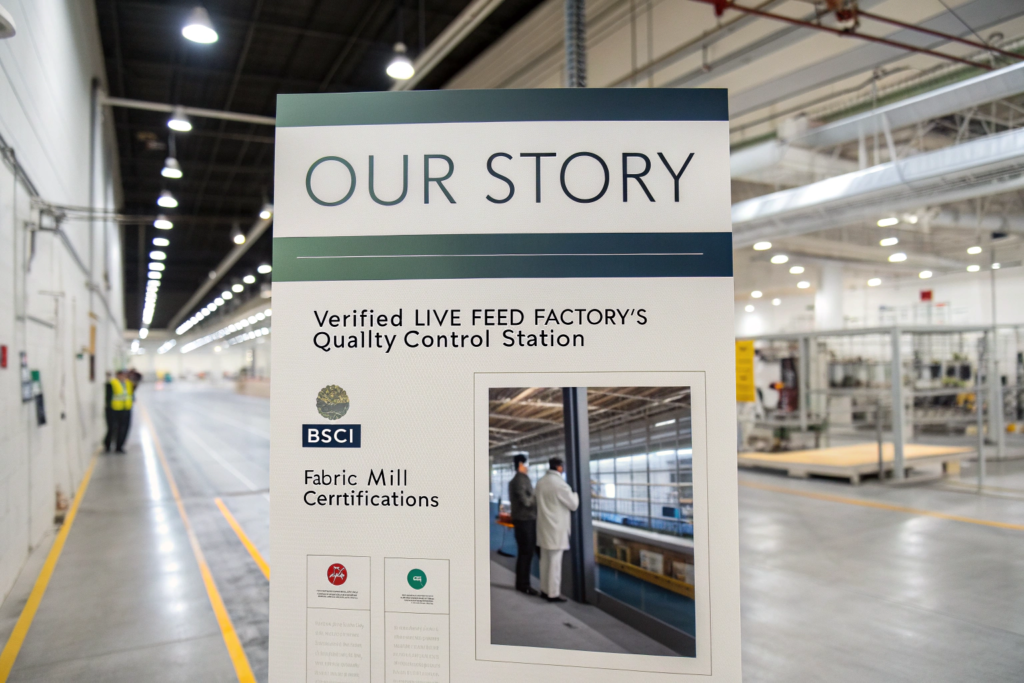
What Transparency Assets Can You Leverage?
- Ethical Audit Trail: As a direct client, you can request and share the factory's latest social compliance audit reports (like SMETA or BSCI). You can say, "We partner with Shanghai Fumao, a factory audited to Gold-standard WRAP principles," and link to the summary. This is a powerful rebuttal to concerns about overseas labor.
- Live Supply Chain Glimpses: Use scheduled live videos or "story" features on Instagram to show your factory floor during production of your order. This raw, unfiltered access is incredibly compelling.
- License Verification: You can openly explain the licensing chain. "Our Realtree pattern is sourced directly from the authorized mill that supplies our licensed factory. Here is how the process works." This educates the consumer and positions your brand as the authoritative, trustworthy source.
This level of openness directly counters the industry pain points of opacity and distrust. It turns your supply chain from a potential liability into a definitive asset. For example, a kids' wear brand we partner with uses our OEKO-TEX® certified fabric reports as a key selling point on their product pages, directly linking to the certification explanation.
How Does Transparency Drive Community and Advocacy?
Transparency fosters a sense of community and co-creation. When you share the journey—the challenges of perfecting a sample, the celebration of production start—you invite your customers along. This turns them from passive buyers into invested advocates. They become defenders of your brand and your "direct from factory" ethos in comments sections and reviews, providing authentic social proof that no ad can buy.
Conclusion
Sourcing directly from a licensed factory is a strategic marketing investment, not just an operational one. It provides the authentic storytelling bedrock, exclusive product advantages, and radical transparency that modern brands need to differentiate, justify premium positioning, and build deep, lasting trust with their customers.
In an era where consumers are increasingly skeptical and value-driven, a direct factory partnership offers the verifiable proof points needed to craft a compelling, credible, and defensible brand narrative. It allows you to market not just a product, but a provenance and a promise.
At Shanghai Fumao, we are more than a production facility; we are a content partner and a credibility source for our clients. We provide the access, documentation, and collaboration necessary to turn our manufacturing expertise into your marketable advantage. If you are ready to leverage the full marketing power of a direct licensed factory partnership, let's build your brand's story together. To start the conversation, please contact our Business Director Elaine at: elaine@fumaoclothing.com.