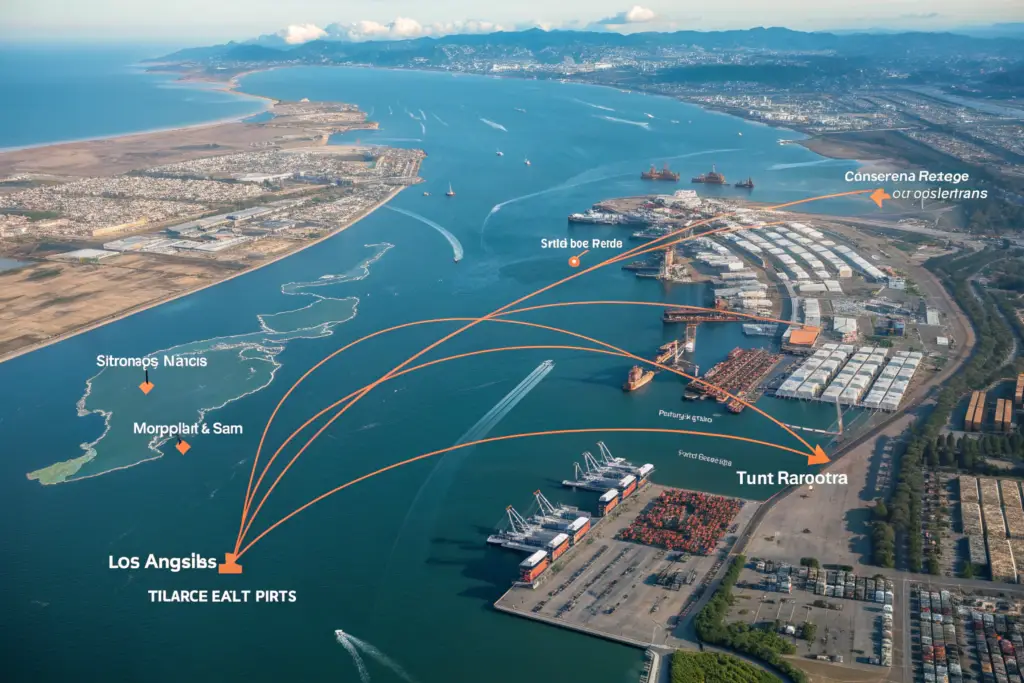
When you're sourcing apparel for the North American market, you might think a factory's quote is the most important number. But savvy brand owners know another factor can make or break your entire operation: the manufacturer's physical location. A great price from a factory in a remote, landlocked region can be completely erased by logistics nightmares, delays, and hidden costs. The location isn't just an address; it's a direct determinant of your supply chain's reliability, cost, and speed.
A manufacturer's location is critically important for exporting to North America because it determines logistics efficiency and cost, impacts the agility of your supply chain through lead times and sampling, and influences the factory's inherent expertise in navigating North American trade regulations, compliance standards, and market trends.
Choosing a factory in the right place is a strategic decision that affects your bottom line and your brand's responsiveness. As Shanghai Fumao, located in China's premier commercial and logistics hub, we see daily how our location provides tangible, competitive advantages for our U.S. and Canadian partners. Let's break down exactly why geography matters so much.
How Does Location Dictate Logistics Efficiency and Cost?
Logistics is the bloodstream of your import business. The factory's proximity to major export infrastructure—deep-water ports, airports, and rail hubs—directly controls how smoothly and cheaply your goods can move from the production line to your warehouse.
Location dictates logistics efficiency by determining inland transportation costs and time, access to frequent and direct shipping services, and vulnerability to regional congestion or disruptions, all of which translate into predictable (or unpredictable) landed costs and delivery dates for you.
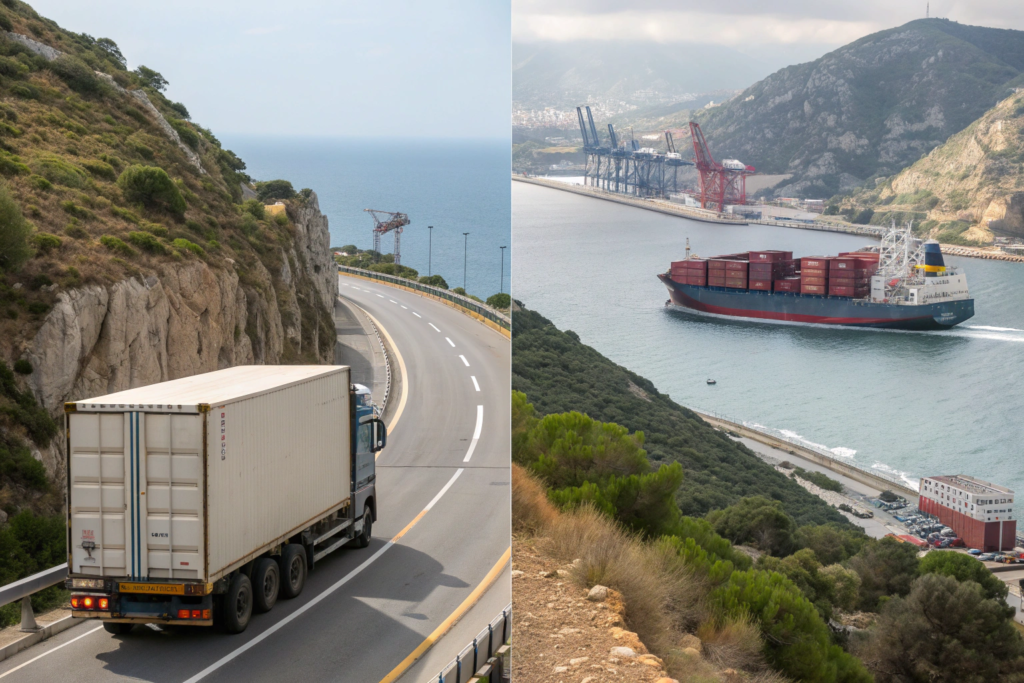
What Are the "Hidden" Costs of a Poor Location?
A factory far from a port creates multiple cost layers that erode a low per-unit price:
- High Inland Freight Costs: Transporting containers hundreds of miles by truck or rail to the port is expensive and adds days to your lead time. For a 40-foot container, this can add $500-$2000+ to your cost.
- Consolidation Delays and Fees: Factories in remote areas often can't fill a full container quickly. Your goods must be sent to a Consolidation Center (CFS) to be grouped with others, risking damage, mis-routing, and adding 1-2 weeks and extra handling fees.
- Inflexible Shipping Schedules: Remote factories are tied to fewer trucking schedules and port departures. Missing a cutoff by a few hours can mean a week's delay for the next sailing.
We had a client who previously sourced from a factory in inland China. Their shipments were consistently delayed 10-14 days due to these consolidation and drayage issues. By switching to Shanghai Fumao, located near the Port of Shanghai—the world's busiest container port—their goods move from our door to the vessel in under 48 hours, with direct, weekly sailings to LA and Seattle. This reliability is core to our promise of on-time shipment.
Why is Port Access Critical for Speed?
Proximity to a major port like Shanghai, Ningbo, or Shenzhen means:
- More "Sailings Per Week": You have options. If one carrier is full or delayed, there's another sailing soon.
- Faster Transits: The first leg of the journey (factory to port) is short, reducing the total "door-to-door" time.
- Better Ocean Freight Rates: Carriers offer better rates from major load centers due to volume efficiency.
This access allows us to offer true DDP (Delivered Duty Paid) services confidently. We control and optimize the entire journey, giving you a single, all-in cost to your door in North America.
How Does Location Impact Supply Chain Agility?
The North American fashion and retail calendar is fast and unforgiving. The ability to make quick decisions, approve samples rapidly, and adjust to trends is a competitive weapon. A factory's location significantly enables or hinders this agility.
Location impacts agility by affecting sampling speed and communication ease, the ability to conduct last-minute pre-shipment inspections or resolve issues in person, and the factory's own access to a vast ecosystem of trim suppliers and fabric mills for rapid sourcing.
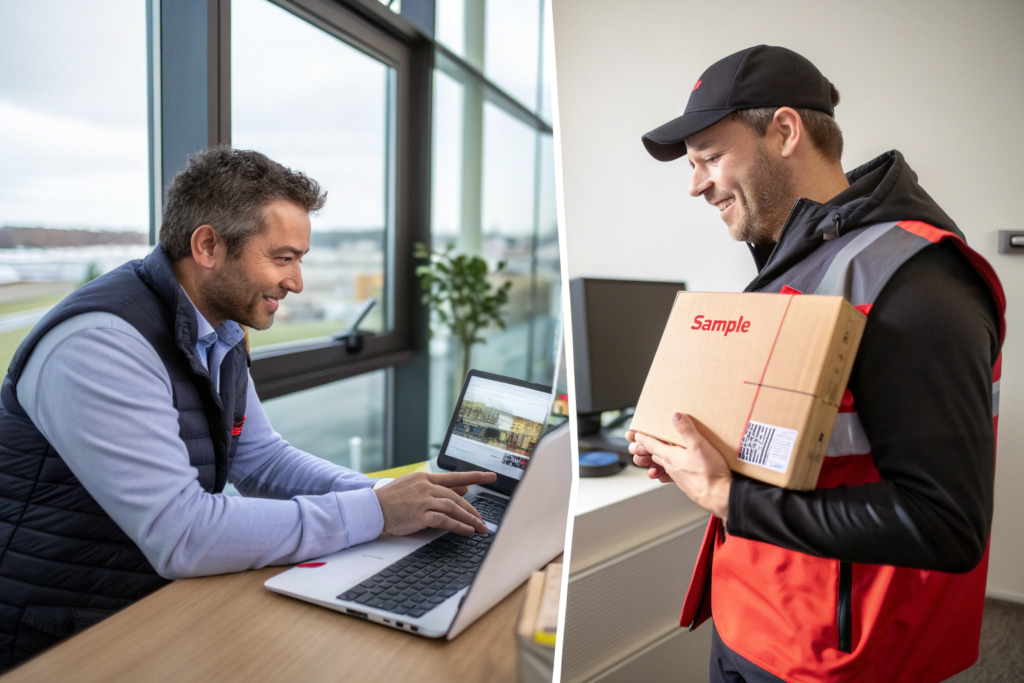
Can Location Speed Up the Development Process?
Absolutely. Consider the sampling cycle:
- Courier Speed: Shipping a prototype sample from a major hub like Shanghai to the U.S. takes 2-3 days via DHL/FedEx. From a remote location, it can take a week just to reach the international courier's hub.
- Access to Materials: A factory in a major industrial cluster has next-day access to thousands of trim, button, zipper, and fabric suppliers. In early 2023, a client needed a specific reflective tape for safety-compliant workwear. Because we are in the Shanghai/Yangtze River Delta cluster, we sourced, tested, and delivered samples of three options within 72 hours. A remote factory might have taken two weeks.
- Ease of Collaboration: Time zone alignment and the prevalence of English-speaking project management staff in international hubs facilitate clearer, faster communication, directly tackling the pain point of inefficient communication.
Why is "In-Person" Verification Still Valuable?
While digital tools are great, nothing replaces being on the ground for critical moments. For large orders, buyers often want to conduct a final random inspection or resolve a complex quality issue personally.
- Travel Feasibility: It is far more feasible and cost-effective for a buyer to fly to Shanghai or Guangzhou (with direct flights from major U.S. cities) than to travel to a remote province requiring multiple domestic connections.
- Factory Transparency: A factory in a major export hub is accustomed to and equipped for international client visits, with greater transparency in operations.
This accessibility provides peace of mind and allows for rapid, decisive action when needed, preventing minor issues from causing delayed shipments.
How Does Location Shape Regulatory and Market Expertise?
Exporting to North America involves a web of regulations: customs compliance, duty classifications (HTS codes), labeling laws (like FTC care labels), and product safety standards (CPSIA for kids' wear). A factory's location often correlates with its experience and institutional knowledge in handling these requirements.
Location shapes expertise because factories in long-established export hubs have accumulated decades of experience dealing with U.S./Canadian customs, have established relationships with reliable forwarders and inspection agencies, and are more attuned to the quality and compliance expectations of Western brands.
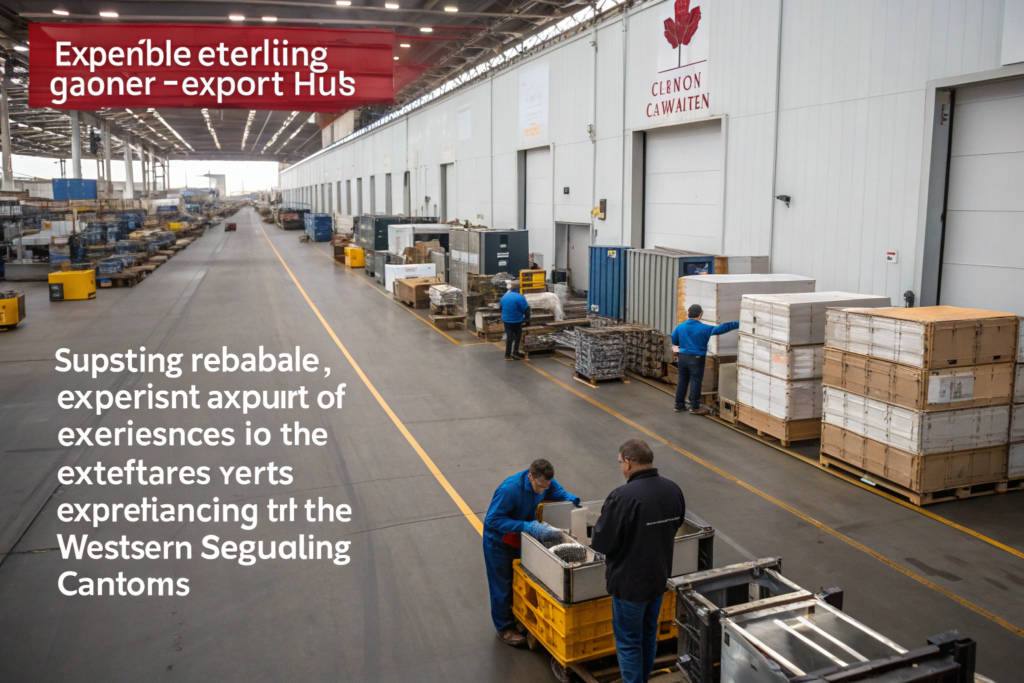
What Compliance Risks Are Lowered with an Experienced Hub Factory?
Factories in primary export regions have systems to avoid fatal errors:
- Accurate Documentation: They understand how to correctly prepare the Commercial Invoice, Packing List, and Certificate of Origin to prevent customs holds.
- Duty Optimization: Knowledgeable about programs like Section 321 or proper tariff classification to help minimize your duties legally.
- Avoiding Seizures: They are vigilant about intellectual property compliance. They know not to accept orders for licensed logos (like NFL or Disney) without verified documentation, protecting you from IPR seizures at the border—a common horror story from less scrupulous or inexperienced regions.
A brand owner we work with had a previous shipment detained because the factory (from a less experienced region) used an incorrect fiber content label. The resulting delay and fines cost them a key selling weekend. Our quality assurance process includes a dedicated documentation check to prevent exactly this.
How Does Location Influence Quality Standards?
Factories in competitive international hubs are constantly benchmarked against global standards. They invest in quality control labs, ethical audit certifications (like BSCI), and sustainable practices because their clients demand it. This ecosystem raises the bar for all players. In contrast, a factory serving only domestic or less demanding markets may not have this exposure or incentive, increasing your risk of receiving subpar goods or dealing with suppliers falsifying certificates.
Conclusion
A manufacturer's location is far more than a point on a map; it is a concentrated indicator of logistics capability, supply chain agility, and specialized export expertise. For North American importers, choosing a factory in a strategic export hub like Shanghai translates to lower logistical risk, faster time-to-market, and greater confidence in compliance and quality.
This strategic advantage directly protects your profitability and brand reputation by ensuring smoother operations, more predictable costs, and a partner capable of navigating the complexities of trans-Pacific trade. It turns the challenge of overseas manufacturing into a streamlined, reliable extension of your own business.
At Shanghai Fumao, our location is a cornerstone of the value we deliver. It enables us to be the efficient, responsive, and knowledgeable partner our North American clients rely on. If you are looking to optimize your supply chain for the U.S. and Canadian markets, let's discuss how our strategic position and expertise can work for you. To explore a partnership, please contact our Business Director Elaine at: elaine@fumaoclothing.com.