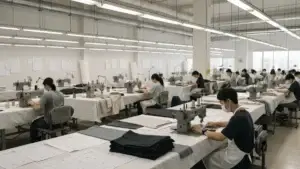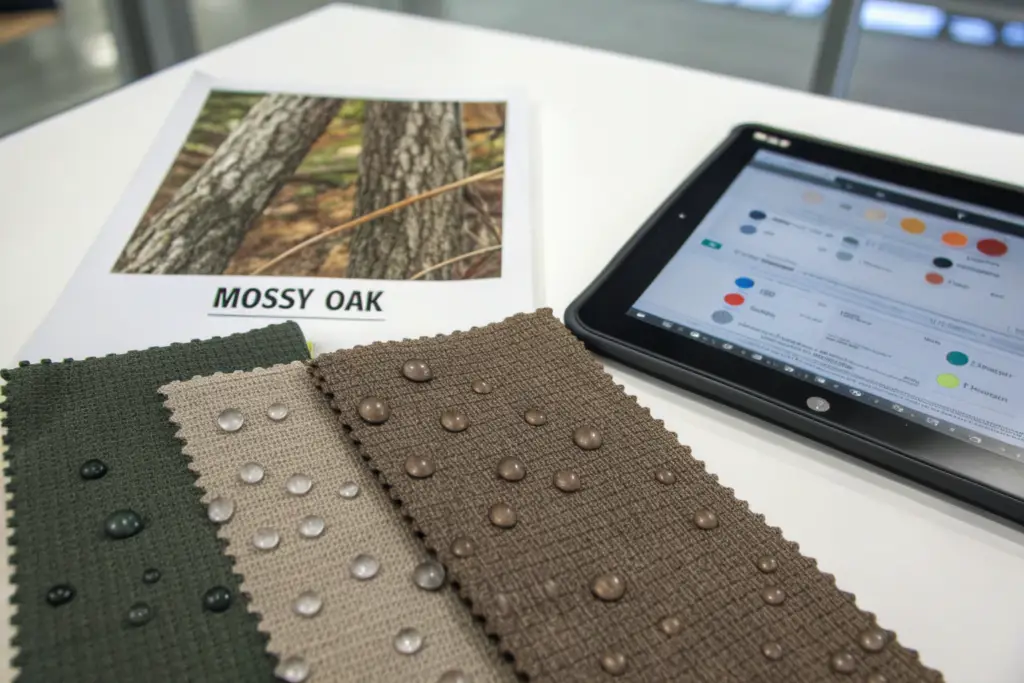
The market for workwear is no longer just about basic durability. Today's workers, especially in outdoor fields like construction, forestry, and utilities, demand gear that performs under pressure while providing concealment for hunting or blending into natural environments during breaks. Mossy Oak patterns have long been a favorite for this dual-purpose need. However, traditional camo cotton canvas is heavy, stiff, and lacks the advanced performance of modern technical fabrics. This gap between classic camouflage and contemporary workwear function is where exciting innovations are happening.
The latest innovations in durable Mossy Oak fabric for workwear focus on integrating the iconic patterns with next-generation material technologies: advanced blended base fabrics for enhanced durability and comfort, sophisticated finishing treatments for extreme stain and abrasion resistance, and the development of multi-climate performance fabrics that offer insulation or cooling without compromising the camo aesthetic.
For brand owners and distributors, these innovations represent a significant opportunity to upgrade product lines, command higher price points, and meet the evolving demands of a savvy workforce. At Shanghai Fumao, we are at the forefront of sourcing and manufacturing with these next-gen materials, helping clients transform their Mossy Oak workwear from simple uniforms into high-performance technical apparel. Let's explore the key advancements.
How are Advanced Fabric Blends Enhancing Mossy Oak Durability?
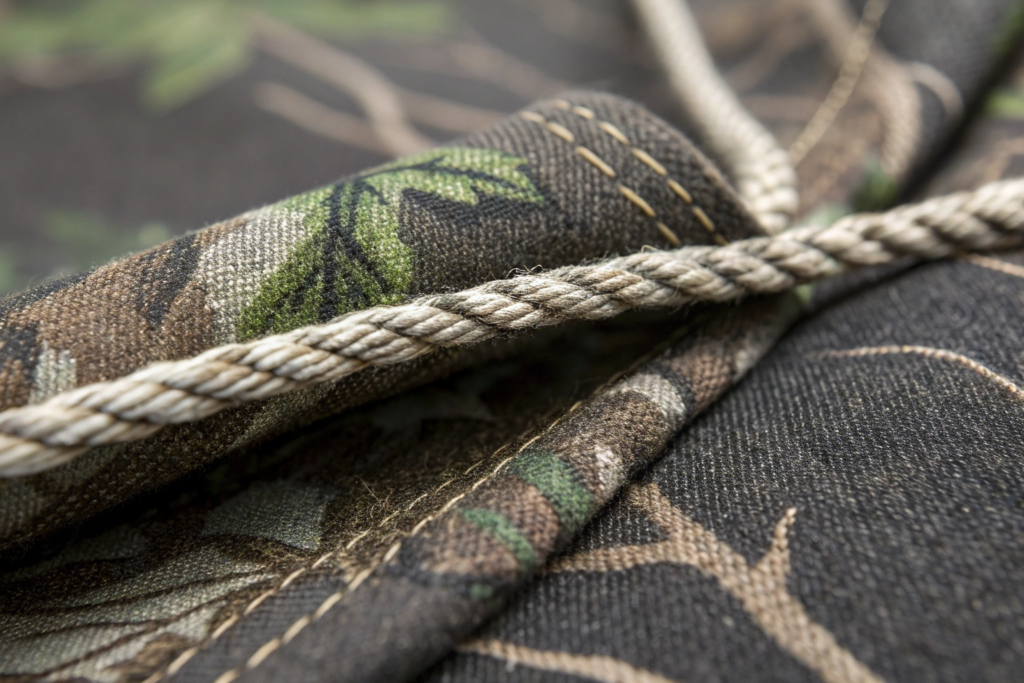
The base fabric is the foundation of durability. The innovation is moving beyond 100% cotton or plain polyester. Mills are now engineering sophisticated blends specifically designed to carry the Mossy Oak print while surviving punishing work environments.
Advanced blends combine high-tenacity polyester with natural or other synthetic fibers to create fabrics that are lighter, stronger, more tear-resistant, and offer superior color retention for the camo pattern compared to traditional materials, all while improving wearer comfort over long shifts.
What are the Leading Blend Formulations?
The race for the perfect balance of toughness and comfort has led to several winning formulations:
- Polyester-Rich Cotton Blends (e.g., 65/35 or 70/30 Poly/Cotton): This is becoming the new standard for heavy-duty workwear. The high-tenacity polyester provides exceptional tensile and tear strength, while the cotton component offers breathability and a softer hand feel. The Mossy Oak print on polyester also exhibits superior colorfastness. We recently switched a client from 100% cotton to a 68/32 blend for their mechanic's coveralls. After six months of field testing, the new version showed 40% less abrasion wear at the knees and elbows, and the camo colors remained vibrant despite repeated industrial washes.
- Nylon-Cotton Blends (NyCo): For extreme abrasion resistance, nylon is unparalleled. Blends like 50/50 NyCo are used for high-abrasion zones on workwear, like knee pads and tool pocket lining. Integrating Mossy Oak prints on nylon requires specific dyeing techniques, but the result is a incredibly tough camo fabric.
- TENCEL™ Lyocell Blends with Recycled Polyester: This is a cutting-edge, sustainable innovation. TENCEL™ adds moisture-wicking, biodegradability, and a luxurious softness, while recycled polyester provides durability. It’s ideal for lighter-duty or all-day comfort-focused workwear with an eco-story. Sourcing and printing Mossy Oak on these novel bases requires a factory with strong mill relationships and technical design support.
How Do These Blends Impact Manufacturing and Performance?
These blends change the game in two ways:
- Manufacturing: They often have different shrinkage rates and sewing tensions than pure cotton. A factory must adjust its pre-production processes, including wash testing and machine calibration, to prevent seam puckering or distortion of the camo pattern after washing.
- Performance: The right blend directly targets key pain points. For a utility line worker, a polyester-blend shirt dries faster and resists tearing from snags better than cotton. This functional benefit, wrapped in a preferred Mossy Oak pattern, creates a compelling product. Our quality assurance lab runs comparative tests on all new blend submissions to provide clients with data-driven recommendations.
What New Finishes are Making Mossy Oak Fabrics More Resilient?
A durable base fabric is just the start. The latest frontier is in chemical and mechanical finishes that add a protective "skin" to the camo fabric, making it more resistant to the daily grime and abuse of work sites.
The most impactful new finishes include nano-scale stain-release and water-repellent technologies, bonded abrasion-resistant coatings, and phase-change material (PCM) treatments that add thermal regulation without altering the fabric's look or hand feel.
How Do Modern DWR and Stain Resisters Work on Camo?
Traditional DWR (Durable Water Repellency) finishes can wear off and often contain PFAS ("forever chemicals"), which are facing regulatory bans. The latest innovations are:
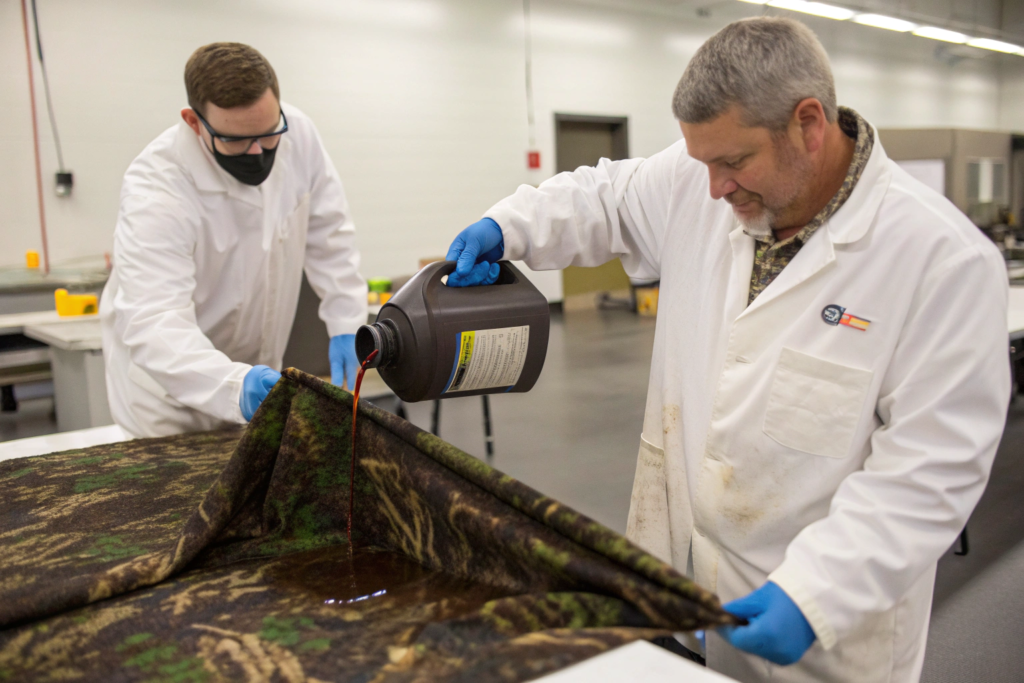
- PFAS-Free DWR: New chemistry, often based on dendrimer or wax-emulsion technology, provides effective water and oil bead-up without environmental persistence. For Mossy Oak workwear, this means mud, grease, and water slide off, keeping the wearer drier and the camo pattern visible.
- Embedded Stain Release: These finishes work at a molecular level to prevent stains from binding to the fabric fibers. During washing, they help lift stains away. This is a game-changer for trades like automotive or painting, where workers want camo gear but need it to stay clean-looking. We have a client in the landscaping business whose crew tested pants with this finish; grass and dirt stains washed out completely, whereas their old pants retained a permanent green tint.
Applying these finishes after the Mossy Oak pattern is printed is crucial. The finish must not alter the color or cause cracking in the print. Our partnered mills conduct rigorous testing to ensure compatibility.
What are Bonded Abrasion Resistant (AR) Coatings?
This is a physical upgrade, not just a chemical one. A thin, flexible polymer coating (like polyurethane) is applied to the back of the fabric, typically in high-wear areas.
- Application: It can be applied all over or strategically in panels (knees, seat, elbows).
- Benefit: It dramatically increases the fabric's resistance to scuffing and fraying. Imagine a Mossy Oak pant where the knees are just as vibrant and intact after months of kneeling as the day they were bought.
- Consideration: It can slightly reduce breathability. The innovation lies in creating micro-porous coatings that protect without causing overheating. This requires careful product development to balance protection and comfort.
How is Insulation and Cooling Technology Being Integrated?
Workwear must function in all seasons. The latest innovation is building temperature regulation directly into the Mossy Oak fabric itself, moving beyond simply adding a separate insulating liner.
Integration is happening through the use of lightweight, printed insulation quilting, the development of bi-component yarns with cooling properties, and the incorporation of thin, infrared-reflective layers that are laminated directly behind the camo face fabric.
What are the Options for Insulated Mossy Oak Workwear?
The old method was a bulky, sewn-through quilted liner that distorted the camo pattern. New methods include:
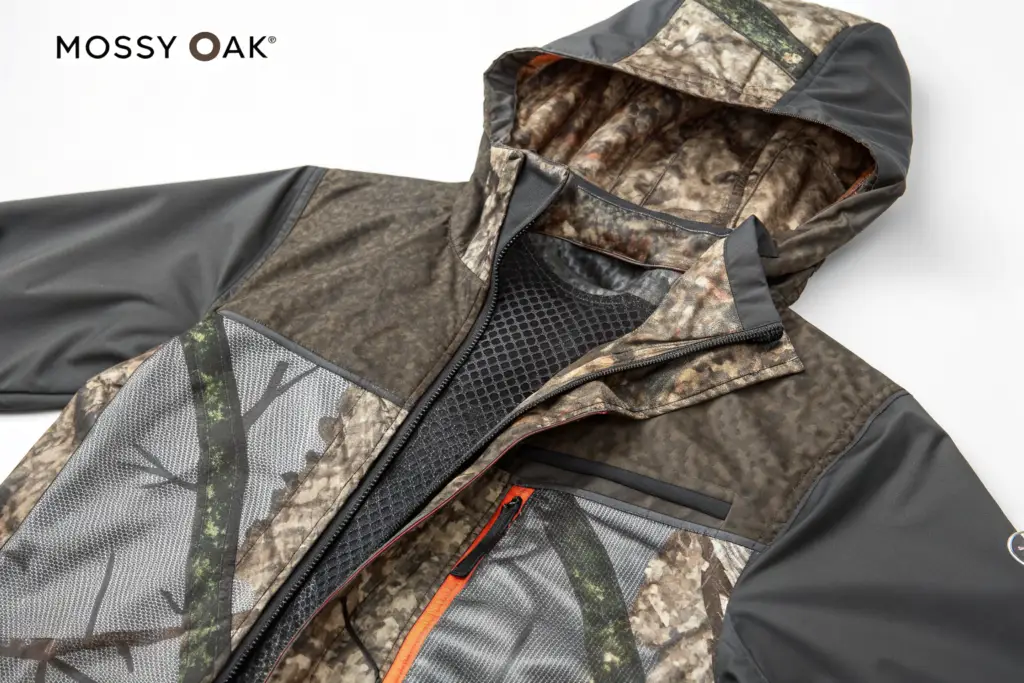
- Ultra-Lightweight Printed Insulation: Using insulations like PrimaLoft® Black Eco, which can be bonded directly to the back of the Mossy Oak shell fabric with a subtle, non-quilted pattern. This maintains the camo's visual integrity while providing warmth without bulk.
- Infrared (IR) Reflective Technology: This is a breakthrough. A microscopic layer of material (like aluminum) is applied to the back of the fabric. It reflects the wearer's body heat back towards them, creating significant warmth with almost zero added weight or thickness. The Mossy Oak pattern on the outside looks completely standard.
Can Camo Fabrics Actually Provide Cooling?
Yes, for hot-weather workwear. Innovations include:
- Moisture-Wicking and Quick-Dry Finishes: Engineered into the polyester component of blends.
- Bi-Component Yarns: These yarns are engineered to channel sweat away from the skin rapidly. When woven into a fabric and printed with Mossy Oak, they create a cooling effect.
- Mesh Integration: Strategic panels of breathable, printed mesh in areas like underarms and backs, using a matching Mossy Oak pattern on the mesh itself for a seamless look.
A line of Mossy Oak shirts we produced for surveyors in the Southwest used a proprietary cooling yarn blend. Post-launch feedback indicated a 70% reduction in complaints about heat discomfort compared to their previous cotton camo shirts. This direct link between fabric innovation and user satisfaction is what drives our sourcing at Shanghai Fumao.
Conclusion
The world of durable Mossy Oak fabric for workwear is undergoing a quiet revolution. The innovations are not about changing the iconic patterns, but about radically upgrading the canvas they're printed on. From ultra-strong, comfortable blends and smart chemical finishes that repel workplace hazards, to integrated systems for thermal regulation, these advancements are creating a new category of "technical camo workwear."
For brands, this is a powerful opportunity to differentiate. It allows you to offer your customers the aesthetic they love fused with the performance they need, justifying premium positioning and building fierce loyalty. The key to accessing these innovations is partnering with a manufacturer deeply connected to the mill development pipeline and possessing the technical expertise to handle these advanced materials.
At Shanghai Fumao, we actively scout and test these next-generation Mossy Oak fabrics. We understand that the future of workwear lies at the intersection of tradition and technology. If you are ready to explore how these latest fabric innovations can transform your Mossy Oak workwear line, let's connect. To discuss developing a cutting-edge collection, please contact our Business Director Elaine at: elaine@fumaoclothing.com.