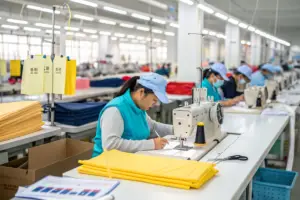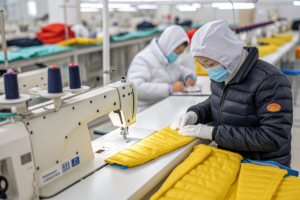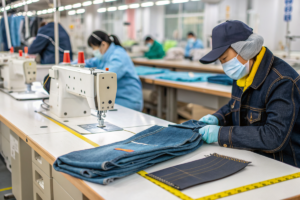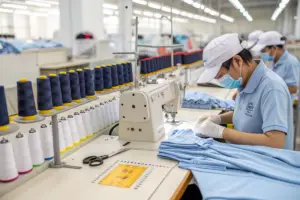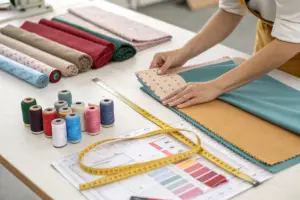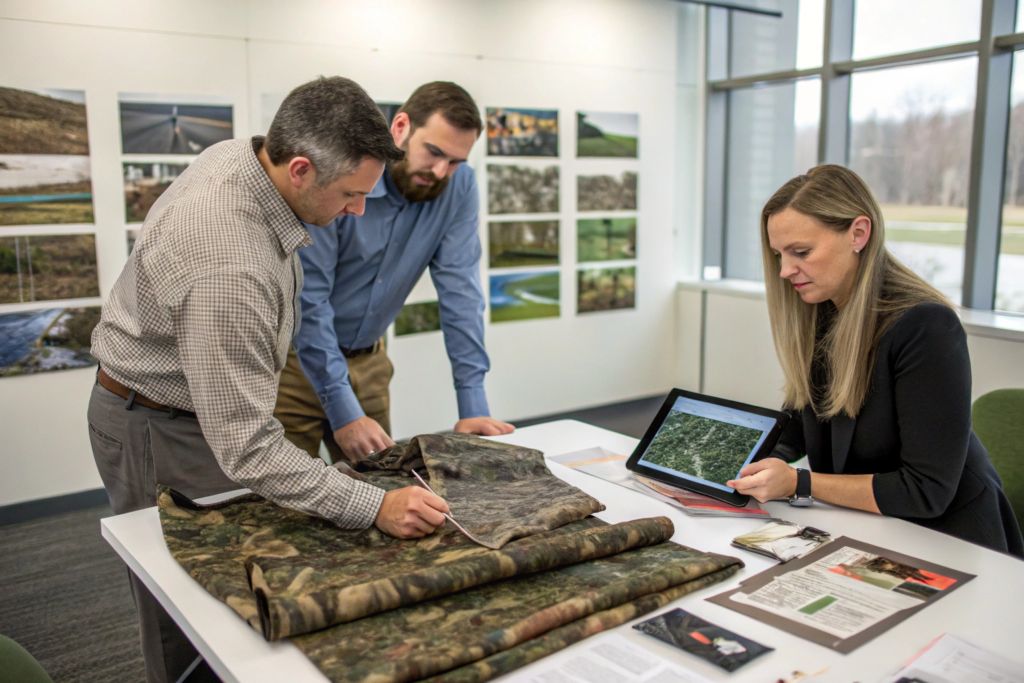
Navigating the world of licensed camo patterns like Realtree can feel complex. Brand owners and buyers often ask us: how do we actually take a popular pattern from a concept to a physical, market-ready sample? The journey from selecting the right Realtree design to holding a perfect sample in your hands involves specific, critical steps. Missing one can lead to delays, quality issues, and even licensing problems.
The process for developing new Realtree pattern apparel samples is a structured, multi-phase journey that integrates licensing verification, technical fabric sourcing, precise pattern engineering, and rigorous sample approval cycles to ensure the final product authentically represents the brand and performs in the field.
For U.S. brands, especially those in outdoor and hunting apparel, using camo patterns like Realtree is a major decision. It affects your brand's appeal, customer trust, and bottom line. A smooth sample development process is your first step to a successful product line. Let's break down exactly how a reliable manufacturer should guide you through this.
How to Obtain Proper Licensing for Realtree Patterns?
Before a single thread is woven, legal compliance is the non-negotiable first step. You cannot simply purchase Realtree fabric and start production. The pattern is a trademarked intellectual property. A professional manufacturer's first duty is to guide you through the licensing process to prevent costly legal issues.
To obtain proper licensing for Realtree patterns, you must initiate direct contact with Realtree's licensing department, negotiate a agreement that covers your intended product categories and volumes, and receive formal written approval before proceeding with any development or production.

Why Can't I Just Source Realtree Fabric Myself?
Many buyers believe sourcing the fabric is the hardest part. However, the real challenge is the legal right to use it. Realtree licenses their patterns to specific mills and fabric suppliers. When you work with a full-package manufacturer like Shanghai Fumao, part of our service is managing this supply chain legally. We connect with licensed mills who can provide authentic Realtree fabrics because we, as the factory, also hold the necessary credentials to purchase it for approved projects. A client last fall learned this the hard way; they sourced what they thought was "Realtree-style" fabric from an uncertified vendor. The pattern colors bled significantly after the first wash, and the lack of official branding made the product unsellable to informed hunters. They lost their entire investment. Using genuine, licensed fabric ensures colorfastness, pattern accuracy, and material quality that meets the brand's standards, which are backed by their rigorous quality control protocols.
What Does the Licensing Agreement Typically Include?
The licensing agreement is your blueprint for what you can and cannot do. It's not just a permission slip. Key elements usually include:
- Grant of Rights: Specifies the exact product categories (e.g., hunting jackets, casual pants).
- Territory: Where you are allowed to sell the finished goods (e.g., United States and Canada).
- Term: The length of the license agreement.
- Royalty Terms: The fee structure, often a percentage of wholesale sales, and reporting requirements.
- Artwork and Branding Guidelines: Detailed rules on how the Realtree logo must be displayed, including size, placement, and approved colorways.
We help our clients review these terms to ensure their business model aligns. For instance, the agreement will dictate the correct DDP (Delivered Duty Paid) terms for shipping licensed goods, as the declared value directly impacts royalty calculations. We then integrate these guidelines into our tech packs to ensure 100% compliance from the first sample onward.
What Are the Key Steps in Sourcing and Testing Realtree Fabric?
Once licensing is secured, the focus shifts to the material itself. Not all Realtree fabrics are created equal. The pattern is printed or woven onto a base cloth, and the quality of that cloth determines the garment's performance. Your manufacturer must have the expertise to select and validate the right fabric for your specific product.
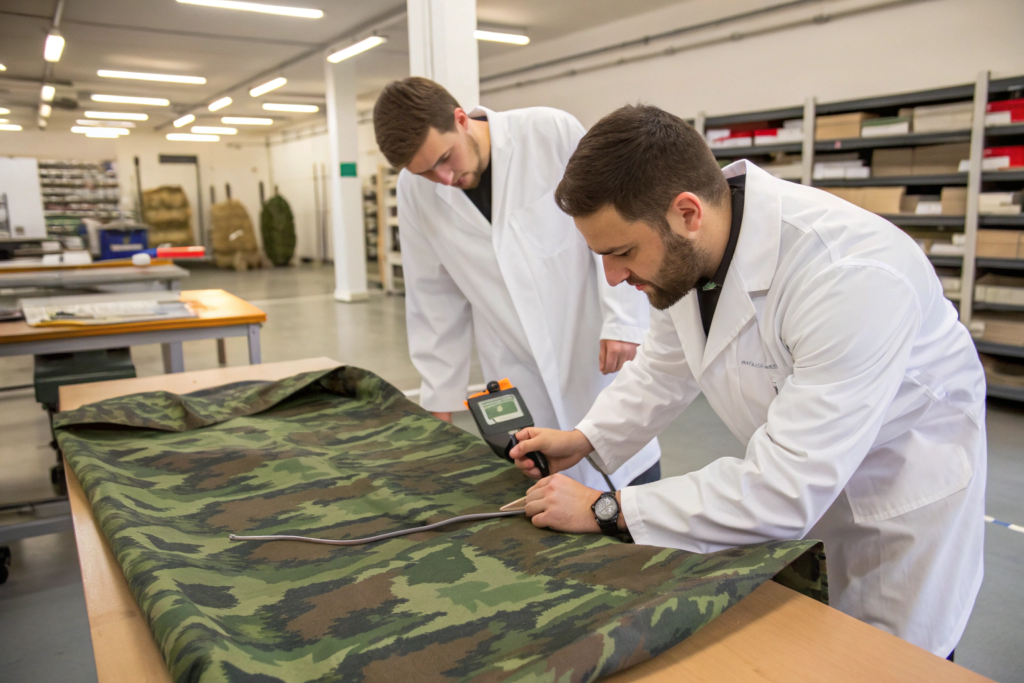
The key steps involve identifying licensed mills that produce the desired Realtree variant, ordering fabric swatches for hand-feel and visual assessment, and then conducting rigorous lab tests for durability, colorfastness, and shrinkage to ensure it meets both Realtree's standards and your product's functional needs.
How Do I Choose the Right Realtree Fabric Base?
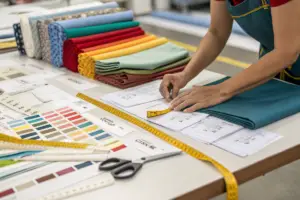
Realtree patterns are applied to various fabric bases: polyester taffeta for lightweight shells, cotton blends for comfort, or complex laminates for waterproof performance. The choice impacts cost, function, and minimum order quantities. We start by presenting clients with swatch cards from our network of licensed mills. For example, a Midwest-based brand wanted to create a line of silent-hunting apparel. We sourced three different brushed polyester blends with the same Realtree pattern for them to compare. They selected the quietest one, and we then proceeded to test its tear strength and abrasion resistance. This step is crucial because a pattern designed for a heavy canvas will look distorted if printed on a thin jersey. Understanding full-package manufacturing means we consider how the fabric will behave through cutting, sewing, and washing.
What Lab Tests Are Non-Negotiable for Performance Apparel?
Trust is built on data, not promises. For hunting apparel, which faces harsh conditions, testing is mandatory. We insist on three core tests for every new Realtree fabric before it enters our sampling line:
- Colorfastness to Washing and Crocking: Ensures the camo pattern doesn't fade or rub off.
- Dimensional Stability (Shrinkage): Prevents the garment from changing size after the customer washes it.
- Tensile and Tear Strength: Verifies the fabric can withstand physical stress.
We provide these test reports from certified third-party labs to our clients. This transparency builds confidence and prevents post-production disasters. It's part of our integrated export & logistics preparation, as improper fabric can lead to rejected shipments at the destination. A client's delayed shipment last season was traced back to skipped fabric testing, which resulted in inconsistent dye lots—a mistake we avoid through strict protocols.
How is the Pattern Engineered for Different Garment Styles?
This is where technical expertise separates a good sample from a great one. Placing a repeating camo pattern on a garment is an art and a science. You want the pattern to align at the seams (like at the shoulders and sides) to maintain visual continuity and realism, which is highly valued by end-users.
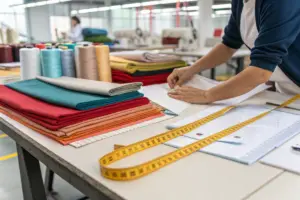
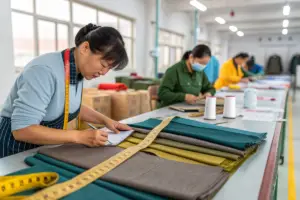
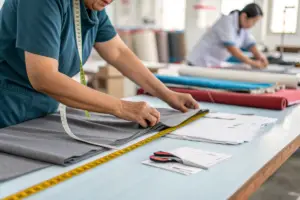
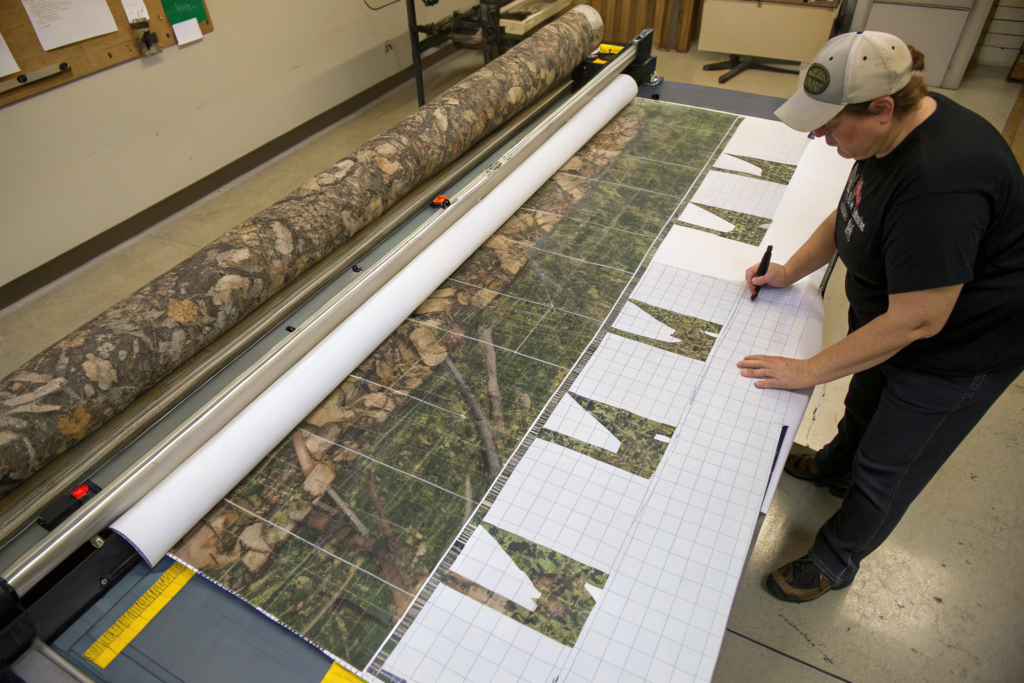
Pattern engineering for Realtree garments involves careful marker making that strategically places pattern pieces to maximize fabric use while ensuring critical pattern matches at key garment seams. This requires skilled pattern makers who understand both grading and the visual importance of the camo design.
Why Does Pattern Matching Matter in Camo Apparel?
For solid-color garments, pattern placement is mostly about efficiency. For camo, it's about authenticity. Poor pattern matching at the seams can create a harsh visual break that looks unnatural and cheap. Our pattern makers treat the Realtree design as a critical element. For instance, when we developed a hunting jacket for a Texas-based brand, we spent extra time ensuring the tree-branch elements flowed seamlessly across the back yoke and down the sleeves. This attention to detail, though it uses slightly more fabric, resulted in a premium product they could sell at a higher margin. It directly addressed a common pain point where suppliers cut corners, leading to dissatisfied end-customers who notice these flaws.
How Does Garment Complexity Affect the Sampling Process?
| The more pieces a garment has, the more complex the pattern engineering. | Garment Style | Pattern Engineering Complexity | Key Matching Points |
|---|---|---|---|
| Basic T-Shirt | Low | Sleeve cap to body side seam | |
| Hunting Vest | Medium | Front/Back side seams, pocket flaps | |
| Multi-Pocket Jacket | High | Center front, sleeves, collar, all pocket flaps |
A simple polo shirt requires basic matching. However, a complex jacket with multiple panels, a hood, and several pockets turns into a 3D puzzle. Each sample iteration must check these matches. We create a first sample (proto sample) to check fit and pattern placement, then a second (fit sample) with the exact Realtree fabric to confirm everything aligns under real material conditions. This phased approach prevents wasting expensive licensed fabric.
What Does the Sample Approval Cycle Look Like?
The sample cycle is the iterative dialogue between your vision and our execution. It's where corrections are made and perfection is achieved. A transparent and efficient cycle is vital to hitting your market window.
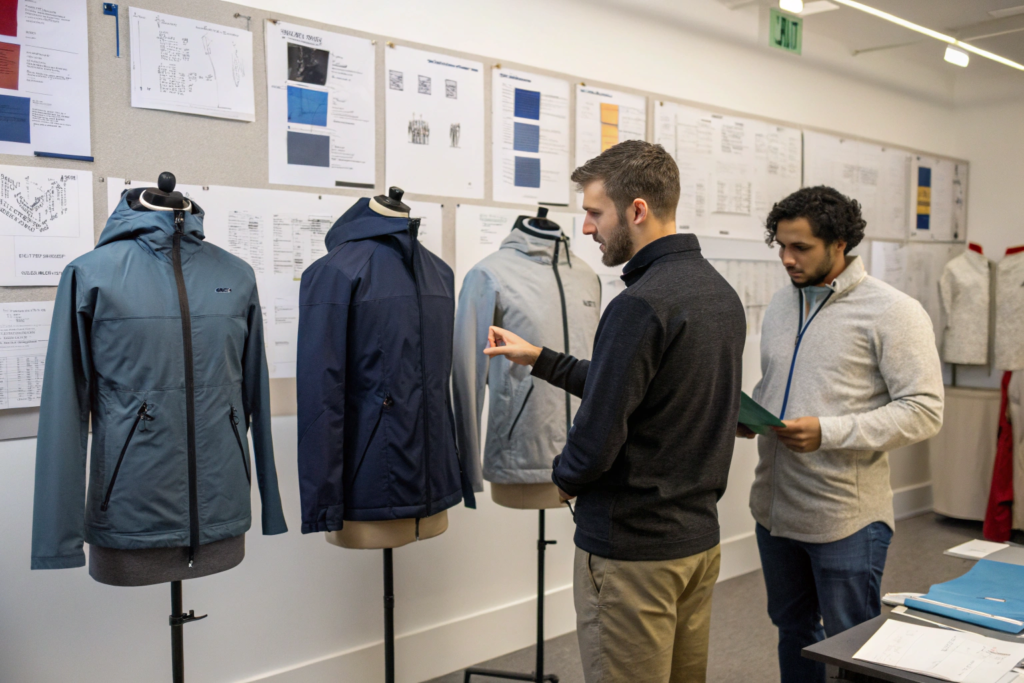
The sample approval cycle typically involves three key stages: a prototype sample in substitute fabric for fit and style, a fit sample in actual Realtree fabric for pattern and color verification, and a pre-production sample that represents the final product, leading to your formal approval for bulk production.
What Should I Check on Each Sample Stage?
Each sample has a clear purpose. Knowing what to focus on saves time.
- Proto Sample: Check the overall silhouette, seam construction, and proportion. Ignore the fabric color/pattern. Is the armhole correct? Is the hood size right?
- Fit Sample: This is your first look at the real fabric. Check the accuracy of the Realtree colors, the precision of pattern matching at seams, and the hand-feel. Test the fit on your target size model.
- Pre-Production Sample (PP Sample): This is made from the final graded patterns and fabric batch intended for bulk. Check every single detail: stitching, labels, hangtags, zippers, and overall workmanship. This sample is your contract with the factory.
We guide our clients through this with detailed measurement charts and photos. For example, we once had a client who kept rejecting collar stands on polo shirts. By the fit sample stage, we provided three different collar options for them to feel and see, solving the issue before bulk. This proactive communication is how we solve the common industry issue of inefficient communication.
How Can I Prevent Delays During Sample Approval?
Clarity and speed are essential. Delays often happen when feedback is vague or decisions are slow. We recommend:
- Centralized Feedback: Have one point person on your team provide consolidated comments.
- Use Visual Aids: Mark up photos with clear arrows and text. We use shared online platforms for this.
- Set Clear Deadlines: Agree on a calendar for each sample round and stick to it.
Our role at Shanghai Fumao is to be your expert partner, anticipating issues. We understand that a delayed shipment can mean missing the hunting season. Our process is designed for efficiency without sacrificing quality. By managing the logistics planning early in the sampling phase, we ensure that once you approve the PP sample, the production line is ready to start, and shipping arrangements are prepped.
Conclusion
Developing new Realtree pattern apparel samples is a detailed, collaborative process that balances legal compliance, material science, technical design, and clear communication. It moves from securing the legal right to use the pattern, through rigorous fabric selection and testing, into the precise art of pattern engineering, and finally through a structured sample approval cycle that locks in quality. Each step builds upon the last, transforming a licensed design into a tangible, high-performance product that your customers will trust and value.
Success in this endeavor relies heavily on partnering with a manufacturer who not only has the technical capability but also the experience and transparency to navigate each phase effectively. A partner who treats your timeline and brand reputation as their own. If you are looking to bring a new line of Realtree camo apparel to market with confidence, from sample to delivery, let's discuss your project. We are dedicated to being the reliable, high-value extension of your team. For a detailed consultation on developing your next collection, please reach out to our Business Director Elaine at: elaine@fumaoclothing.com.