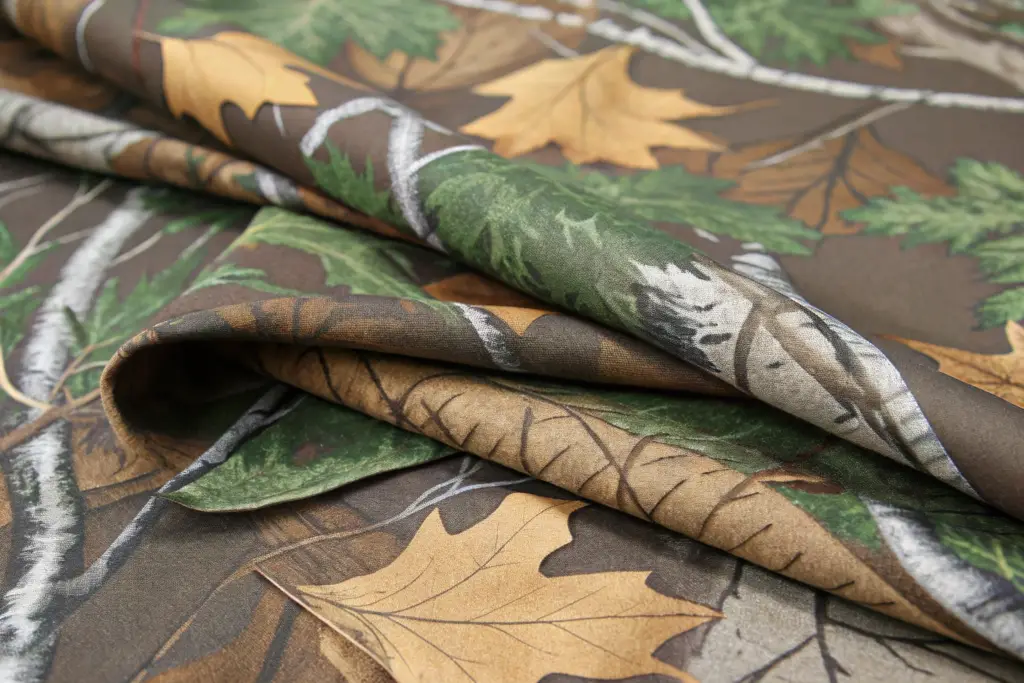
If you've ever received a batch of camo apparel where the pattern looks blurry, misaligned, or the colors are dull, you know the problem. It undermines the product's entire appeal. Authentic camo pattern reproduction is not just about the design file; it's about how that design is transferred onto fabric with precision and vibrancy. This capability is what separates professional hunting and outdoor apparel from cheap imitations.
Fabric printing capability is the cornerstone of authentic camo reproduction because it directly controls color accuracy, pattern clarity, repeat alignment, and fabric hand feel. Without advanced printing technology, even the most licensed Realtree or Mossy Oak artwork will lose its functional and aesthetic integrity on the garment.
As a manufacturer, I've seen brands lose repeat orders due to poor print quality. The right printing method ensures the pattern looks crisp from a distance and detailed up close. Let's examine why this technical capability is non-negotiable for serious brands.
What are the key printing technologies for camo fabrics?
Not all printing is created equal. The technology used determines the final product's quality, durability, and cost. For camo patterns, which are often complex and color-rich, choosing the wrong method is a common and costly mistake.
The two dominant technologies for high-end camo reproduction are rotary screen printing and digital printing. Each has its strengths and ideal applications. The choice impacts lead time, minimum order quantity (MOQ), and color fidelity.
To understand which technology serves your project best, we need to dive into their specific processes and outputs.
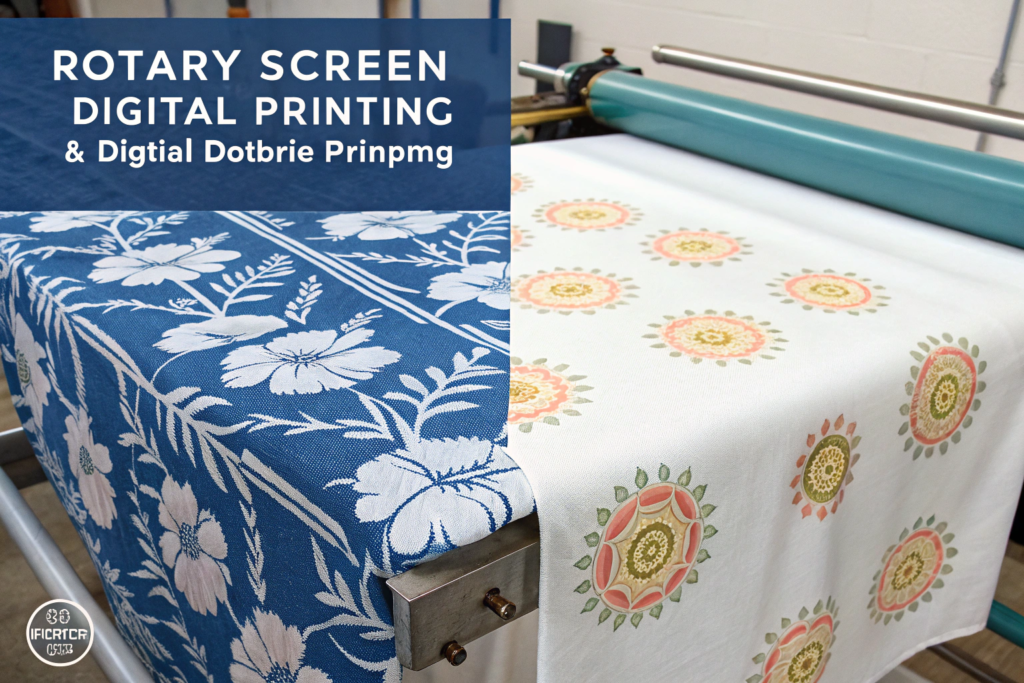
How does rotary screen printing ensure color vibrancy and durability?
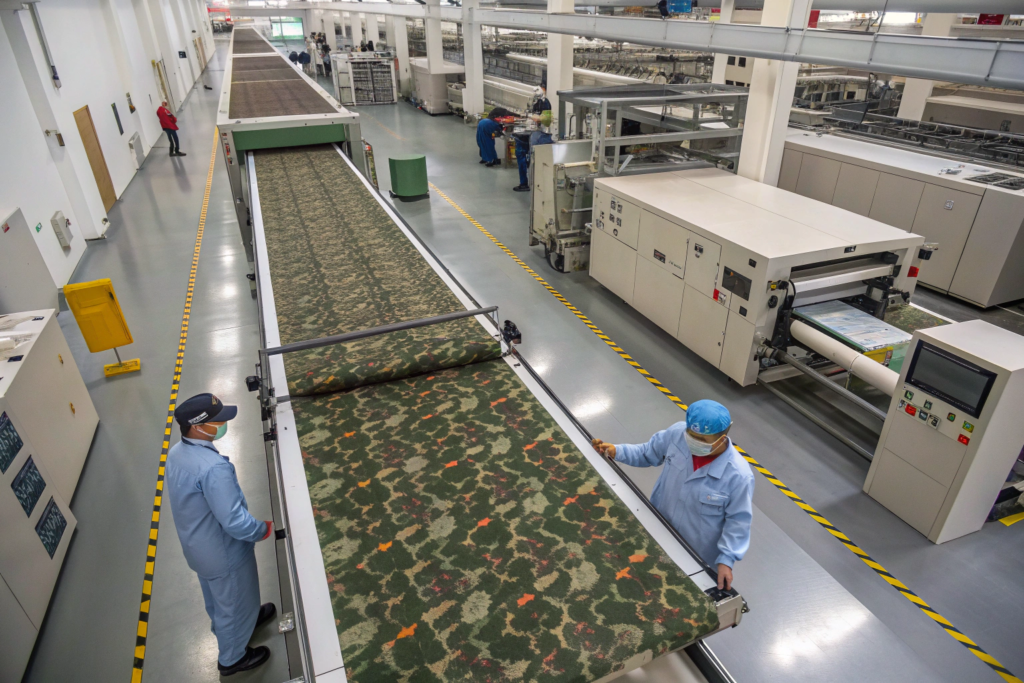
Rotary screen printing is the industry gold standard for long runs of authentic camo. It uses cylindrical, perforated screens—one for each color in the pattern. Fabric moves rapidly under these screens, and paste-like ink is forced through the fine mesh onto the fabric. This process is vital for vibrancy because it uses pigment or reactive dyes that bond deeply with the fabric fibers, resulting in excellent wash and rub fastness. For a classic 6-color Realtree pattern, this means 6 perfectly aligned screens running simultaneously. The color matching must be exact. Last season, a client insisted on a specific "muddy brown" shade for their duck hunting line. Our lab used a spectrophotometer to match the Pantone reference and adjust the ink formula, achieving a 95% match on the first strike. The durability is superior; the pattern won't crack or fade easily, which is critical for gear that undergoes rough outdoor use and repeated washing.
When is digital printing the better choice for complex patterns?
Digital printing, like using an industrial inkjet printer directly onto fabric, is revolutionary for complexity and speed. It's ideal for highly detailed patterns, photorealistic designs, or low-MOY prototype runs. There are no physical screens, so color limitations are virtually gone—it can print millions of colors. This is perfect for reproducing intricate, gradient-heavy camo patterns. However, the traditional challenge has been fabric pre-treatment and hand feel. Early digital prints could feel stiff. Advances in inkjet technology and fabric finishing have largely solved this. For a brand launching a new, experimental camo with 20+ subtle color variations, digital printing is the only feasible method. It allows for on-demand production and drastic reduction in sample lead times. At Shanghai Fumao, we use digital sampling for all new camo concepts. This allows our clients to see and feel a near-production-quality prototype within a week, saving a month compared to traditional screen sampling.
How does printing affect the functional quality of camouflage?
Camouflage is not just a visual product; it's a performance product. The printing process influences critical functional aspects beyond aesthetics, including durability, comfort, and environmental resistance.
A poorly printed pattern can fail in the field. It can wear off, change color when wet, or make the garment stiff and noisy. The printing method and ink chemistry are integral to the garment's performance profile.
Let's break down the two primary functional concerns: durability against the elements and maintaining the fabric's natural properties.
Can printing withstand rigorous outdoor use and washing?
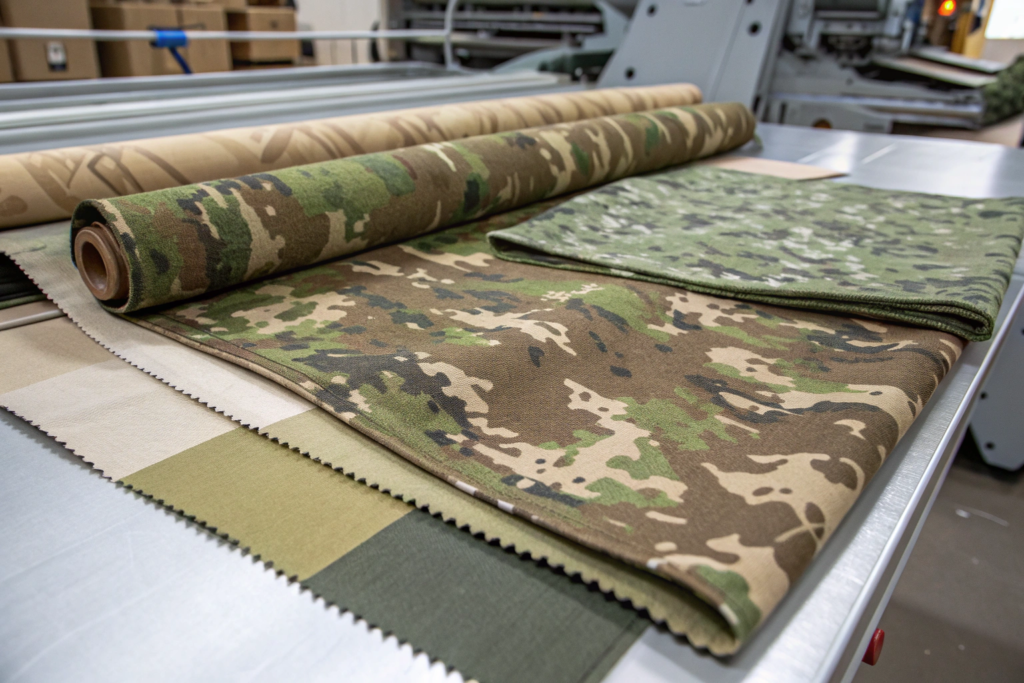
This is the most practical test. Hunting and tactical apparel face abrasion from brush, repeated packing, and frequent, harsh washes to remove scent. The printing must endure. Rotary screen printing with reactive dyes passes this test. The dye molecules form a covalent bond with cellulose fibers (like cotton or viscose), making the color part of the fabric itself. We conduct standardized tests on every print lot, including:
- Wash Fastness (AATCC 61): Simulating 5 home launderings.
- Rubbing/Crocking Fastness (AATCC 8): Testing for color transfer when dry and wet.
- Light Fastness (AATCC 16): Ensuring the pattern doesn't fade under UV exposure.
A real case: A client returned a batch of competitor's jackets where the green tones turned bluish after 10 washes. The issue was an unstable blue pigment. When they switched to Shanghai Fumao, we provided test reports upfront and used a more stable dye system, eliminating the problem entirely.
Does the printing process alter fabric breathability and hand feel?
Yes, it can, if not done correctly. A heavy print application can clog the pores of a technical fabric, destroying its moisture-wicking or breathability. The key is ink formulation and application thickness. Advanced printing techniques apply a thin, even layer. For performance activewear or lightweight hunting base layers, we use specialized dyes that have a minimal impact on the fabric's original moisture management properties. The "hand feel" – how the fabric feels to the touch – is crucial. A premium fleece should stay soft, not become board-like with print. We achieve this by partnering with ink chemists to customize the ink's softness and flexibility. It's a balance between color yield and tactile quality.
A seamless, continuous pattern across a garment is a mark of quality. Misaligned patterns at the seams or distorted prints on complex garment panels are glaring defects that scream "low quality." Managing these challenges separates professional factories from amateur ones.
The "pattern repeat" is the vertical distance before the design starts again. Printing must be perfectly consistent across thousands of meters. Then, during cutting, each pattern piece must be carefully aligned to maintain the visual continuity of the camo across seams.
This stage requires meticulous planning and skilled execution. Let's explore the technical hurdles.
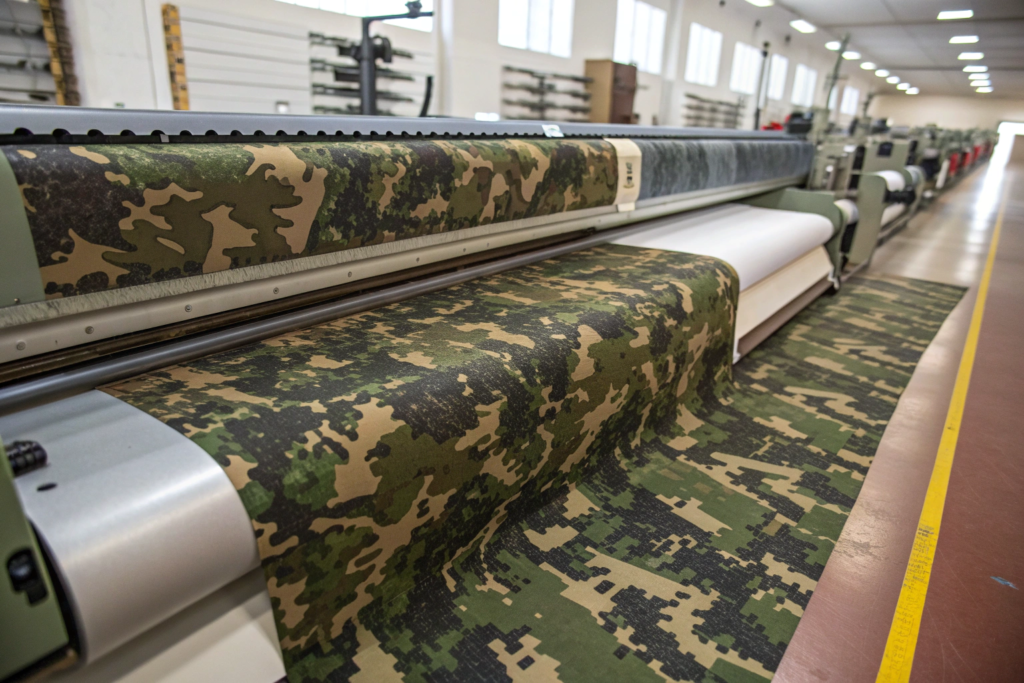
How do you prevent pattern misalignment at garment seams?
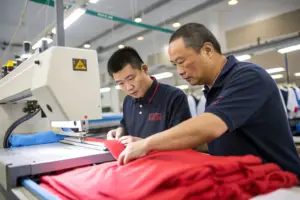
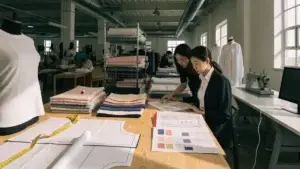
This is solved at the cutting table. It requires a technique called "pattern matching" or "print alignment." For a shirt with side seams, the pattern on the front and back panels must align horizontally. For sleeves, the pattern should flow naturally from the armhole. This process is manual and skill-intensive. It increases fabric waste because the cutter must carefully align the marker (the digital blueprint of all pattern pieces) with the printed fabric's repeat. Our cutting masters are trained to prioritize key visual points—like ensuring a major branch element isn't cut in half at the center chest seam. We once had a project for high-end hunting trousers where the client demanded the camo pattern match perfectly across the crotch seam. This required exceptional precision in both printing consistency and cutting, adding 8% more fabric consumption, but the final product justified the cost and won them a key retail account.
Why is controlling ink consistency across a production run critical?
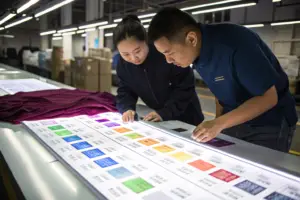
Ink consistency is a hidden challenge. The color of the first meter and the ten-thousandth meter must be identical. Factors like ink viscosity, doctor blade pressure on the rotary screen, and fabric speed must be constantly monitored. A slight drift can cause "shading" – a gradual lightening or darkening of the color down the length of the fabric roll. This makes cutting garments from different parts of the roll risky, as they may not match. Our printing facility uses automated viscosity controllers and employs a strict quality assurance protocol where we take swatch samples every 500 meters to compare against the master standard under controlled lighting (D65 daylight). This proactive control prevents entire batches from being rejected.
How to evaluate a factory's true printing capability?
You cannot rely on sales brochures alone. Assessing a factory's printing capability requires a forensic approach. It's about verifying their claims with evidence, samples, and on-site checks.
A factory might say they have "digital and screen printing," but the real question is about the quality, consistency, and technical support behind those machines.
Here is a practical guide on what to look for and what questions to ask.
What technical specifications and samples should you request?
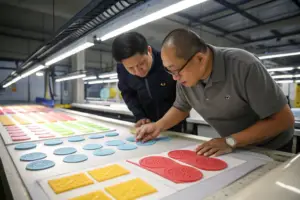
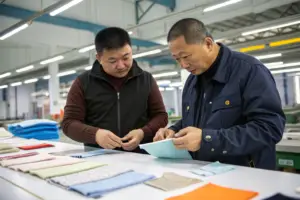
Always ask for a Physical Strike-Off. This is a small sample printed on the exact fabric you intend to use with your specific pattern. Don't accept a generic swatch. Evaluate it for:
- Color Accuracy: Compare it to your digital file or Pantone standards under different light sources.
- Clarity: Use a magnifying glass to check for blurry edges or dot gain.
- Hand Feel: Rub it and wash it (a simple home wash test) to check for stiffness or color bleed.
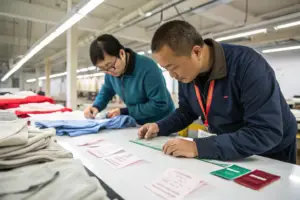
Ask for their test reports (wash, rub, light fastness) from a certified lab. Inquire about their average defect rate on printing and their standard operating procedure (SOP) for color matching. A professional factory will have all this documentation ready. For example, when Shanghai Fumao partners with a new brand, we provide a dossier that includes a printed strike-off, lab reports, and a profile of our ink supplier's certifications.
Why is a factory's in-house printing control an advantage?
Vertical integration matters. A factory with in-house printing control (like our facility) versus one that outsources to a separate print mill has massive advantages:
- Speed: No coordination lag. The fabric moves from printing to cutting in one continuous flow.
- Accountability: One point of responsibility. If there's a print defect, it's our problem to fix internally, not a blame game with an external supplier.
- Flexibility: Easier to make adjustments, reprint small sections, or handle urgent sample modifications.
We learned this the hard way early on. Years ago, we outsourced printing for a large order. The print mill had a contamination issue, causing tiny spots on the fabric. By the time we received it, our production schedule was ruined. Since investing in our own printing line, we control every variable, and such risks have been eliminated. This control is a key part of our full-package manufacturing promise.
Conclusion
Fabric printing capability is not a minor detail; it is the very engine of authentic camo pattern reproduction. It determines if your design remains a vibrant, durable, and seamlessly aligned reality on the final garment. From choosing between rotary screen and digital technologies to mastering pattern alignment and ink consistency, each step requires specialized expertise and controlled infrastructure.
Choosing a manufacturing partner with proven, in-house printing mastery is the single most effective way to guarantee the authenticity and quality of your camouflage apparel. It transforms your design from a digital file into a credible, high-performance product that hunters and outdoor enthusiasts trust.
Ready to ensure your camo patterns are reproduced with absolute fidelity? Don't leave this critical process to chance. Partner with a factory that has the technology, controls, and expertise in-house. Contact our Business Director, Elaine, at Shanghai Fumao to discuss your next project and request a detailed printing capability dossier and strike-off sample. Email her at: elaine@fumaoclothing.com. Let's create camouflage that performs as good as it looks.