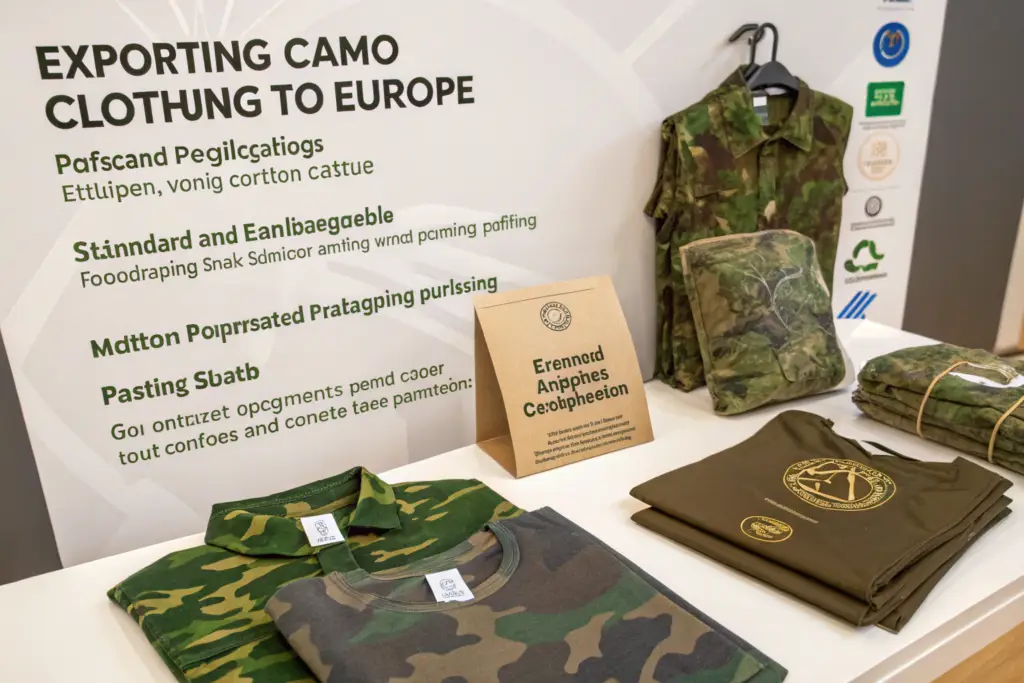
Exporting camo clothing to the European market involves more than just shipping garments. The packaging—from individual polybags to the final carton—plays a critical role in protecting your investment, presenting your brand professionally, complying with strict regulations, and minimizing environmental impact fees. For brand owners and buyers, choosing the right packaging options is a strategic decision that affects cost, sustainability credentials, and the unboxing experience for the end consumer.
The packaging options for exporting camo clothing to Europe range from basic protective solutions to premium, eco-conscious branding platforms. Key choices include polybag type (standard, recycled, biodegradable), hangtag and label materials, carton strength and printing, and compliance with specific EU directives on plastic packaging waste and labeling. The optimal mix balances cost, protection, compliance, and brand alignment with European consumer values.
European regulations and consumer expectations add layers of complexity not always present in other markets. Let's explore the options and considerations to build an effective packaging strategy for your camo apparel line.
How do EU regulations dictate packaging material choices?
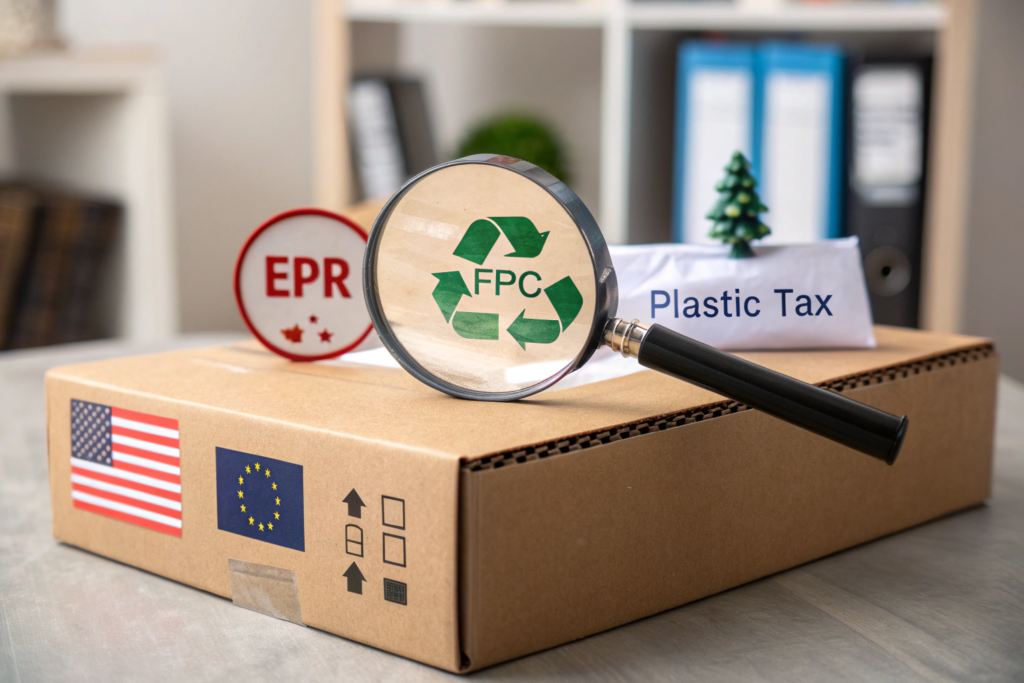
Europe is at the forefront of regulating packaging waste, particularly plastics. Your packaging decisions must comply with Extended Producer Responsibility (EPR) schemes and directives like the EU Packaging and Packaging Waste Directive (PPWD). Non-compliance can result in fines and blocked shipments.
A client of ours, a US-based hunting brand, faced unexpected fees and paperwork when their first container of Realtree jackets arrived in Germany. They had used standard virgin plastic polybags. Under Germany's strict VerpackG (Packaging Act), they were considered the "producer" placing packaging on the market and were liable for licensing and recycling fees. They had not registered or paid into the dual system. We helped them rectify this and switch to 90% recycled content polybags, which not only complied but also qualified for lower fees in some schemes and aligned with their brand's new sustainability focus.
What is the EU's stance on single-use plastics?
The Single-Use Plastics Directive (SUP) targets specific items, but its spirit influences all plastic packaging. While garment polybags are not yet banned, there is a strong push for reduction and alternatives. Using recycled plastic or biodegradable/compostable plastics (certified to standards like EN 13432) can demonstrate proactive compliance. However, note that "biodegradable" claims are heavily scrutinized; the material must break down under specific industrial composting conditions, not in a landfill.
What are the mandatory labeling requirements?
Packaging may require specific material identification symbols (e.g., the plastic resin code). Furthermore, if you use any forest-based materials like paper hangtags or cardboard, they should ideally be certified by the Forest Stewardship Council (FSC) or Programme for the Endorsement of Forest Certification (PEFC). This is not always a legal mandate but is a strong market expectation and protects against claims of deforestation.
What are the functional options for individual garment packaging?
The primary role of individual packaging is to protect garments from dirt, moisture, and damage during transit and storage. The common choice is the polybag, but its composition and features vary significantly.
For a high-end Italian outdoor distributor, we developed a tailored packaging solution for their Mossy Oak fleece line. Each fleece was folded and placed in a two-ply polybag: an inner, silent plastic film for protection and an outer, matte-finish paper-backed polybag printed with their logo and FSC certification marks. This created a premium feel upon opening the carton, while the inner bag ensured protection. The paper layer also made the bag easier to handle in warehouse operations, reducing slippage.
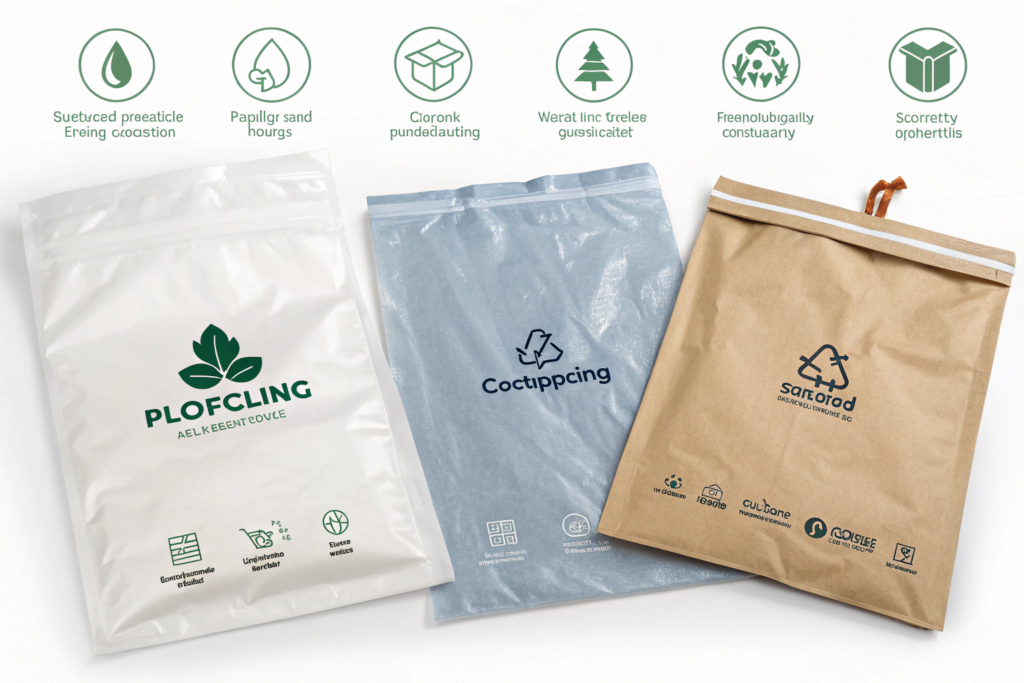
Standard vs. Recycled vs. Compostable Polybags
| Type | Pros | Cons | Best For |
|---|---|---|---|
| Standard LDPE Polybag | Lowest cost, excellent clarity and protection. | High environmental footprint, subject to plastic taxes/EPR fees. | Cost-sensitive bulk shipments to distributors. |
| Recycled Content Polybag (e.g., 80%+ PCR) | Reduces virgin plastic use, may lower EPR fees, good marketing story. | Slightly higher cost, can have a hazy appearance. | Brands marketing sustainability to EU retailers. |
| Compostable Bag (e.g., PLA-based) | Marketed as "plastic-free," appeals to eco-conscious consumers. | High cost, requires industrial composting (not widely available), can be less durable in humid transit. | Direct-to-consumer (DTC) brands with a strong eco-identity. |
Should you use garment hangers and clips?
For premium outerwear or direct-to-retail shipments, hanger packaging is an option. Garments are placed on hangers and covered with a hood or full-length garment bag. This eliminates folding creases and is ready for retail display. However, it drastically increases volume and weight, raising shipping costs. It's typically reserved for high-value items like insulated jackets or suits shipped directly to a brand's own stores or key accounts.
How should shipping cartons be configured for safety and efficiency?
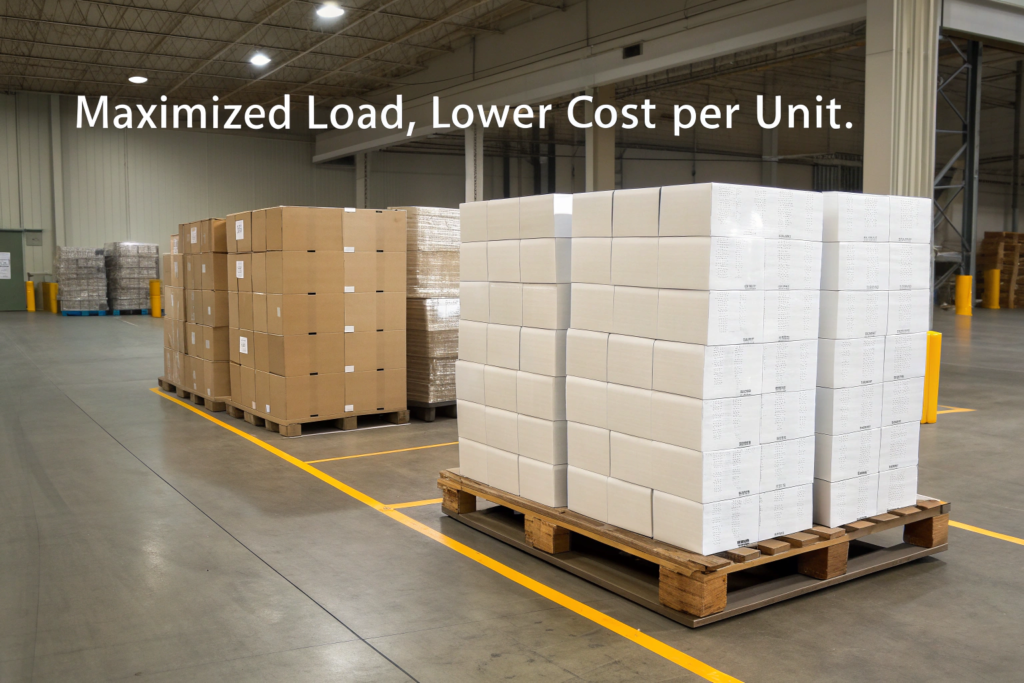
The export carton is your last line of defense. Its construction, weight, and labeling must ensure safe ocean or air freight while maximizing container utilization to control costs.
We optimize carton sizes for every client. For a UK client importing camo pants, we analyzed their order and designed a custom-sized carton that fit exactly 24 units flat-packed, with no wasted internal space. This "right-sized" carton was stronger (less void fill required), weighed less than a standard oversized box, and allowed us to maximize the number of cartons per pallet and per container. This reduced their overall shipping cost per unit by about 5% and minimized handling damage.
What carton specifications are critical?
- Bursting Strength (Mullen Test): For ocean freight, a minimum 200# test is standard. For heavier items like boots or multiple jackets, 275# or 350# may be needed.
- ECT (Edge Crush Test): Important for palletized loads. A higher ECT rating means better stacking strength.
- Dimensions: Must be optimized to fit Euro-pallets (1200mm x 800mm) perfectly to avoid overhang and facilitate automated warehouse handling in Europe.
Cartons should be clearly marked with handling symbols (fragile, this way up, keep dry), product description, quantity, and PO number. For licensed goods, avoid printing the camo pattern on the exterior carton to reduce theft risk; use generic descriptions.
What about inner packaging and void fill?
To prevent garments from shifting, use:
- Corner Boards/Edge Protectors: For structured items like jackets with caps.
- Tissue Paper: For premium DTC shipments to enhance unboxing.
- Minimal Void Fill: The goal of right-sized cartons is to eliminate the need for loose fill like peanuts or bubble wrap, which add cost, weight, and waste.
How can packaging enhance branding and the unboxing experience?
For Direct-to-Consumer (DTC) sales or shipments to boutique retailers, packaging is a tangible touchpoint of your brand. European consumers appreciate thoughtful, sustainable, and aesthetically pleasing packaging.
A Scandinavian hunting brand we work with has a minimalist, nature-oriented brand. Their DTC orders are shipped in a plain, FSC-certified brown carton. Inside, the camo shirt is folded in a branded, unbleached cotton dust bag (reusable). The hangtag is made of recycled leather and hemp cord. There is no plastic in sight. This entire unboxing experience reinforces their brand values and justifies a premium price point. The cost is higher but is a calculated marketing investment.

What are eco-friendly branding elements?
- Hangtags: Use recycled paper, seed paper, or bamboo. Attach with jute or cotton cord instead of plastic strings.
- Labels: Opt for woven labels made from recycled polyester or organic cotton.
- Stickers: Use paper-based stickers with non-toxic, soy-based inks.
- Thank You Cards: Printed on seeded paper that can be planted.
How to balance cost and experience for wholesale vs. DTC?
Adopt a two-tier packaging strategy:
- Tier 1 (Wholesale/Export): Focus on protection and compliance. Use simple recycled polybags inside strong, efficient cartons. Branding is minimal (maybe a carton sticker).
- Tier 2 (DTC): Invest in the full unboxing experience with branded, reusable elements. The higher per-unit cost is absorbed into the DTC margin and marketing budget.
This approach ensures you are not over-spending on packaging for bulk shipments that will be unpacked by a retailer's warehouse staff.
Conclusion
Selecting packaging for exporting camo clothing to Europe requires a multi-faceted strategy that integrates regulatory compliance (EPR, plastics directives), logistical efficiency (carton optimization, pallet fit), and brand communication (sustainability, unboxing experience). The trend is unequivocally moving towards reduced plastic use, increased recycled content, and full circularity of materials.
By understanding the options—from functional polybags to strategic carton design—you can make informed choices that protect your product, control costs, and build a brand that resonates with the values of the European market.
If you are looking for a manufacturing partner that can guide you through the complexities of European packaging compliance and help execute a tailored, cost-effective strategy, Shanghai Fumao has the expertise. We source compliant materials and design efficient packaging solutions as part of our full-package service. Contact our Business Director, Elaine, at elaine@fumaoclothing.com to ensure your next shipment to Europe is flawless from the inside out.