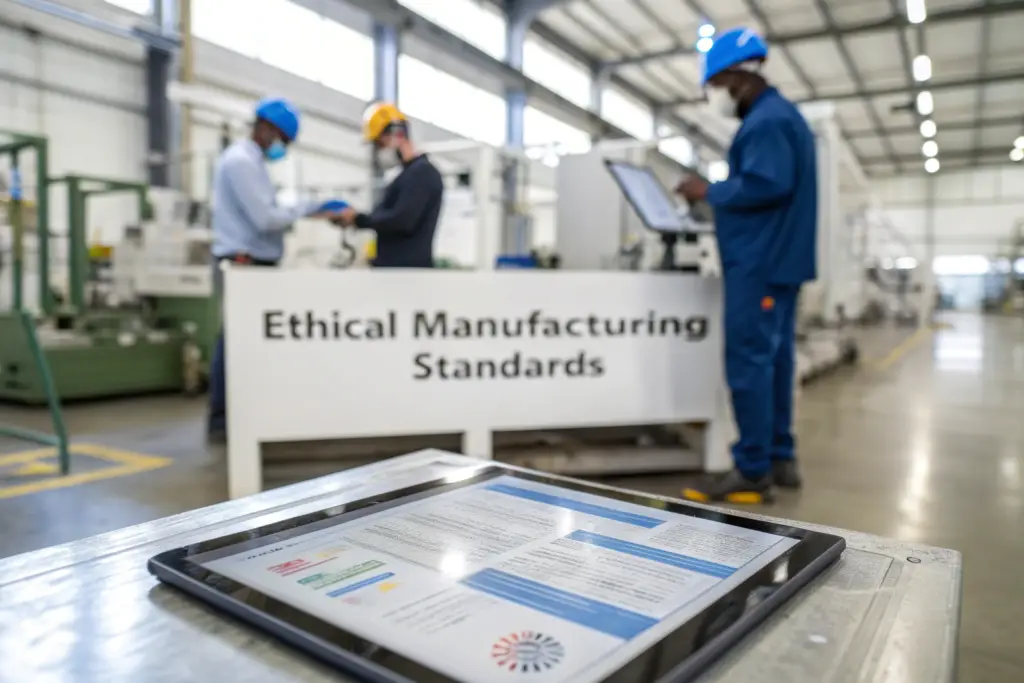
For brand owners and buyers sourcing globally, ensuring ethical manufacturing is no longer just a moral choice—it's a core business imperative. Consumers and retailers demand transparency, and the risks of non-compliance range from reputational disaster to legal liability. The core challenge is this: how can you, from thousands of miles away, be confident that your contracted factory upholds the standards you promise to your customers? It requires moving beyond simple audits to building a system of verifiable, embedded ethics.
Ensuring ethical manufacturing in global contracted factories requires a proactive, multi-layered system built on deep-due diligence, transparent partnerships, and continuous technology-enabled monitoring. It is not a one-time certificate, but an ongoing operational discipline integrated into the buyer-supplier relationship.
Many brands rely solely on third-party social compliance audits, which often provide only a snapshot and can be susceptible to preparation. True assurance comes from combining formal audits with unannounced checks, worker voice initiatives, and integrating ethical benchmarks into daily production management. Let’s break down the actionable steps to build this system.
How to conduct truly effective factory due diligence?
The foundation of ethical sourcing is laid before the first order is ever placed. Comprehensive due diligence separates reputable partners from those who will cut corners. This phase must investigate beyond basic capabilities to uncover the factory’s true culture and operational practices.
Several years ago, we pursued a potential partnership with a large factory in Southeast Asia for a major US client. Their audit paperwork was flawless. However, during our pre-contract visit, we spent time not just in the office, but walking the factory floor at different hours and speaking casually (with a translator) to workers during breaks. We noticed a significant discrepancy between the number of workers present during the day shift and the officially reported payroll numbers, and overheard discussions about mandatory, unpaid overtime to prepare for "audit days." We walked away from that contract, protecting our client from a major future scandal. This hands-on approach is irreplaceable.
What to look for beyond the audit report?
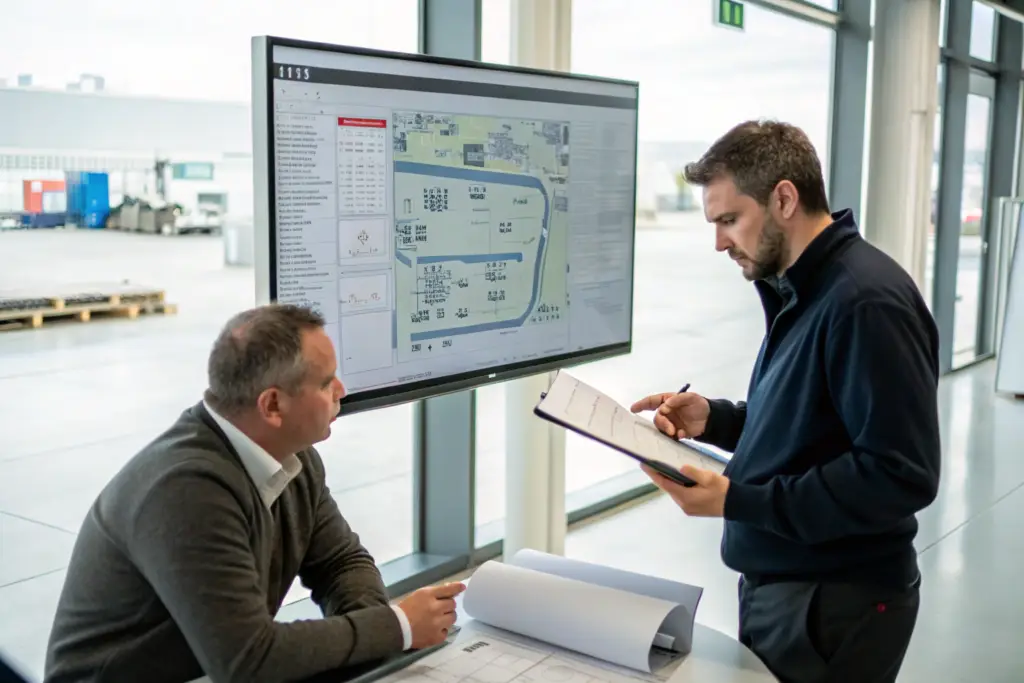
An audit report is a starting point, not the finish line. Critical due diligence must include:
- Ownership and Financial History: Investigate the factory’s ownership structure. Are there hidden subsidiaries? A check for past legal disputes related to labor or environmental practices is crucial.
- Subcontracting Transparency: Demand a full, written policy on subcontracting. Many ethical violations occur in unauthorized, hidden subcontractors. A trustworthy factory like Shanghai Fumao has a strict, no-unauthorized-subcontracting policy and will transparently list all approved secondary processors.
- Management Philosophy: Interview senior management. Do they speak about workers as a cost or as an asset? What are their views on worker turnover? Their answers reveal cultural priorities. Resources from the Ethical Trading Initiative (ETI) provide excellent base-code guidelines to frame these discussions.
How to verify wage and hour compliance accurately?
Wage falsification is a common issue. Effective verification requires cross-referencing multiple data sources:
- Payroll Records vs. Time Cards: Scrutinize a random month’s data. Do the hours on individual time cards match the hours paid in payroll?
- Worker Interviews (Off-Site): Confidential interviews with randomly selected workers, conducted away from factory premises by a trusted third-party or your own representative, are gold-standard. Ask specific questions about pay slips, overtime freedom, and deduction clarity.
- Bank Transfer Records: For larger orders, requesting anonymized proof of bulk wage bank transfers for a pay period can be a condition of business. This is more reliable than reviewing individual, potentially fabricated, pay slips.
What systems enable transparent and ethical production?
Once a partner is selected, ethics must be operationalized through integrated systems. Transparency is the oxygen of trust; without systematic sharing of information, claims of ethical manufacturing are just words. This requires investment in shared technology and open communication channels.
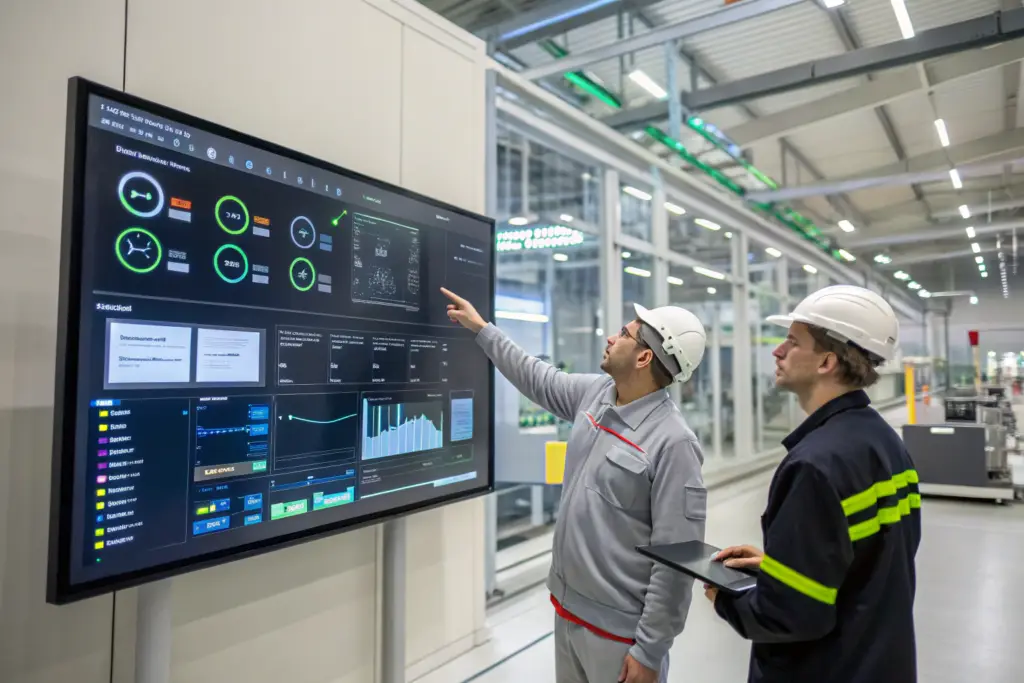
We implemented a digital production management platform for a European outdoor brand client. This platform does more than track order progress. It includes a module where we upload weekly data on working hours per department (anonymized and aggregated), energy consumption, and even training sessions conducted for workers. The brand’s sustainability team can view this in real-time. This radical transparency transformed the relationship from client-vendor to true partners in responsibility.
How can technology enforce ethical benchmarks?
Technology tools are force multipliers for ethics:
- IoT Sensors: Simple sensors on production lines can log machine run-time, providing an irrefutable, secondary data source to cross-check reported working hours against output.
- Blockchain for Material Traceability: For brands concerned with both ethical and sustainable sourcing, blockchain platforms can trace raw materials (like cotton) back to their origin, verifying fair labor practices and environmental standards at the source. Partners like TextileGenesis are pioneers in this field.
- Digital Worker Feedback Platforms: Anonymous mobile apps allow workers to provide feedback on workplace conditions, safety concerns, or management practices directly to the brand or a neutral third-party, bypassing factory management intimidation.
Why is empowering middle management critical?
Front-line and middle managers are the key to daily ethical execution. A common failure point is when top management commits to ethics, but line supervisors, pressured to meet quotas, enforce mandatory overtime. The solution is:
- Incentive Alignment: At Shanghai Fumao, we tie supervisor bonuses not just to output and quality, but also to team retention rates, training completion, and compliance with working hour limits.
- Training: Regular, certified training programs on labor laws, respectful communication, and non-discrimination are mandatory for all management staff. This builds a coherent culture from the top down to the shop floor.
How to monitor and verify conditions continuously?
Monitoring must be continuous, unannounced, and multi-faceted. The traditional annual audit is insufficient. A robust system blends scheduled deep-dives with random spot-checks and leverages the voices of workers themselves.
We established a "Three-Pillar Monitoring" program for our own operations, which we also recommend to our clients for their other suppliers. It consists of: 1) Quarterly internal ethics audits by our dedicated compliance officer; 2) Bi-annual unannounced audits by our client’s chosen third-party auditor; and 3) Semi-annual anonymous worker sentiment surveys administered by a local NGO. This layered approach makes it virtually impossible to maintain a façade.
What makes an unannounced audit effective?
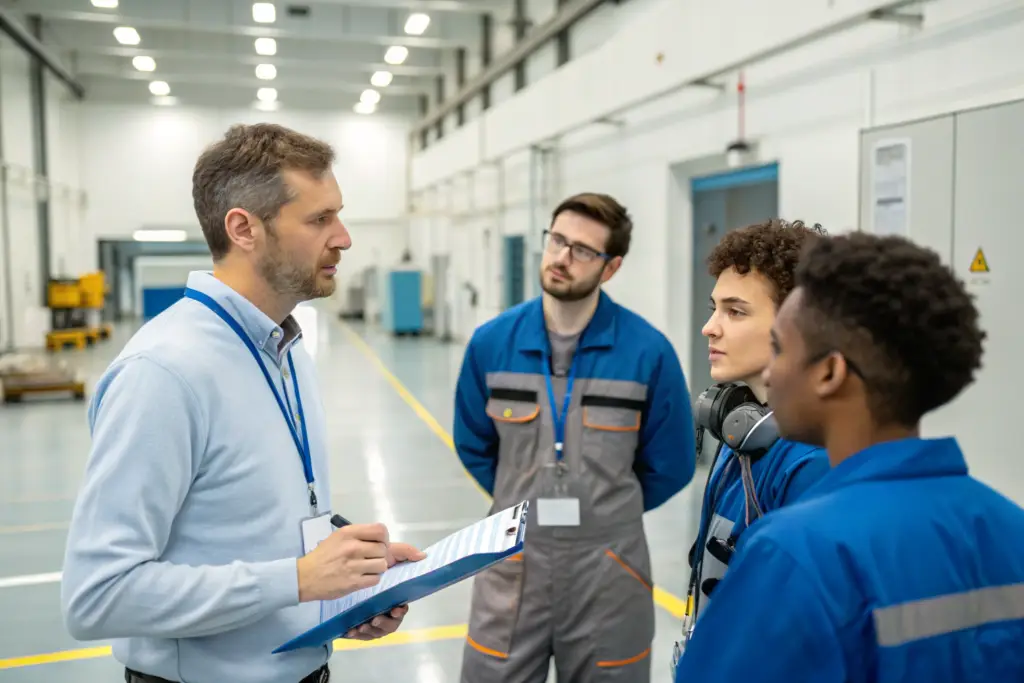
An effective unannounced audit must be unpredictable and forensic:
- Scope and Timing: Auditors should arrive at varying times—early morning, at night, on weekends—to check for unauthorized shifts. They should have free access to all areas, including dormitories if applicable.
- Document Forensic Analysis: Rather than just checking provided files, auditors should pull original records. This includes comparing signed production logs with electricity meter readings, reviewing CCTV footage (if available and compliant with local laws), and checking first-aid logbooks for evidence of unreported injuries.
- Interviews Off-Site: As part of the unannounced visit, auditors should randomly select workers to be interviewed at a neutral location outside the factory gates after their shift.
How to genuinely capture the "worker voice"?
Giving workers a safe, influential channel is the ultimate ethical check. Methods include:
- Electing Worker Representatives: Supporting the democratic election of genuine worker representatives who meet regularly with factory management and have a direct channel to the brand.
- Third-Party Helplines: Funding an independent, 24/7 multilingual helpline managed by a NGO like The Fair Labor Association (FLA) where workers can report grievances anonymously.
- Exit Interview Analysis: Systematically analyzing why workers leave the factory. A high turnover rate often signals underlying problems with management, wages, or working conditions that internal reports may not capture.
How to build a partnership, not just a contract?
Ultimately, ethical manufacturing is sustained through partnership economics. If a buyer constantly pressures for lower prices and faster turnarounds without regard for realistic costs, they force the factory into the very ethical corners they seek to avoid. A true partnership shares both risks and rewards.
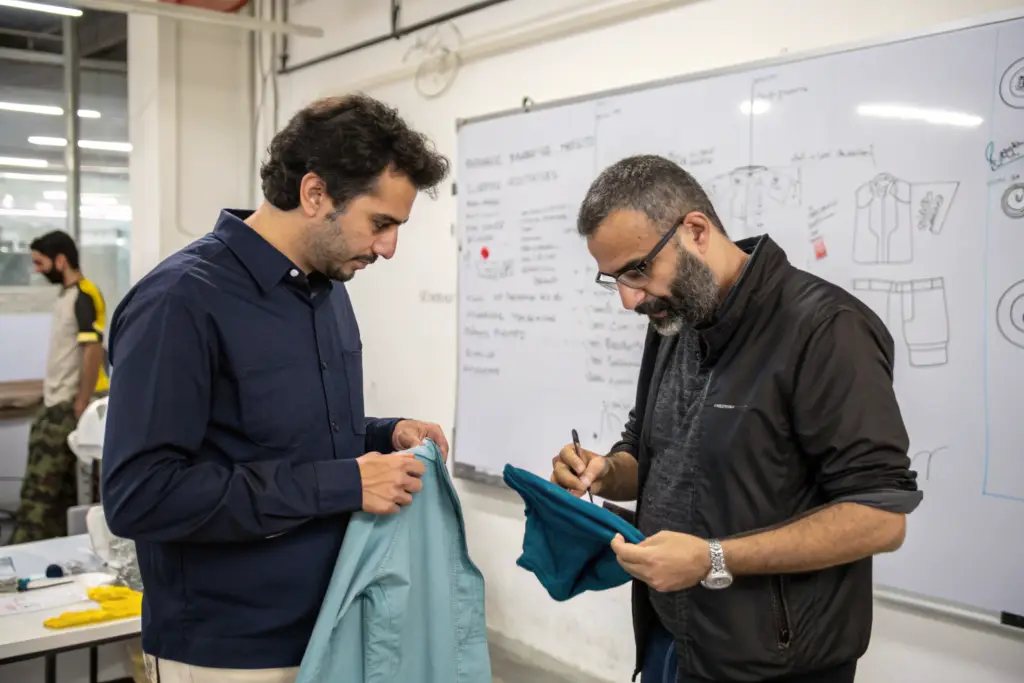
A pivotal moment for us was with a long-term client from California. During the raw material cost surge of 2022, they approached us not with demands to absorb all the cost, but with open books to understand the impact. We worked together to find efficiencies in design and logistics, and they accepted a fair price adjustment. This allowed us to maintain wages and benefits for our workers without hesitation. That brand’s orders are now prioritized in our production planning because they are a true partner.
How does fair pricing underpin ethical practices?
Ethical manufacturing has a real cost. A fair price must account for:
- Living Wages: The cost of paying wages that meet or exceed local living wage benchmarks, not just minimum wage.
- Safe Working Conditions: The investment in proper ventilation, machine guarding, ergonomic tools, and regular maintenance.
- Reasonable Schedules: The cost of hiring adequate staff to meet demand without relying on excessive overtime.
Brands can use tools like the Fair Wage Network calculator to understand regional benchmarks. When you partner with Shanghai Fumao, our transparent costing model shows how your investment translates directly into fair worker compensation and safe operations.
What collaborative practices reinforce ethics?
Partnership is built on shared goals:
- Long-Term Commitments: Offering factories multi-season order forecasts enables them to plan workforce stability, invest in worker training, and negotiate better material prices—all of which support ethical operations.
- Joint Capacity Building: Co-investing in training programs, whether for lean manufacturing (to reduce worker fatigue) or for supervisory skills, lifts both quality and ethical performance.
- Open-Book Costing Reviews: Periodically reviewing cost structures together to ensure fairness and sustainability for both parties, ensuring the business model itself is ethical.
Conclusion
Ensuring ethical manufacturing in global contracted factories is a complex, active, and relational process. It demands moving from passive auditing to active partnership management—combining rigorous due diligence, transparent operational systems, continuous multi-source monitoring, and an economic model that makes ethics sustainable. The brands that succeed are those that embed these practices into their core sourcing strategy, viewing their factories not as disposable vendors but as extensions of their own values and brand promise.
This journey requires commitment, but it builds unparalleled supply chain resilience and brand integrity. It is the definitive competitive advantage in today's conscious market.
If you are looking for a manufacturing partner that not only understands this but has systematized it into its daily operations, Shanghai Fumao is ready to collaborate. We believe in building transparent, ethical, and successful partnerships. To discuss how we can be your reliable extension, contact our Business Director, Elaine, at elaine@fumaoclothing.com.