Securing a popular licensed camo pattern like Realtree for your apparel line can be a major competitive edge in the U.S. market. But it also comes with a significant responsibility: managing exclusivity correctly. Many brand owners and buyers face confusion and legal risks when dealing with licensed fabrics. They wonder how to legally source and produce garments without infringing on intellectual property rights. This article will clarify the process, from licensing agreements to final production, based on our extensive experience as a trusted apparel manufacturer.
Managing exclusivity for Realtree patterns involves a structured, multi-step process centered on obtaining proper licensing and working with a compliant, transparent manufacturing partner. It is not merely about buying the fabric; it’s about securing the rights through the brand owner, ensuring your manufacturer follows strict protocols, and implementing rigorous internal controls to prevent unauthorized use.
Navigating the world of licensed fabrics can be complex, but it is crucial for protecting your brand and ensuring market success. Missteps can lead to costly lawsuits and damaged reputations. Let’s explore the key steps and considerations to effectively manage this valuable asset.
What are the legal steps to obtain Realtree licensing?
The journey to using Realtree patterns legally begins long before production. The first and most critical step is securing the official license. You cannot simply purchase Realtree-printed fabric from a mill and start production. Realtree, as a top camo brand, tightly controls its intellectual property through a structured licensing program administered by its parent company, Jordan Outdoor Enterprises.
We have guided several of our U.S. brand partners through this process. One client, a growing hunting apparel brand from Texas, approached us in early 2023 wanting to expand their line with Realtree EDGE. Our first advice was to direct them to the official Realtree licensing program. The brand applied directly, detailing their product plans, target markets, and sales projections. Once their application was approved and a licensing agreement was signed, they received a unique licensee number. This legal contract outlines the scope of their exclusivity—such as specific product categories, territories, and minimum royalty payments—and forms the foundation of all subsequent steps.

Why can't I just buy Realtree fabric directly?
You cannot buy the fabric directly because the license is tied to the finished product, not the raw material. Mills that produce Realtree-patterned fabric are only authorized to sell it to manufacturers who are listed as approved producers for a specific, active licensee. This creates a controlled chain of custody. When you, as the licensee, place an order with us at Shanghai Fumao, we must provide your official licensee number to our fabric suppliers. The supplier then verifies this number with Realtree’s administration before releasing the fabric. This system prevents unauthorized diversion of licensed materials. Resources like the International AntiCounterfeiting Coalition highlight the importance of such supply chain controls in protecting brand integrity.
How does the licensing agreement define my exclusivity?
The licensing agreement is your rulebook. It precisely defines the boundaries of your exclusivity. This typically includes:
- Product Category: Your license may be for “men’s performance hunting jackets” but not for casual socks or home goods.
- Geographic Territory: Most licenses are territory-specific (e.g., the United States and Canada).
- Distribution Channels: It may specify retail, wholesale, or online-only sales.
- Term and Volume: The agreement lasts for a set period with required minimum sales volumes.
A common pitfall is assuming the license covers all products. Last year, we worked with a brand that had a license for woven shirts but wanted to make knit beanies with a matching Realtree trim. We had to halt the production plan and help them apply for a license amendment, avoiding a potential breach. Understanding the U.S. Chamber of Commerce’s resources on intellectual property can help businesses grasp the legal frameworks governing such agreements.
How to ensure your manufacturer complies with exclusivity terms?
Once you have your license, the next critical step is ensuring your manufacturing partner operates with strict compliance and transparency. Your manufacturer becomes the guardian of your exclusivity on the production floor. Any lapse on their end can jeopardize your license and brand.
From our experience, clear communication and verified processes are non-negotiable. We act as an extension of our clients' compliance teams. For instance, a Michigan-based outdoor brand we partner with conducts annual audits of our facility. They review our material sourcing logs, production schedules, and even interview our line supervisors to ensure no cross-contamination or unauthorized use of their licensed fabrics occurs. This level of diligence is what builds long-term trust.
What factory protocols prevent pattern misuse?
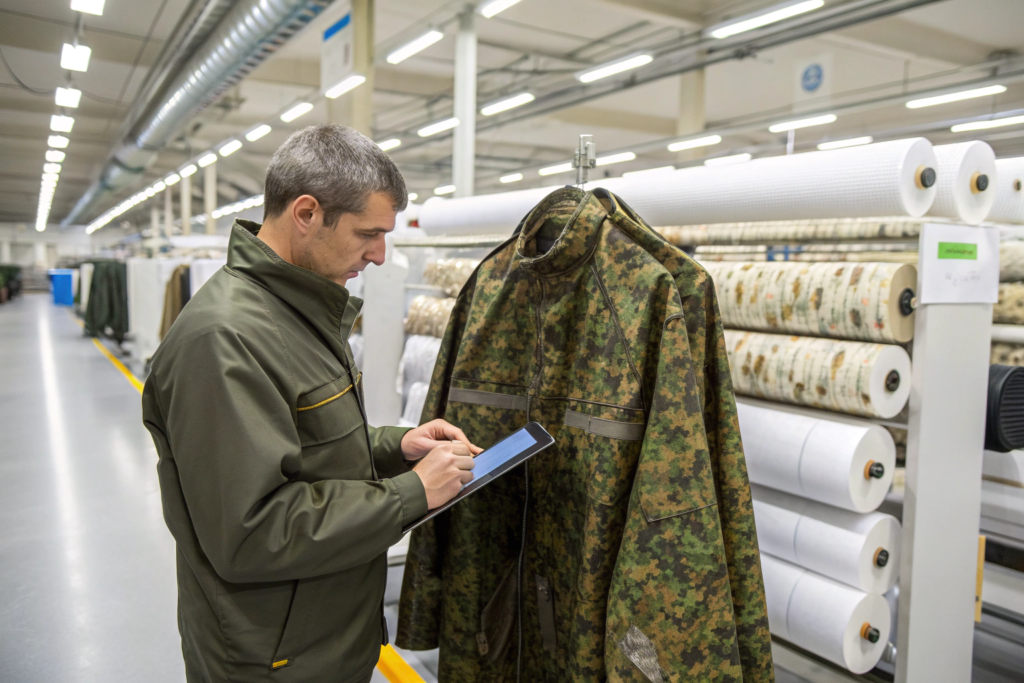
A professional factory must have ironclad protocols. At Shanghai Fumao, we implement a “Licensed Material Management System” that includes:
- Dedicated Storage: Licensed fabrics are stored separately in a locked area with access logs.
- Job-Specific Allocation: Fabric is allocated to production lines based on specific purchase orders linked to a valid licensee number.
- Strict Cut-Waste Control: All fabric remnants and off-cuts from licensed production are collected and destroyed under supervision, often by shredding, to prevent them from being used for unauthorized small items.
We learned the importance of this the hard way many years ago. A former supplier we audited was found using leftover licensed fabric from a large order to produce small accessory bags for a different, unlicensed client. This led to a major legal dispute for the brand involved. Now, our waste management protocol is a key selling point for brands dealing with exclusive materials.
How does transparent communication build trust?
Trust is built on proactive and transparent communication. This means:
- Providing regular production updates with photos and videos.
- Immediately flagging any material discrepancies or quality issues.
- Maintaining open logs of fabric consumption that the client can review.
We go beyond just sending emails. For our key clients using exclusive patterns, we set up a shared digital dashboard. This dashboard shows real-time data on fabric inventory, stage of production, and quality control checkpoints. This level of transparency, akin to the traceability systems advocated by organizations like ASSOCHAM’s textile committee, eliminates doubts and prevents the “black box” feeling that causes anxiety for buyers.
What are common pitfalls in sourcing and logistics?
Even with the right license and a compliant factory, risks remain in the sourcing and logistics phases. These pitfalls often cause delayed shipments and legal headaches, directly impacting your selling season and profitability.
One major pitfall is assuming all suppliers handle logistics the same way. A client from Colorado once faced a nightmare when their previous manufacturer used a freight forwarder that improperly declared the goods, causing the shipment containing Realtree-licensed jackets to be held at U.S. Customs for weeks. The season was missed. Now, they rely on our integrated DDP (Delivered Duty Paid) service. We handle everything from the factory door to their U.S. warehouse, including all customs documentation that correctly declares the licensed nature of the goods, ensuring a smooth, predictable arrival.

How can fabric sourcing delays be avoided?
Delays often start at the fabric mill. Realtree fabrics, especially new or popular patterns, can have long lead times. The key is advanced planning and confirmed allocations.
- Forecast Early: Share your production forecast with your manufacturer as soon as your licensing is in process.
- Secure Fabric Allocation: A reliable manufacturer like Shanghai Fumao will use its relationships with authorized mills to place a “fabric reservation” for you based on your forecast, even before the final PO is issued.
- Have a Backup Timeline: Always build a buffer of 2-3 weeks into your critical path for potential fabric delays.
We maintain a chart to track the lead times of various licensed fabrics from different mills, which we share with clients during the planning stage to set realistic expectations.
Why is DDP shipping crucial for licensed goods?
| DDP shipping is not just a convenience; it’s a risk mitigation tool for licensed apparel. | Incoterm | Risk for Licensed Goods | Who Manages Customs? |
|---|---|---|---|
| FOB (Free on Board) | High | The buyer/importer (you). Any error in your customs declaration can cause seizures. | |
| DDP (Delivered Duty Paid) | Low | The seller/manufacturer (us). We take full legal and financial responsibility for correct declaration and delivery. |
With DDP, we ensure the Harmonized System (HS) codes, value declaration, and description (including the licensee information) are 100% accurate. Our in-house logistics team is trained on the specific requirements for branded intellectual property, as outlined by resources like The International Trade Administration, preventing costly customs holds.
How to protect your investment long-term?
Managing exclusivity is an ongoing commitment, not a one-time setup. Protecting your investment requires continuous quality control, market vigilance, and a strategic partnership with your manufacturer.
Your brand’s reputation is tied to the quality of the finished product. A subpar jacket with an official Realtree pattern can damage consumer trust in both your brand and the camo brand. We implement a multi-stage inspection process specifically for licensed items, checking not only construction but also the precision of pattern matching at seams and the color fastness of the print. In 2022, we helped a client recall a small batch of shirts where the green hue in the camo was slightly off-standard after washing. By catching it early, we saved them from a large-scale customer return issue.
What quality checks are specific to licensed patterns?
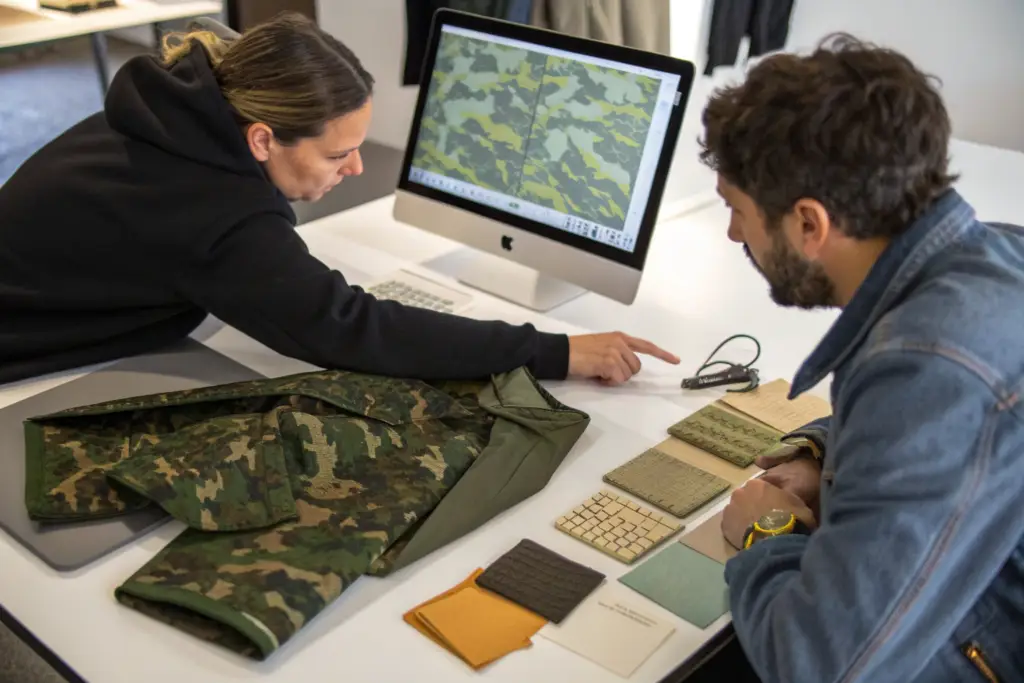
Beyond standard garment checks, we focus on:
- Pattern Alignment: Ensuring the camo pattern aligns correctly across seams (e.g., at the shoulders and pockets) for a premium look.
- Color Consistency: Using spectrophotometers to ensure the printed fabric matches the standard swatch provided by Realtree across all dye lots.
- Label and Hangtag Compliance: Verifying that all legally required licensing labels and holograms are correctly attached.
These checks are part of a broader quality assurance framework that treats the licensed pattern as a key component of the product’s value.
How can you monitor the market for infringement?
Staying vigilant is part of the game. We advise our partners to:
- Regularly monitor major online marketplaces and discount retailers for unauthorized products using their licensed pattern.
- Work with specialized legal firms that offer brand protection services.
- Leverage their manufacturer’s market insight. Because we see production trends across many clients, we can sometimes spot suspicious fabric requests or patterns that may indicate knock-off activity and alert our trusted partners.
Building a resilient supply chain with a transparent manufacturer is your best long-term defense. It allows you to focus on marketing and sales, knowing your production is secure and compliant.
Conclusion
Successfully managing exclusivity for Realtree patterns in the U.S. market is a detailed process that blends legal diligence, manufacturing compliance, and logistical precision. It starts with securing the proper license directly from the brand owner, continues by partnering with a manufacturer that has robust systems to protect intellectual property, and is sustained through careful planning and quality control. Avoiding common pitfalls in sourcing and shipping, particularly by using DDP terms, is essential for protecting your investment and meeting critical market timelines.
Ultimately, your choice of manufacturing partner is the most important operational decision you will make. You need a factory that acts as a true extension of your team, one that values transparency and has proven systems to safeguard your exclusivity. If you are looking for a reliable, experienced partner to help you navigate the complexities of producing licensed apparel and bring your vision to market with confidence, we are here to help.
Let Shanghai Fumao be your trusted manufacturing partner. We have the expertise and systems in place to ensure your Realtree projects are executed flawlessly, from compliant sourcing to on-time delivery. For a consultation on your next project, please reach out to our Business Director, Elaine, at elaine@fumaoclothing.com.