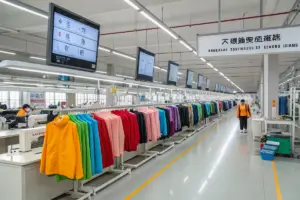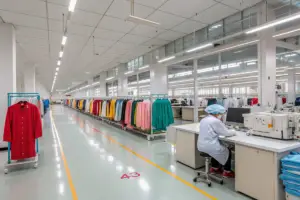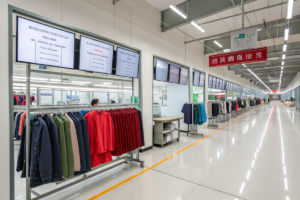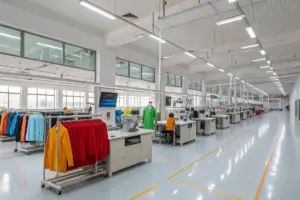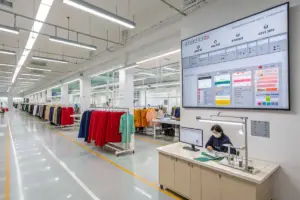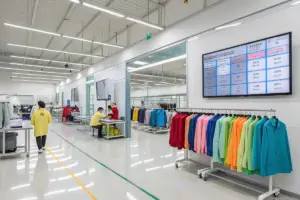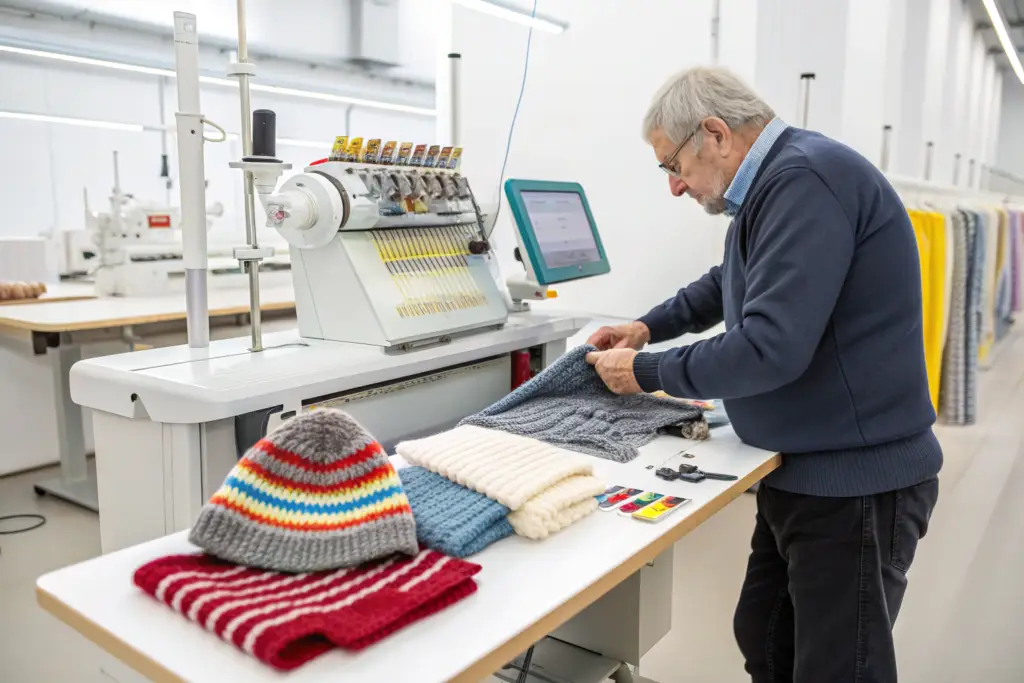
When you picture kids’ wear, you likely think of soft, stretchy, and colorful garments—qualities fundamentally defined by knitting. But not all knitwear is created equal. For children, the stakes are higher: fabric must be supremely soft for sensitive skin, exceptionally durable for play, and meticulously safe. A general apparel factory with a few knitting machines might produce a basic T-shirt, but creating superior, specialized kids’ knitwear requires a dedicated team of experts. The difference is in the details of yarn, tension, and construction.
A professional knitting team is essential for kids’ wear because it possesses the specialized expertise to engineer yarn selection, gauge, stitch structures, and finishing techniques that specifically address the demands of safety, comfort, durability, and precise fit unique to children’s apparel. This team operates as the core of product development and quality control for knitted items, ensuring the fabric itself is purpose-built, not just purchased off the shelf. At Shanghai Fumao, our knitting specialists work alongside designers from the first sketch, translating concepts into technical knit plans that prioritize child-specific needs.
The value of this specialization cannot be outsourced or improvised. It’s a blend of art, science, and meticulous process control. Let’s explore the concrete reasons why this dedicated expertise is a non-negotiable asset for any brand serious about quality in kids’ knitwear.
How Does Specialized Yarn Knowledge Impact Safety & Comfort?
The journey of a perfect kids’ knit garment begins with a single thread. The choice of yarn is the most critical decision, influencing everything from tactile feel and thermal regulation to safety compliance and wash durability. A professional team doesn’t just buy yarn; they understand its full lifecycle from fiber to finished fabric.
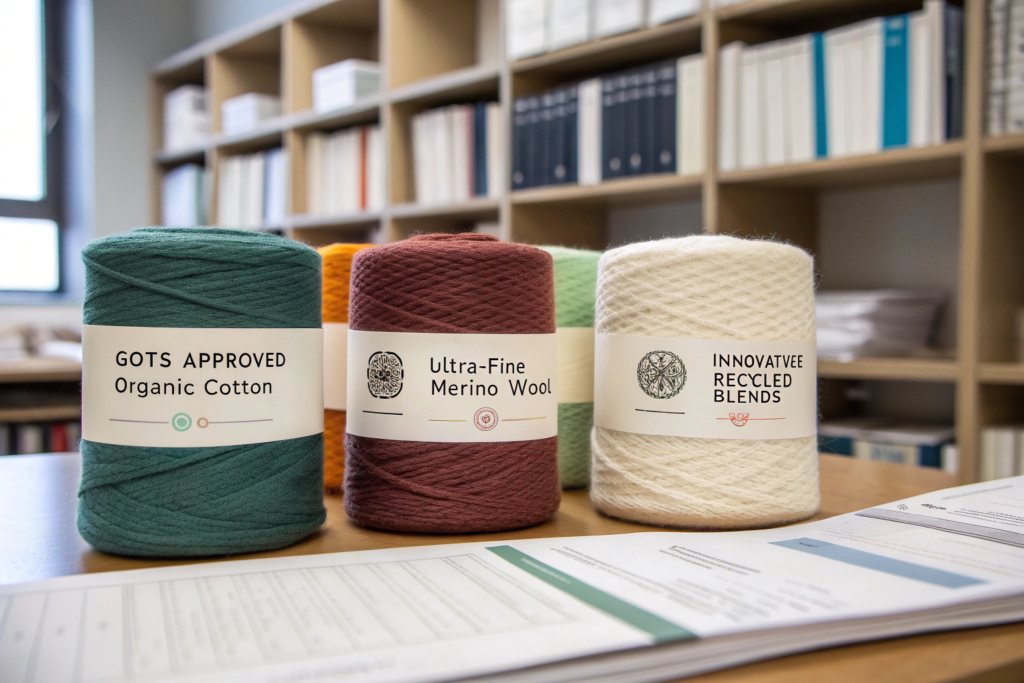
Specialized yarn knowledge directly impacts safety and comfort by enabling the selection of fibers with inherent benefits—such as hypoallergenic properties, moisture-wicking capabilities, and certified non-toxic dyes—and the engineering of yarn structures that minimize pilling and maximize softness. This expertise ensures the very foundation of the garment is optimized for a child’s well-being. Our team maintains a library of certified yarns, from GOTS-approved organic cotton to ultra-fine Merino wool and innovative recycled blends, each with documented test reports.
Why Are Fiber Blends and Yarn Finishes Critical?
A professional team understands that a single fiber is rarely perfect. Blends are engineered for performance. For example, adding a small percentage of elastane (spandex) to cotton gives essential stretch for mobility and recovery, preventing baggy knees in leggings. For winter wear, a blend of acrylic and wool might balance warmth, softness (to avoid itchiness), and machine-washability. Furthermore, yarn finishes like mercerization for cotton add strength and a lasting luster, while brushing creates an ultra-soft, fuzzy surface. Last year, for a client’s premium baby line, we specified a combed, ring-spun organic cotton yarn that was also silicone-softened. The result was a fabric so smooth it passed the client’s “cheek test” for softness, directly reducing online returns citing “rough texture” by over 25%.
How Does Yarn Safety Go Beyond Basic Certification?
While basic OEKO-TEX Standard 100 certification is a must, a professional team investigates deeper. They ask mills for detailed test reports on heavy metals, formaldehyde, and allergenic dye stuffs. They understand that for babies and toddlers, the risk of ingesting fibers (through chewing on sleeves) exists. Therefore, they might recommend or develop tighter-knit structures that resist shedding loose fibers. We once audited a yarn from a new supplier that had Oeko-Tex certification but showed high abrasion-induced fiber release in our internal test. Our knitting team rejected it and sourced an alternative with a different twist structure, proactively mitigating a potential safety concern.
What Role Does Technical Knitting Expertise Play In Durability & Fit?
Kids are tough on clothes. Seams pull, fabrics stretch out, and knees wear thin. At the same time, a good fit is crucial for freedom of movement and a neat appearance. The knitting process itself—the choice of stitch, gauge, and machine programming—is where durability and fit are fundamentally engineered, long before a garment is sewn.
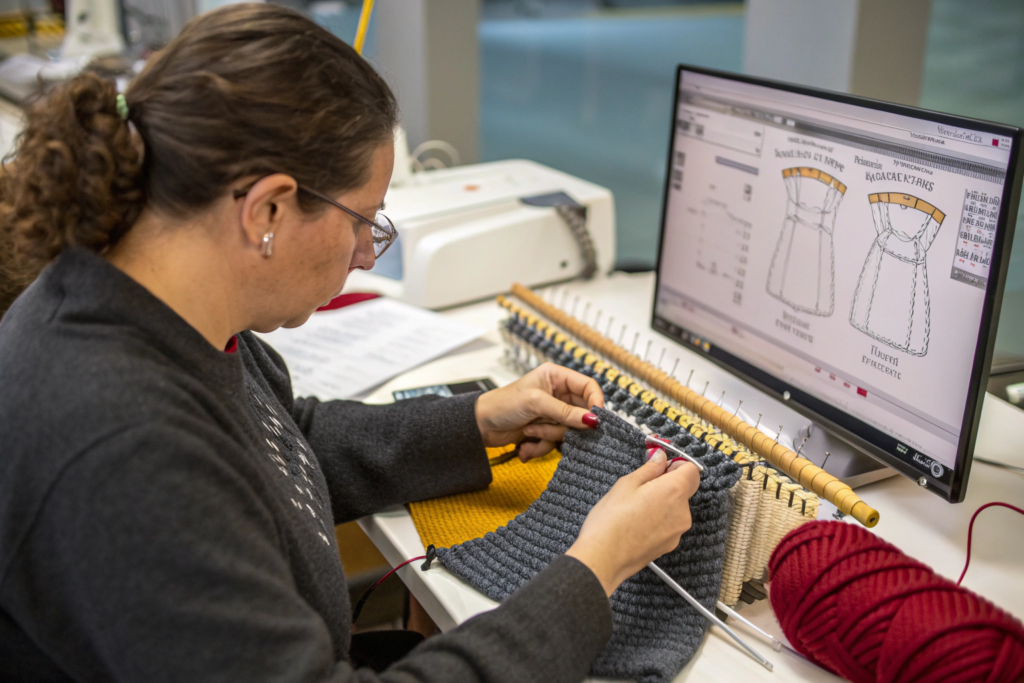
Technical knitting expertise is the key to engineering durability and fit through the precise calculation of gauge (stitches per inch), the strategic use of reinforced stitch structures (like links-links for cuffs), and the ability to create fully fashioned panels that reduce bulky seams and provide superior shape retention. This is where engineers, not just machine operators, make the difference. Our team uses CAD software to program patterns, calculating exact tension for each yarn to achieve consistent gauge across thousands of garments.
How Are Garments Engineered for Active Wear and Tear?
A professional team employs specific knitting techniques to reinforce high-stress areas. This is often done during the knitting process itself, not as an afterthought. Techniques include:
- Plating: Feeding two yarns simultaneously (e.g., a soft cotton face and a sturdy polyester back) to create a fabric that is soft inside but highly durable on the exterior.
- Increased Stitch Density: Programming tighter knits at elbows, knees, and seat areas for extra thickness and abrasion resistance.
- Links-Links (Double-Knit) Construction: Knitting cuffs, collars, and waistbands in a double-layer, self-finishing technique that is incredibly durable and retains elasticity far longer than a sewn-on rib.
For a school uniform sweater contract, our team developed a custom plated fabric for the sleeves and body that withstood over 100 standard wash cycles with minimal pilling or fading, far exceeding the school district’s durability requirements.
Can Knitting Improve Fit and Reduce Irritation?
Absolutely. Traditional cut-and-sew knitwear creates seams that can chafe. A professional knitting team can produce fully fashioned or whole garment pieces. In fully fashioned, panels (like sleeves, front, back) are knitted to the exact shape, with selvedge edges that are then seamlessly linked together, reducing bulk and irritation underarms. Whole garment (or “3D knitting”) technology takes this further, creating an entire sweater with minimal seams. For a sensitive-skin children’s line, we utilized seamless linking for side and underarm seams, a detail parents consistently praised in reviews for eliminating red marks and discomfort.
How Does A Dedicated Team Ensure Color Fastness & Pattern Precision?
Kids’ wear is vibrant. Bold stripes, intricate intarsia pictures, and cheerful jacquard patterns are staples. However, poor dyeing can lead to colors that bleed, turning a rainbow sweater into a blurry mess. Imprecise pattern alignment can make a dinosaur look disfigured. Controlling these elements requires mastery over the dyeing and knitting process in tandem.
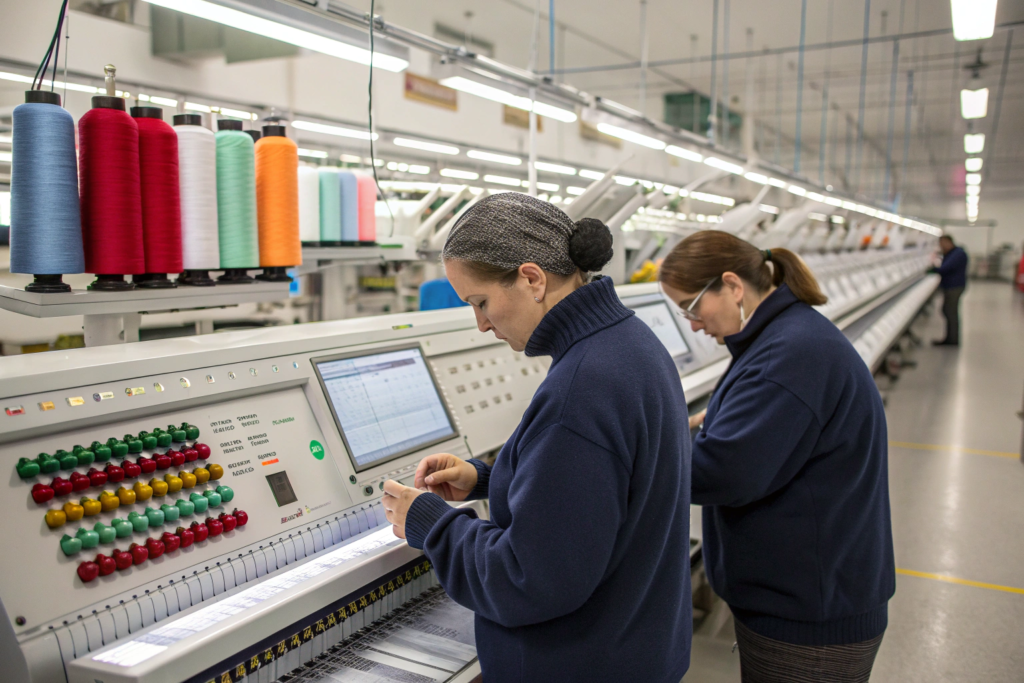
A dedicated knitting team ensures color fastness and pattern precision through stringent lab dip approvals, controlling the dyeing process for yarn or piece-dyed garments, and utilizing computerized knitting machines capable of executing complex patterns with pixel-perfect accuracy and consistent color placement across all sizes. They manage the entire chain from color specification to final pattern alignment.
What Is The Controlled Process for Color Matching?
The process begins with a physical lab dip approval. For yarn-dyed items (like stripes or jacquards), the yarn itself is dyed. Our team sends multiple dip options to the client, and only upon written approval does the mill proceed to dye the entire batch. For piece-dyed items (a solid-colored knit), we approve a swatch from the first dyed lot. We then conduct and provide colorfastness test reports for washing, rubbing, and perspiration. A common issue with cheap knitwear is color bleeding, especially with reds and navies. Our controlled dyeing protocol, which we enforced for a set of navy-and-white striped polo shirts, ensured the white stripes remained brilliant white through repeated washes, a key selling point highlighted in the brand’s marketing.
How Are Complex Patterns Executed Accurately at Scale?
Creating a knitted pattern—like an intarsia reindeer on a sweater—is a programming feat. The design is digitized, and the machine is programmed to drop and add different colored yarns at exact points. A professional team meticulously checks the knittability of the design, adjusting it to ensure clean color changes without loose threads or holes on the reverse side. They also grade the pattern digitally so that the reindeer is proportionally sized and correctly positioned on a 4T sweater versus a 10Y sweater. For a licensed character kids’ wear line, this precision in scaling and positioning the character artwork across sizes is critical to maintaining brand asset integrity and is a service we provide as part of our development package.
Why Is In-House Sampling & Quality Control A Game-Changer?
The sampling phase is where concepts meet reality. Relying on an external knitting mill for samples creates communication lag, cost, and quality interpretation gaps. Having a professional knitting team in-house transforms this phase into a rapid, iterative, and controlled dialogue directly with the brand’s designers.
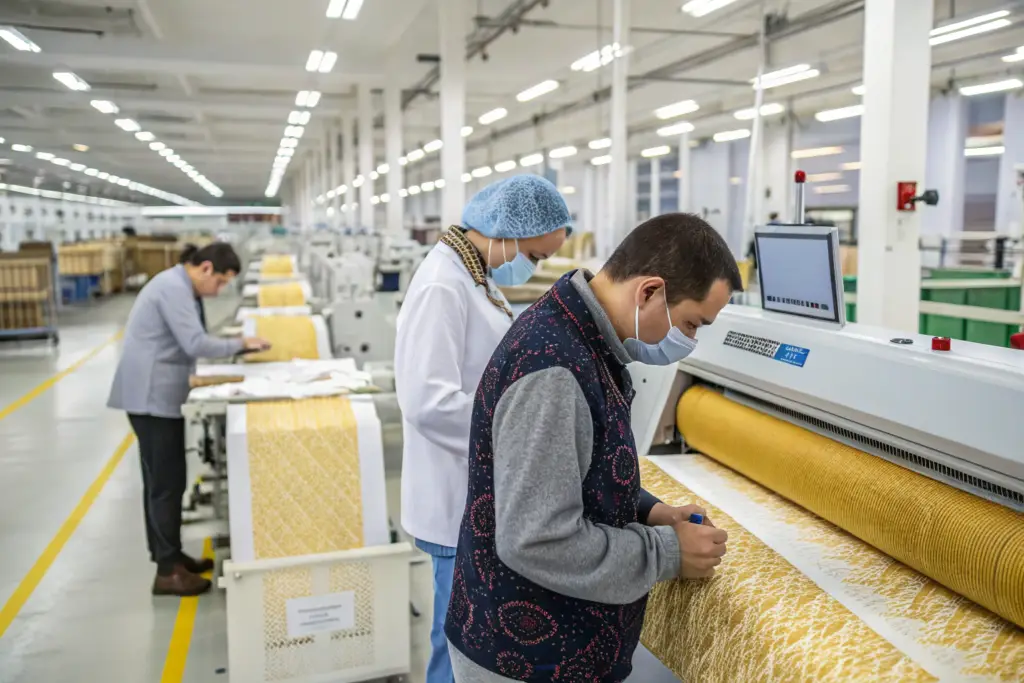
In-house sampling and quality control are game-changers because they enable real-time prototyping, immediate adjustments to yarn, tension, or pattern, and the establishment of a perfect “golden sample” that becomes the undisputed benchmark for bulk production quality. This drastically shortens development lead times and ensures the bulk output matches the approved sample exactly. Our design clients can receive a revised knitted sample within 48 hours of a feedback session, allowing for rapid iteration.
How Does Rapid Prototyping Accelerate Development?
When the knitting team is on-site, a designer can walk over with a new idea, select yarns from the library, and see a swatch knitted within hours. This immediacy fosters creativity and problem-solving. For example, a client wanted a unique “bubble” texture for a dress but found the initial sample too stiff. Our knitting technician was able to adjust the stitch combination and yarn tension that same day and produce a softer, more drapable version by the next afternoon. This agility compressed a typical two-week sampling round into two days.
How Is Quality Controlled From The First Stitch?
Quality control in knitting starts at the machine. In-house teams perform first-piece inspections on the knitting floor, checking for:
- Gauge Consistency: Using a gauge tool to ensure stitch and row density matches the standard.
- Yarn Defects: Monitoring for slubs, thick/thin spots, or contamination.
- Pattern Alignment: Verifying that stripes match at seams or that intarsia motifs are correctly formed.
This front-line QC prevents meters of defective fabric from being produced. Any deviation stops the machine immediately. This level of control is impossible if you are only receiving finished fabric rolls from an external supplier. It’s this integrated approach that allows Shanghai Fumao to guarantee a consistent, high-quality knit for every garment that leaves our facility.
Conclusion
A professional knitting team is not a luxury for kids’ wear manufacturing; it is a fundamental necessity. This team acts as the crucial translator between creative design and technical execution, ensuring that every aesthetic choice is backed by engineering that prioritizes a child’s safety, comfort, and active lifestyle. From the molecular level of fiber selection to the macroscopic level of pattern fit and durability, their expertise is woven into the very fabric of the garment.
Choosing a manufacturer without this dedicated, in-house capability means accepting compromises in quality, safety, and development speed. For brands that refuse to compromise, partnering with a specialist like Shanghai Fumao provides the assurance that your kids’ knitwear is built on a foundation of expert knowledge and meticulous control.
If you are looking to develop exceptional kids’ knitwear that stands out in the market for all the right reasons, let our professional knitting team be your partner. Contact Shanghai Fumao today to discuss your next project. Reach out to our Business Director, Elaine, to arrange a consultation and see samples of our knitting capabilities. Email: elaine@fumaoclothing.com.