You’re committed to launching an eco-conscious kids' wear line. You know sustainable materials are key, and you’ve found a few international factories online that claim to be "green." But how do you move beyond marketing claims to verify true sustainability? How do you ensure that the adorable organic cotton dress is also ethically made and shipped with a low carbon footprint? Sourcing sustainably from afar is complex, but it's the only way to build a brand that today's conscious parents trust.
You source sustainable kids wear from international factories by implementing a rigorous, three-phase verification and partnership process. At Shanghai Fumao, we guide brands through this journey, acting not just as a manufacturer but as a transparent partner in building a credible, sustainable supply chain. The key is to focus on verifiable certifications, ethical on-site practices, and integrated logistics, turning good intentions into auditable reality.
Sustainable sourcing is a system, not a single checkbox. It requires looking at the entire lifecycle of a garment—from the farm where the cotton grows, to the dye house that colors it, the factory that sews it, and the ship that carries it. Your factory partner must be your ally in mapping and managing this complex chain.
How Do You Verify Material Certifications and Traceability?
The foundation of sustainable kids wear is in the materials. Claims of "organic" or "recycled" are meaningless without third-party verification that follows the material from its origin to your finished garment. This traceability is your first and most critical line of inquiry.
You must demand and verify internationally recognized certifications that cover both the raw material content and the processing stages. These documents are your proof of sustainability and should be a non-negotiable requirement in your Request for Quote (RFQ).
Dive Deeper Paragraph: Focus on certifications that cover environmental and chemical safety, especially crucial for children's products.
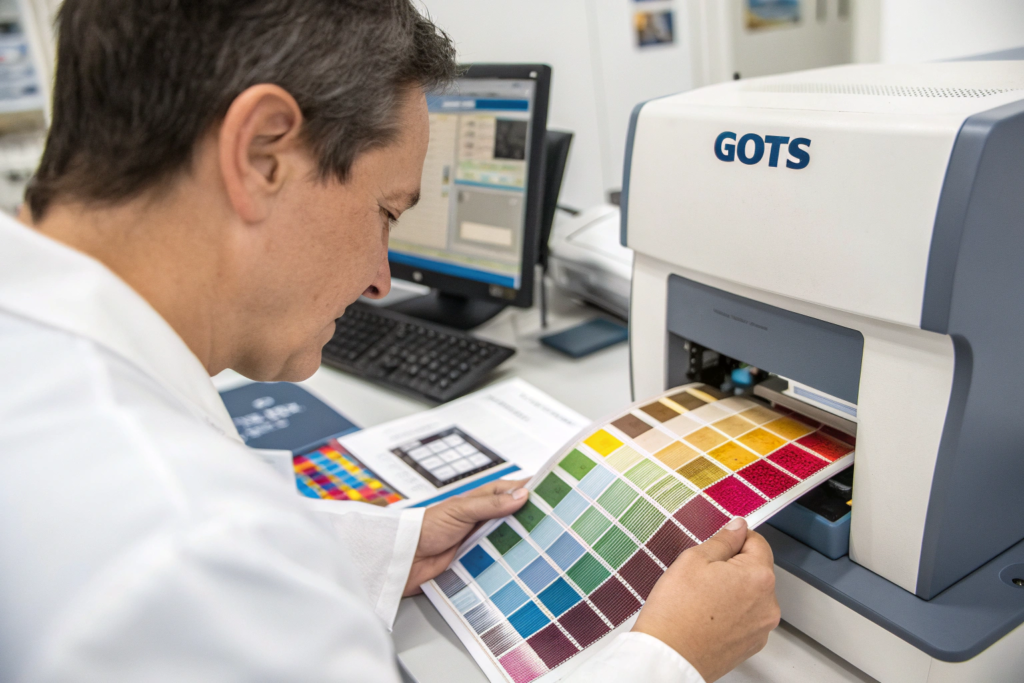
Which Certifications Are Non-Negotiable for Kids Wear?
When evaluating a factory, insist on seeing valid, current certificates for:
- GOTS (Global Organic Textile Standard): The gold standard for organic fibers. It covers environmental and social criteria from harvesting to labeling. For any item labeled "organic," GOTS certification is essential.
- OEKO-TEX® Standard 100: Tests for harmful substances. It's crucial for ensuring dyes and finishes are safe for children's sensitive skin. Look for Class I certification, which is the strictest, for babies and toddlers.
- GRS (Global Recycled Standard): Verifies the recycled content in materials like polyester or nylon and tracks it through the chain of custody.
A brand we partnered with last year provided a clear lesson. They initially sourced "organic cotton" from a supplier with only a farm-level certificate. We helped them switch to a GOTS-certified mill. The cost was 15% higher, but the GOTS label allowed them to charge a 25% premium and gave them a powerful, verifiable marketing story, directly improving their profit margin.
How Do You Audit the Chain of Custody?
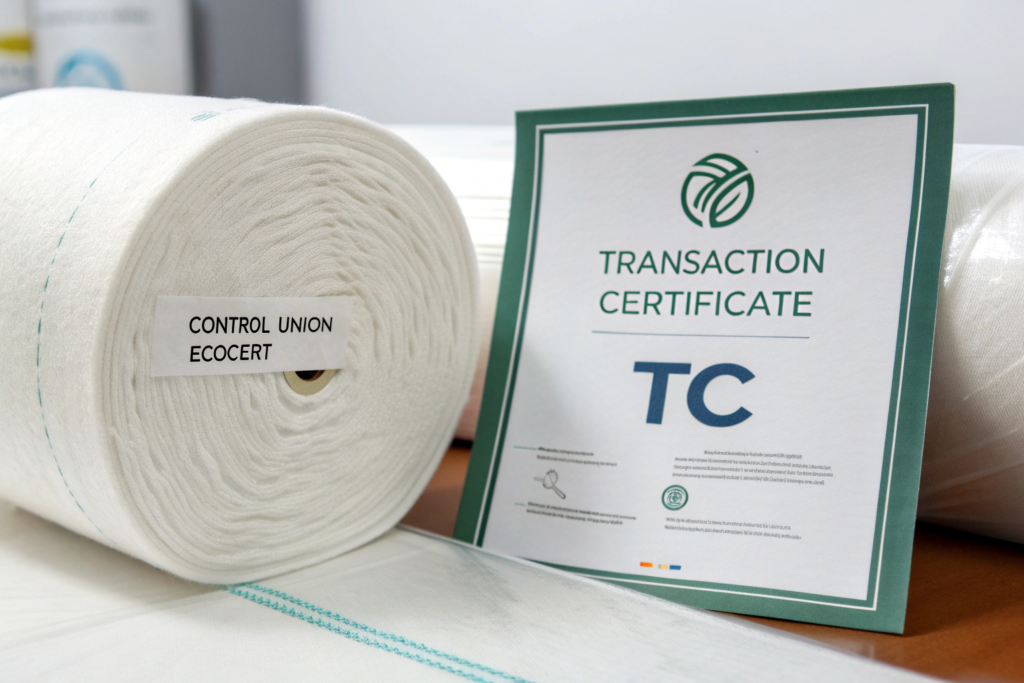
A certificate for a bale of cotton doesn't guarantee your specific dress is made from it. You must ask the factory for a Transaction Certificate (TC). This document, issued by the certifying body (like Control Union or Ecocert), traces the certified material from one certified entity to the next through the supply chain. A reputable factory will be able to provide a TC that links the certified fabric roll to your specific production order. Always request the TC for your order before shipment.
How Can You Assess Ethical Labor and Factory Environmental Practices?
Sustainable manufacturing is incomplete without social responsibility. The well-being of the people making your clothes is paramount. Furthermore, a factory's own environmental management—its energy use, water treatment, and waste handling—directly impacts the overall footprint of your product.
This requires going beyond paperwork to assess on-the-ground conditions. For international brands, this often means hiring a third-party auditor or partnering with a factory that welcomes and has a history of transparent audits.
Dive Deeper Paragraph: Assessment should cover both social compliance and the factory's operational environmental impact.
What Should a Social Compliance Audit Cover?
Look for factories audited against respected standards like:
- Sedex Members Ethical Trade Audit (SMETA)
- Better Work (by ILO)
- Fair Trade Certification
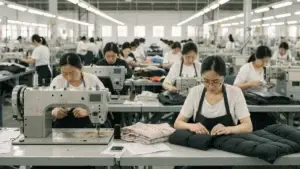
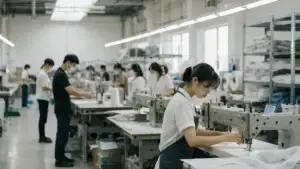
Key points to verify include: proof of age for workers (to prevent child labor), fair wage documentation and working hours, safe and clean working conditions, and the right to collective bargaining. When we underwent our most recent SMETA audit, we provided the brand client with the full report (with corrective action plans for minor findings), not just a pass/fail certificate. This level of supply chain transparency builds deep trust.
How Do You Evaluate a Factory's Environmental Management System (EMS)?
Ask for evidence of the factory's internal environmental policies. Key indicators include:
- Water Treatment: Does the factory or its designated dye house have a water treatment plant? Can they show chemical usage logs and treated water test results?
- Energy & Carbon: Are they tracking energy consumption? Do they use renewable energy (e.g., solar panels on the roof)?
- Waste Management: How do they handle fabric scraps, plastic, and chemical waste? Is there a program for recycling or repurposing off-cuts?
For instance, at our facility, we installed a centralized fabric recycling system. We bale and send 95% of our textile waste to a partner who turns it into non-woven materials for insulation. We provide brands with a monthly waste diversion report, a tangible metric they can share with their customers.
How Does Logistics and Packaging Impact Your Carbon Footprint?
The sustainability journey doesn't end at the factory gate. How your goods are packaged and shipped across oceans contributes significantly to their overall carbon footprint. An otherwise perfect garment shipped via air freight in single-use plastic polybags negates much of its environmental benefit.
A true partner will help you design a low-impact logistics strategy, focusing on sea freight, recycled/recyclable packaging, and bulk consolidation to minimize emissions per garment.
Dive Deeper Paragraph: Sustainable logistics is a collaborative effort between your brand and the factory's shipping department.
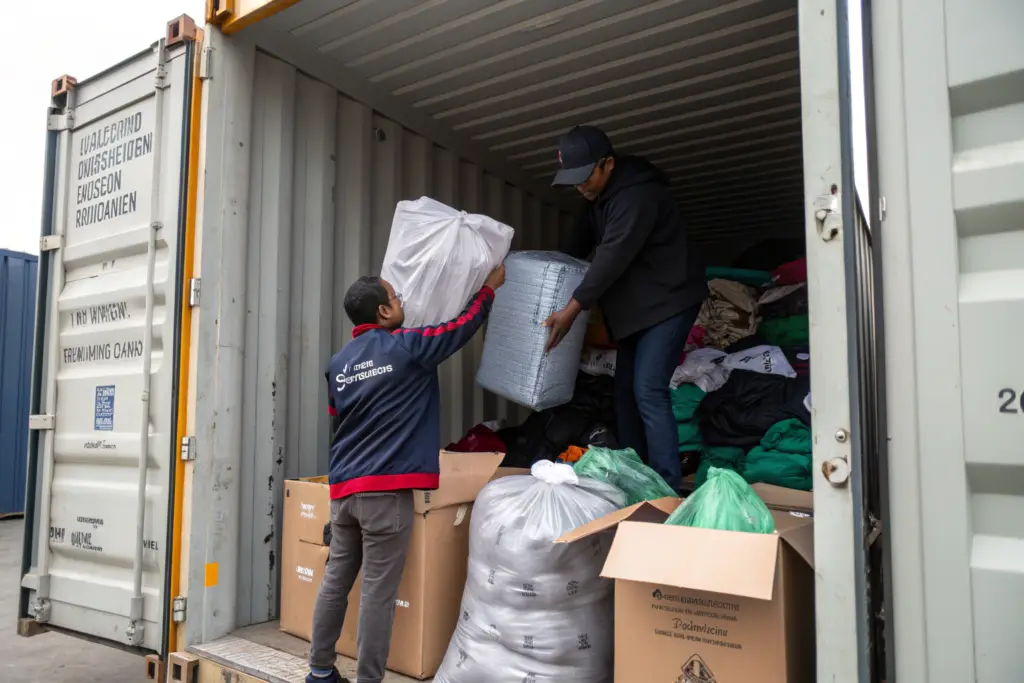
What Are the Options for Sustainable Packaging?
Work with your factory to replace conventional packaging:
- Polybags: Switch to compostable polybags (made from cornstarch) or recycled polyethylene bags. Better yet, eliminate them entirely for items that don't need plastic protection, using only tissue paper.
- Cartons: Ensure shipping cartons are made from recycled content and are themselves recyclable.
- Hangtags & Labels: Use recycled paper or seed paper for hangtags.
We helped a European kids' brand switch to 100% plastic-free packaging. We sourced custom-sized, recycled cardboard boxes and used paper twine to secure garments. While the unit cost increased by $0.10, the brand used it as a major marketing point, and customer feedback was overwhelmingly positive, enhancing their brand loyalty.
How Can You Optimize Shipping for Lower Emissions?
Strategy is key:
- Choose Sea over Air: Plan your production timeline to allow for the slower but far less carbon-intensive sea freight. A single air shipment can have 40-50 times the emissions of sea freight.
- Consolidate Orders: Avoid multiple small shipments. Plan to ship full container loads (FCL) whenever possible to maximize efficiency.
- Carbon Offset Programs: Some forwarders offer programs to offset the emissions of your shipment. A progressive factory can facilitate this for you.
We provide clients with a carbon footprint estimate for different shipping modes (air vs. sea) for their order, empowering them to make an informed, values-aligned decision.
How Can You Build a Long-Term, Collaborative Partnership?
One-off audits are a snapshot; lasting sustainability requires continuous improvement. The most successful sustainable brands view their factory not as a vendor but as a long-term innovation partner, working together to solve problems and set new standards.
This means moving from a policing relationship to a collaborative one. Share your goals, invest in the relationship, and be willing to co-invest in improvements that benefit both parties.
Dive Deeper Paragraph: A partnership is built on shared goals, open communication, and joint investment in innovation.
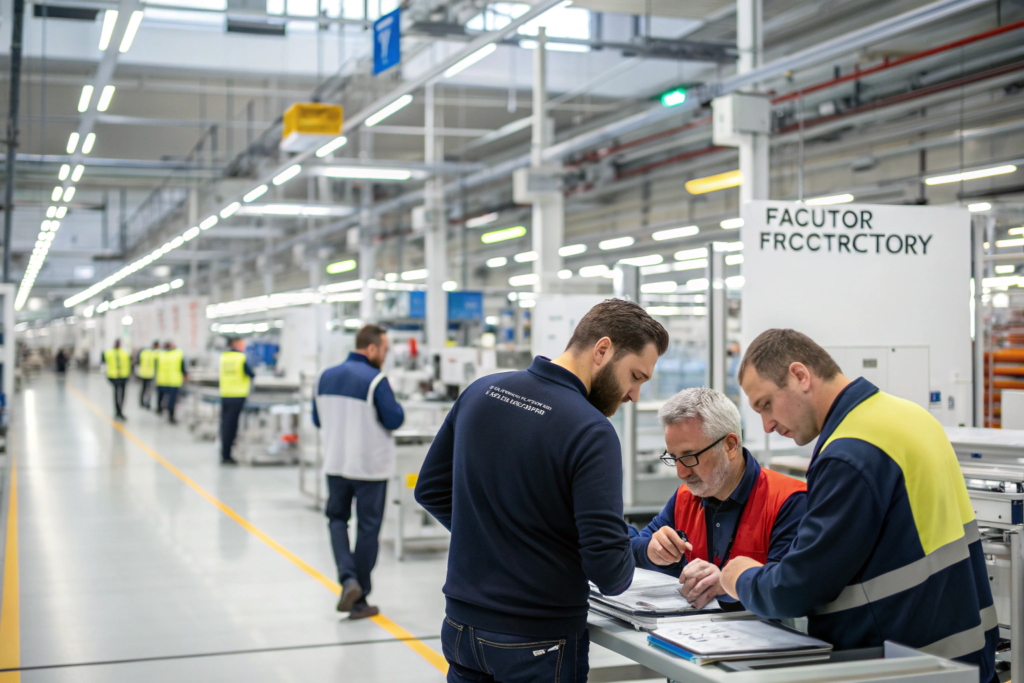
Why Are Pre-Production Meetings Critical for Sustainable Sourcing?
Before placing an order, hold a formal meeting (virtual or in-person) with the factory's management, technical, and compliance teams. Discuss:
- Your specific sustainability and ethics benchmarks.
- The factory's current practices and improvement plans.
- Potential challenges and solutions (e.g., cost of certified fabrics, lead times for eco-materials).
This aligns expectations and identifies potential roadblocks early. We hold these "Sustainability Kick-off" meetings for all new brand partners. For one, it led to a collaborative project where we split the cost of developing a new, GOTS-certified interlining for their structured blazers, which they now own exclusively for 12 months.
How Do You Incentivize and Track Continuous Improvement?
Establish clear KPIs beyond just price and delivery. These could include:
- Percentage of orders using certified materials.
- Annual reduction in energy/water use per garment produced.
- Reduction in virgin plastic packaging year-over-year.
Review these metrics quarterly. Be willing to sign longer-term contracts or provide volume commitments in exchange for the factory's investment in green technology (like new water-saving dye machines). This shared commitment transforms the dynamic from transactional to truly transformational, fostering supply chain innovation.
Conclusion
Sourcing sustainable kids wear from international factories is a meticulous process of verification, assessment, and partnership. It demands a focus on verifiable certifications, a deep dive into ethical and environmental practices, a strategy for low-impact logistics, and, above all, a commitment to collaborative, long-term relationships. It's about building a transparent supply chain you can proudly share with your customers.
At Shanghai Fumao, we are built for this partnership. Our vertically integrated control allows for stringent oversight, our certification library is extensive, and our mindset is geared toward continuous improvement alongside our brand partners. We understand that your brand's integrity depends on the integrity of your supply chain. Let us help you build it right from the start. To begin a conversation about ethically and sustainably producing your kids' wear line, contact our Business Director, Elaine, at elaine@fumaoclothing.com or visit Shanghai Fumao to learn more about our practices.