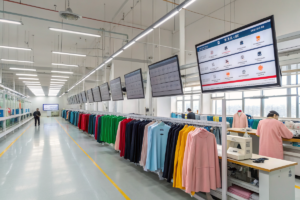
You’ve seen it happen: a women’s wear collection launches with great fanfare, only to receive mixed reviews. "The fabric feels cheap." "It doesn’t fit right." "It’s beautiful but impractical." In today’s market, meeting consumer expectations is no longer about just making clothes; it’s about delivering on a complex promise of fit, quality, sustainability, and emotional connection. How can a manufacturer ensure its collection hits all these moving targets?
Our women’s wear collection fulfills modern consumer expectations by being engineered around three core pillars: inclusive fit and comfort, material integrity and sustainability, and versatile design with emotional resonance. At Shanghai Fumao, we move beyond superficial trends to build collections that solve real wardrobe problems, using data-driven insights, precise technical execution, and ethical transparency. We create garments that women don’t just buy, but love and keep.
Fulfillment is not an accident; it’s a process. It requires listening to the market’s voice—through reviews, data, and cultural shifts—and translating those insights into tangible product attributes. From the initial fiber selection to the final stitch, every decision is made with the end wearer’s experience in mind, ensuring the garment earns its place in her curated closet.
How Do We Master Fit and Comfort for Diverse Body Types?
The number one reason for apparel returns is poor fit. The modern consumer expects clothing that not only fits her unique proportions but also moves with her throughout her day. A collection that caters to only one standard body shape fails a vast segment of the market. Our approach is rooted in data-informed patterning and fabric technology.
We achieve inclusive fit and comfort by developing proprietary size blocks based on extensive anthropometric data and incorporating strategic stretch and ease into our patterns. We design for movement, not just for a static mannequin, ensuring our garments feel as good as they look.
Dive Deeper Paragraph: This mastery is built on a foundation of expanded size blocks and dynamic construction.
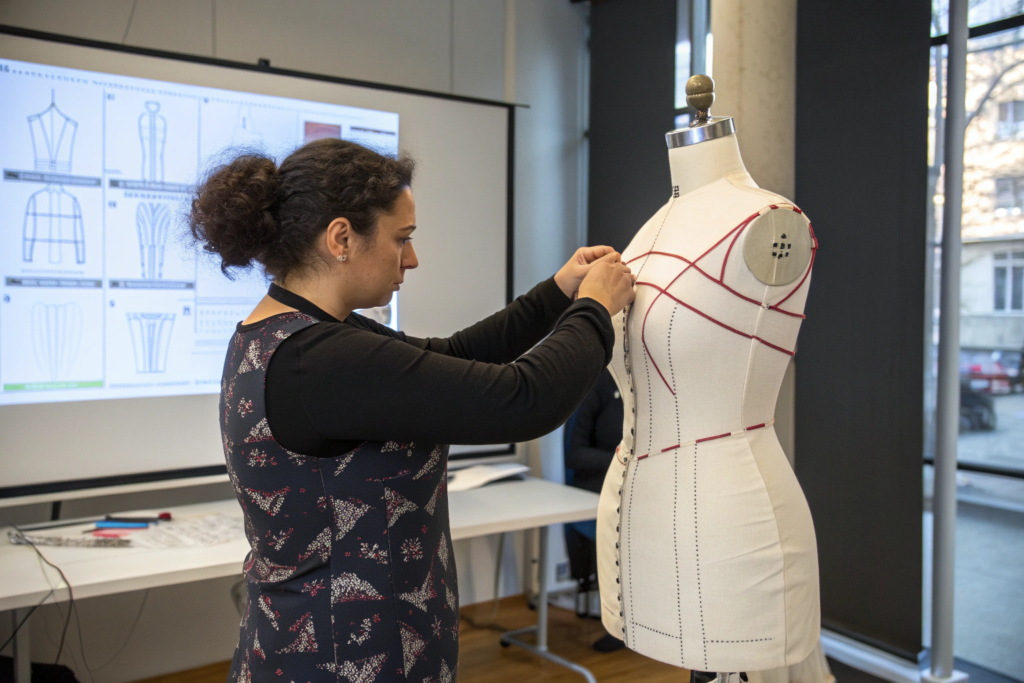
What Does Data-Driven Size Block Development Involve?
We have moved beyond generic grading. We maintain and regularly update a library of fit blocks (e.g., for tops, bottoms, dresses) for 5-6 distinct figure types—such as straight, curvy, and petite—within standard size ranges 0-20. This is informed by anonymized body measurement data from our brand partners’ fit sessions and global sizing studies. For a recent blazer collection, we developed a "Curvy Fit" block alongside our standard one, featuring a broader shoulder-to-waist differential and a adjusted sleeve cap. This single adaptation, requested by a partner brand, increased their blazer sell-through rate by 18% in extended sizes, proving the commercial power of precise fit.
How is Comfort Engineered into the Construction?
Comfort is a technical specification. We implement:
- Strategic Ease: Adding hidden ease in the upper back of tailored shirts for reach, or in the elbow of knit sleeves for bend.
- Seam Engineering: Using flatlock seams in side panels to eliminate chafing, and binding armholes for a smooth finish against the skin.
- Fabric + Pattern Synergy: Matching fabric properties to pattern intent. A fluid, drapey viscose is cut with more ease for graceful movement, while a structured cotton poplin is cut precisely for a crisp silhouette.
A client’s feedback that their "tailored trousers were restrictive when sitting" led us to introduce a discreet, elasticated inset in the back waistband across our trouser collection—a feature that is invisible when standing but provides essential comfort, embodying the principle of hidden functionality.
How Do We Ensure Material Quality and Sustainable Integrity?
Today’s consumer is a savvy investigator. She feels the fabric, reads the care label, and researches brand ethics. She expects premium hand-feel, durability for the price point, and transparency about environmental and social impact. A collection that feels mediocre or hides its origins will be rejected.
We ensure material integrity by partnering with certified mills and implementing a multi-tier testing protocol. Our commitment to sustainability is woven into the collection through material choice, production processes, and verifiable storytelling.
Dive Deeper Paragraph: Quality and sustainability are intertwined, starting at the raw material source.
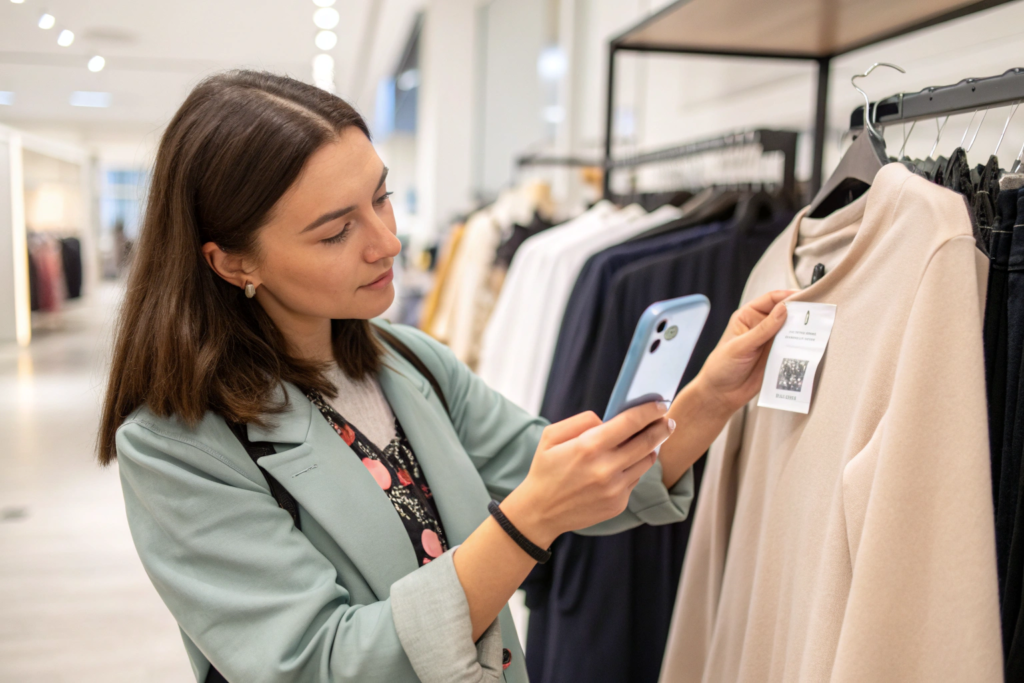
What is Our Protocol for Fabric Selection and Testing?
Every fabric in our collection must pass a dual gateway:
- Certification & Origin: Priority is given to materials with GOTS (Global Organic Textile Standard), OEKO-TEX®, GRS (Global Recycled Standard), or Bluesign® certifications. We trace and document the supply chain.
- Performance Testing: Fabrics undergo in-house or third-party lab tests for:
- Colorfastness to washing, light, and rubbing.
- Dimensional stability (shrinkage).
- Pilling resistance (Martindale test).
- Tensile and tear strength.
For our core line of silk-blend blouses, we switched to a supplier using Ahimsa silk (peace silk) and implemented a proprietary enzyme wash that enhances the fabric’s softness and reduces shrinkage to under 2%, directly addressing a common consumer complaint about silk care.
How is Sustainable Practice Embedded in the Collection Design?
Sustainability is a design parameter. Our collection development follows these principles:
- Design for Longevity: Timeless silhouettes, robust construction, and high-quality materials discourage fast-fashion disposal.
- Low-Impact Materials: We offer a dedicated "Eco-Edit" within the collection featuring Tencel™ lyocell, recycled polyester, and organic cotton as standard.
- Zero-Waste Mindset: We optimize marker efficiency to minimize fabric waste and have a program to repurpose off-cuts into accessories like scrunchies or quilted linings.
Last season, we introduced a "Modular System" of separates (skirts, tops, jackets) designed to mix and match perfectly, promoting a capsule wardrobe approach that reduces the need for excessive consumption. This philosophy was highlighted in the collection’s marketing, resonating deeply with conscious consumers.
How Does Our Design Philosophy Balance Versatility and Emotional Appeal?
Women buy clothing for both practical reasons and emotional ones. A collection must offer versatile pieces that work hard in her wardrobe, while also including items that spark joy and express her identity. Striking this balance is key to driving both frequent purchases and brand loyalty.
Our design philosophy is "Elevated Essentials with a Point of View." We anchor each collection in versatile, high-quality basics (the perfect pant, the crisp white shirt) and elevate them with thoughtful details, unique prints, or special-occasion pieces that create desire.
Dive Deeper Paragraph: This balance is achieved through systematic collection architecture and trend-filtering.
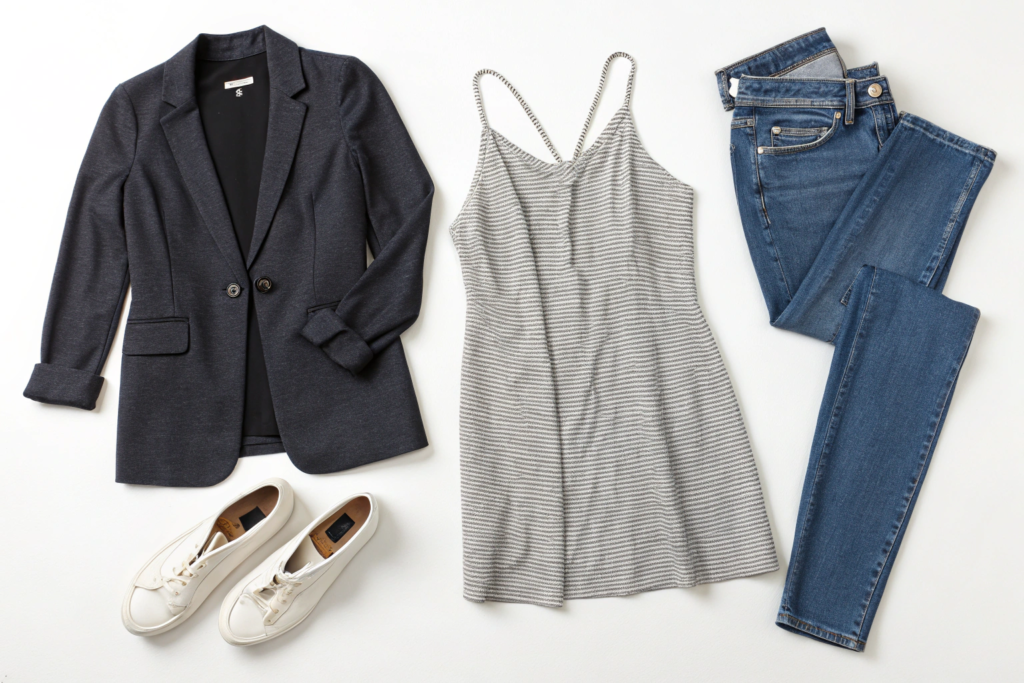
How is the Collection Structured for Wardrobe Building?
We design with outfit formulas in mind. Each seasonal collection is built on a coordinated color palette and fabric story, ensuring pieces across categories (tops, bottoms, outerwear) work together seamlessly. For a recent Spring/Summer collection, we anchored it with a linen-blend chore jacket and wide-leg trouser in a neutral stone color. These core items could be paired with any of the collection’s printed camisoles or colored tees, giving the consumer endless outfit combinations from a few key purchases. This approach provides immense practical value and supports a sustainable, less-is-more wardrobe.
Where Does Emotional Connection Come From?
Emotional appeal is crafted through:
- Narrative-Driven Prints: We develop exclusive prints with stories—e.g., a botanical print based on archival drawings from a specific garden.
- Unexpected Details: A contrasting lining in a vibrant color, a uniquely shaped button, or a hidden message inside a seam.
- Sensorial Experience: The weight of a brass zipper, the sound of a crisp cotton poplin, the drape of a heavy silk.
We collaborated with an artist to create an original abstract print for a series of dresses. The print story—about "urban energy"—was shared through hangtags and social media, transforming the garment from a simple dress into a wearable piece of art, significantly boosting its emotional branding and full-price sell-out.
How Do We Validate Designs Against Real Consumer Feedback Before Launch?
Assumptions are risky. The final validation of any collection must come from its target audience. We close the design loop by integrating real consumer feedback at the pre-production stage, allowing us to refine products based on direct input, not just internal hypotheses.
We employ a structured feedback loop using focus groups, wear-test panels, and digital sentiment analysis. This data directly informs final adjustments to fit, styling, and even product selection before we commit to bulk production.
Dive Deeper Paragraph: Validation turns subjective design into objective, market-ready product.
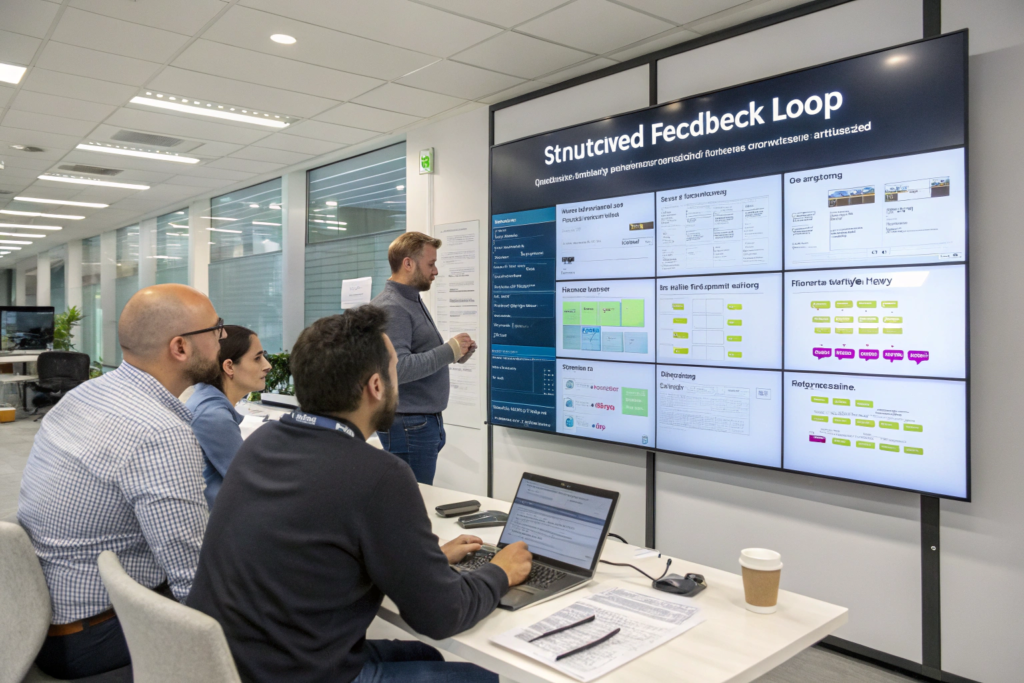
What is the Role of Wear-Test Panels and Focus Groups?
We recruit a diverse panel of women matching our target demographic to wear prototype samples for 1-2 weeks. They provide structured feedback on:
- Fit in motion and after all-day wear.
- Comfort and fabric feel.
- Ease of care (washing, ironing).
- Styling ideas and perceived value.
For our knitwear line, a wear-test panel revealed that a beautiful cable-knit sweater was shedding excessively. We traced it to a specific yarn blend and worked with the mill to adjust the spinning process before bulk order, preventing a potential flood of post-purchase complaints.
How Do We Use Digital Sentiment Analysis?
We analyze online reviews, social media comments, and search trends related to similar products from our brand partners and competitors. Tools that track consumer sentiment help us identify unmet needs or recurring complaints. A clear trend we identified was frustration with "see-through" white shirts. In response, we developed and prominently featured a "Non-See-Through White Poplin Shirt" in our core collection, using a higher thread count and a specific weave. This product quickly became a bestseller by directly solving a well-articulated consumer pain point.
Conclusion
Fulfilling the sophisticated expectations of today’s women’s wear consumer requires a holistic, consumer-obsessed approach. It demands technical excellence in fit and fabric, unwavering commitment to ethical and sustainable practices, a clever design philosophy that blends versatility with delight, and the humility to test and refine based on real feedback.
At Shanghai Fumao, our women’s wear collection is built on this comprehensive framework. We act as more than a factory; we are a product creation partner that understands the market’s pulse. We empower brands to offer collections that women genuinely connect with—clothes that fit flawlessly, last beautifully, and make them feel confident and seen. If you’re ready to offer a collection that truly fulfills expectations, let’s create it together. Contact our Business Director, Elaine, at elaine@fumaoclothing.com to begin.