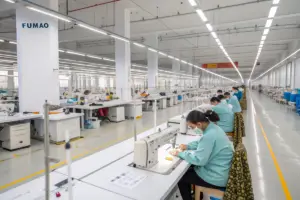
For any apparel brand owner sourcing from Asia, the current payment process is a familiar headache. You wire a large deposit to a factory’s bank account, then wait weeks for production updates, followed by a scramble to verify shipping documents before releasing the final payment. The process is opaque, slow, and fraught with risk of fraud, delays, and disputes. This friction costs time, money, and trust.
The future of blockchain payments in the garment industry is not about cryptocurrency speculation, but about deploying distributed ledger technology to create transparent, automated, and trustless financial systems. It promises a future where payments are triggered automatically by verified supply chain events, fraud is drastically reduced, and financing is more accessible, ultimately making global trade faster, cheaper, and more secure.
While still in its early stages, blockchain is moving beyond pilots and theory. Let’s explore the tangible ways this technology will reshape how money flows in fashion, solving some of our industry’s oldest and most persistent problems.
How Will Smart Contracts Automate and Secure Payments?
The core innovation is the “smart contract”—a self-executing program stored on a blockchain that runs when predetermined conditions are met. In garment manufacturing, these conditions are real-world production milestones.
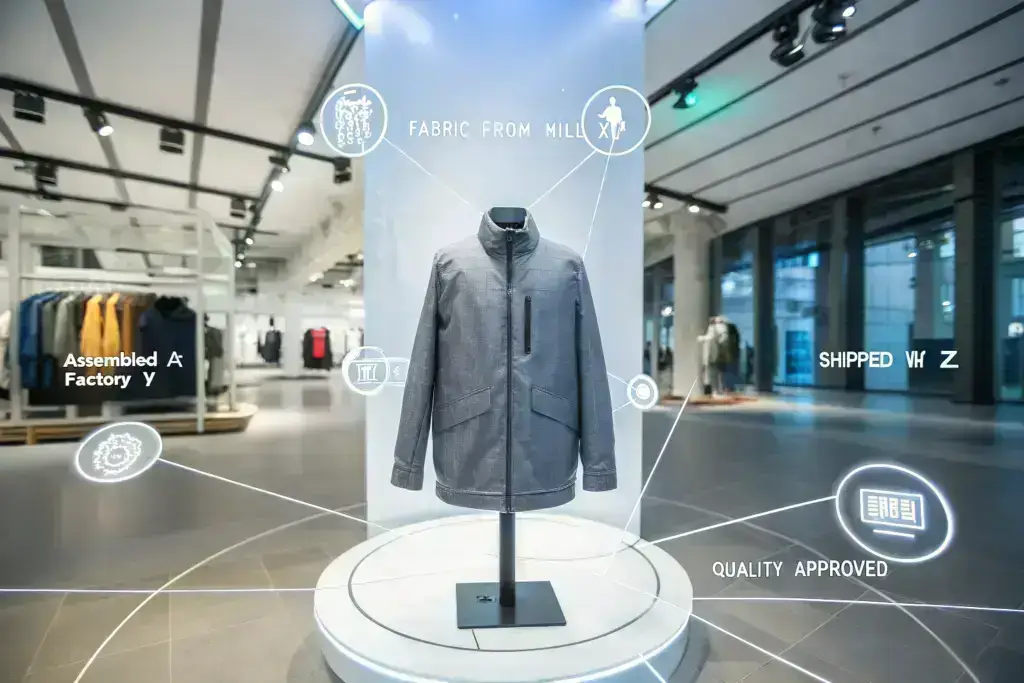
Smart contracts will automate payments by linking them directly to verified, immutable supply chain events. For example, a contract can be programmed to release a 30% payment automatically when an IoT sensor or a trusted third-party auditor confirms that the correct fabric has arrived at the factory, eliminating manual invoicing and payment delays.
What Does a Real-World Smart Contract Transaction Look Like?
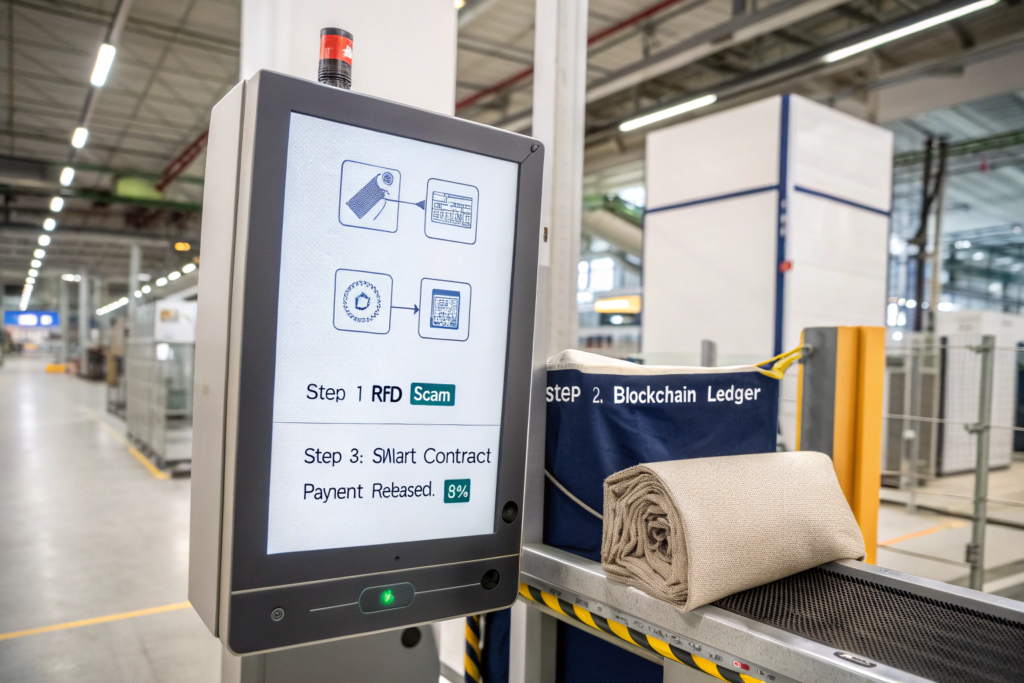
Imagine you place an order for 5,000 jackets. The smart contract is created with the agreed terms: Payment 1 (30%) triggers on verified fabric receipt, Payment 2 (40%) on confirmed production start, and Final Payment (30%) on verified goods shipment with Bill of Lading (B/L) upload.
The factory receives the fabric and scans a QR code on the shipment. This scan, verified by the logistics provider’s system, writes an immutable record to the blockchain. The smart contract instantly “sees” this fulfillment and automatically initiates the 30% payment from your digital wallet or connected bank account. No waiting for the factory to invoice, no manual approval from your finance team. Last year, we participated in a pilot with a European brand for a small knitwear order. The payment for fabric was released 48 hours faster than the traditional method, and both parties had real-time visibility into the trigger event.
How Do Smart Contracts Reduce Fraud and Disputes?
Fraud often occurs in document manipulation—fake inspection reports, altered B/Ls, or inflated quantities. Blockchain creates a single, tamper-proof version of the truth. If a supplier tries to submit a document to trigger payment, it can be cryptographically verified against records from neutral parties (shippers, inspectors). Disputes over “whether an event happened” are virtually eliminated. This directly addresses a major pain point for buyers like Ron, who are wary of suppliers falsifying certificates.
How Will Blockchain Enable Transparent Supply Chain Finance?
Access to affordable financing is a huge challenge, especially for small brands and tier-2 suppliers. Blockchain’s transparency transforms supply chain data into a credible asset that can be financed.
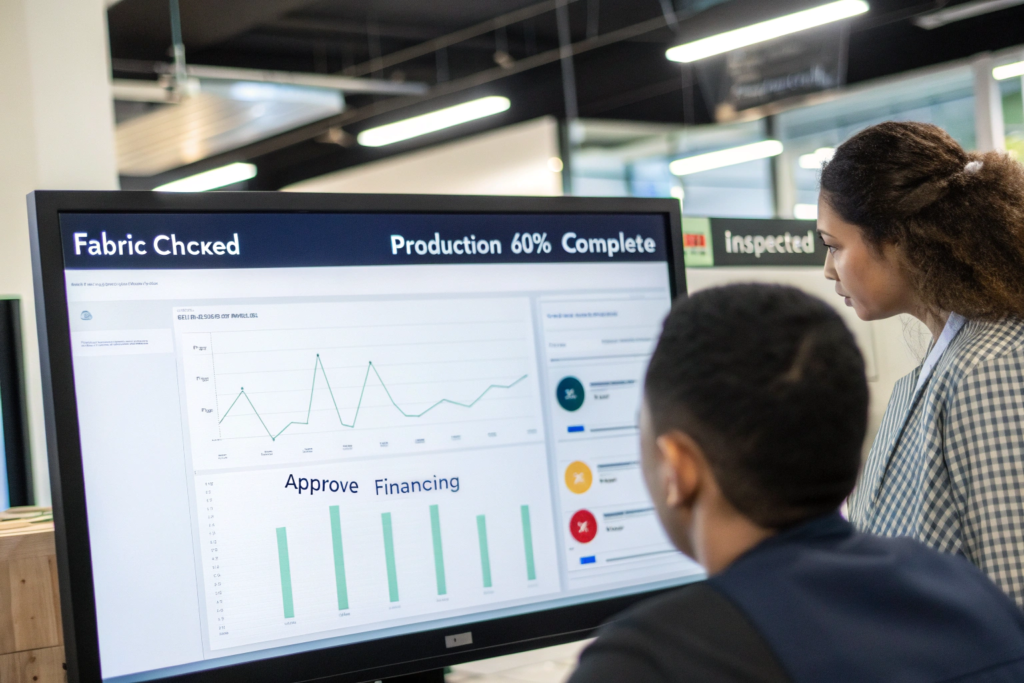
Blockchain will enable transparent supply chain finance by providing lenders with an immutable, real-time audit trail of transactions, inventory, and production progress. This verifiable data de-risks lending, allowing for dynamic discounting, invoice financing, and purchase order financing with lower rates and faster approval, even for smaller players.
What is Asset-Backed Lending on the Blockchain?
Today, a factory’s work-in-progress (WIP) inventory is illiquid. On a blockchain, each batch of garments can be tokenized as a digital asset with a proven history (from ethical cotton source to dyeing process). A bank can see this asset’s entire, trustworthy journey and offer a loan against it with greater confidence. This could revolutionize cash flow for manufacturers. We see a future where a factory like Shanghai Fumao could secure better rates by showcasing our transparent, blockchain-verified production process to financial institutions.
How Does This Help Brands and Small Suppliers?
For brands, it means your suppliers are more financially stable, reducing the risk of them going bankrupt mid-order. For small, ethical suppliers in developing countries, it’s transformative. They can access global “impact investment” pools by proving their sustainable and ethical practices on an unchangeable ledger, not just with paper certificates that can be forged. This aligns perfectly with the growing demand for ESG (Environmental, Social, and Governance) compliance.
What Are the Challenges to Widespread Adoption?
Despite its potential, blockchain is not a magic wand. Significant technical, operational, and cultural hurdles must be overcome before it becomes mainstream in our traditionally low-tech industry.
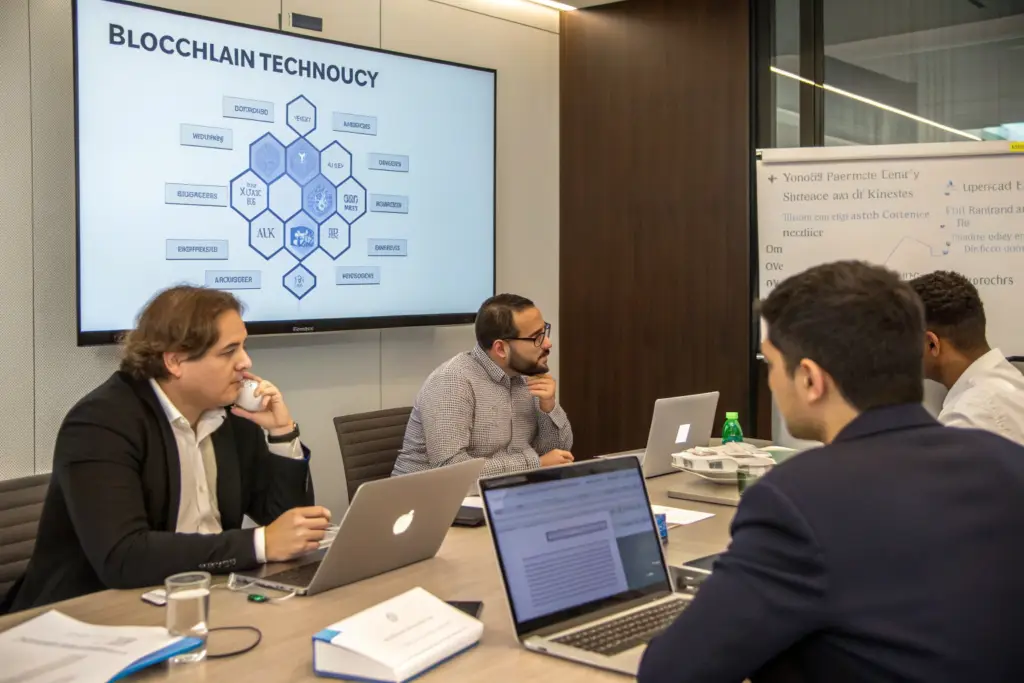
The primary challenges to adoption include technological integration complexity with legacy systems, high initial setup costs, lack of industry-wide standards, and a deeply ingrained reliance on traditional processes. Success requires collaboration across brands, manufacturers, logistics providers, banks, and tech firms.
Why is Integration with Legacy Systems a Major Hurdle?
Most factories operate on basic ERP systems or even spreadsheets and paper. Integrating real-time data feeds (from IoT sensors, machines, or manual scans) into a blockchain requires investment in hardware, software, and training. The return on investment must be clear. The solution will likely be lightweight, user-friendly platforms that use simple mobile app scans for data entry, lowering the barrier to entry. At Shanghai Fumao, we are monitoring SaaS platforms that offer this bridge without requiring a full IT overhaul.
Is There a Standard Platform or Protocol?
Currently, no. Different consortia and companies are developing competing platforms (e.g., IBM’s Food Trust adapted for apparel, VeChain, TextileGenesis). For true interoperability, the industry needs agreed-upon data standards—what information is recorded, in what format, and who validates it. Until then, we risk creating isolated “walled gardens” of transparency. Widespread adoption will likely be driven by large retailers or industry groups mandating its use.
What is the Realistic Timeline and How Should You Prepare?
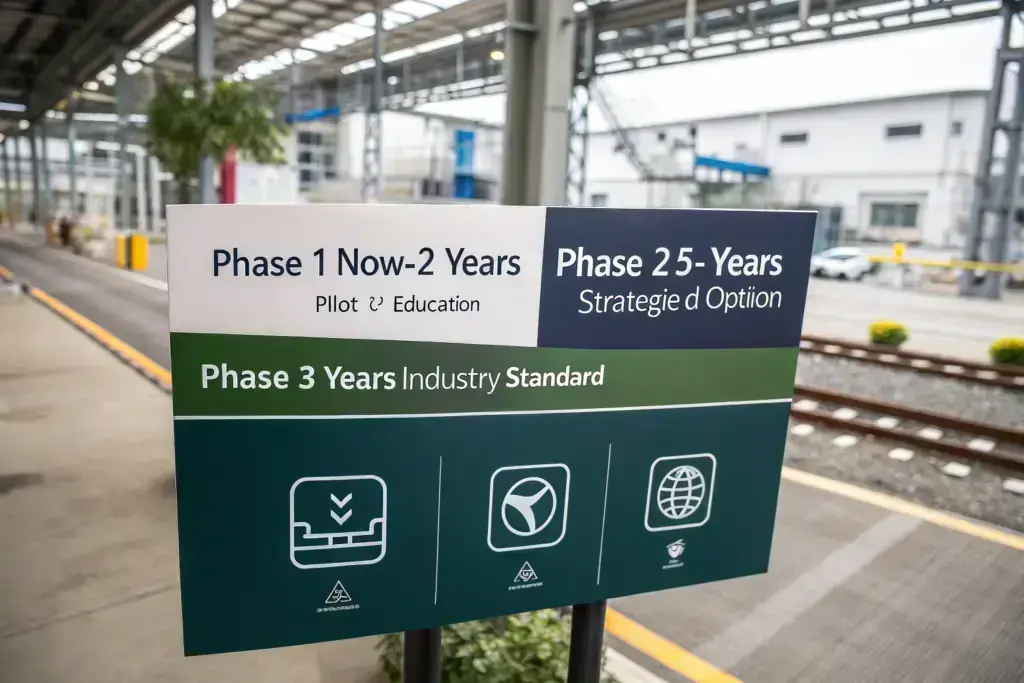
Blockchain’s future in apparel payments is inevitable, but its path will be evolutionary, not revolutionary. It will start in niche areas before becoming commonplace.
A realistic timeline sees blockchain achieving meaningful adoption in high-value, complex, or sustainability-focused supply chains within 3-5 years, becoming more mainstream in 5-10 years. You should prepare by educating your team, starting with pilots for traceability (not payments), and choosing technology partners who prioritize interoperability and ease of use.
Where Will Adoption Likely Begin?
It will first gain traction in areas where transparency is already a premium:
- Luxury Goods & Limited Editions: Proving authenticity and origin.
- Sustainable & Organic Collections: Providing unbroken proof of GOTS or recycled content from source to store.
- Technical Sportswear: Tracking the provenance of specialty fabrics and components.
These segments have higher margins to absorb initial costs and customers who value the story. A pilot project tracing organic cotton from farm to shirt is a more manageable starting point than overhauling payments for all basic T-shirts.
What Practical Steps Can You Take Now?
- Start with Traceability, Not Payments: Implement a simple QR code or RFID system to track a product line. This builds the data-capture muscle.
- Demand Digital Documentation: Move away from paper certificates. Ask suppliers for digital, verifiable test reports and audit summaries.
- Partner with Forward-Thinking Manufacturers: Work with factories that are investing in digital infrastructure. At Shanghai Fumao, we are building our internal digital tracking capabilities precisely to be ready for this future, ensuring our partners can seamlessly transition when the time comes.
Conclusion
The future of blockchain payments in the garment industry is one of radical efficiency and rebuilt trust. It moves us from a world of manual processes, opaque delays, and costly friction to one of automated, transparent, and secure transactions. While challenges around integration, cost, and standards remain, the direction is clear.
For forward-thinking brands and manufacturers, the question is not if but when and how to engage. The winners will be those who start the journey now—by experimenting, learning, and building partnerships based on data transparency. This technology will not replace the need for strong human relationships in our business, but it will make those partnerships faster, fairer, and more fruitful.
If you are looking to future-proof your supply chain and explore how digital transparency can benefit your brand today, let’s start the conversation. Contact our Business Director, Elaine, at strong>elaine@fumaoclothing.com</strong to discuss how we are preparing for the next wave of innovation.