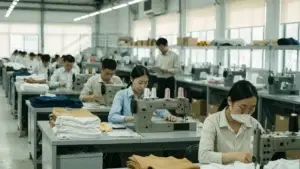
For American fashion brand owners who source clothing from countries like China and Vietnam, one question often causes sleepless nights: "How can I send a large sum of money to a supplier on the other side of the world and be sure I'll get my order as promised?" You work hard on product development and you risk your capital. The last thing you want is a logistics delay or, worse, a supplier who disappears with your deposit. This financial risk is a major pain point in global trade.
An escrow service is a third-party financial arrangement designed to protect both buyers and sellers in transactions, and it can be a valuable tool in garment manufacturing. In an escrow, the buyer's payment is held securely by the escrow agent until the supplier fulfills all pre-agreed terms, such as passing quality inspections and providing shipping documents. Only then is the funds released to the supplier. This system directly addresses key concerns like payment security and supplier reliability.
While escrow sounds like a perfect safety net, its application in the complex, multi-stage world of apparel production requires careful consideration. It's not a one-size-fits-all solution. Let's explore whether it is the right choice for your next clothing order and how it interacts with other secure payment methods common in our industry.
How Does an Escrow Service Work Step-by-Step?
The escrow process acts as a trusted referee in your international transaction. It starts when both buyer and supplier agree to the terms and select a reputable escrow service. The buyer then sends the payment to the escrow account, not directly to the supplier. This crucial step freezes the funds.
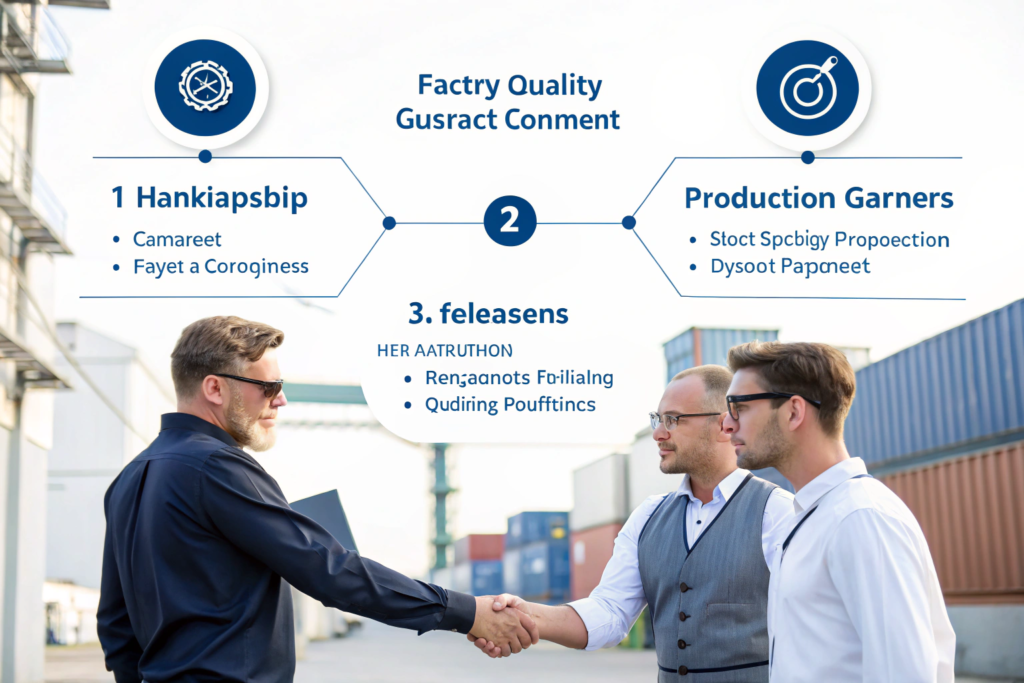
Escrow works by introducing a neutral third party that holds funds and releases them only upon verification that all contractual conditions are met. This process typically involves four key stages: agreement & deposit, production & verification, shipment & confirmation, and finally, fund release. It systematically reduces the financial risk for the buyer while guaranteeing payment for the compliant supplier.
What Are the Typical Stages in an Escrow Transaction?
The first stage is the agreement and deposit. Both parties sign a contract detailing every milestone, from fabric sourcing approval to final inspection reports. The buyer then deposits the full or staged payment into the escrow account. Last year, we worked with a startup streetwear brand from Texas. They were hesitant about their first large order. Using an escrow service, they structured payments tied to fabric arrival confirmation and pre-shipment sample approval. This gave them immense peace of mind.
The subsequent stages involve production, verification, and release. The supplier proceeds with manufacturing. Upon completion, an independent quality inspection is often conducted. The inspection report is sent to the buyer and the escrow agent. Once the buyer approves the quality and receives the shipping documents (like the Bill of Lading), they instruct the escrow agent to release the payment. This verification step is critical. I recall a case where a client discovered substandard stitching in a batch of 5,000 polo shirts during the escrow-mandated inspection. Because payment was on hold, we were able to rectify the issue immediately before any funds changed hands, saving the brand from a costly recall.
What Are the Common Fees and Timelines for Escrow?
Understanding the cost and time is vital. Escrow fees typically range from 0.5% to 1.5% of the transaction value, often paid by the buyer, seller, or split. The timeline adds a buffer. The fund hold period after shipment confirmation can be 7-14 days, which is longer than a simple wire transfer. For a standard garment order, the entire escrow process from deposit to final release might add 2-3 weeks to the financial timeline compared to traditional 30% deposit terms.
Here is a quick comparison:
| Aspect | Traditional T/T (Telegraphic Transfer) | Escrow Service |
|---|---|---|
| Buyer Risk | High (Funds sent directly) | Low (Funds held in trust) |
| Seller Risk | Low (Receives deposit) | Medium (Payment delayed until fulfillment) |
| Typical Cost | Bank fees only (~$40 per transfer) | Transaction fee (0.5%-1.5% of order value) |
| Process Speed | Faster payment transfer | Slower, due to verification hold periods |
| Best For | Established, trusted partnerships | New relationships or high-value orders |
What Are the Pros and Cons of Using Escrow in Apparel Sourcing?
Every financial tool has its trade-offs. Escrow is no exception. For buyers, the primary advantage is unmatched payment security. It aligns the supplier's incentive perfectly: they only get paid upon successful delivery of goods that meet your standards. This directly tackles the pain point of delayed or incorrect shipments.
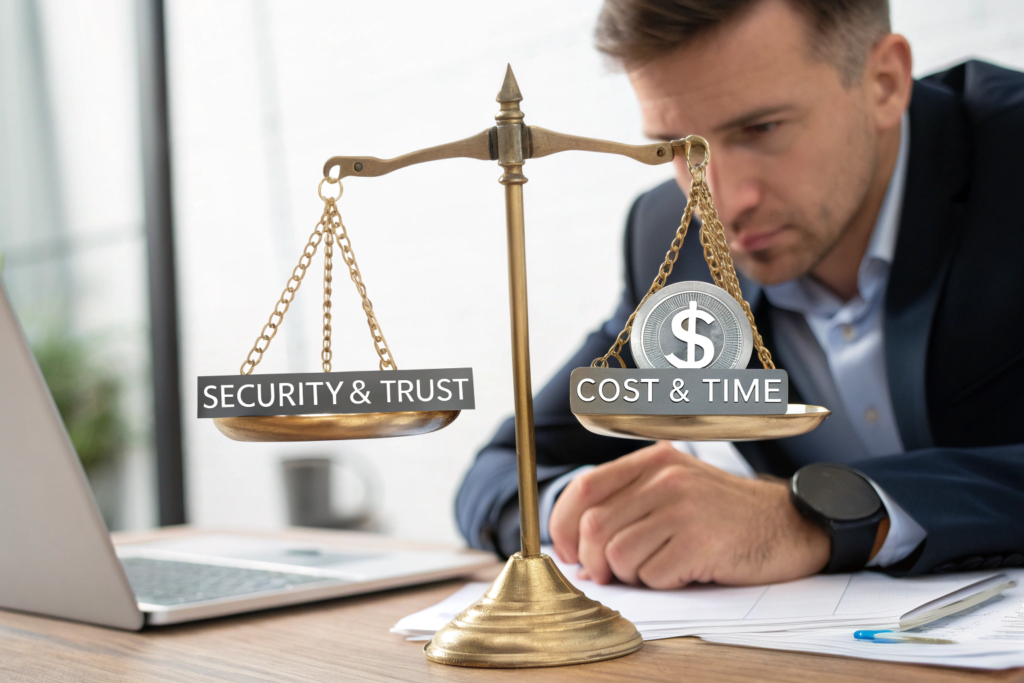
The main advantage of escrow is the significant reduction of financial risk for the buyer, ensuring payment is only made for satisfactory goods. The main disadvantage is the additional cost and potential for slower payment cycles, which can strain cash flow for suppliers and may lead to higher overall product pricing to offset these delays.
How Does Escrow Protect Against Supplier Fraud and Poor Quality?
Escrow is a powerful deterrent against fraud. Since the supplier cannot access funds without providing proof of performance, practices like certificate falsification become very risky for them. The escrow agreement can mandate that specific certifications (like OEKO-TEX or GRS) are verified by a third party before payment release. For quality issues, the mechanism is equally strong. The funds act as leverage. If goods fail inspection, the buyer can negotiate repairs, a discount, or even cancel the order and get a refund from escrow. This is far more effective than trying to reclaim money already in a supplier's account.
From our perspective at Shanghai Fumao, while we are confident in our quality and reliability, we understand why new clients consider escrow. However, we've found that building trust through transparency often works better. We provide live video feeds of production lines and use secure DDP (Delivered Duty Paid) shipping terms where we take full responsibility until goods arrive at the client's U.S. warehouse. This reduces the client's need for escrow as the risk is managed differently.
When Can Escrow Create Friction or Increase Costs?
The downside revolves around cost and cash flow. The escrow fee adds to the total sourcing cost. For a $100,000 order, that's an extra $1,000-$1,500. Suppliers, especially competitive ones, might subtly increase their FOB (Free On Board) price to account for the delayed payment, as it impacts their working capital. Furthermore, the process can be rigid. Any dispute over inspection results can freeze the entire payment, delaying not just funds but also the shipment if corrections are needed urgently. For fast-moving fashion cycles, this delay can be as damaging as a quality issue itself.
How Does Escrow Compare to Other Secure Payment Methods?
Escrow isn't the only way to mitigate risk. Two other common methods are Letters of Credit (LC) and milestone-based wire transfers. An LC is a bank's promise to pay upon presentation of specific documents. It's very secure but notoriously complex and expensive, better suited for multi-million dollar orders.
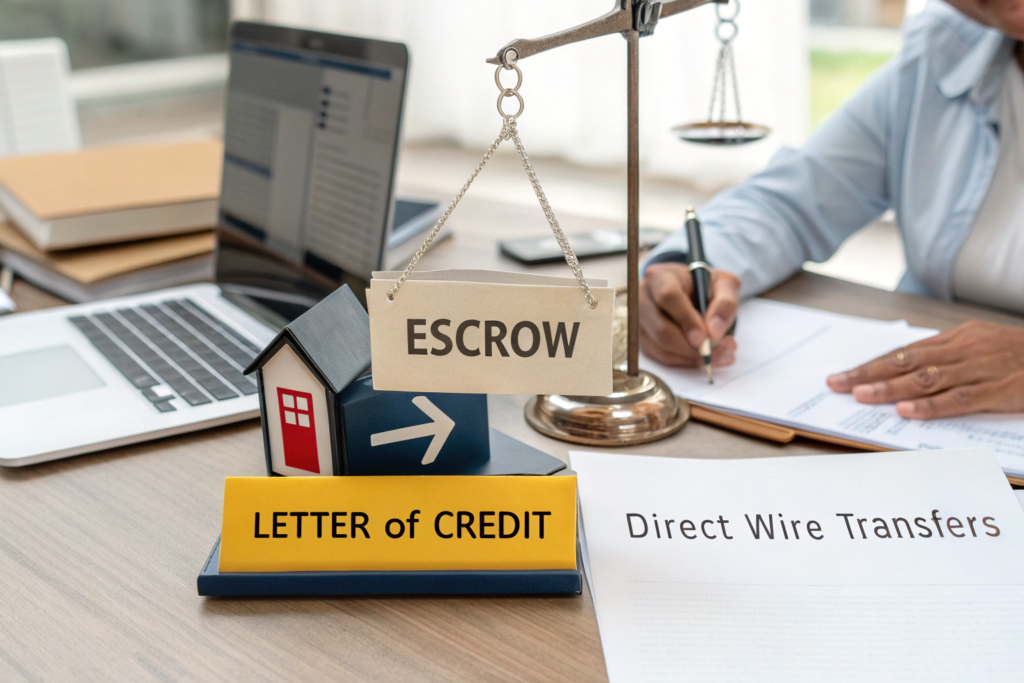
Compared to other methods, escrow offers a more user-friendly and flexible balance of security and simplicity than a Letter of Credit, while providing more robust buyer protection than direct wire transfers. It sits in the middle of the security-complexity spectrum, making it accessible for medium to large orders where trust is still being built.
What is the Difference Between Escrow and a Letter of Credit (LC)?
The key difference is the managing party and process complexity. An LC is managed by banks and is document-heavy. It requires perfect alignment of paperwork (commercial invoice, packing list, certificate of origin, etc.) with zero discrepancies. Any typo can cause payment delays. Escrow, often managed by specialized financial service companies, can be more adaptable. The release conditions can be tailored, such as "release 80% upon shipment proof and 20% after successful arrival inspection." For most apparel brands, an escrow service is less daunting and cheaper than navigating an LC. Our advice at Shanghai Fumao is to reserve LCs for extraordinarily large deals and consider escrow for orders in the $50,000 to $500,000 range where risk mitigation is a priority.
Are Staged Telegraphic Transfers a Good Alternative?
This is the most common method in our industry: a 30% deposit to start production and 70% balance before shipment. It offers a compromise. The supplier gets some working capital, and the buyer retains some leverage with the final payment. However, the 70% balance payment still requires a significant leap of faith before the goods are received. Escrow eliminates that final leap. A hybrid model some clients use with us is a small T/T deposit for raw material procurement, with the bulk of the payment handled via escrow tied to pre-shipment inspection. This balances trust and security effectively.
Should You Use Escrow for Your Next Clothing Manufacturing Order?
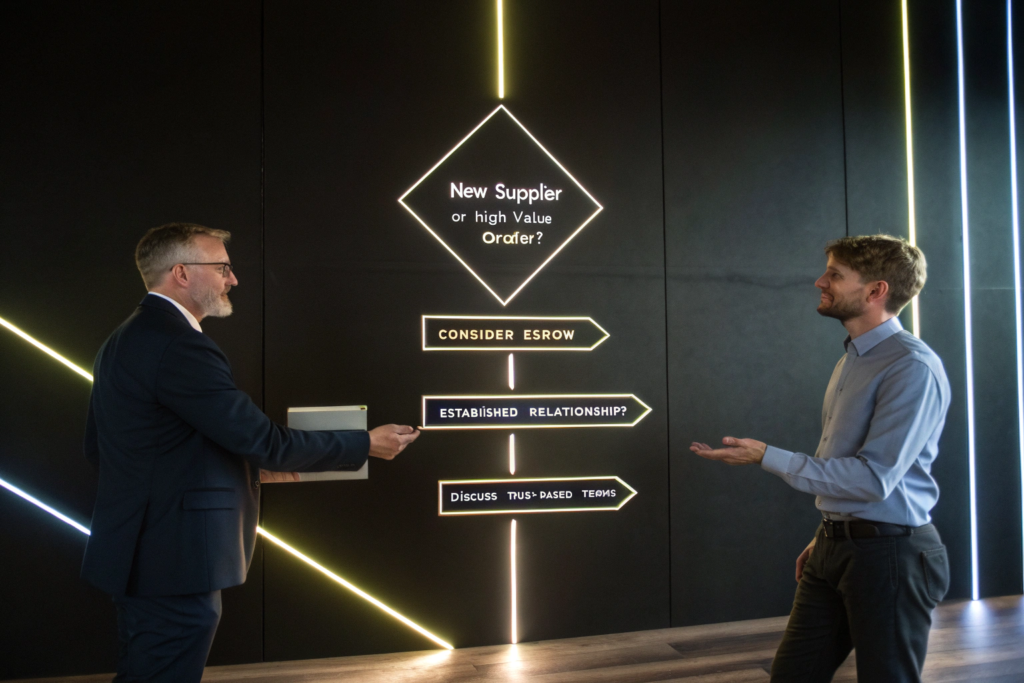
The decision depends on your specific situation. You must weigh your risk tolerance, order value, and relationship with the supplier. For a first-time order with an unknown factory, or for a high-value, complex product like technical outerwear, escrow is a prudent investment. It buys you insurance and negotiation power.
You should strongly consider using escrow if you are working with a new supplier, if the order value is high relative to your business, or if the product has complex quality requirements. You might forgo escrow if you have a long-standing, trusted relationship with your manufacturer, if the order is small and repeatable, or if the supplier offers compelling alternative terms that mitigate risk.
How to Choose a Reliable Escrow Service Provider?
If you choose escrow, selecting the right agent is critical. Look for providers with extensive experience in international trade and ideally in the apparel manufacturing sector. Check their fee structure, dispute resolution process, and user reviews. Ensure they understand the importance of quality control documentation as a release condition. Major platforms like Alibaba offer integrated escrow services, which can be convenient but may have limitations. Independent providers might offer more tailored solutions. Always read the service agreement thoroughly.
What Questions Should You Clarify in the Escrow Agreement?
The contract is everything. Before signing, clarify these points:
- Inspection Standard: Which party appoints the third-party inspection company? Is it SGS, Bureau Veritas, or an agreed-upon firm?
- Release Triggers: What exact documents trigger payment? Is it the Bill of Lading copy, or the passed inspection report, or both?
- Dispute Handling: What happens if you and the supplier disagree on the inspection results? What is the mediation process?
- Timelines: What are the exact hold periods after document submission?
We recently helped a client from Chicago navigate this. They were using escrow for the first time for a knitwear order. We sat together (virtually) and spelled out every detail in the escrow instructions: "Payment released 3 business days after buyer receives and approves the final SGS report confirming AQL 2.5 standard." This clarity prevented any confusion later.
Conclusion
In the high-stakes world of global garment manufacturing, securing your financial investment is paramount. Escrow services provide a robust framework for achieving this, acting as a protective shield for buyers and a guarantee of payment for honest suppliers. While it introduces additional cost and can slow down the payment cycle, the security it offers—especially against fraud, severe delays, and quality failures—can be invaluable for new partnerships or substantial orders.
However, it is not the only path to a successful transaction. For many brands, building a long-term, transparent relationship with a reliable manufacturer can offer similar security without the escrow fees. At Shanghai Fumao, we believe trust is built through consistent performance, open communication, and shared responsibility. We offer secure alternatives like DDP shipping and transparent milestone-based payments that have helped dozens of U.S. brands grow confidently.
If you are evaluating payment options for your next apparel order and want to discuss a secure, efficient, and trustworthy manufacturing partnership, we are here to help. Let's find the best financial and operational framework for your business. Contact our Business Director, Elaine, to start a conversation about your project at elaine@fumaoclothing.com.