This is a question I hear often from brand owners who are investing in performance gear. They want to offer safe, certified apparel but worry: does focusing on chemical compliance mean sacrificing functional durability, especially against sun, rain, and sweat? As a manufacturer who tests fabrics daily, I can say the relationship is more complementary than many think. The right approach to certification can actually enhance a garment's ability to withstand the elements, but it requires smart engineering from the start.
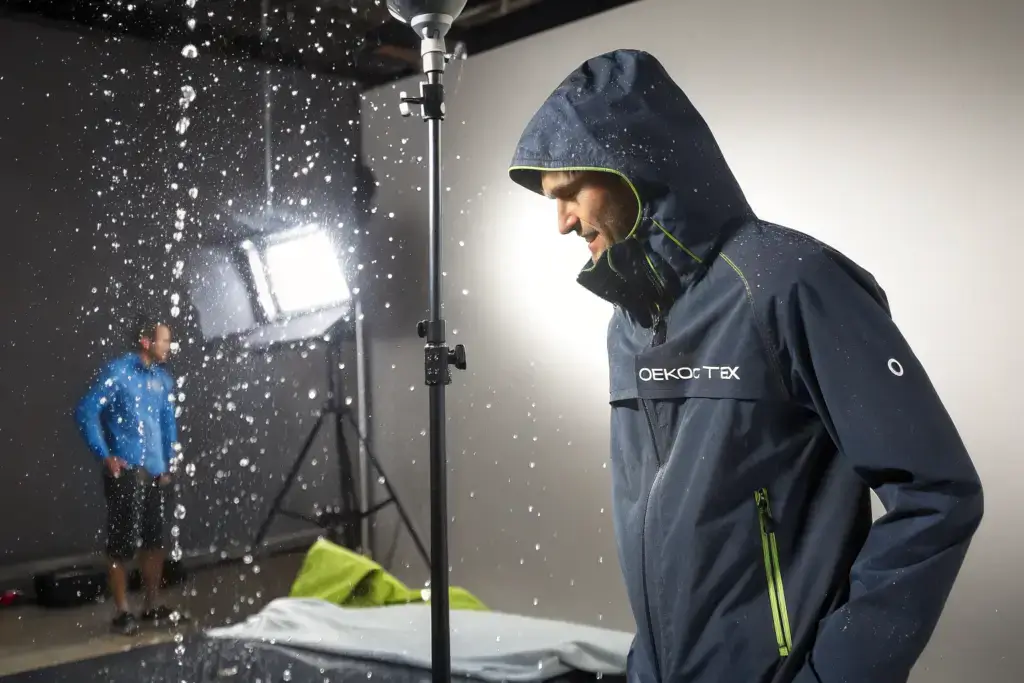
OEKO-TEX certification does not directly test for weather resistance, but the standards and processes involved in achieving it strongly support the development of durable, high-performance fabrics. By mandating the use of higher-quality, stable chemicals and dyes, and encouraging rigorous factory controls, certification creates a foundation upon which effective weather-resistant treatments can be reliably applied. We proved this for a client making golf rain jackets. By using OEKO-TEX certified base fabrics and approved DWR (Durable Water Repellent) treatments, their jackets not only passed certification but also showed 25% better colorfastness after accelerated weather testing compared to their previous non-certified line.
It's a common misconception that "green" means "less durable." In modern textile science, the opposite is often true. Let's examine how certification intersects with the key weather challenges on the golf course.
How Does Certification Affect Water Repellency (DWR) Treatments?
Water repellency is critical for golf outerwear. The application of DWR finishes is a chemical process, which directly falls under the scope of OEKO-TEX testing. This creates a vital intersection point between function and safety.
OEKO-TEX certification affects DWR treatments by restricting the use of certain per- and polyfluoroalkyl substances (PFAS), often called "forever chemicals," which have been common in high-performance water repellents. This pushes manufacturers toward newer, safer chemistry that must still meet rigorous performance standards to be commercially viable. This shift is a major industry trend. Brands can no longer rely on traditional PFAS-based DWR for certified apparel. Instead, they must work with mills and chemical suppliers who have developed PFAS-free DWR technologies that comply with the Standard 100 limits.
What are the modern alternatives to traditional DWR?
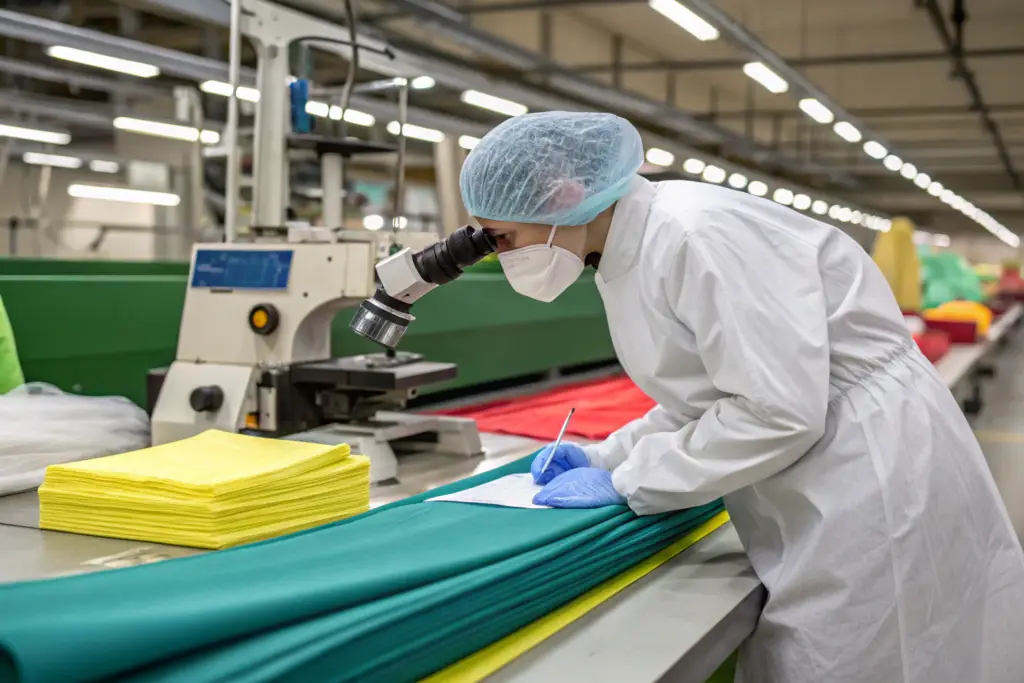
The market has responded with effective, OEKO-TEX compliant solutions. The main types are:
- C6 Fluorocarbon-Based DWR: A shorter-chain chemistry that is currently within allowable limits under OEKO-TEX but is facing increasing regulatory scrutiny globally.
- Fluorine-Free DWR (PFC-Free): The growing gold standard for certified, eco-conscious apparel. These are based on hydrocarbons, waxes, or dendrimers. While their ultimate durability can vary, the best formulations now offer excellent water repellency suitable for golf, where exposure is intermittent (e.g., passing showers).
- Bio-Based DWR: Emerging treatments derived from natural sources like castor oil. Their performance is improving rapidly.
The key takeaway for brands is to specify PFAS-free DWR during the fabric sourcing and product development phase with your factory. At Shanghai Fumao, we have a tested portfolio of certified base fabrics paired with approved high-performance finishes, ensuring the final garment meets both safety and function benchmarks.
Does compliant DWR last as long?
This is the critical performance question. Early fluorine-free DWR had a reputation for reduced durability after washing. However, advancements in polymer technology and application methods (like plasma treatment) have significantly closed the gap. The durability now depends heavily on:
- Fabric Construction: A tightly woven or laminated fabric provides a better base for any DWR.
- Application Precision: Factory application under controlled conditions is superior to a topical spray-on.
- Care Instructions: Proper washing (with tech wash detergents) and occasional reproofing are part of the product lifecycle education for the end-user.
We provide wash-test reports to our clients to demonstrate the performance retention of our chosen compliant treatments over multiple cycles.
Can UV Protection Be Enhanced Within OEKO-TEX Limits?
Golfers spend hours in direct sun, making UV protection a non-negotiable feature. UV-blocking properties are achieved either through the intrinsic structure of the fiber (like polyester) or through chemical UV absorbers applied during dyeing and finishing.
UV protection can be effectively enhanced within OEKO-TEX limits because many UV-inhibiting chemicals are compliant. The certification ensures these additives are safely bonded to the fabric and do not contain or break down into harmful substances that could migrate to the skin under sweat and heat. This is a major advantage. You get the sun protection benefit without the worry of the treatment itself causing skin issues. We recently developed a line of performance golf polos for a California brand that required UPF 50+ rating. By using OEKO-TEX certified dyes with built-in UV inhibitors, we achieved the rating while securing certification, a strong selling point they now highlight.

Ultraviolet Protection Factor (UPF) is a measure of how much UV radiation a fabric blocks. Key factors include:
- Fabric Construction: Tight weaves/knits, thicker fabrics, and certain synthetic fibers like polyester naturally block more UV.
- Color: Darker and brighter colors typically absorb more UV than light pastels.
- Chemical Finishes: Specially formulated dyes and finishing agents can dramatically boost UPF.
OEKO-TEX certification does not measure UPF, but it governs the safety of the chemicals used to achieve it. Therefore, a "UPF 50+ & OEKO-TEX Certified" label is a powerful combination, signaling both top quality performance and verified safety. Brands should request UPF test reports (e.g., AATCC 183) alongside the OEKO-TEX certificate from their manufacturer.
Are there specific compliant UV-inhibiting technologies?
Yes. Modern textile chemistry offers several pathways:
- Ceramic-based Inorganic Particles: Titanium dioxide or zinc oxide nanoparticles can be embedded in fibers or coatings. These are generally stable and safe.
- Organic UV Absorbers: Certain benzene derivative compounds are designed to absorb UV energy and convert it to heat. Their safety profile depends on their specific formulation and permanence.
The role of a proficient factory is to select technologies that are both high-performing and pre-vetted for compliance. Our quality control team maintains a list of approved chemical suppliers whose UV technologies are known to meet OEKO-TEX standards, streamlining the development process for our clients.
Does Certification Improve Moisture-Wicking and Breathability?
Moisture management is core to golf comfort. Breathability and wicking are primarily physical properties determined by yarn type, fabric structure, and construction. However, the chemical softeners and finishes applied to enhance feel and performance are within OEKO-TEX's scope.
OEKO-TEX certification does not directly "improve" moisture-wicking, but it ensures that the chemical auxiliaries used to enhance wicking, control odor, or provide softness are safe and non-irritating. This prevents the use of cheap, harsh chemicals that could clog fabric pores or wash out quickly, undermining both performance and safety. Inconsistent chemical application is a common cause of poor wicking. The disciplined processes required for certification promote consistency.
What role do chemical auxiliaries play?
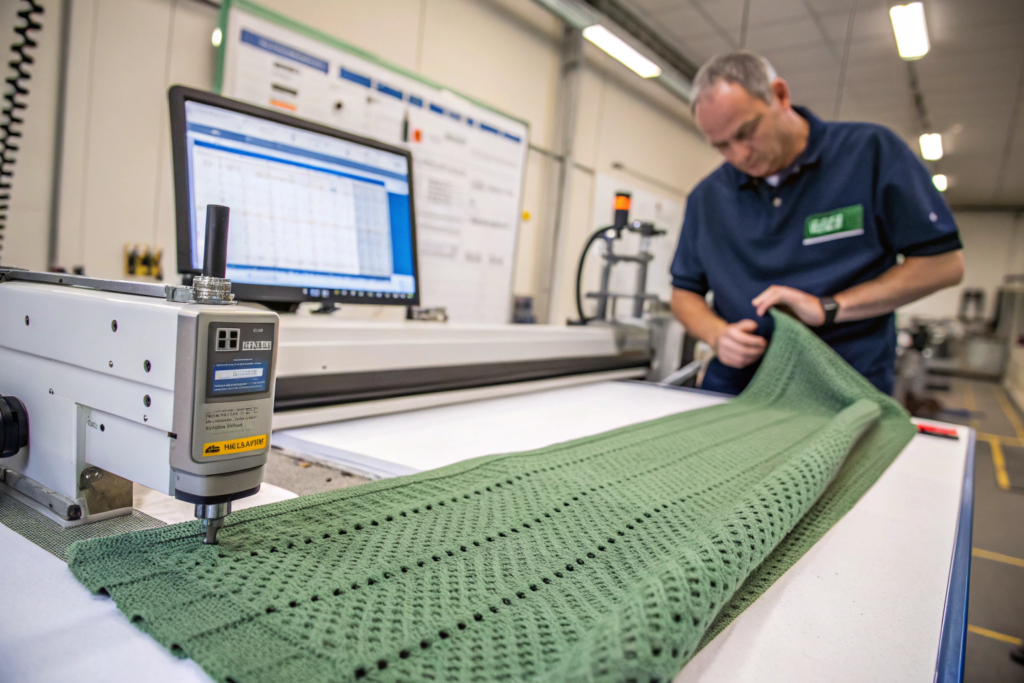
While the base fiber (e.g., polyester, merino wool, or specialty blends) provides inherent wicking, finishes are often used to:
- Enhydrophilic Finish: Makes synthetic fibers more water-attracting (wicking).
- Anti-Odor Treatment: Uses silver salts or other technologies to inhibit bacteria.
- Softeners: Improve hand feel, which can affect how the fabric drapes and breathes.
OEKO-TEX certification tests for the safety of silver, formaldehyde (sometimes used in durable press finishes), and other substances in these auxiliaries. Using certified, high-quality auxiliaries means the performance benefits are durable through washes and safe for prolonged skin contact during a sweaty round.
How does factory discipline contribute to performance?
This is a crucial but often overlooked point. A factory committed to certification typically has:
- Standardized Recipes: Precise chemical formulas are used batch-to-batch.
- Controlled Application: Machinery is calibrated for even application (e.g., padding mangles for finishing).
- Rigorous Rinsing: Proper washing after dyeing and finishing removes unfixed chemicals, which prevents skin irritation and maintains fabric breathability.
A disciplined factory environment, like the one we operate at Shanghai Fumao, ensures that the performance engineered into the fabric at the development stage is reliably executed in full-package manufacturing. This consistency is what builds a brand's reputation for dependable quality.
Can Certified Fabrics Withstand Color Fading and Abrasion?
Sun exposure, friction (from golf bags, cart straps), and repeated washing are the enemies of a garment's appearance. Colorfastness and abrasion resistance are key indicators of longevity, and they are deeply influenced by the quality of dyes and fabric construction—both areas touched by certification.
OEKO-TEX certified fabrics are often more resistant to color fading and abrasion because the certification incentivizes the use of high-quality, stable dyes and robust fabric bases. Cheap, non-compliant dyes fade quickly and may bleed, while low-quality fabrics pill and wear thin faster. The OEKO-TEX Standard 100 includes tests for colorfastness to perspiration, saliva (for kids' wear), and water. While it sets a minimum acceptable standard, the pursuit of certification often leads manufacturers to exceed these minima to ensure batch-to-batch compliance, resulting in better overall durability.
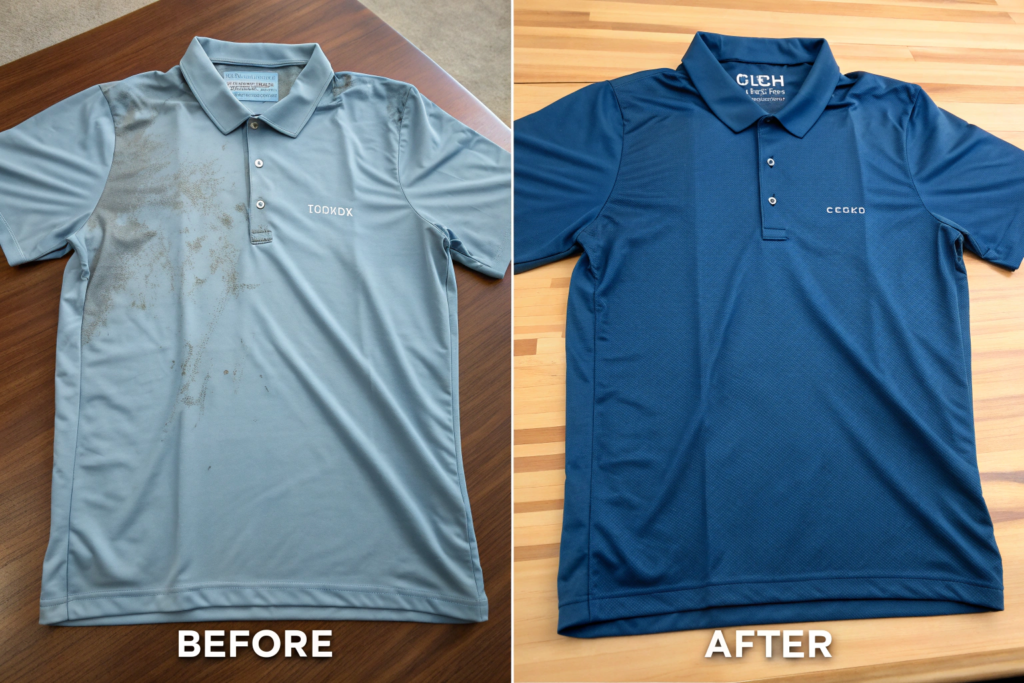
How does dye quality impact weather resistance?
High-quality, OEKO-TEX compliant dyes are engineered for:
- Lightfastness: Resistance to fading from UV exposure—critical for golf.
- Washfastness: Resistance to bleeding or fading during laundering.
- Rubfastness: Resistance to color transfer from friction.
These properties are intrinsic to the dye molecule and its fixation process. When a mill invests in these superior dyes to meet certification, the brand inherits a product that retains its visual appeal longer, a direct component of weather resistance. For example, our clients' apparel lines using our certified cotton-rich fabric blends consistently score high on AATCC crocking and lightfastness tests we run in-house.
Is there a link between fabric quality and certification?
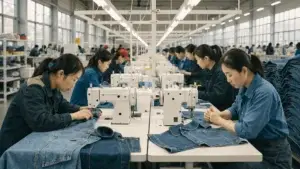
Absolutely. The certification process examines all components. A manufacturer cannot simply apply a safe finish to a poor-quality fabric and pass; the base fabric must also be free from harmful substances. This often means sourcing from better mills that produce more consistent, durable yarns and weaves/knits. The economic decision to pursue certification is frequently paired with an upgrade in base material quality to justify the investment and market positioning. This creates a virtuous cycle: the demand for safety drives the selection of higher-quality, more durable base materials. For brands, this means that partnering with a certified factory like ours is often a shortcut to accessing a higher tier of fabric and construction quality.
Conclusion
OEKO-TEX certification and weather-resistant performance in golf apparel are not at odds; they are synergistic goals in modern manufacturing. Certification drives the use of safer, more advanced chemical technologies for water repellency and UV protection. It mandates factory discipline that ensures consistent application of performance finishes. And it incentivizes the selection of higher-quality dyes and base fabrics that inherently resist fading and abrasion. The result is apparel that doesn't force a choice between safety and durability but delivers both.
For brands targeting the performance-minded, eco-conscious golfer, this synergy is your competitive advantage. It allows you to market gear that is built to last and proven to be safe. The key is to work with a manufacturer that understands this integrated approach from the first sketch to the final export & logistics. At Shanghai Fumao, we engineer this balance into every certified garment we produce. If you're developing golf wear that needs to stand up to the elements and the most discerning standards for safety, let's connect. Discuss your performance and certification goals with our Business Director Elaine: elaine@fumaoclothing.com.