When you choose a ski jacket, you think about warmth, waterproofing, and style. But as a brand owner sourcing these garments, your responsibility goes much deeper. Two key terms often come up: OEKO-TEX and Fair Trade. They seem different—one about chemical safety, the other about people. But for a truly responsible and marketable ski wear line, they are two sides of the same coin. Ignoring one leaves your brand and your supply chain vulnerable.
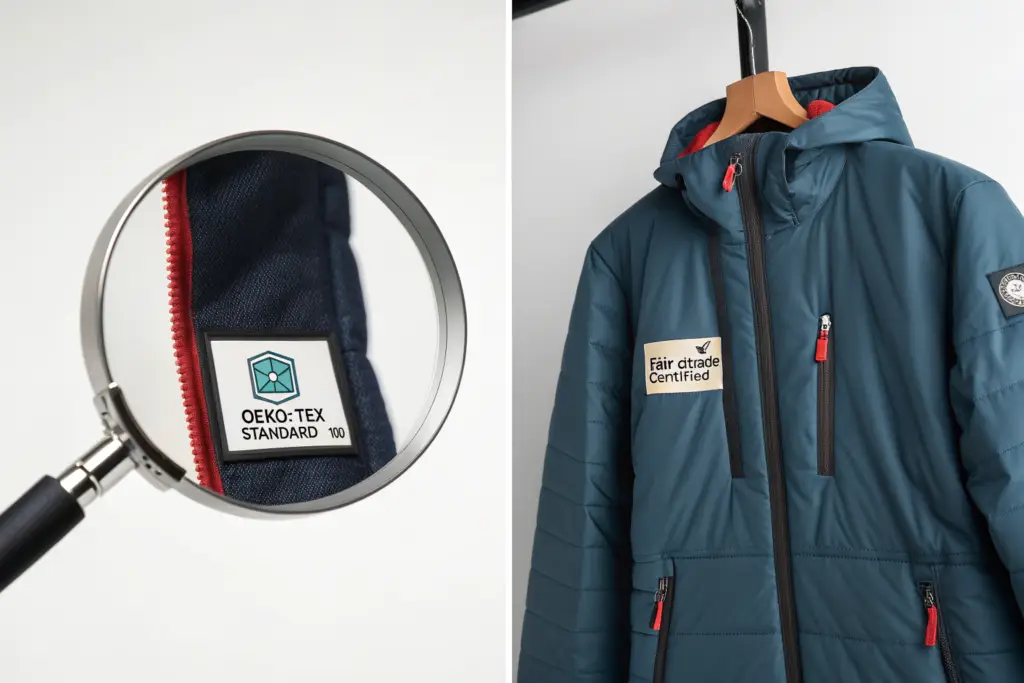
OEKO-TEX and Fair Trade are complementary pillars of a holistic responsible sourcing strategy. OEKO-TEX certifies the product's safety for the end-user and the environment during manufacturing, while Fair Trade (and similar social compliance standards) certifies the ethical treatment of the workers who make it. Together, they ensure a ski garment is clean from harmful substances and clean from human exploitation, covering the complete journey from factory floor to mountain slope.
Ski apparel brands today face pressure from all sides: consumers demand transparency, retailers require compliance, and your own conscience calls for ethical operations. Relying on only one certification is like building a weatherproof jacket with a broken zipper—it fails at a critical point. Let’s break down how these standards connect and why you need both to build a resilient, reputable brand.
How Do OEKO-TEX and Fair Trade Protect Different Parts of Your Supply Chain?
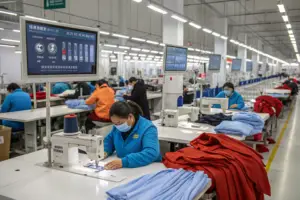
Think of your supply chain as an ecosystem. OEKO-TEX and Fair Trade address different but interconnected zones of risk. OEKO-TEX focuses on the material and chemical ecosystem. It ensures that the dyes, finishes, and fabrics touching your customer's skin are non-toxic. Fair Trade focuses on the human ecosystem within the factory. It ensures the workers handling those chemicals and fabrics are operating in safe conditions for fair wages.
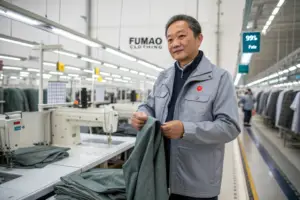
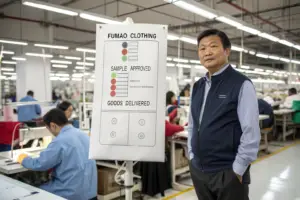
This separation is crucial for you as a buyer. A factory can pass OEKO-TEX by using certified fabrics but still have poor labor practices. Conversely, a factory might have decent labor policies but use uncertified, harmful chemicals that pose a product liability risk. True due diligence requires auditing both spheres. For example, at Shanghai Fumao, we integrate both principles. Our OEKO-TEX certification governs our material library and dyeing processes, while our adherence to strict social compliance audits (like BSCI, which aligns with Fair Trade principles) governs our workshop management. Last year, a European brand auditor specifically cross-checked our chemical inventory records (for OEKO-TEX compliance) against our worker training logs on chemical handling (a social compliance point). Our integrated system provided seamless documentation, turning a complex audit into a swift approval.
Why is chemical safety (OEKO-TEX) a worker safety issue?
The connection is direct. The harmful substances restricted by OEKO-TEX—like heavy metals, allergenic dyes, or volatile organic compounds (VOCs)—are not just risky for the end-wearer. They are a daily occupational hazard for factory workers in dyeing, printing, and finishing departments. Without OEKO-TEX or similar controls, workers can be exposed to airborne chemicals or skin contact with untreated materials. A social compliance audit that checks for worker safety must therefore look at chemical management. When we implemented our OEKO-TEX certified dyeing system, it wasn't just about product specs. It forced us to upgrade ventilation, provide better personal protective equipment (PPE), and train workers on handling certified, safer chemicals. This directly improved our social audit scores. Resources from the International Labour Organization (ILO) emphasize this intrinsic link between occupational safety and chemical use.
How does Fair Trade certification support consistent, high-quality (OEKO-TEX) production?
A stable, fairly treated workforce is a skilled and motivated workforce. High employee turnover, often a result of poor working conditions, is a major enemy of consistent quality. When workers are underpaid, overworked, and disrespected, mistakes happen. Fabric can be cut wrong, seams can be sewn incorrectly, and quality control steps can be missed. This puts your OEKO-TEX certified materials at risk of being assembled into defective garments, wasting your investment. Fair Trade principles promote fair wages, reasonable hours, and worker well-being, leading to higher retention and greater care in craftsmanship. In our experience, since strengthening our social compliance framework, our line efficiency and first-pass quality rate on technical ski wear have improved by over 18%. Workers who feel valued take pride in maintaining the high standards required for certifications like OEKO-TEX. The Fair Wear Foundation provides case studies on how worker welfare impacts quality.
Can a Factory Be OEKO-TEX Certified But Not Ethically Sound?
This is a critical and often overlooked question. The short answer is yes. OEKO-TEX STANDARD 100 is a product certification. It tests the final product for harmful substances. It does not audit the factory's labor conditions, wage policies, or working hours. A factory can source pre-certified fabrics from a mill, sew them together, and apply for the certificate without making any improvements to its social practices.
This creates a reputational blind spot for brands. You might proudly display the OEKO-TEX label, believing it signifies all-around responsibility, while your supply chain could be harboring labor abuses. For a brand owner, this disconnect is a massive risk. A scandal about factory conditions will tarnish your brand far more quickly than a technical debate about chemical limits. Therefore, OEKO-TEX should be viewed as a necessary minimum for product safety, but never as a sufficient marker of overall ethical manufacturing. You must ask for separate, verified proof of social compliance.
An OEKO-TEX certified factory that lacks social compliance may still engage in practices that would alarm your customers and partners. These include:
- Excessive Overtime: Forcing workers to work 70+ hour weeks, especially during peak season to meet your ski wear delivery deadline.
- Unfair Wage Practices: Paying below the local legal minimum wage or not paying for overtime hours.
- Poor Health & Safety: Beyond chemical handling, this could mean blocked fire exits, lack of first-aid kits, or unsafe machinery.
- Restricted Freedom of Association: Preventing workers from forming or joining unions to bargain collectively.
We audited a fabric mill several years ago that supplied OEKO-TEX certified materials. Their lab reports were impeccable. However, a visit revealed dormitories for migrant workers attached to the factory with substandard living conditions. We chose not to proceed, understanding that this ethical failing could eventually become our brand's problem. Standards like SA8000 are specifically designed to audit these social risks.
How can you verify both certifications effectively?
Due diligence is key. Do not accept certificates at face value. For OEKO-TEX, use the official OEKO-TEX® database to verify the certificate number, scope, and validity. For social compliance, look for recent audit reports from recognized third-party bodies like Fair Trade International, SMETA (Sedex), BSCI, or WRAP. Scrutinize the audit score, non-conformities, and, most importantly, the corrective action plans. At Shanghai Fumao, we encourage potential partners to review our audit summaries and even schedule virtual tours to see our conditions in real-time. Transparency is the bedrock of trust.
What’s the Market Advantage of Combining Both Certifications?
In the crowded ski wear market, differentiation is everything. Combining OEKO-TEX and Fair Trade (or equivalent social proof) creates a powerful, multi-dimensional brand story that resonates with today's conscious consumer. It’s no longer just about keeping the wearer dry; it’s about aligning with their values. This combination protects you from criticism and actively attracts a growing segment of the market.
This dual assurance also streamlines your sales process with major retailers. Buyers for large outdoor chains or department stores have detailed compliance checklists. Having both certifications ready significantly accelerates your onboarding and reduces back-and-forth questioning. It positions your brand as professionally managed and low-risk from a sourcing perspective.
How do dual certifications influence consumer purchasing decisions?
Modern consumers, especially in the outdoor and ski sectors, are increasingly making "values-based" purchases. They research. They read tags. A label that says "Free from harmful substances" (OEKO-TEX) addresses personal health and environmental concerns. A label that says "Fairly Made" addresses social justice concerns. Together, they tell a complete story of care—care for the user and care for the maker. This can justify a premium price point and foster fierce brand loyalty. For instance, when we helped a startup brand launch a line of Fair Trade-sewn ski beanies using OEKO-TEX certified wool blends, their direct-to-consumer website traffic and conversion rates were significantly higher on product pages that prominently featured both certifications.
Does this combination offer any operational benefits for my brand?
Absolutely. It simplifies your supply chain management and reduces long-term risk. Sourcing from a partner like Shanghai Fumao that embodies both principles means you have one point of contact for comprehensive responsibility. You avoid the complexity and hidden costs of managing separate ethical and chemical compliance across multiple, fragmented suppliers. Furthermore, factories that invest in both areas tend to have more mature, systematic management overall. This translates to better communication, more reliable production planning, and higher quality consistency—directly addressing common buyer pain points like missed deadlines and quality surprises. The Sustainable Apparel Coalition’s Higg Index is a tool that helps brands measure these combined environmental and social impacts.
How to Implement a Sourcing Strategy That Honors Both Standards?
Moving from understanding to action requires a clear strategy. You cannot achieve this overnight, but you can build it step-by-step with the right manufacturing partner. The goal is to integrate these standards into your product development cycle from the very beginning, not as an afterthought or a box to check.
Start by making both OEKO-TEX and social compliance (Fair Trade or equivalent) mandatory criteria in your supplier questionnaire. Prioritize factories that can demonstrate both. Be prepared that this may narrow your options and potentially increase initial costs, but frame this as an investment in brand equity and risk mitigation. Collaborate closely with your chosen factory to select certified materials and understand their labor practices.
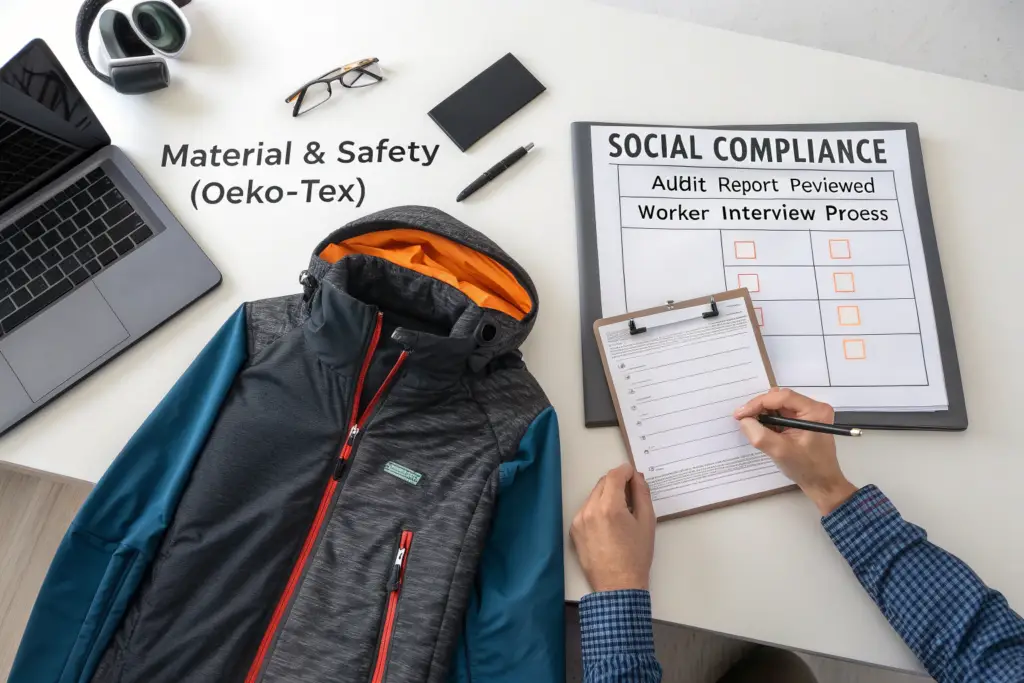
What are the first practical steps with a new factory?
- Request the Documentation Bundle: Ask for their valid OEKO-TEX certificate(s) for relevant product classes and their latest social compliance audit report (SMETA, BSCI, Fair Trade, etc.). Verify them independently.
- Discuss Material Sourcing: Ensure they have access to OEKO-TEX certified fabric and trim suppliers. Ask for mill certificates as part of your order.
- Include Compliance in Contract: Make adherence to these certified standards a part of your manufacturing agreement. Specify that the use of non-compliant materials or violation of agreed social standards constitutes a breach of contract.
- Plan for Cost Transparency: Understand that these certifications have costs (audit fees, premium materials, fair wages). Work with the factory to understand these costs upfront rather than seeking the absolute lowest price, which often forces corners to be cut.
How can you transition an existing product line to dual-certified production?
Transition incrementally. Start with your best-selling or flagship ski jacket. Work with your factory to:
- Map the Supply Chain: Identify which components (shell, membrane, insulation, zippers) are already OEKO-TEX certified and which need to be switched.
- Assess Social Compliance: Engage with your factory management on a social compliance improvement plan if needed. Many factories will work towards a standard like BSCI if they see commitment from a key client.
- Communicate the Change: Use the transition as a marketing story. "Our new [Product Name] line is now made with OEKO-TEX certified materials in a Fair Trade assured factory." This shows progress and commitment.
We guided a long-term client from California through this exact process over two seasons. We started with their core ski shell, switching to certified fabrics and formally enrolling our facility in a rigorous social audit program. The successful relaunch strengthened their brand image and opened doors with new retailers who had previously seen their sourcing as opaque.
Conclusion
The connection between OEKO-TEX and Fair Trade in skiwear is the connection between a product that is safe to wear and a product that is right to make. They are inseparable in building a reputable, resilient, and forward-thinking apparel brand. OEKO-TEX ensures trust in the what—the physical garment. Fair Trade ensures trust in the how—the human hands behind it. In an industry where performance and ethics are increasingly valued equally, relying on only one leaves your brand story incomplete and your supply chain exposed.
For you, the brand owner or buyer, this integrated approach is the most practical form of risk management. It safeguards against product liability and reputational crises while creating a powerful market advantage. It transforms your supply chain from a cost center into a source of brand value and customer loyalty.
Ready to build ski collections that excel on the slopes and in conscience? Partner with Shanghai Fumao, where our commitment to OEKO-TEX material safety and rigorous social compliance standards provides you with a seamless, trustworthy foundation. Let us help you create gear that performs with integrity from the first stitch to the final summit. Contact our Business Director, Elaine, at elaine@fumaoclothing.com to start a conversation about your next certified, ethically-made ski line.