As a private label ski brand, your identity is everything. You’ve invested in design, performance, and a story that resonates with the mountain community. But beneath the innovative designs and technical fabrics lies a silent foundation that can either solidify your reputation or, if ignored, unravel it completely: the chemical safety of your garments. This is where OEKO-TEX Standard 100, and specifically Product Class 1 (Grade 1 for baby products), becomes not just a certification, but a strategic imperative for brands targeting discerning adult consumers.
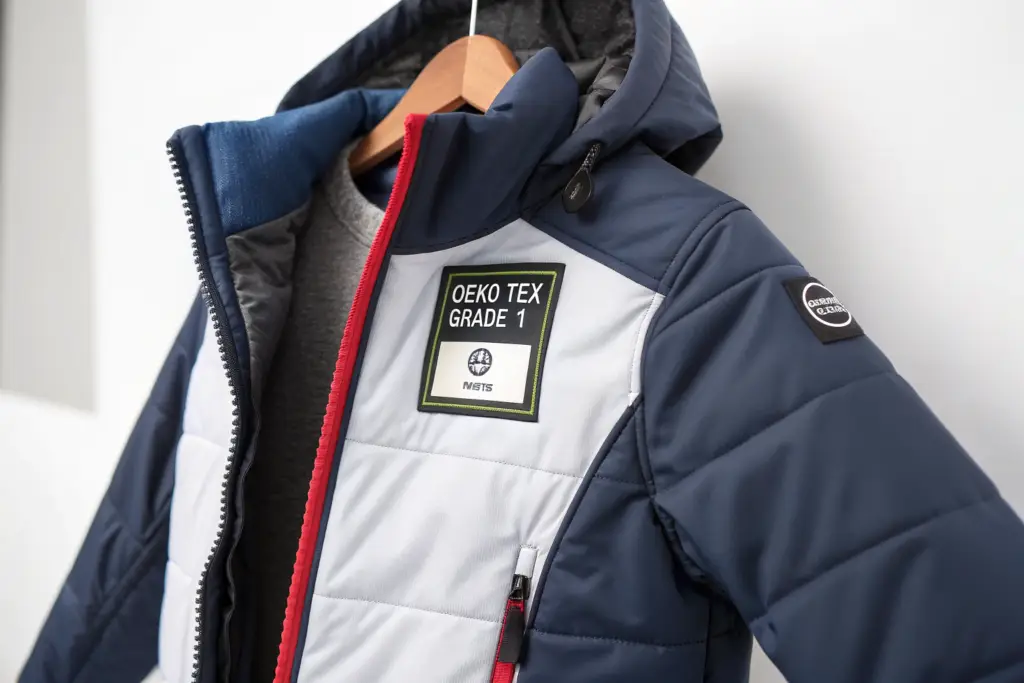
OEKO-TEX Grade 1 is the most stringent safety benchmark within the OEKO-TEX Standard 100 system, designed for articles for babies and young children. For a private label ski brand, adopting this grade is a powerful declaration of exceptional safety standards, demonstrating a commitment that far exceeds legal minimums and directly addresses the intense, prolonged skin-contact and physiological stress inherent in skiing. It is the ultimate tool for building trust, justifying premium positioning, and future-proofing your brand in a competitive market.
What Does OEKO-TEX Grade 1 Actually Mean for Ski Apparel?
OEKO-TEX Standard 100 categorizes products into four classes based on their intended use and human ecological requirements. The limits for harmful substances become progressively stricter from Class 4 (decorative materials) to Class 1.
- Class 2: For articles used close to the skin (e.g., underwear, bed linen).
- Class 3: For articles not used close to the skin (e.g., jackets, coats).
- Class 1: For articles for babies and young children up to 3 years old.
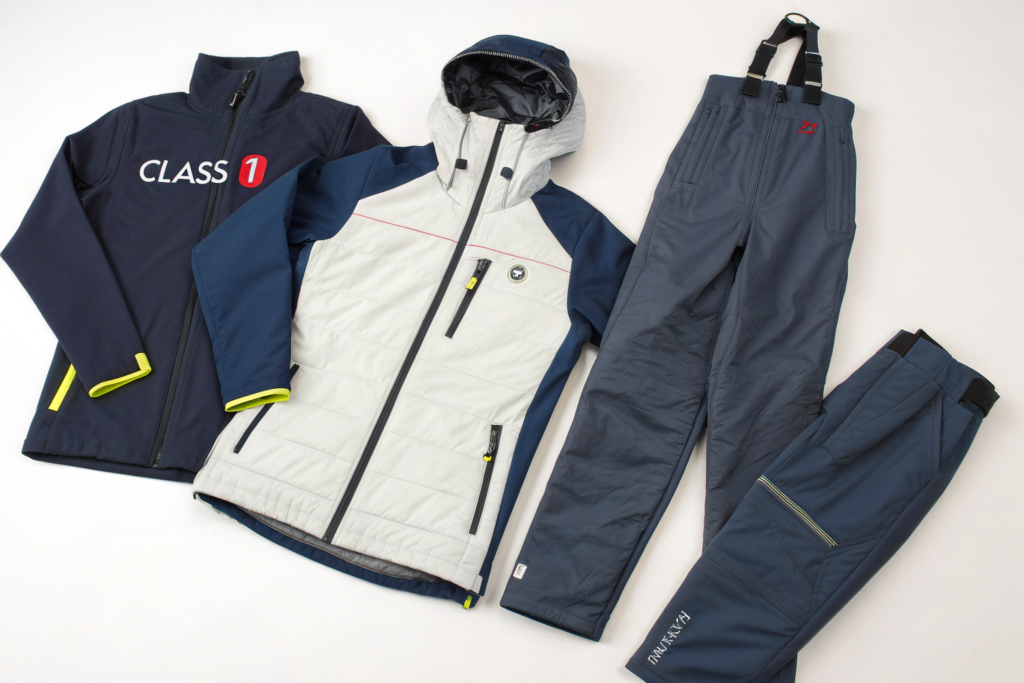
By certifying adult ski wear—like base layers, mid-layers, and even the inner lining of ski jackets and pants—to Class 1, you are voluntarily subjecting them to the same rigorous safety criteria as a baby's onesie. This includes significantly lower tolerance limits for substances like formaldehyde, pesticides, heavy metals (cadmium, lead), and allergenic dyes.
Why Is "Close to the Skin" Classification Inadequate for Skiing?
Class 2 certification is often seen as sufficient for apparel. However, skiing creates a unique physiological environment. During intense activity, the body's core temperature rises, and sweat production increases. This warm, moist environment can potentially facilitate the transfer of substances from fabric to skin more readily than in normal wear. A base layer certified to Class 1 provides a far greater safety margin under these stressful conditions. For a private label brand, this isn't just about compliance; it's about demonstrating a deep understanding of the end-user's experience and proactively safeguarding it.
How Does This Translate to Tangible Product Integrity?
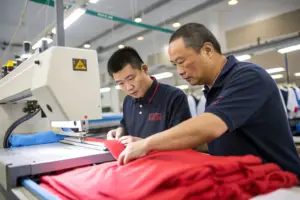
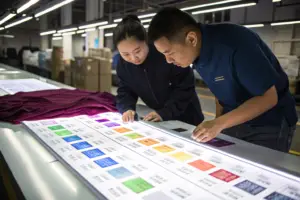
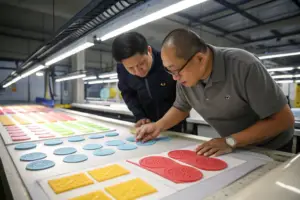
At Shanghai Fumao, when we produce a Class 1 certified ski base layer, our entire sourcing and production protocol elevates. We must select yarns and dyes from mills that can consistently meet the ultra-strict Grade 1 parameters. The entire supply chain is audited to this higher standard. For instance, in a recent project for an emerging alpine brand, our fabric mill had to reformulate a dye to eliminate a trace element that was permissible under Class 2 but not under Class 1. This resulted in a purer, higher-quality fabric that became a unique selling point for the brand.
How Does Grade 1 Certification Become a Marketing Powerhouse?
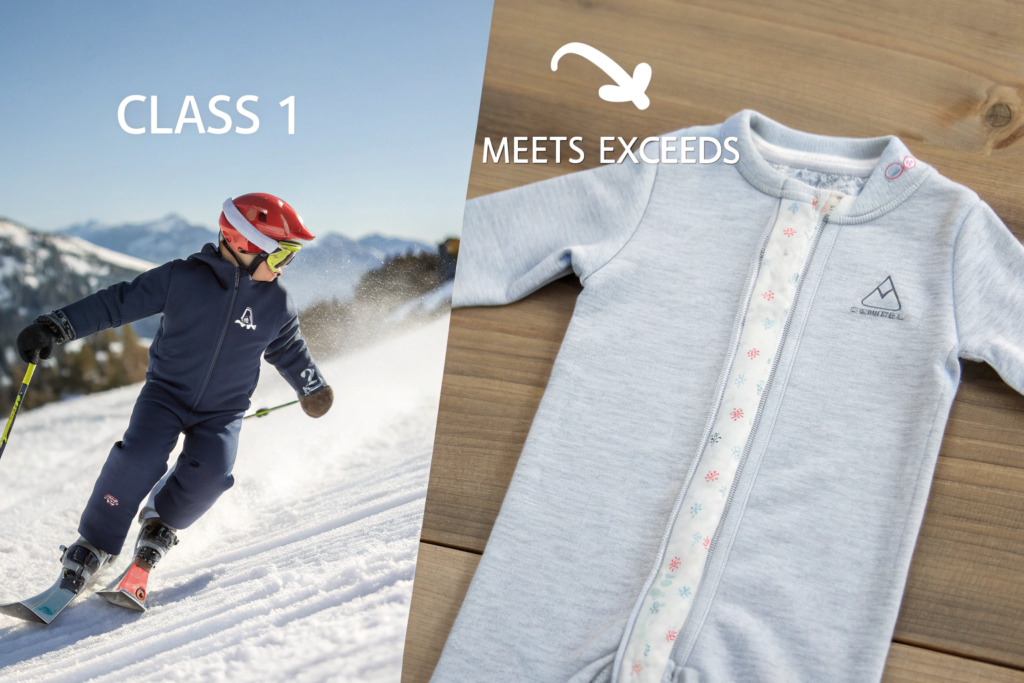
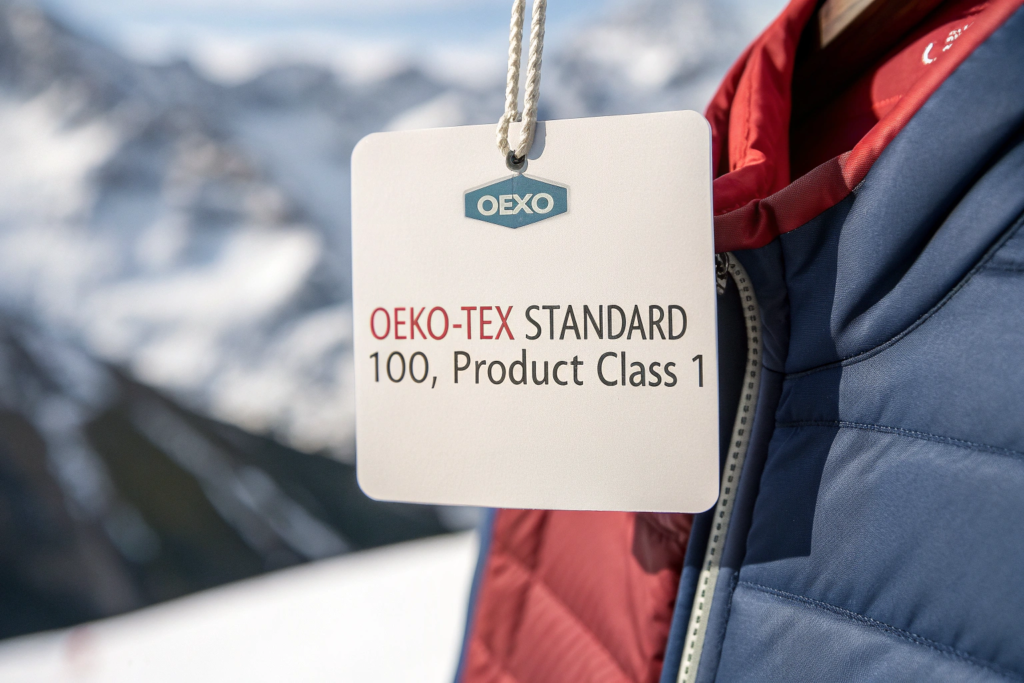
In a crowded market, differentiation is key. A "Standard OEKO-TEX" label is becoming commonplace. A "OEKO-TEX STANDARD 100, Product Class 1" label is a statement. It is a concrete, verifiable claim that immediately communicates an unparalleled level of care and quality.
This certification directly supports a premium brand narrative. It allows you to communicate not just that your product is "safe," but that it is "exceptionally safe," "purity-focused," or "benchmarked to babywear standards." This resonates powerfully with health-conscious consumers, parents who ski, and anyone who values transparency. It transforms a technical specification into an emotional benefit: peace of mind. This is a critical component of sustainable fashion that goes beyond environmental impact to encompass human health.
Can It Justify a Higher Price Point?
Absolutely. Consumers are increasingly willing to pay a premium for products that offer genuine, demonstrable value and align with their values. The incremental cost of achieving Class 1 certification—through more expensive dyes and tighter production controls—can be transparently communicated as part of the product's value proposition. It moves the conversation away from competing solely on price and towards competing on substantiated quality and safety leadership.
How Does It Supercharge Retail Relationships?
Major specialty retailers and eco-marketplaces are actively seeking brands that go beyond the basics. Presenting a Class 1 certification during buyer meetings instantly sets you apart. It shows professional diligence, reduces the retailer's compliance risk, and gives their sales staff a compelling, science-backed story to tell. It can be the deciding factor in securing shelf space or a featured online listing.
What Are the Operational and Supply Chain Implications?
Committing to Grade 1 is not a superficial decision; it requires a fundamental alignment with a manufacturing partner capable of executing it. The implications ripple through the entire supply chain.
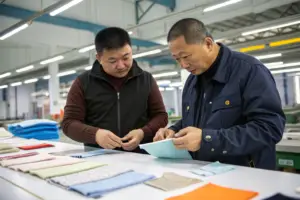
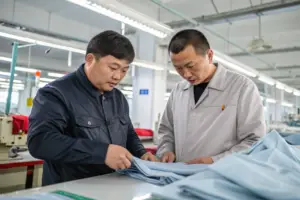
1. Supplier Vetting Becomes More Critical: Not all fabric mills or trim suppliers can meet Class 1 standards. Your manufacturer must have established relationships with top-tier suppliers whose quality systems are robust enough for this grade. We maintain a pre-approved list of Class 1-capable mills, which we continuously audit based on their test report consistency.
2. Production Isolation is Key: To prevent cross-contamination, production of Class 1 items should be scheduled in dedicated runs. This means cleaning machinery thoroughly before production and segregating all Class 1 materials (threads, elastics, etc.) in the warehouse. Our quality management system mandates these protocols, treating Class 1 orders with pharmaceutical-level discipline.
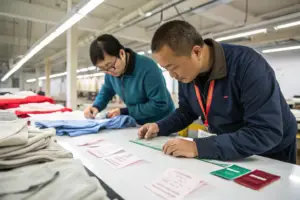
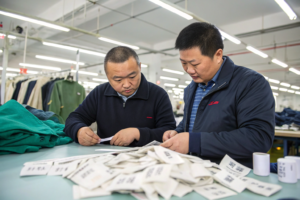
3. Documentation and Traceability are Paramount: The ability to trace every component back to its Class 1 test report is non-negotiable. This level of documentation, while demanding, also strengthens your brand's story of transparency and can be a powerful tool in consumer education.
What Is the Real Cost of Non-Compliance or Greenwashing?
The risk of failing to meet a self-declared Class 1 standard is catastrophic. If a consumer or retailer independently tests a product marketed as Class 1 and finds it non-compliant, the resulting scandal would be framed as "brand misleads on baby-level safety." The reputational damage would be severe and long-lasting. Therefore, the partnership with a meticulous, transparent factory is not a cost—it is essential risk management.
Conclusion
For a private label ski brand, OEKO-TEX Grade 1 is far more than a compliance certificate. It is a strategic choice that defines your brand's character. It signals a commitment to purity that surpasses all expectations, builds unshakeable trust with a savvy customer base, and creates a formidable point of differentiation in a competitive landscape.
It is a commitment that must be woven into your product from the first fiber. This requires a manufacturing partner who doesn't just offer certification, but lives the rigorous discipline it demands at every stage. At Shanghai Fumao, we integrate Class 1 standards into our core operational DNA, ensuring that the exceptional safety promise on your label is an unwavering reality in every garment we produce.
Ready to build your private label on the highest possible standard of safety and quality? Let's discuss how OEKO-TEX Grade 1 can become the cornerstone of your brand's story. Contact our Business Director, Elaine, at elaine@fumaoclothing.com to begin.