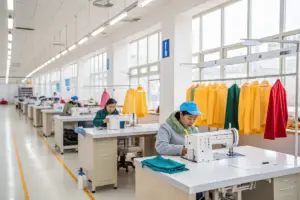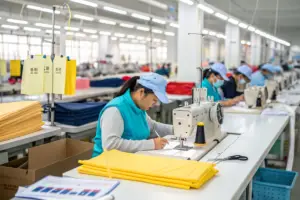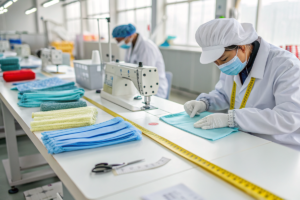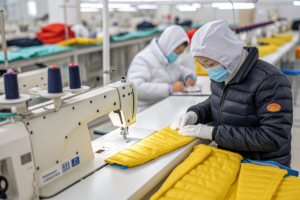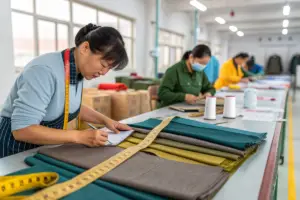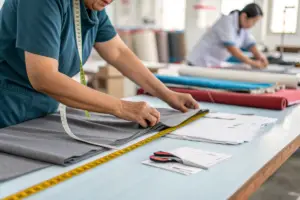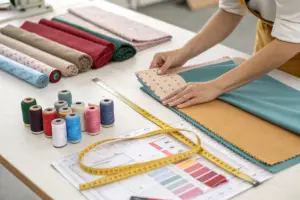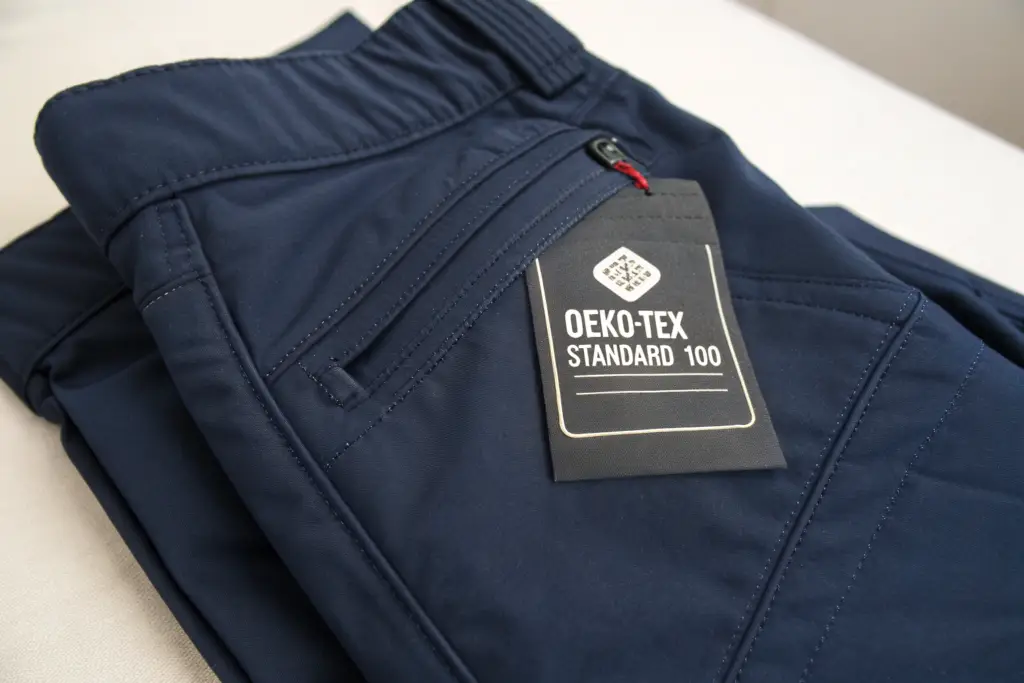
When you see an OEKO-TEX label on a finished pair of ski pants, you feel confident about their safety. But a critical question arises: does that single label mean every step—from raw fiber to the final packaged garment—was certified and controlled? The answer is more nuanced than a simple yes or no. Understanding this nuance is key to managing your supply chain risk and truly guaranteeing product safety.
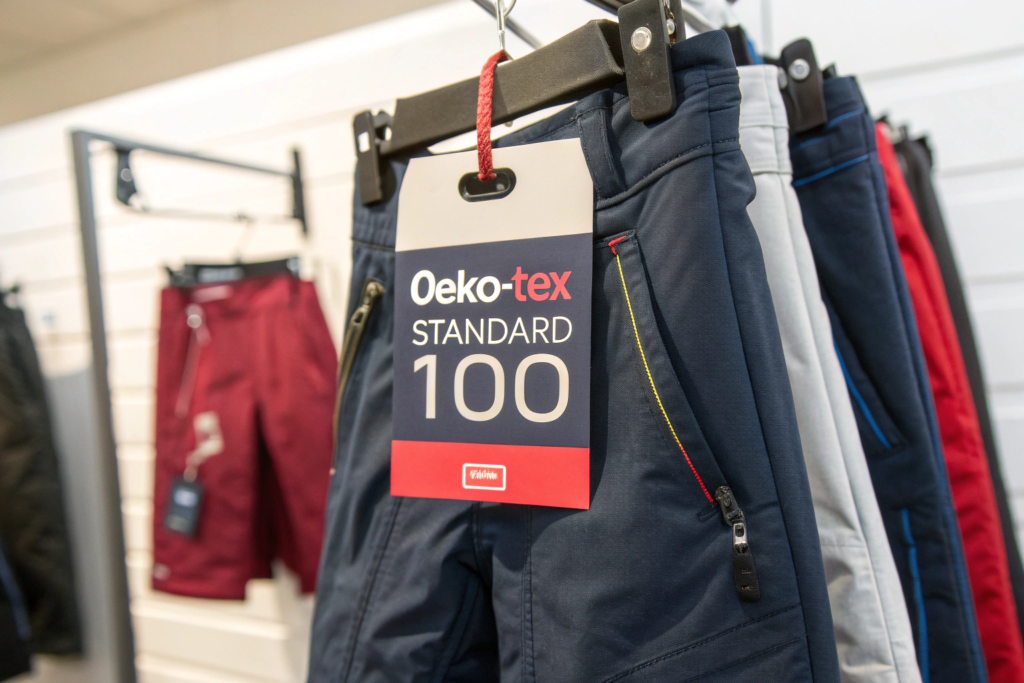
An OEKO-TEX Standard 100 label on finished ski pants certifies that every individual component has been tested and found free of harmful substances. However, it does not certify or audit the physical production process itself (like cutting, sewing, or assembly). The integrity of the certification relies on the manufacturer's disciplined control in using only certified inputs and preventing contamination during assembly. This makes the choice of manufacturing partner, not just the certificate, absolutely critical.
What Exactly Does the Certificate on Finished Garments Guarantee?
The OEKO-TEX Standard 100 certification for a finished garment is a product certification. It provides a guarantee about the state of the final product, not a guarantee about the procedures that led to it. To earn the right to attach the label to a pair of ski pants, the manufacturer must submit samples of the complete garment to an OEKO-TEX approved institute for testing.
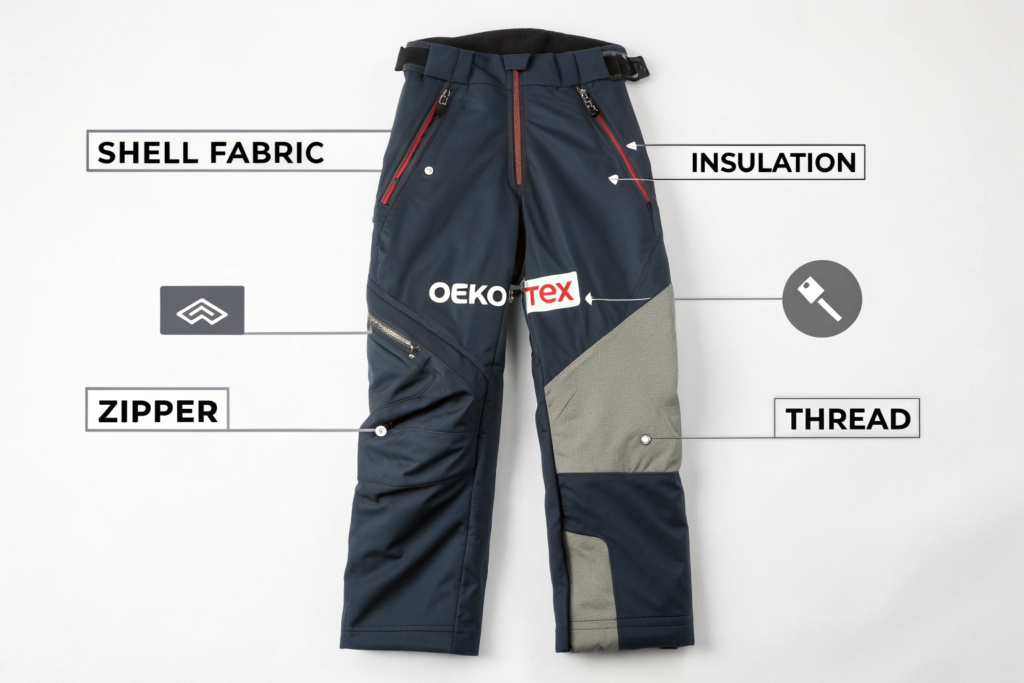
The critical rule is this: Every material component that makes up more than 5% of the total weight must itself be OEKO-TEX certified. This includes:
- The outer shell fabric
- The waterproof membrane (e.g., PTFE, PU)
- The insulation (e.g., PrimaLoft, down clusters)
- The lining and mesh
- The sewing threads
- The zippers, buttons, and velcro
- The printed logos and labels
The certification of the finished product is essentially a verification that these pre-certified components have been assembled into the final garment without introducing any new, un-certified substances that would cause the final product to fail the test.
Can a Factory Use Some Non-Certified Parts?
No, not if they want to legitimately label the final product. This is a common point of failure. A factory might source certified main fabrics but use cheaper, non-certified thread or zippers. Or, they might use a certified fabric but apply a non-certified water-repellent (DWR) coating during production. In both cases, the final submitted sample would likely fail the test because the non-certified components introduce untested substances. A reputable manufacturer maintains a strict "Certified Inputs Only" policy for any order bearing the label.
What Is the Role of the Manufacturer's "Quality Assurance System"?
While OEKO-TEX does not certify the manufacturing process, it requires the certified company to have a quality assurance system in place to ensure consistency. This means the factory must have procedures to:
- Verify incoming materials have valid OEKO-TEX certificates.
- Store certified and non-certified materials separately to avoid mix-ups.
- Keep clear records tracing material certificates to production lots.
At Shanghai Fumao, this is embedded in our quality management system. For a recent order of 5,000 ski pants for a Swiss brand, we tracked each component lot against its certificate, creating a complete dossier for the entire production run, which provided assurance beyond the final sample test.
Where Are the Critical Gaps in Coverage During Production?
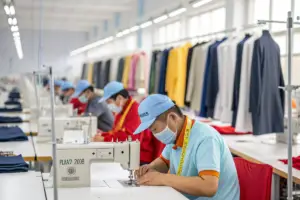
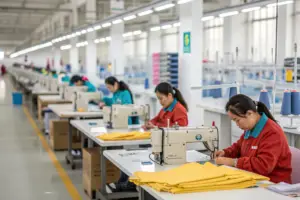
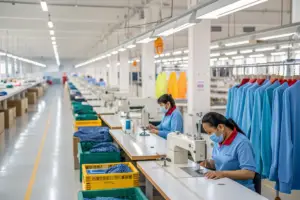
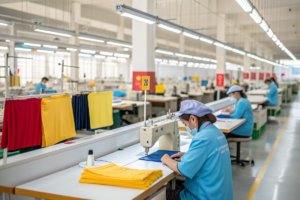
This is where the risk lies. The certification tests a sample of the final product. It does not monitor the factory floor in real-time. Therefore, several critical gaps exist between certified inputs and a certified final sample.
Gap 1: Contamination During Production
The factory environment itself can introduce contaminants. For example:
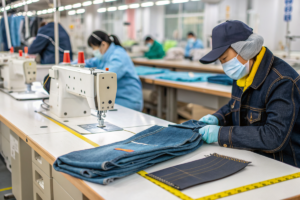
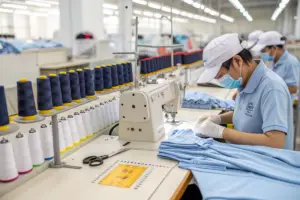
- Using the same sewing machines for certified and non-certified orders without proper cleaning can lead to oil or residue transfer.
- Storing finished garments in non-clean areas where they can absorb dust or fumes.
- Using non-certified cleaning agents or pressing aids during assembly.
Gap 2: Supplier Substitution and Batch Variance
A mill's OEKO-TEX certificate covers a specific production batch. There is a risk that the mill could ship a different, non-certified batch that looks identical. Or, a factory might deliberately substitute a cheaper, non-certified material after their sample is approved, hoping the final shipment isn't tested. This is why our policy includes spot-checking material deliveries against the provided test reports and maintaining retained samples from every batch.
How Can These Gaps Lead to a Certified Sample but a Failed Shipment?
Consider this real scenario from 2023: A factory produced ski pants for a European brand. They used all certified components for the pre-production samples, which passed the OEKO-TEX test. However, during mass production, they ran out of certified thread. To avoid delay, they used a visually identical but non-certified thread for 30% of the order. The finished goods were shipped. The brand's random inspection and lab test of units from the shipment failed for an allergenic dye found only in the substitute thread. The entire shipment was rejected. The factory had a certificate for the product type, but their process control failed, rendering the shipment non-compliant.
What Controls Are Needed to Bridge These Gaps?
| Production Gap | Risk | Essential Control Measure |
|---|---|---|
| Material Storage & Handling | Cross-contamination | Dedicated storage areas for certified materials; clear labeling. |
| Production Line Management | Residue transfer from other projects | Scheduling certified-order production in dedicated blocks; machine cleaning protocols. |
| Batch Traceability | Unauthorized material substitution | Robust lot-number tracking from receipt to finished garment. |
| Chemical Management | Use of non-certified auxiliaries (glues, sprays) | An approved chemical inventory for certified production only. |
How Does STeP by OEKO-TEX Address the Process Gap?
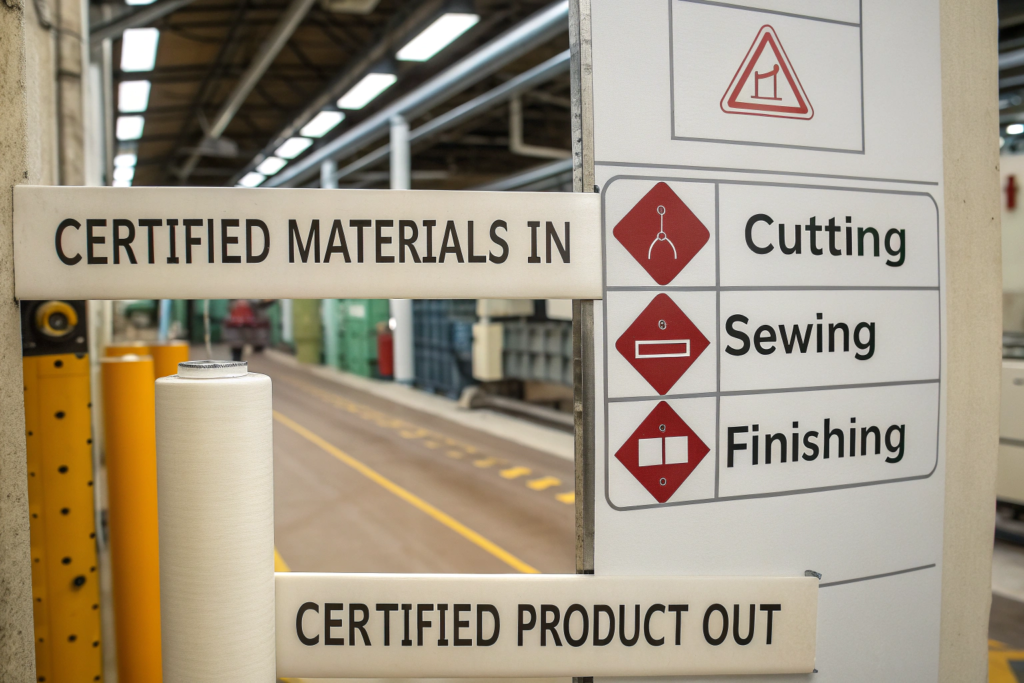
OEKO-TEX offers another certification called STeP (Sustainable Textile & Leather Production). This is specifically designed to complement Standard 100 by certifying the manufacturing site and processes.
STeP assesses a factory across six modules:
- Chemicals Management
- Environmental Performance
- Environmental Management
- Social Responsibility
- Quality Management
- Health & Safety
A factory holding both OEKO-TEX Standard 100 and STeP certifications provides the most comprehensive assurance. It means:
- The products are tested for harmful substances (Standard 100).
- The factory processes are audited for responsible, controlled, and transparent operations (STeP).
For a brand, partnering with a STeP-certified manufacturer for your ski pants significantly reduces the risks associated with production gaps. It indicates the factory has systemic controls for chemical use, wastewater treatment, social compliance, and quality management—creating an environment where Standard 100 compliance can be reliably maintained batch after batch.
Why Isn't STeP as Commonly Discussed as Standard 100?
Standard 100 is a product-specific requirement often demanded by retailers and end consumers. STeP is a holistic factory certification that is more relevant to brands seeking long-term, strategic manufacturing partners. It is a mark of operational excellence. While many factories can obtain a product certificate, far fewer achieve STeP, as it requires significant investment and transparency. When evaluating suppliers, asking "Are you also STeP certified?" immediately identifies partners with deeper commitment.
What Practical Questions Should You Ask Your Supplier?
To assess their control over the entire process, ask:
- "Do you have separate production lines or scheduled blocks for OEKO-TEX certified orders?"
- "Can you walk me through your material traceability system for a certified order via video?"
- "What is your procedure if a certified material fails your incoming inspection?"
Their answers will reveal if they see certification as a paperwork exercise or an integrated operational discipline.
Conclusion
An OEKO-TEX Standard 100 label on your ski pants is a vital signal of product safety, but it is not an automatic guarantee of a flawlessly controlled production journey. The certificate covers the "what" (the components) but not the "how" (the assembly process). The integrity of that label hinges entirely on the manufacturer's discipline, systems, and ethics in preventing contamination and substitution.
Therefore, your due diligence must extend beyond verifying a certificate. You must audit the manufacturer's process controls, traceability systems, and overall commitment to responsible production. Partnering with a manufacturer like Shanghai Fumao, where OEKO-TEX compliance is underpinned by rigorous internal quality systems, closes the critical gaps between certified materials and certified finished goods. This ensures that every pair of ski pants you sell is not just sample-safe, but consistently safe.
Don't leave safety to chance in the production process. Choose a partner who controls the entire chain. Contact our Business Director, Elaine, at elaine@fumaoclothing.com to produce ski pants where certification is a promise kept at every stage.