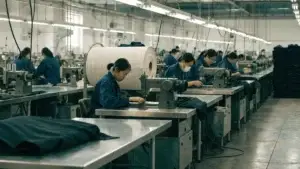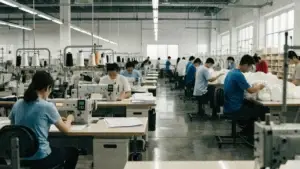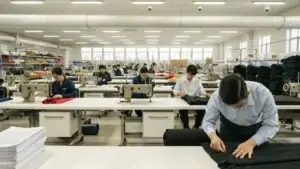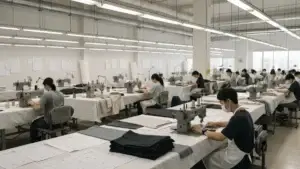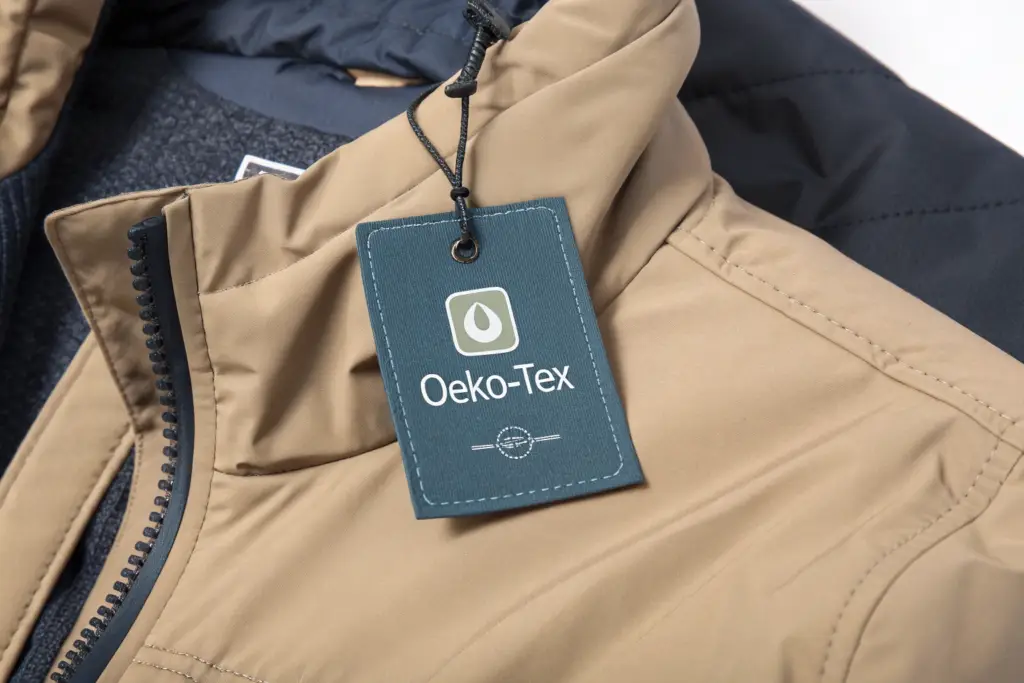
Skiwear faces the toughest conditions. Your customers demand gear that keeps them warm and dry on the mountain, but also safe against their skin. They trust that the fabric is performing, not leaking harmful substances. This dual demand—for high performance and fundamental safety—is where quality control starts. The OEKO-TEX Standard 100 certification isn't just a bonus for us; it's the non-negotiable baseline for every skiwear collection we produce.
OEKO-TEX is the baseline because it provides a globally recognized, scientifically-backed guarantee that every component of a garment is free from harmful levels of regulated substances. For skiwear, where technical fabrics and intense wear are involved, this certification is the critical first step in a comprehensive quality control process, ensuring product safety and building consumer trust before any performance test even begins. It transforms subjective claims of "safe" into an objective, verifiable standard.
What Does OEKO-TEX Actually Test in Technical Skiwear Fabrics?
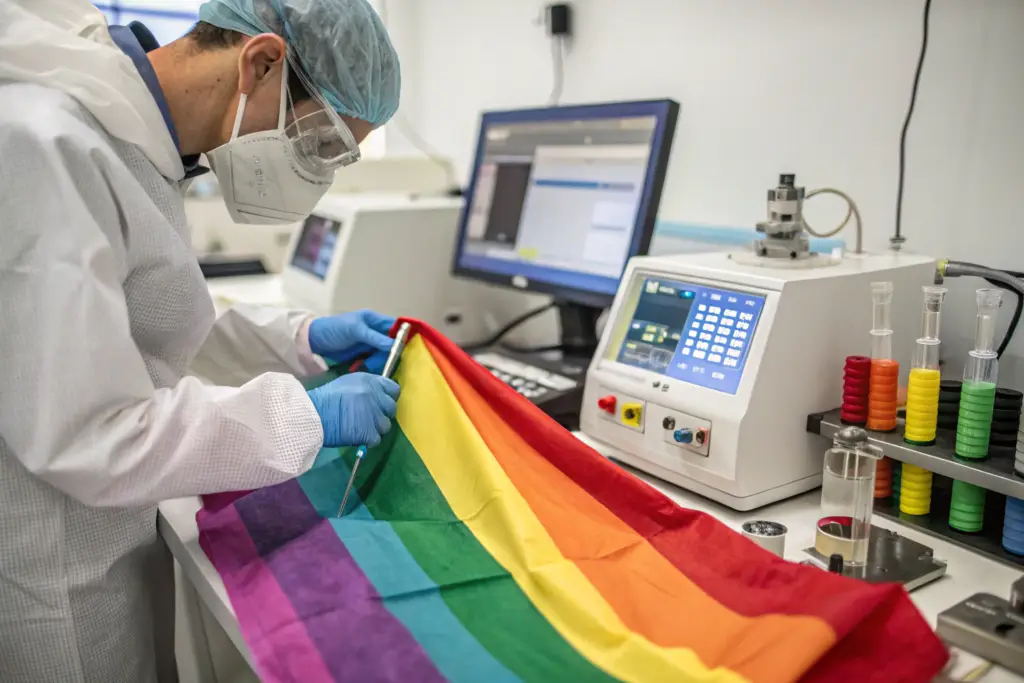
OEKO-TEX certification is often misunderstood as a simple fabric check. For technical skiwear, its rigor is what makes it indispensable. The certification tests every single component against a list of over 100 harmful substances—from the outer shell and waterproof membrane to the insulation, lining, threads, zippers, and even prints and dyes.
The process is exhaustive. Independent, authorized institutes take samples and test for substances like heavy metals, allergenic dyes, formaldehyde, and polycyclic aromatic hydrocarbons (PAHs). The criteria are often stricter than national laws. For example, we sourced a premium recycled polyester for a shell jacket last season. While it met general sourcing standards, our pre-audit flagged a potential phthalate level used in the recycling process. Because of our OEKO-TEX commitment, we worked with the mill to reformulate before certification testing, preventing a failed batch of 10,000 meters of fabric. This proactive testing at the raw material stage is the cornerstone of preventative quality control.
Why Is Testing Every Component Non-Negotiable for Performance Wear?
Skiwear is a system. A toxic-free shell is compromised if the adhesive in its laminated membrane or the dye in its inner mesh isn't also certified. During strenuous activity, the body heats up and sweat can facilitate the transfer of substances from the garment to the skin. OEKO-TEX’s component-by-component testing ensures the entire system is safe. This is especially crucial for items like neck gaiters or bibs that sit directly against the skin for hours. By certifying every element, we eliminate this hidden risk vector, which is a common oversight in factories focused only on final assembly checks.
How Does This Certification Future-Proof Against Regulatory Changes?
Global regulations on chemicals in textiles, like REACH in the EU, are constantly evolving. OEKO-TEX Standard 100 updates its test criteria and limit values at least annually, based on new scientific findings and regulatory trends. By mandating this certification as our baseline, we ensure our partners’ skiwear is always aligned with the latest international safety standards. This protects brands from costly recalls or rejected shipments due to non-compliance. It’s a dynamic quality control tool that adapts, unlike a static supplier self-declaration.
How Does OEKO-TEX Integration Enhance Broader Skiwear QC Protocols?
OEKO-TEX is the foundation, not the finish line. At Shanghai Fumao, it is the first checkpoint in a multi-layered quality control pyramid. It allows our QC teams to focus on performance and construction, confident that the fundamental material safety is already verified by a third-party authority.
Our process begins with certified materials. Before any fabric is cut, we verify its OEKO-TEX certificate and match the certificate number to the batch in our warehouse. This is a formalized step in our quality management system. Last year, for a major Colorado-based brand, this prevented a major issue. A roll of insulated lining arrived with a generic mill certificate but lacked the specific OEKO-TEX documentation. Our logistics team placed the entire roll on hold and initiated a trace-back with the supplier. The delay was minor, but it prevented the potential use of uncertified material in 2,000 units of high-end ski jackets, safeguarding the brand from a significant liability.
What Performance Tests Follow the OEKO-TEX Safety Check?
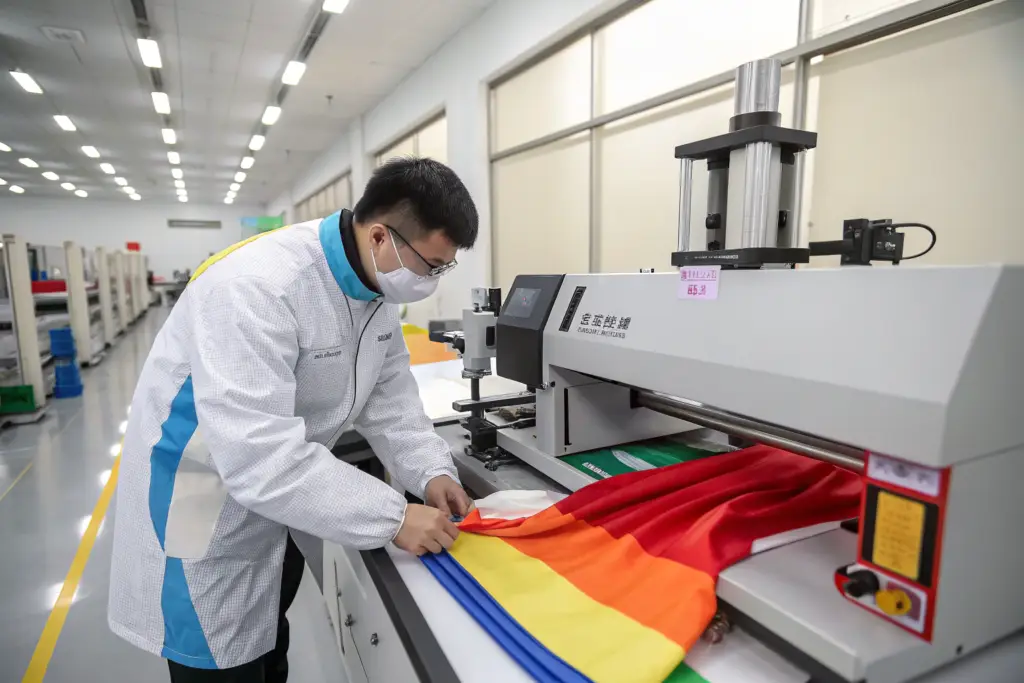
Once material safety is confirmed, our QC shifts to performance. This includes:
- Water Resistance & Breathability Tests: Using spray rating and moisture vapor transmission rate (MVTR) machines to verify the fabric's technical claims.
- Insulation Integrity Checks: Ensuring even distribution of synthetic fill or down across all panels.
- Seam Taping & Construction Audits: Inspecting critical seam seals for gaps and testing durability through wash and abrasion cycles.
This structured approach—safety first, then performance—creates a logical and thorough QC workflow.
How Does This Layered Approach Build Brand and Retailer Trust?
For brands selling to major retailers like REI or Backcountry.com, presenting OEKO-TEX certification significantly smooths the buying process. Retailers have their own compliance requirements, and this certification is often a prerequisite. By providing it as a baseline, we give our brand partners a powerful tool for market access. It becomes a key selling point on the hangtag, directly addressing growing consumer demand for responsible manufacturing in outdoor apparel.
What Are the Practical Limits of OEKO-TEX in the QC Process?
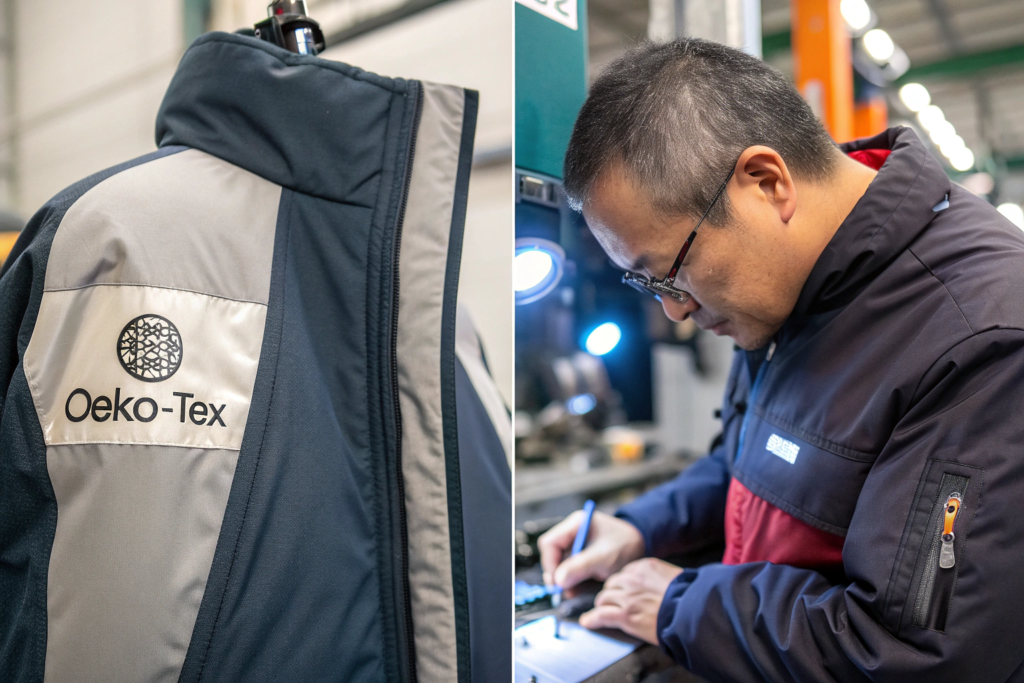
While essential, OEKO-TEX is not a catch-all guarantee. A wise manufacturer and a savvy brand understand its scope and its limits. The certification specifically addresses human-ecological safety. It does not test for a garment's physical durability, colorfastness to washing, or functional performance like waterproofness.
We learned this through experience. In 2022, we produced a batch of ski pants with certified fabrics and components. They passed all OEKO-TEX parameters. However, during our in-house durability testing, we found the abrasion resistance of the reinforced cuff area was below the brand's specified standard for resort skiing. OEKO-TEX didn't catch this because it's not designed to. This incident reinforced our philosophy: OEKO-TEX is the vital baseline, but it must be followed by brand-specific, performance-driven testing protocols. It is one critical data point in a much larger quality control process.
Which Critical Skiwear Attributes Fall Outside OEKO-TEX's Scope?
| Attribute | OEKO-TEX Coverage | Our Additional QC Step |
|---|---|---|
| Thermal Insulation (CLO Value) | No | Thermal manikin testing or standardized lab reviews of supplier data. |
| Seam Strength & Bursting Pressure | No | Mechanical pull tests on seam samples from each production lot. |
| Zipper & Velcro Functionality | No (tests material safety only) | Cycle testing (open/close) in cold chamber simulations. |
| Waterproof Integrity (after wear) | No | Simulated wash-and-abrasion cycles followed by hydrostatic pressure tests. |
Why Must Brands Partner with Factories That Understand This Difference?
A factory that presents only an OEKO-TEX certificate as proof of quality is providing an incomplete picture. Brands need a partner like Shanghai Fumao that values the certification but also invests in the advanced equipment and expertise to test everything it doesn't cover. This comprehensive understanding prevents the false sense of security that can come from relying on a single standard and ensures the final product is both safe and durable.
How Does OEKO-TEX Certification Support Sustainable Sourcing Goals?
Today’s skiwear brands are judged on both performance and planet. OEKO-TEX aligns directly with the "safety for people" pillar of sustainability. By ensuring textiles are harmless to human health, it complements environmental goals like using recycled materials or reducing water consumption.
Our commitment streamlines sourcing for brands aiming for a holistic sustainable fashion profile. For instance, we are currently developing a line of ski jackets using a new bio-based membrane. The material is innovative and marketed as eco-friendly. The first step in our evaluation was to subject it to OEKO-TEX testing. This ensures that the "green" material is also non-toxic, preventing a scenario where environmental gains come at the cost of human safety. It allows brands to credibly communicate a full spectrum of responsibility to their end-consumer.
Can OEKO-TEX Certification Reduce Long-Term Brand Risk?
Absolutely. In an era of heightened supply chain transparency, documented safety standards are a shield against reputational damage. Should any consumer ever question the safety of a garment, the OEKO-TEX certificate provides an immediate, third-party verified response. This protects the brand's image and minimizes potential liability. It transforms a subjective claim ("our clothes are safe") into a defensible, objective fact backed by science.
How Does This Integrate with a Full-Package Manufacturing Model?
As a full-package manufacturer, we control the sourcing of all components. Our OEKO-TEX baseline policy is enforced across our entire supply chain. We don't just ask for certificates; we audit them and build relationships with mills and trim suppliers who share this commitment. This vertical integration means brands don't have to manage the complexity of certifying multiple suppliers themselves. They get a finished, certified product from a single, accountable source: Shanghai Fumao.
Conclusion
For skiwear, where technology meets extreme conditions and direct skin contact, quality control cannot begin with a stitch. It must begin with the molecule. OEKO-TEX Standard 100 provides the rigorous, component-level safety verification that forms this essential foundation. It is the baseline that allows all other performance and durability tests to proceed with confidence.
At Shanghai Fumao, we view OEKO-TEX not as a marketing badge, but as the first and most critical checkpoint in our integrated QC process. It safeguards your brand, meets retailer mandates, and answers the modern consumer's demand for safe, responsibly made apparel. By partnering with a factory that embeds this standard into its core operations, you ensure your skiwear is built on a foundation of proven safety, leaving you free to focus on designing for peak performance.
Ready to build your next skiwear line on a foundation of verified safety and robust quality control? Let's discuss how our OEKO-TEX-integrated process can bring your most technical designs to life with confidence. Contact our Business Director, Elaine, at elaine@fumaoclothing.com to start the conversation.