As a manufacturer who has developed technical fabrics for golf wear across different climates, this is a sophisticated question we tackle at the material level. Golfers need clothing that adapts—keeping them warm in cool morning rounds and cool under the midday sun. Does the chemical compliance demanded by OEKO-TEX help or hinder this? The answer lies in understanding the intersection of chemistry, fabric engineering, and safety.
OEKO-TEX certification itself does not directly dictate thermal properties like insulation or cooling; rather, it governs the safety of the chemical substances used to achieve those properties. Therefore, it profoundly influences thermal performance by ensuring that the finishes, coatings, and fabric constructions designed for thermal regulation are non-toxic, durable, and non-irritating, preventing side effects that could compromise comfort and function. It sets the rules for the game of thermal engineering.
A clear case involved a client's request for a lightweight golf jacket with a thermal reflective coating. The initial coating sample from a supplier provided excellent heat retention but failed OEKO-TEX screening for heavy metal content. We sourced an alternative, compliant ceramic-based coating. While slightly more expensive, it passed certification and, in field tests, actually demonstrated more consistent thermal reflection after multiple washes because its bonding agents were more stable. The safe chemistry proved to be better chemistry.
How Do Certified Moisture-Wicking Finishes Affect Thermal Sensation?
Moisture management is the cornerstone of thermal comfort in active wear. A fabric that pulls sweat away from the skin promotes evaporative cooling, preventing the clammy, cold feeling of wet fabric and the overheating it causes. The certification of these wicking finishes is critical to their safety and performance.
Certified moisture-wicking finishes ensure that the hydrophilic (water-loving) chemicals applied to fibers are free from harmful substances like APEOs (alkylphenol ethoxylates) and heavy metals. This guarantees that the primary cooling mechanism of the garment is safe and that the finish won't break down into irritants when mixed with sweat, which would distract from the cooling sensation and cause discomfort. Safe wicking is effective wicking.
In developing a line of summer golf polos, we compared two wicking treatments. The standard treatment used a non-ionic surfactant that contained trace impurities failing OEKO-TEX. The certified alternative used a purer, more refined polymer. During wear trials in humid conditions, the certified finish not only met safety standards but also demonstrated more consistent wicking speed and a drier hand-feel over time, as the purer formulation was less prone to attracting dirt and oil that can clog fabric pores. This maintained the fabric's intended moisture management performance.
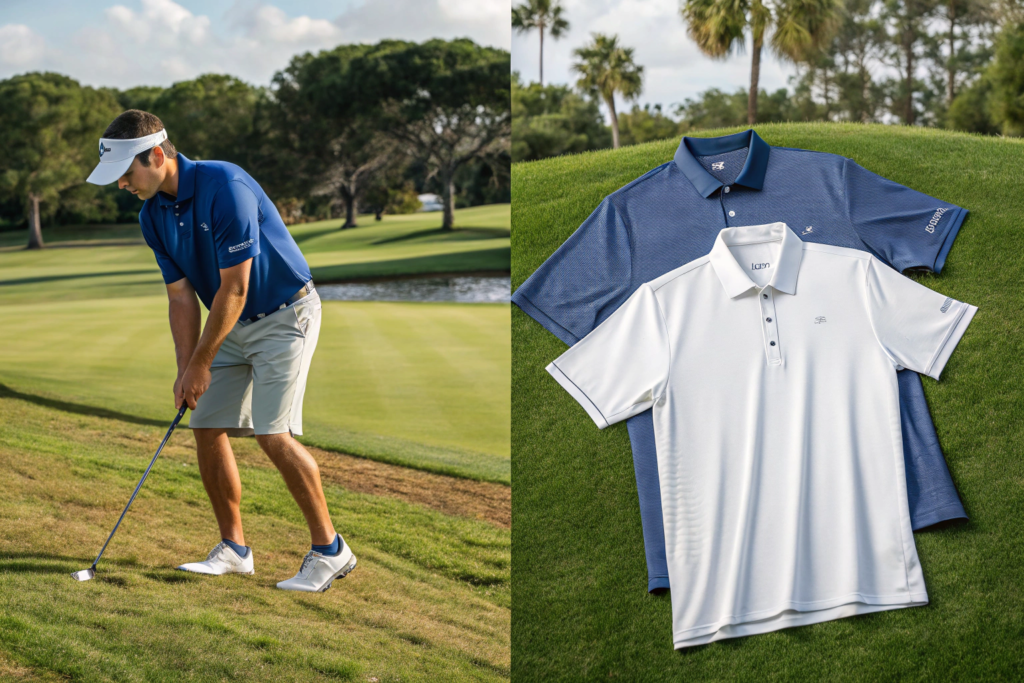
Can OEKO-TEX compliance impact a fabric's breathability (air permeability)?
Indirectly, yes. Some chemical softeners or durable press resins, if applied heavily to meet performance specs without regard for compliance, can leave a film on fibers that reduces breathability. OEKO-TEX restrictions on certain resin systems encourage mills to use more advanced, targeted cross-linking technologies that achieve wrinkle resistance with a lighter application, thereby preserving the fabric's inherent air permeability. This is crucial for thermal regulation, as stagnant air leads to overheating.
How does pH balance relate to thermal comfort?
The skin's natural acidic pH (around 5.5) is part of its microbial and barrier defense. Fabrics with highly alkaline residues from improper rinsing can neutralize this, potentially leading to irritation and microbial growth. When skin is irritated and sweaty, its perception of thermal discomfort (itch, heat) increases. OEKO-TEX's strict pH range for certified textiles ensures the fabric is skin-neutral, supporting the skin's natural state and allowing the wearer to focus on true thermal cues, not chemical irritation. This is foundational to physiological comfort.
Does Certification Influence Insulation and Heat Retention Technologies?
For cooler weather golf wear, insulation through lightweight fleeces, brushed backings, or thermal coatings is key. These technologies often involve chemical treatments or specialized fibers. OEKO-TEX ensures these thermal solutions are implemented safely.
Certification influences insulation technologies by restricting the use of certain flame retardants, biocides in anti-odor treatments for insulated layers, and harmful solvents in coating processes. This pushes innovation towards safer alternative materials and methods that provide warmth without health risks, often resulting in more environmentally stable and durable thermal performance. Safety drives quality.
We developed a thermal golf mid-layer with a brushed inner surface for loft and warmth. The client wanted an anti-odor treatment for the inner layer. A common, cost-effective biocide was off-limits under OEKO-TEX. We instead used a chitosan-based (derived from shellfish) treatment and incorporated silver ions within strict OEKO-TEX limits. The result was a safe, effective treatment that provided lasting freshness without compromising the softness or thermal loft of the brushed fabric, whereas the banned biocide could have stiffened the fibers over time.
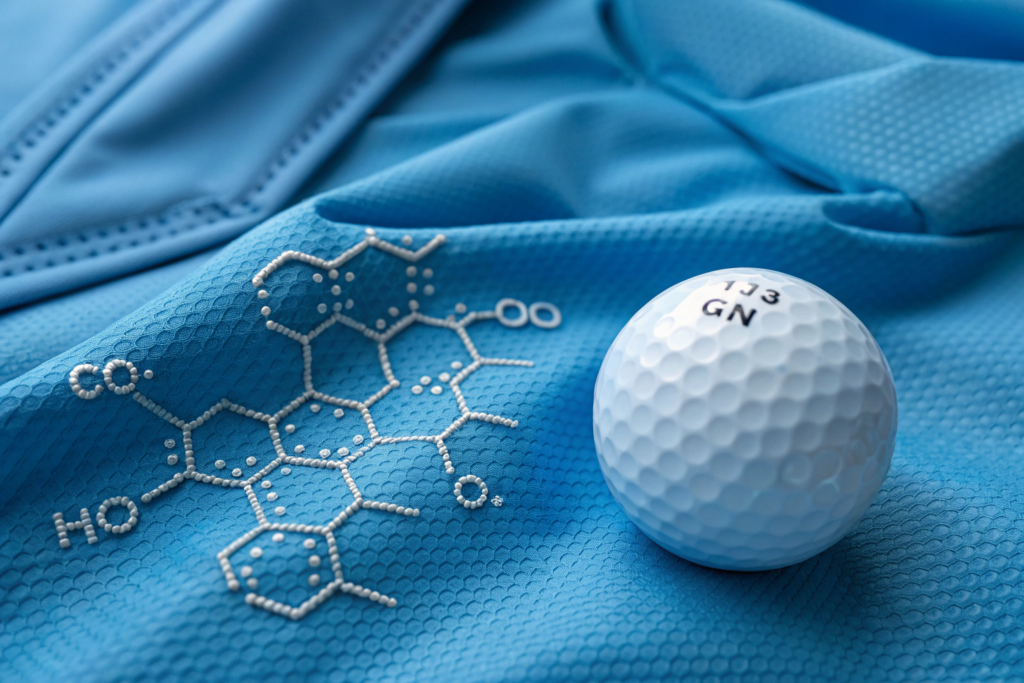
How are phase-change materials (PCMs) and thermal coatings affected?
PCM microcapsules or reflective coatings are embedded in or applied to fabrics. The chemicals used to create these microcapsules, their binders, and the coatings themselves are subject to OEKO-TEX testing. Certification ensures that these advanced materials do not leach potentially harmful substances as they undergo repeated thermal cycling (melting and solidifying). This is vital for both safety and the longevity of the thermal regulation effect. Working with a technical fabric manufacturer experienced in compliant advanced materials is essential.
What about the certification of recycled insulating materials?
Recycled polyester, often used in fleeces, is a sustainable choice. However, the recycling process can introduce chemical contaminants from post-consumer waste. OEKO-TEX certification for recycled content is especially rigorous, testing for substances that may have been present in the original products (e.g., from old dye lots or finishes). This provides critical assurance that the recycled insulation is not only warm but also chemically clean, addressing a major concern in the circular economy for textiles.
Can UV Protection Finishes Be Both Effective and OEKO-TEX Certified?
Sun protection is a critical thermal and health consideration for golfers. UV-blocking finishes, whether chemical absorbers or mineral-based, are common. Their certification is non-negotiable, as they are in direct, prolonged contact with skin under sunlight, which can increase chemical migration risk.
Yes, highly effective UV protection finishes can be fully OEKO-TEX certified. The standard bans certain UV absorbers known to be harmful and sets strict migration limits for others (like titanium dioxide or zinc oxide nanoparticles when used). This ensures the UV protection is stable, non-irritating, and won't wash out to expose the wearer or degrade into harmful byproducts under UV exposure. Effective protection must be safe protection.
For a line of golf sleeves and polos, we utilized a UV absorber that required a specific binder to adhere to synthetic fibers. The first binder formula caused the finish to fail the OEKO-TEX perspiration test due to plasticizer migration. We reformulated with a different polymeric binder that secured the UV absorber more firmly. The certified finish achieved a UPF 50+ rating and maintained it through over 50 home washes, proving that certification requirements can drive the development of more durable, high-performance treatments.
| Thermal Property | Common Chemical/Technology Used | OEKO-TEX's Influence & Result |
|---|---|---|
| Evaporative Cooling | Hydrophilic wicking finishes. | Bans APEOs & impurities, ensuring safe, durable performance and maintained breathability. |
| Heat Retention | Thermal coatings, PCMs, brushed finishes. | Restricts harmful solvents, biocides, and binders, promoting stable, non-toxic warmth. |
| Temperature Regulation | Phase-Change Materials (PCMs). | Tests for safe encapsulation and non-migration, ensuring lasting effect without health risks. |
| Sun Protection (Cooling Effect) | UV-absorbing or blocking finishes. | Bans certain absorbers, limits nanoparticle migration, ensuring safe, wash-fast protection. |
| Wind Resistance (Wind Chill) | Dense weaves, micro-porous membranes (e.g., PU). | Tests membrane laminates for amine residues and plasticizers, ensuring safe barrier integrity. |
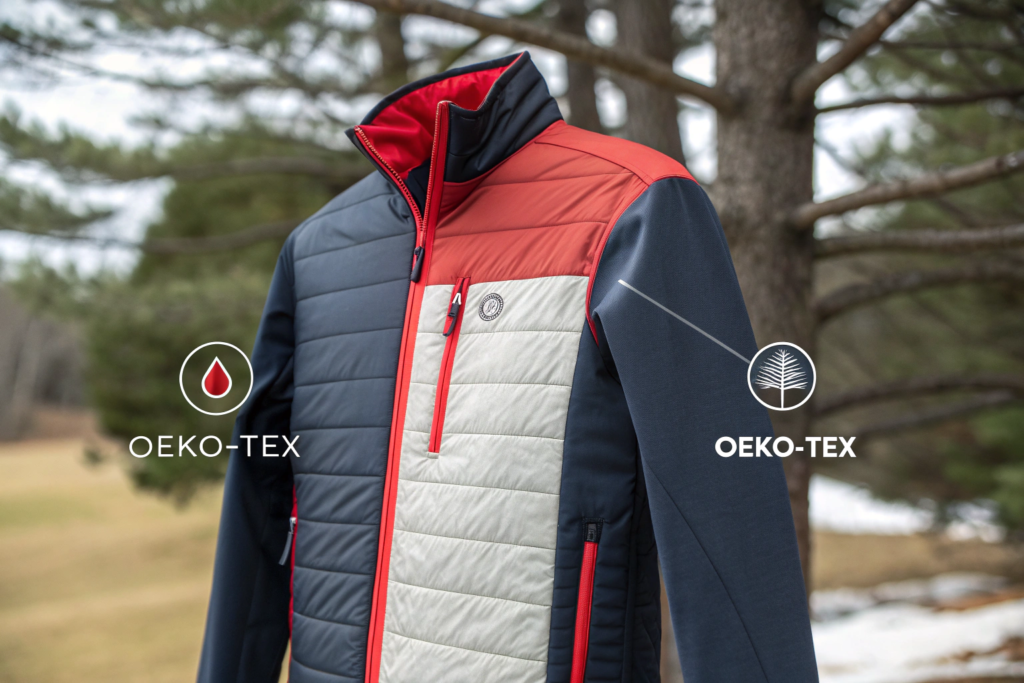
How does certification impact the durability of thermal properties?
OEKO-TEX's focus on chemical safety often aligns with chemical stability. Finishes and coatings that use compliant, purer raw materials tend to have better bonding to fibers and resistance to degradation from sweat, washing, and UV exposure. This means the thermal regulation feature—whether cooling, warming, or blocking UV—lasts the lifetime of the garment. Certification, in this way, is an indirect marker of quality and durability.
What is the role of fabric construction versus chemical treatment?
OEKO-TEX certification highlights this balance. A fabric can achieve good thermal properties through physical construction alone (e.g., a double-knit for insulation, a honeycomb weave for wicking) which involves fewer chemicals. Certification then becomes simpler. When chemical treatments are needed for enhanced performance, OEKO-TEX ensures they are safely integrated. This encourages smart design from the outset, leveraging textile engineering to minimize reliance on risky chemistry.
How Do Certified Materials Impact Layering Systems for Golf?
Golfers often use layering for thermal adaptability. The interaction between certified base layers, mid-layers, and outer shells is crucial for overall system performance and safety, as chemicals from one layer can transfer to another.
Certified materials in a layering system ensure compatibility and safety throughout the stack. They prevent the migration of restricted substances from an inner layer (e.g., dyes, softeners) through sweat to the skin, or from an outer layer's durable water repellent (DWR) to an inner layer. This maintains the intended thermal function and safety of each layer independently and as a system. Holistic certification is key.
We produced a three-piece golf layering system: a certified wicking base layer, an insulated mid-layer, and a windproof outer shell. During testing, we ensured not only that each component was certified, but also that the DWR from the outer shell did not contaminate the mid-layer's insulation during packed storage or wear. Using an OEKO-TEX approved fluorocarbon-free DWR was essential. This guaranteed the system worked together safely, providing adaptable warmth without cross-layer contamination risks.
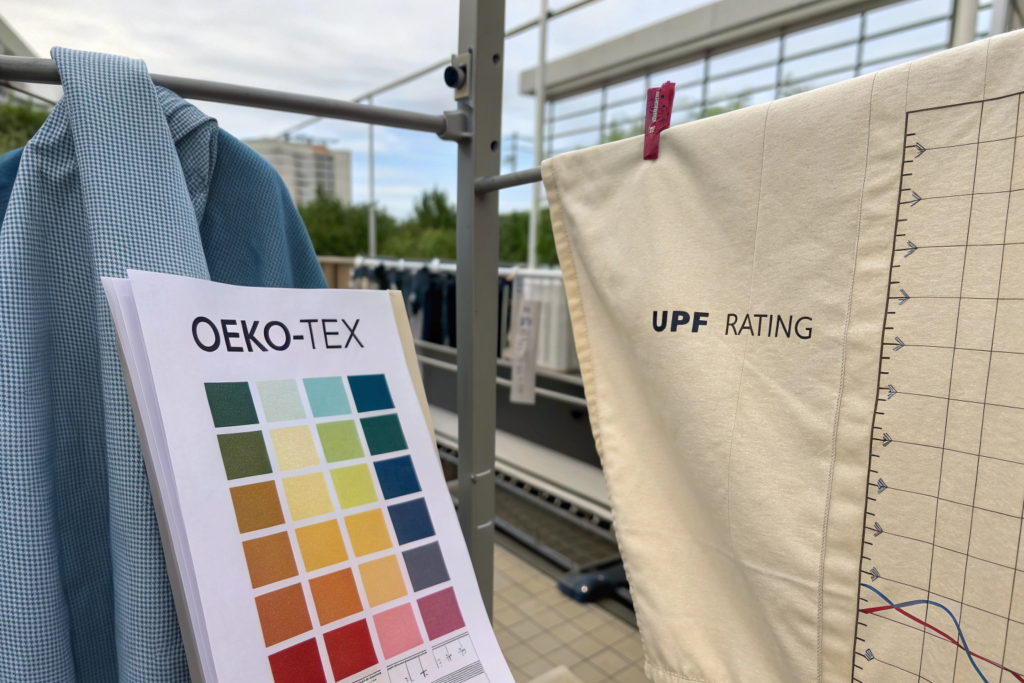
Why is odor control in base layers a thermal comfort issue?
Odor-causing bacteria thrive in warm, moist environments. An anti-odor treatment in a base layer keeps the garment fresher, but if it uses a restricted biocide like triclosan, it poses a health risk. OEKO-TEX-compliant odor control (e.g., using silver salts within strict limits or chitosan) safely manages microbes. This reduces the need to remove a layer due to smell, allowing the golfer to maintain their optimal thermal regulation throughout the round. It's a subtle but important aspect of sportswear functionality.
How does certification provide confidence for sensitive-skin golfers?
For golfers with eczema or sensitive skin, the thermal discomfort of irritation can be overwhelming. Knowing every layer of their clothing is OEKO-TEX certified provides immense psychological and physical comfort. They can layer up or down based purely on temperature, not fear of reaction. This expands a brand's market and builds deep trust. Partnering with a factory like Shanghai Fumao that can deliver certified consistency across an entire collection enables brands to serve this audience confidently.
Conclusion
OEKO-TEX certification exerts a profound, albeit indirect, influence on the thermal properties of golf wear. It does not invent new technologies but acts as a critical quality filter, ensuring that the chemical engines driving moisture-wicking, insulation, UV protection, and odor control are safe, stable, and non-irritating. This leads to thermal performance that is not only effective but also durable and trustworthy.
For brands, this means that specifying OEKO-TEX certification is a strategic decision for product integrity. It safeguards the sophisticated thermal engineering of your apparel, ensuring that the comfort promised by advanced fabrics is delivered safely and consistently, round after round, in every climate.
If you are engineering golf wear where thermal regulation and absolute safety are inseparable goals, you need a manufacturing partner who understands this chemistry at a fundamental level. At Shanghai Fumao, we integrate OEKO-TEX compliance into the very development of thermal fabrics, ensuring your garments perform flawlessly and responsibly. Let's develop your next high-comfort, certified collection. Contact Business Director Elaine: elaine@fumaoclothing.com.