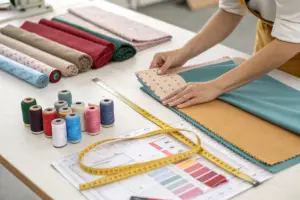
As a brand owner sourcing apparel from overseas, you know quality and safety are non-negotiable. But when your supplier sends over a stack of certificates, how can you be sure they truly meet the stringent standards your customers expect, especially for performance wear like golf apparel? I've seen too many brands get burned by vague promises and unverified paperwork, leading to costly recalls and damaged reputations.
To effectively benchmark your golf apparel supplier against OEKO-TEX standards, you must move beyond simply checking for a certificate. You need a proactive, three-part audit process that verifies material sourcing, examines in-factory testing protocols, and demands transparent, traceable documentation throughout the supply chain. Relying on a supplier's word is a major risk; true partnership requires evidence and shared accountability.
Many suppliers claim compliance, but the real test is in their daily operations and willingness to let you verify their claims. Let's break down the actionable steps you can take to ensure your supplier isn't just talking the talk but is walking the walk when it comes to consumer safety and environmental responsibility.
What Specific OEKO-TEX Certifications Matter for Golf Apparel?
Not all OEKO-TEX certifications are created equal, especially for the technical demands of golf wear. Golf apparel faces unique challenges: prolonged sun exposure, sweat, friction from the golf swing, and the need for stretch and moisture management. The chemicals used in dyes, finishes, and functional treatments must be safe under these conditions.
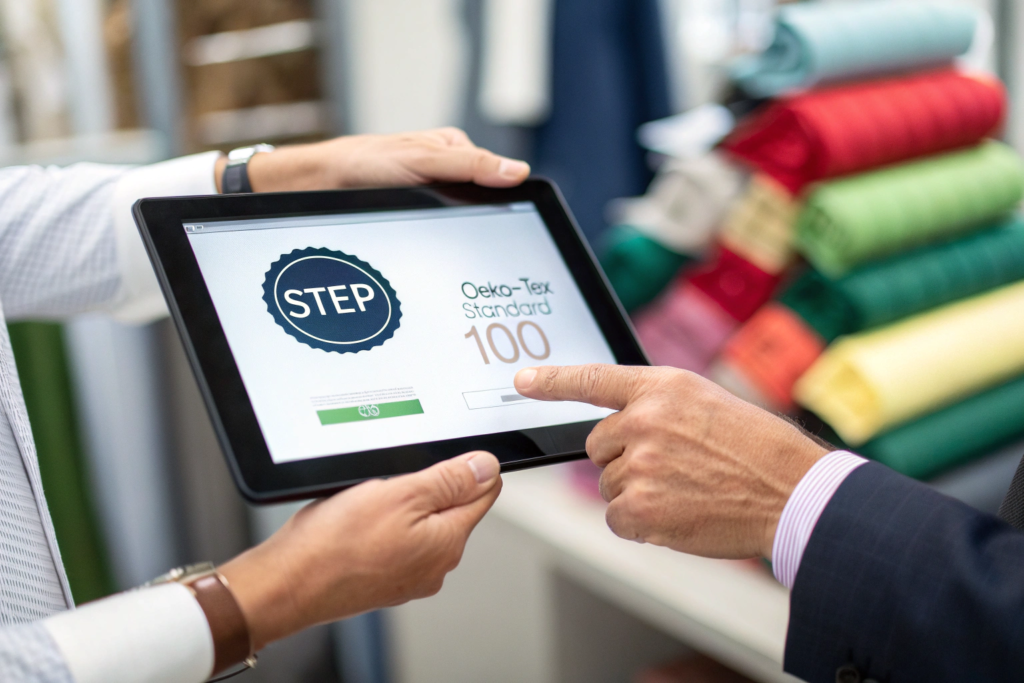
For golf apparel, the most critical OEKO-TEX certifications are STANDARD 100 and STeP. STANDARD 100 ensures every component, from thread to zipper, is free from harmful levels of regulated substances. STeP certifies the environmental and social responsibility of the manufacturing facility itself. A supplier holding both demonstrates a commitment to product safety and sustainable production practices.
A certificate alone is not a guarantee. Last year, a client sent us fabric from their previous supplier, which had a STANDARD 100 certificate. Our in-house test showed elevated pH levels, which can cause skin irritation during intense activity. The certificate was valid for an older batch, but the new production run had skipped a rinsing step to save cost. This is why real-time verification is key.
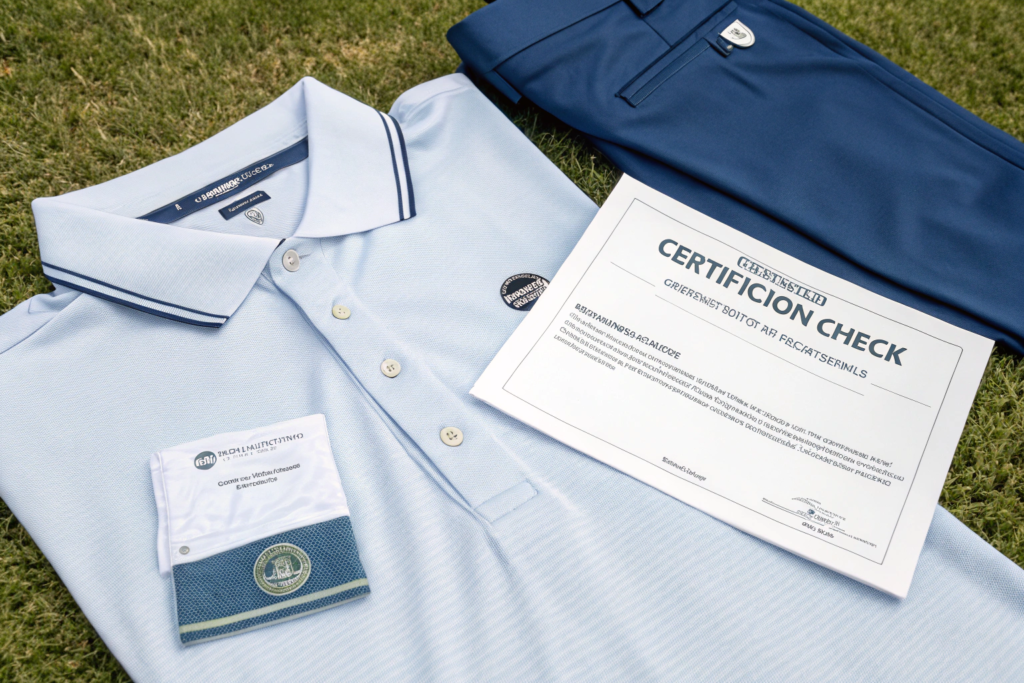
Why is OEKO-TEX STANDARD 100 non-negotiable for performance fabrics?
Golf shirts and pants often use synthetic blends or treated natural fibers for moisture-wicking, UV protection, and stretch. The chemical processes to achieve these functions are complex. The STANDARD 100 label tests for numerous substance groups, including pesticides, carcinogenic dyes, and heavy metals. For you, the brand owner, this mitigates the risk of products being flagged at customs or causing adverse consumer reactions. It's your first-line defense. You should request the specific test report, not just the certificate logo, and cross-reference it with the OEKO-TEX official substance list to understand what was tested.
How does OEKO-TEX STeP certification impact your brand's ESG goals?
Today's consumers and retailers increasingly evaluate brands on Environmental, Social, and Governance (ESG) criteria. The STeP certification audits a factory on six modules: environmental performance, chemical management, social responsibility, and more. When you partner with a STeP-certified manufacturer like Shanghai Fumao, you are not just buying a product; you are investing in a supply chain that aligns with modern values. This certification provides verifiable data on water and energy use, waste treatment, and worker safety—critical information for your own sustainability reporting. It moves the conversation from price to shared value. Learn more about sustainable manufacturing frameworks from the Sustainable Apparel Coalition.
How to Verify Your Supplier's OEKO-TEX Claims On-Site?
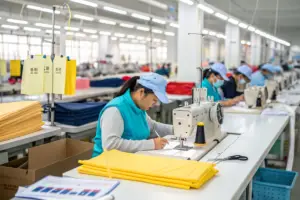
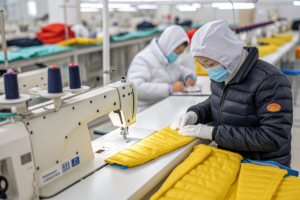
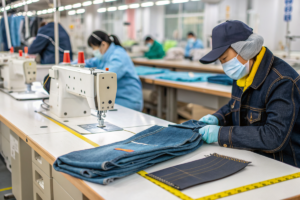
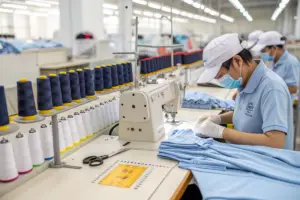
Paperwork can be fabricated, but on-site practices are harder to fake. An effective benchmark includes a planned visit or a virtual audit to see the implementation of standards. Your goal is to connect the certificate to tangible processes on the factory floor.
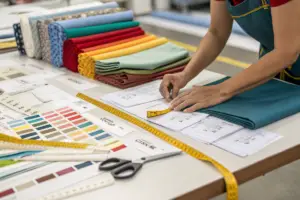
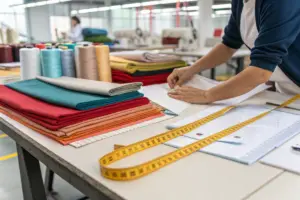
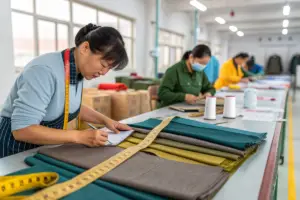
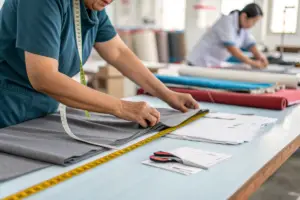
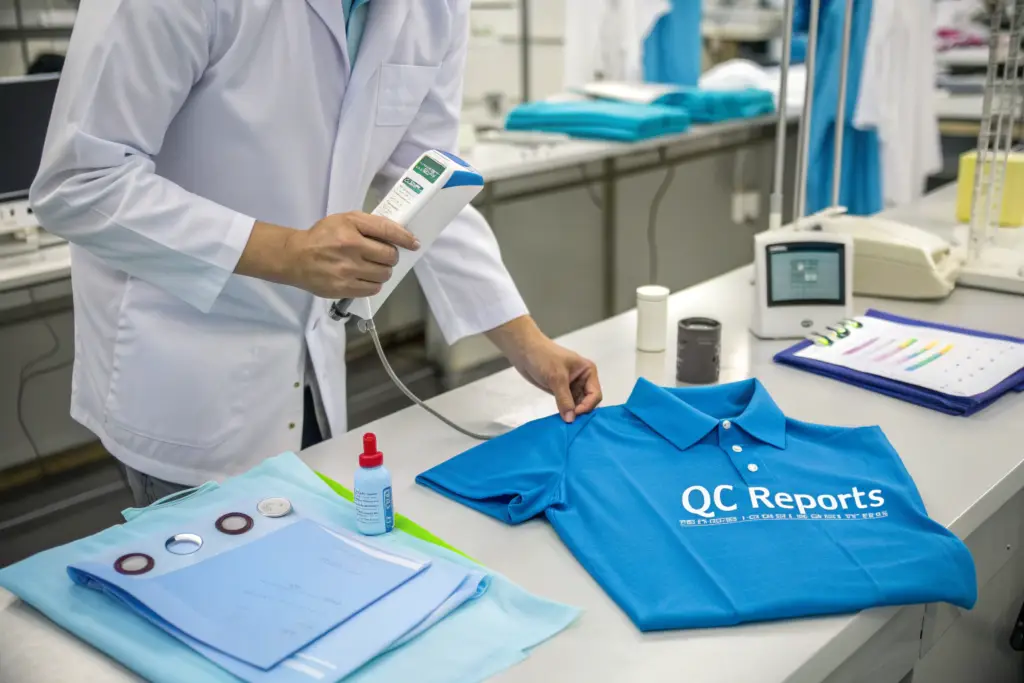
Verification requires a structured audit of the supplier's quality control (QC) labs, chemical inventory management, and production line procedures. You need to see if testing is integrated into their workflow or treated as a separate, last-minute hurdle. A supplier confident in their compliance will welcome this scrutiny.
We once hosted a potential client who was hesitant after a bad experience with delayed shipments. Instead of just talking, we walked them through our QC lab. We showed them how every inbound fabric lot is tested for pH and formaldehyde before it even enters the cutting room. We showed them the locked chemical storage with clear labeling and Material Safety Data Sheets (MSDS) for every substance. This transparency turned their skepticism into a long-term partnership because they saw the system, not just the result.
What key areas of the factory should you inspect?
Focus your audit on three critical zones:
- Incoming Material Inspection: Ask to see test reports for recent fabric and accessory arrivals. Are they using accredited third-party labs or only in-house testing? A robust system uses both.
- Chemical Storage and Mixing Areas: This is the heart of compliance. Check for organization, labeling, and worker safety gear. Ask how they track chemical usage per batch.
- Production Line Checkpoints: Observe if there are quality checks at major stages (cutting, sewing, washing/pressing, finishing). Are there clear work instructions that reference compliance parameters?
A helpful checklist might look like this:
| Audit Point | What to Look For | Red Flag |
|---|---|---|
| Certificate Validity | Current, official OEKO-TEX document with correct company name and product scope. | Expired certificate, blurry copied document. |
| Lab Equipment | Calibrated pH meters, testing equipment for colorfastness, and access to a third-party lab. | Outdated, broken, or unused equipment. |
| Chemical Management | Centralized, locked storage with inventory logs and SDS sheets available. | Unlabeled containers, chemicals stored near food or fabrics. |
What questions should you ask the production manager?
Prepare technical questions. Ask: "What is your procedure if an inbound fabric fails the initial pH test?" or "How do you ensure the dyeing recipe for this golf polo complies with the banned amine list?" Their answers will reveal if compliance is a cultural priority or just a marketing checkbox. Furthermore, inquire about their relationship with their testing laboratory to understand the chain of custody for samples.
Can a Supplier Guarantee DDP Shipping with OEKO-TEX Certified Goods?
Logistics is where many compliant projects stumble. You've verified the production, but how do you ensure the certified goods reach your warehouse without issues? Delays and customs hassles can erase all your careful sourcing work. A supplier's capability in handling certified goods through complex logistics is a major part of the benchmark.
A truly capable supplier integrates compliance into their logistics planning. They understand that shipping OEKO-TEX certified goods, especially under Delivered Duty Paid (DDP) terms, requires precise documentation and expert freight forwarding. The guarantee comes from their systems, not just a promise.
For instance, we operate on a DDP model for most of our U.S. clients. When we ship a container of OEKO-TEX certified golf polos, our logistics team prepares a dedicated "compliance packet." This includes the original test certificates, a detailed commercial invoice specifying the certification, and pre-coordination with our freight forwarder on HS code classification. This proactive approach prevented a customs hold for a client last season, ensuring their collection launched on time. It’s about managing the entire chain.
What logistics documentation is essential for smooth customs clearance?
The certificate must travel with the shipment—both physically and in electronic data interchange (EDI). Key documents include:
- The OEKO-TEX certificate (copy attached to shipping documents, original available).
- A packing list that correlates each carton to certified style numbers.
- A declaration of conformity from the supplier.
Having these documents organized and readily available speeds up customs clearance procedures significantly. Your supplier should explain this process to you clearly.
How does DDP shipping reduce your risks with certified products?
Under DDP terms, the supplier is responsible for all costs and risks until the goods are delivered to your designated address. This means if customs questions the certification or imposes extra checks, it is the supplier's responsibility to resolve it, on their time and dime. This aligns incentives perfectly. The supplier is motivated to get every detail right because they bear the cost of failure. It transforms their claim of quality from a sales pitch into a contractual obligation. For brands, this is a safer way to import. Understanding Incoterms 2020 rules is crucial for any importer.
What Are the Red Flags of a Falsified OEKO-TEX Certificate?
Unfortunately, certificate falsification happens. As a buyer, you must know how to spot inconsistencies. Protecting your brand from the liability of selling non-compliant goods starts with diligent verification before production begins.
Major red flags include certificates with mismatched company details, the absence of a unique license number, and a supplier's reluctance to provide supporting test reports or allow audits. Trust your instincts—if something seems too easy or too cheap, it probably is.
A client came to us after a terrible experience. Their previous supplier provided an OEKO-TEX certificate for golf shorts. However, when the retailer asked for the supporting report, the supplier delayed and made excuses. The client grew suspicious and asked us to investigate. We found the license number on the certificate was registered to a completely different company producing bedding, not apparel. The client had to cancel the order and start over, missing their key selling season. This is a painful but common lesson.
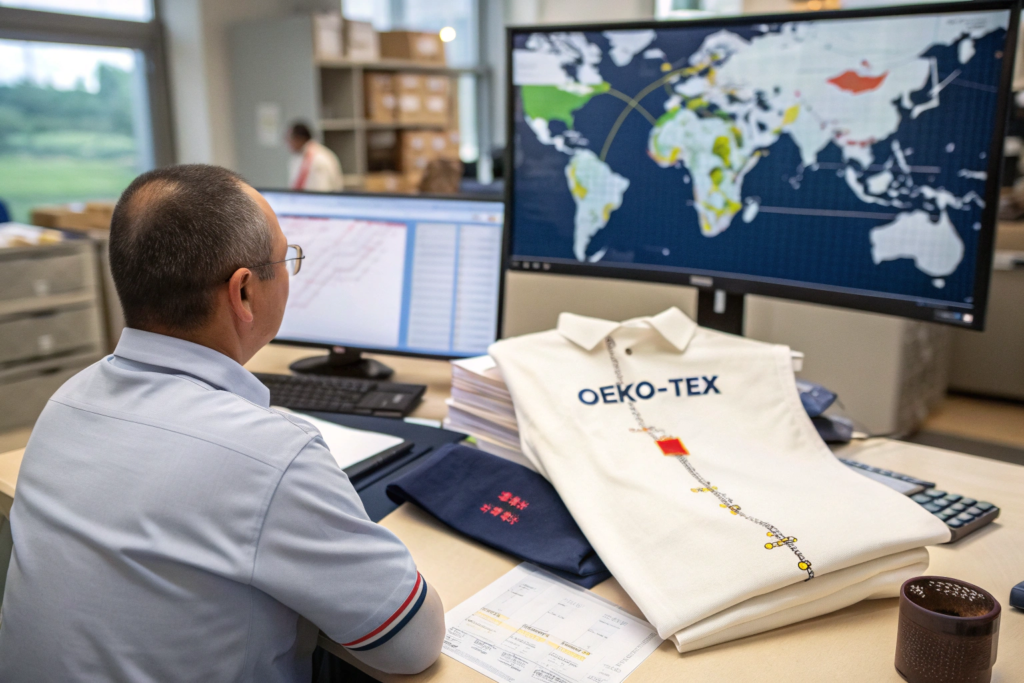
How to cross-check an OEKO-TEX certificate online?
Every genuine OEKO-TEX certificate has a unique number. You must go to the official OEKO-TEX certification database and enter this number. This free public check will confirm:
- The certified company's exact name and address.
- The product category and scope (e.g., "knitted shirts, Class II").
- The issue and expiry dates.
- The issuing institute.
If any detail on your supplier's document doesn't match the database 100%, it is a serious warning sign. Do not proceed.
What internal controls should a reliable supplier have?
A trustworthy supplier like Shanghai Fumao has internal controls that prevent fraud. Ask them: "Who in your organization is responsible for managing and renewing certifications?" and "How do you ensure that only certified materials are ordered for certified production runs?" Their answers should describe a system with checks and balances, perhaps involving the purchasing, QC, and compliance departments. This systemic approach is more reliable than relying on a single person. It shows that responsibility for supply chain transparency is ingrained in their operations. Our commitment to verifiable processes is what makes us a reliable garment manufacturer.
Conclusion
Benchmarking your golf apparel supplier against OEKO-TEX standards is not a one-time checkbox exercise. It is an ongoing process of due diligence, built on verifying certifications, auditing on-site practices, securing compliant logistics, and vigilantly checking for authenticity. This rigorous approach protects your brand, satisfies your retailers, and, most importantly, earns the trust of the end consumer who wears your product on the green.
The goal is to move from a transactional buyer-supplier relationship to a strategic partnership where quality and safety are shared values. It transforms compliance from a cost center into a competitive advantage for your brand. When you know your supply chain is transparent and accountable, you can focus on what you do best: building your brand and connecting with your customers.
If you are looking for a partner that embodies this principle-first approach, where OEKO-TEX compliance is woven into every step from fabric sourcing to DDP delivery, let's talk. At Shanghai Fumao, we believe our commitment to verifiable quality and reliability is what makes us the true manufacturing extension for ambitious brands. Contact our Business Director Elaine today to discuss how we can help you produce your next golf apparel collection with confidence. Reach her at: elaine@fumaoclothing.com.