You have the OEKO-TEX certificate for your latest apparel line. It says your products are safe. But do you know they are safe? Can you trace that safety back to the specific roll of fabric, the batch of dye, or the factory floor where it was cut? In today's market, a certificate alone is just a piece of paper. The real value—and the real insurance for your brand—lies in the transparent process behind it.
Transparency is the critical bridge between holding a certificate and having genuine confidence in your product's safety and integrity. It transforms a static document into a dynamic, verifiable chain of custody that prevents fraud, enables rapid problem-solving, and builds unshakable trust with both retailers and end-consumers. Without it, you are operating on blind faith.
As a manufacturer, I've seen brands suffer when this bridge collapses. A certificate was falsified, a material was swapped without notice, and the brand faced recalls. Transparency is not just a buzzword; it's the operational backbone of risk management in certified manufacturing. Let's explore why it's non-negotiable.
How Does Transparency Prevent Fraud and Ensure Authenticity?
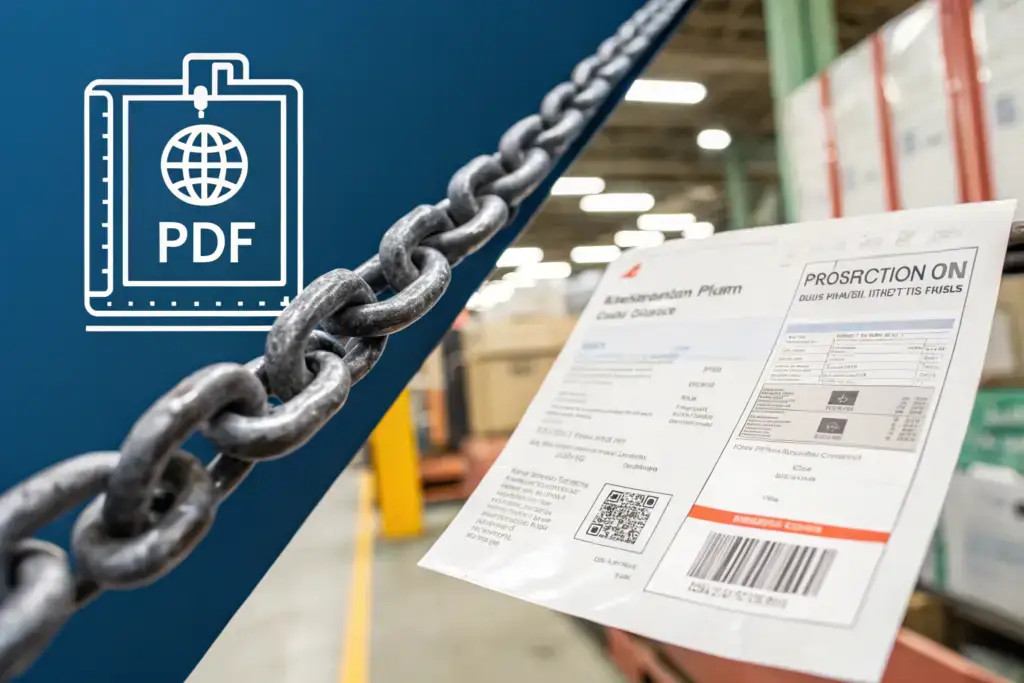
The painful truth is that the market for counterfeit certificates exists. Relying solely on a PDF from your supplier is a profound vulnerability. Transparency acts as a verifiable audit trail that makes fraud virtually impossible.
A transparent process provides multiple, cross-checkable points of proof that the certified product you receive is exactly the product that was tested. This moves you from trusting a document to verifying a system. We once audited a potential subcontractor for a client. They presented a valid OEKO-TEX certificate. However, when we asked to see the corresponding lab test report and the material purchase records linked to that certificate number, the story fell apart. The documents didn't match. This level of scrutiny, fueled by a demand for transparency, exposed the risk before any money changed hands.

What Does a Transparent Chain of Custody Look Like?
It's a documented journey. For a single garment, true transparency should allow you to access:
- Fabric Mill Certificate: The OEKO-TEX certificate for the specific fabric article, from the mill.
- Material Test Reports: In-house or third-party pre-test data on the actual fabric lot received.
- Trim & Component Documentation: Safety data sheets or compliance declarations for zippers, buttons, prints.
- Production Batch Records: Which fabric roll was used for which production run.
- Official Lab Sample Log: Evidence of how and when the final production sample was taken and sent to the accredited lab.
When a manufacturer like Shanghai Fumao can provide this dossier upon request, it demonstrates a commitment to integrity that goes far beyond the baseline.
How Does This Directly Combat Greenwashing?
"Greenwashing" thrives on opacity—making a claim without providing the evidence. Transparency is its antidote. By openly sharing the data and processes behind the OEKO-TEX label, you move from making a claim to telling a provable story. This is increasingly demanded by both consumers and regulations like the FTC Green Guides in the U.S., which warn against making unsubstantiated environmental marketing claims. A transparent supply chain provides the substantiation.
How Does Transparency Speed Up Problem-Solving and R&D?
When a quality or compliance issue arises, an opaque supply chain means a slow, painful detective game. A transparent one means you can immediately pinpoint the root cause and fix it.
Transparency provides immediate access to data, turning days of forensic investigation into hours of targeted action. Last season, a client reported a slight color bleed in a certified cotton jersey during their own wash test. Because our system logs dye lot numbers against fabric roll numbers, which are linked to the mill's test reports, we traced it to a specific dye batch from the mill in 48 hours. We then shared the relevant colorfastness test sections from the full OEKO-TEX report with the mill to resolve the issue. Without transparency, this would have been a blame-shifting nightmare lasting weeks.

What Role Does Digital Documentation Play?
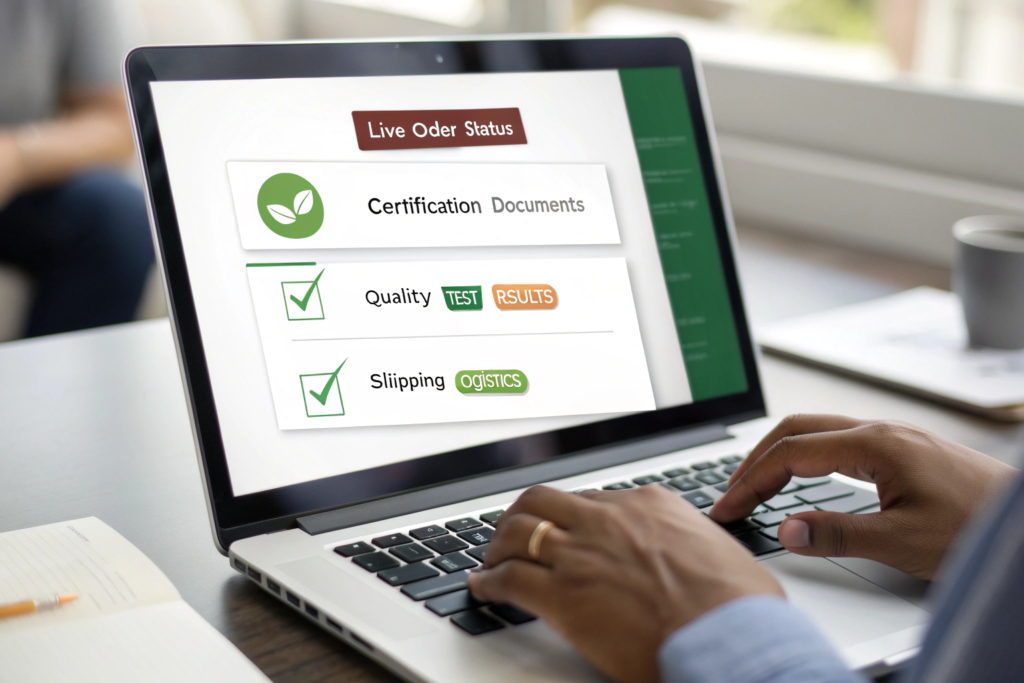
Physical files are lost. Shared drive folders are messy. The solution is a centralized, digital platform where all compliance documents are uploaded and linked to purchase orders and style codes. Forward-thinking manufacturers are adopting this. It allows for instant retrieval. Imagine a scenario where a retailer asks for proof of certification for a specific style, color, and size. With a digital system, you can generate a package with the certificate, test report summary, and material traceability log in minutes, not days. This agility is a competitive advantage.
How Does This Benefit New Product Development?
Transparency creates a knowledge base. When you know exactly which materials and component suppliers consistently pass rigorous OEKO-TEX Standard 100 tests, you can use them as a trusted library for future designs. This dramatically shortens the material sourcing and qualification phase for new collections. It turns the complex task of building a safe product into a simpler process of selecting from pre-validated options, accelerating your time-to-market.
Why is Transparency Fundamental for Building Brand and Consumer Trust?
Trust is the most valuable currency a brand owns. In an era of skepticism, consumers and B2B buyers don't just take your word for it; they want proof. Transparency is the language of proof.
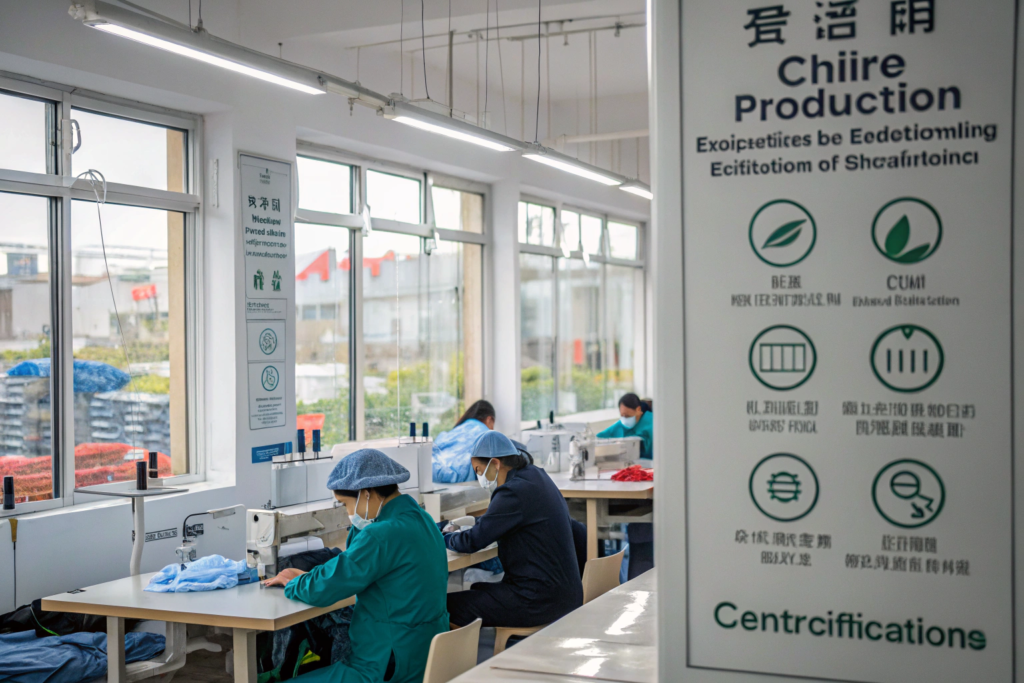
Providing a transparent view into your manufacturing and certification process does more than verify safety; it humanizes your brand, showcases your ethics, and invites customers into your story. A 2023 survey by the Fashion Revolution network consistently showed that over 70% of consumers want brands to disclose their manufacturing partners. Sharing your journey with a transparent, certified factory directly addresses this demand.
How Can You Communicate This Transparency to Consumers?
The "Made in Green" label by OEKO-TEX is a powerful tool here, as it includes a unique QR code. Consumers can scan this code to see the production facilities where the product was made, adding a layer of traceability. Beyond the label, brands can use their website or hangtags to tell the story. For example: "This garment is OEKO-TEX certified. Scan here to learn about our manufacturing partner's commitment to safety and transparency." This directs trust not just to your brand, but to the robust system behind it.
How Does This Affect B2B Relationships (with Retailers & Distributors)?
Major retailers and distributors are under their own pressure to ensure supply chain due diligence. They will conduct audits. Walking into a negotiation with a fully transparent dossier from your manufacturer—audit reports, certification details, social compliance records—immediately positions you as a low-risk, professional partner. It turns a costly and stressful audit process into a confident verification. This is why we prepare such dossiers as a standard service for our clients at Shanghai Fumao, knowing it empowers them in their own sales channels.
What Practical Steps Ensure a Transparent Partnership?
Transparency must be contractually agreed upon and operationally executed. It cannot be vague. It requires specific tools and commitments from your manufacturing partner.
Demand and contract for three things: Digital Document Access, The Right to Audit, and Integrated Production Tracking. During our initial calls with new brands, we walk them through our client portal where they can see this live. We show them how a style code is linked to all its compliance data. This tangible demonstration is more convincing than any promise.
What Should a Transparency Clause in Your Contract Include?
Your manufacturing agreement should explicitly state:
- Documentation Access: The supplier will provide, upon request, all relevant test reports, material certificates, and mill invoices for the purchased goods.
- Right to Audit: The brand or a third-party representative has the right to audit the factory and its sub-suppliers for compliance with stated certifications, with reasonable notice.
- Chain of Custody: The supplier will maintain and provide production records that link finished goods to specific batches of certified materials.
A supplier hesitant to agree to these terms is a major red flag.
How Can Technology Like Blockchain Be Used?
For the ultimate in transparency, blockchain technology is emerging. It creates an immutable, digital ledger where every step (fabric certification, cutting, sewing, final inspection) is recorded and cannot be altered. While not yet mainstream, asking your supplier about their investment in such traceability technologies is a way to gauge their long-term commitment to transparency. It represents the future of verifiable apparel manufacturing.
Conclusion
In OEKO-TEX certified manufacturing, transparency is not an optional extra; it is the very foundation of trust, efficiency, and risk management. It turns a certification from a marketing asset into a defensible, operational reality. It prevents fraud, accelerates development, and builds deeper loyalty with both B2B partners and end consumers. In a world where claims are cheap, transparent proof is priceless.
Choosing a manufacturing partner who champions transparency is choosing a partner who protects your brand as if it were their own. It is the difference between hoping your products are safe and knowing exactly how that safety is assured at every step. If you value this level of clarity and confidence for your brand, let's connect. To see our transparent process in action, contact our Business Director Elaine at elaine@fumaoclothing.com for a detailed presentation.