The world of golf fabric technology is in a state of rapid evolution. From bio-based polymers and phase-change materials to smart textiles with embedded sensors, the materials that define performance on the course are becoming increasingly sophisticated. For brands and manufacturers, a critical question emerges: Does the OEKO-TEX Standard 100, a benchmark for chemical safety, remain relevant and agile enough to assess these advanced materials? Or does it risk becoming a framework for the past, unable to keep pace with the future of fabric innovation?
Absolutely, OEKO-TEX certification is actively and systematically adapting to new golf fabric technologies. Through its annual revision of test criteria, collaborative research initiatives, and the creation of specialized testing modules for novel substances, the OEKO-TEX system is designed to evolve alongside material science, ensuring its relevance as a trusted safety standard for next-generation performance wear. It is a living standard, not a static rulebook.
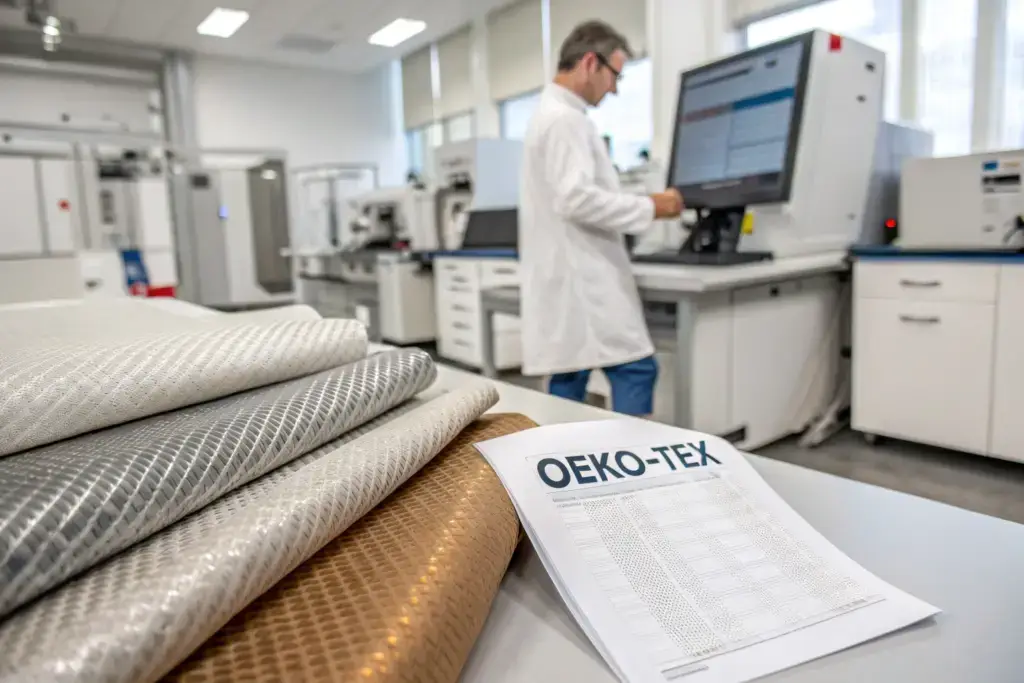
At Shanghai Fumao, our role as a development partner places us at this intersection. Last year, we worked with a tech-forward brand on a golf shirt incorporating a new graphene-enhanced fabric for thermal regulation. The challenge wasn't the base polyester; it was the novel graphene dispersion and binding agents. By engaging in a pre-submission dialogue with the OEKO-TEX testing institute, we were able to define a tailored testing protocol that assessed the unique chemical profile of the graphene additive, leading to a successful certification. This process demonstrated the system's capacity for adaptation, but it also highlighted the need for proactive collaboration between brands, manufacturers, and certifiers.
How Does the OEKO-TEX System Formally Update Its Standards?
The adaptability of OEKO-TEX is institutionalized through a rigorous, transparent, and annual review process. This ensures the standard reflects the latest scientific research, regulatory changes, and market developments.
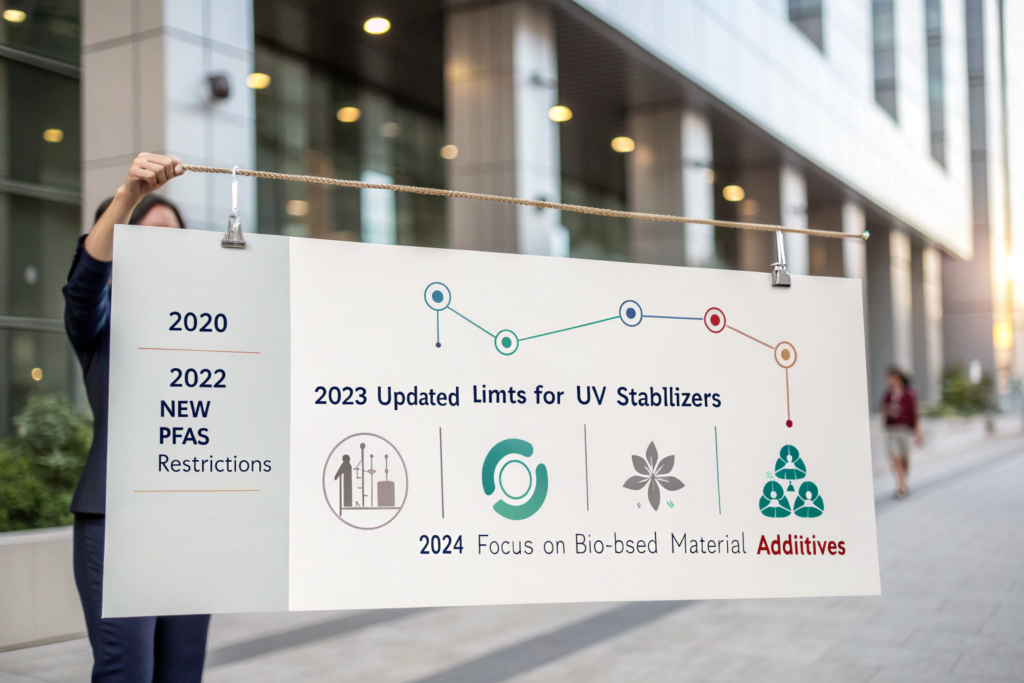
The OEKO-TEX system updates its standards through a mandatory annual revision cycle conducted by its international panel of scientific and toxicological experts, who incorporate new findings on harmful substances and adjust limit values and test methods accordingly. This process is both reactive and proactive.
What Triggers the Inclusion of New Test Parameters?
New test parameters are added primarily in response to two drivers:
- Scientific & Regulatory Shifts: When new research identifies a substance as potentially harmful, or when regulations like EU REACH or US state laws restrict a chemical, OEKO-TEX committees evaluate it for inclusion. For example, the increasing scrutiny of per- and polyfluoroalkyl substances (PFAS), used in some durable water repellent (DWR) treatments, has led OEKO-TEX to tighten its limits for these "forever chemicals" ahead of some legal mandates.
- Market Innovation: As new classes of performance chemicals, nano-materials, or bio-engineered fibers enter the market, OEKO-TEX institutes conduct their own research to understand their chemical composition and potential health impacts, developing appropriate test methods.
This means a new graphene coating or a bio-synthetic dye introduced today will be assessed under the existing framework for known hazardous groups, and may soon have its own specific test criteria as its use becomes widespread.
How Are Brands and Manufacturers Notified of Changes?
OEKO-TEX publishes detailed updates annually, typically effective from April of each year. Reputable manufacturers like Shanghai Fumao treat these updates as critical operational directives. Our quality assurance and sourcing teams are trained on the new requirements months in advance. We proactively audit our material library and supplier certifications to ensure ongoing compliance, preventing any disruption to our clients' production timelines. This forward-facing management is a core part of the value we provide, transforming a complex compliance burden into a managed service for our brand partners.
Can Truly Novel Materials Like Smart Textiles Be Certified?
The advent of "smart" golf wear—with integrated conductive fibers for heating, biometric sensing, or LED lighting—presents the ultimate test for a chemical safety standard. These products are, in essence, wearable electronics.
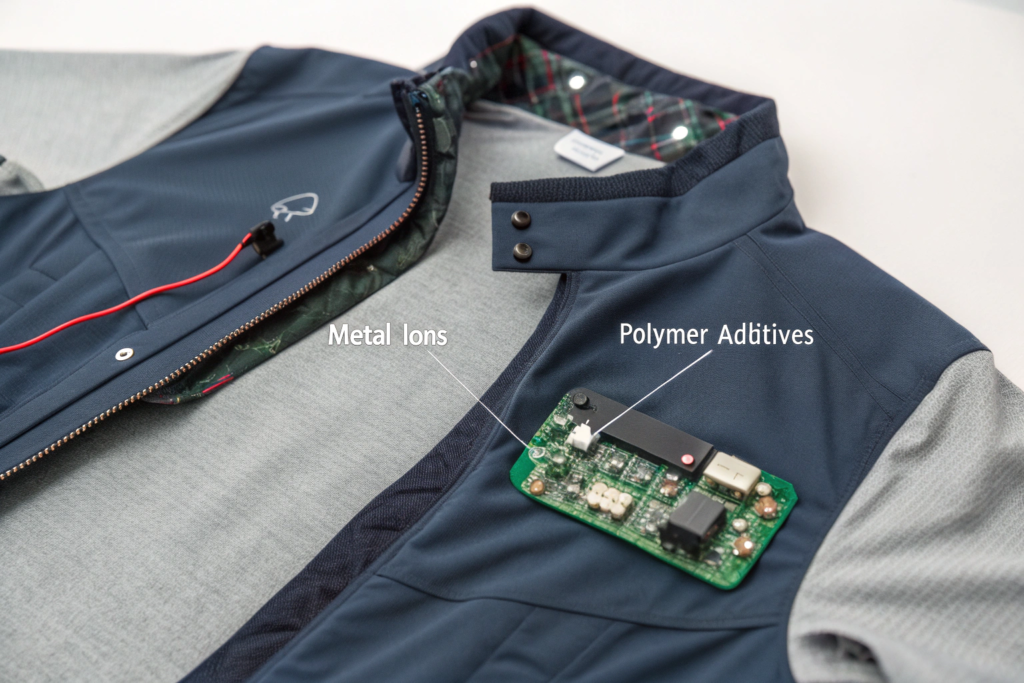
Yes, novel smart textiles can be OEKO-TEX certified, but the pathway is more complex, requiring a component-by-component analysis that extends beyond traditional textile chemistry to assess electrical safety, heavy metal content in electronics, and the stability of embedded polymers. The standard's modular approach makes this possible.
| Smart Textile Component | OEKO-TEX Certification Focus | Practical Challenge for Brands |
|---|---|---|
| Conductive Silver/Yarn | Heavy metal content (silver, nickel), skin contact safety, leaching potential. | Sourcing pre-certified conductive materials is extremely limited. |
| Encapsulated Phase-Change Materials | Chemical composition of the microcapsules, their durability, and release risks. | Requires deep transparency from the niche material supplier. |
| Biometric Sensor Modules | Testing of all plastics, adhesives, and metals in the module as per standard. | The module may need separate electrical safety certification (e.g., CE, FCC). |
| Binding/Encapsulating Polymers | Full chemical breakdown of adhesives and coatings for restricted substances. | Often the most chemically complex part of the assembly. |
What is the Process for Certifying an Integrated Smart Garment?
The process is a partnership in due diligence:
- Disassembly & Disclosure: The brand/manufacturer must provide a complete bill of materials for every physical component in the garment, including those inside sealed electronic units, to the testing institute.
- Extended Testing Protocol: OEKO-TEX will apply all relevant textile tests and may employ additional analytical methods (like SEM-EDS for material composition) to assess novel substances.
- Risk Assessment: The institute's toxicologists evaluate the exposure risk based on the garment's intended use (skin contact, proximity to body, etc.).
A project we consulted on involved a heated golf vest. Certification was achieved, but it required the Korean electronics supplier to fully disclose the chemical makeup of their polymer battery casing and the conductive ink—a level of transparency they were initially reluctant to provide. This underscores that certification of cutting-edge tech often depends on supply chain openness.
Does This Create a Barrier to Innovation?
It creates a gate for responsible innovation. The process ensures that a groundbreaking product is not only functionally impressive but also safe for long-term wear. While it adds time and cost to development, it ultimately protects the brand from liability and builds consumer trust in a category rife with skepticism. For early adopters of smart golf wear, having an OEKO-TEX certificate could be the key differentiator that assures cautious consumers.
How Are Bio-Based and Recycled Material Innovations Handled?
The sustainability wave in golf fashion is powered by materials like PLA (polylactic acid from corn), algae-based foams, and high-content recycled polyesters. These materials come with their own unique chemical profiles from their production processes.
OEKO-TEX handles bio-based and recycled materials by applying the same stringent chemical safety criteria, with particular attention to the novel catalysts, solvents, and processing aids used in their manufacture, and by managing the risk of contaminant carry-over in recycled content. The standard is agnostic to the material's origin, focusing solely on its final chemical safety.
What Are the Specific Certification Challenges for Recycled Content?
The primary challenge for GRS (Global Recycled Standard)-certified recycled polyester or nylon is not the polymer itself, but the "chemical history" of the feedstock. OEKO-TEX testing must account for potential contaminants that may have been present in the original post-consumer waste (e.g., old bottles, fishing nets) and survived the recycling process. This makes the choice of recycling partner crucial. We guide our clients toward recyclers whose processes include advanced purification steps and who can provide their own material safety data sheets, forming a stronger case for OEKO-TEX compliance.
Are Bio-Based Materials Easier or Harder to Certify?
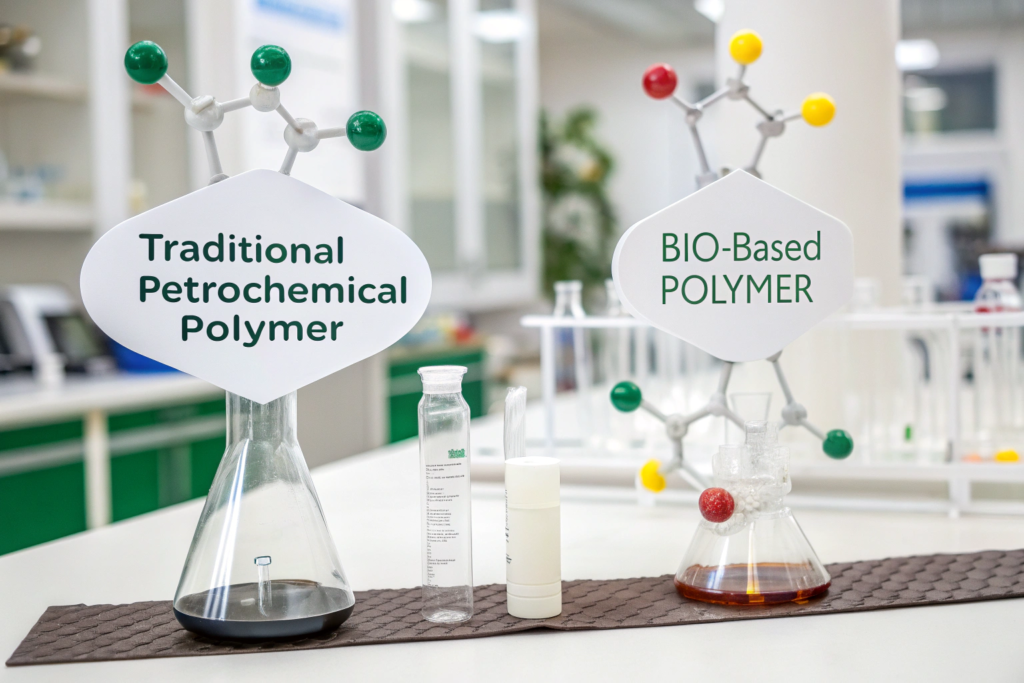
It's a mix. Materials like organic cotton, if processed with certified dyes and auxiliaries, are straightforward. Novel bio-polymers can be more complex. For instance, the process of turning corn into PLA often uses metal-based catalysts. OEKO-TEX testing will rigorously screen for residues of these metals. The advantage is that because these are new production pathways, they can be designed with "green chemistry" principles from the start, often avoiding the legacy harmful substances found in some traditional petrochemical processes. For a brand committed to innovation, this means partnering with a manufacturer like Shanghai Fumao that has the R&D connections to source these next-generation, inherently safer materials.
Conclusion
OEKO-TEX certification is not trailing behind fabric innovation; it is evolving in concert with it. Its strength lies in a scientifically robust and regularly updated framework that can deconstruct and evaluate both the chemistry of a century-old natural fiber and that of a lab-grown smart textile. For golf brands pushing the boundaries of performance and sustainability, this adaptive relevance is invaluable. It provides a consistent, trusted safety benchmark in a landscape of constant change, ensuring that technological advancement never comes at the cost of human health.
Navigating this evolving landscape requires a manufacturing partner with both technical expertise in certification and a proactive network in advanced material sourcing. If you are pioneering the next generation of golf apparel technology and seek a partner to ensure it meets the highest standards of safety and credibility, let's build the future responsibly. Contact our Business Director Elaine at Shanghai Fumao to begin. Reach her at elaine@fumaoclothing.com.