The modern golf course is more than a sporting venue; it's a showcase of style, wellness, and environmental consciousness. As golfers' expectations evolve, so do the demands placed on apparel brands. Increasingly, the OEKO-TEX Standard 100 certification is shifting from a niche differentiator to a core expectation in premium golf collections. But what specific market forces are accelerating this adoption? Understanding these trends is crucial for any brand looking to lead, not just follow.
The key trends driving OEKO-TEX adoption in golf fashion are the rising consumer demand for verified wellness and safety, the integration of golfwear into everyday athleisure wardrobes, stringent retail compliance mandates, and the sport's intrinsic connection to environmental stewardship, which makes sustainability claims a powerful marketing tool. This confluence of factors makes certification a strategic imperative, not just a compliance checkbox.
At Shanghai Fumao, our development conversations with US and European brands have fundamentally shifted. Two years ago, OEKO-TEX was an occasional request; today, it's a starting point for over 60% of new golf apparel projects. For example, a brand targeting premium country club shops recently relaunched their entire core polo line with us, making OEKO-TEX certification the central campaign message. The result was a 15% increase in wholesale order volume from retailers who cited the certification as a key factor in their buying decision.
How Is the "Athleisure" Fusion Influencing Material Standards?
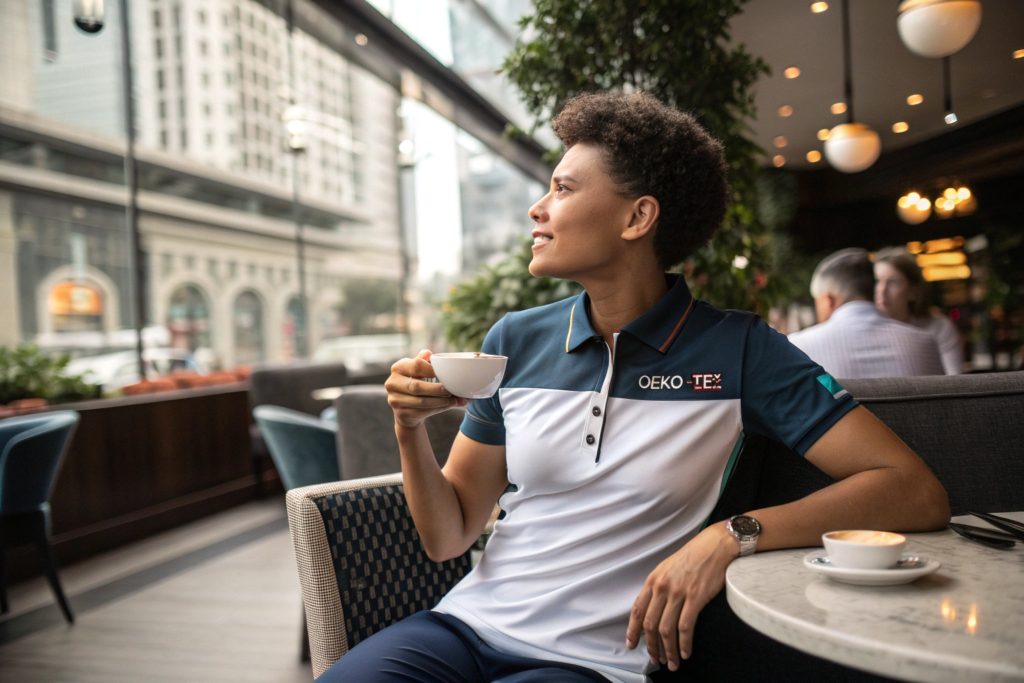
Golf fashion no longer stays on the course. Polos are worn to brunch, technical jackets are used for travel, and golf skirts double as athletic wear. This "wear-anywhere" demand means garments have more prolonged and varied skin contact, elevating the importance of material safety from a golf-specific concern to a daily wellness priority.
The athleisure fusion is raising material standards by demanding that golf apparel possess the chemical safety and skin-comfort credentials of premium everyday basics, making OEKO-TEX's promise of "harmless to human health" a critical feature for all-day wear. The garment's life has expanded, and so have the duty-of-care requirements for brands.
Why Does Extended Wear Increase Scrutiny on Chemical Safety?
When a garment is worn for a four-hour round and then removed, limited chemical exposure might be tolerated. When that same polo is worn for a 12-hour day involving office work, commuting, and leisure, the risk perception changes. Consumers are increasingly aware of issues like allergenic dye stuffs, heavy metals, and hormone disruptors like phthalates that can be present in textiles. OEKO-TEX provides a trusted, third-party answer to this silent concern. It assures the consumer that whether they're on the 18th hole or at a dinner meeting, their clothing is not a source of hidden toxins. This is especially resonant with the aging golf demographic, which is often more health-conscious and research-driven in its purchases.
How Are Performance Expectations Evolving with This Trend?
The demand isn't just for safety, but for safe performance. Golfers want moisture-wicking, UV protection, and stretch, but they don't want these performance features to come at the cost of chemical overload. The certification drives innovation at the mill level. To achieve both OEKO-TEX compliance and high performance, mills are developing advanced, "cleaner" chemical recipes for durable water repellents (DWR) and moisture management finishes. Our fabric R&D team works closely with these certified mills to source these next-generation materials, ensuring brands don't have to choose between function and safety.
What Role Are Retailers and Regulations Playing?
The push for certification is not only consumer-led; it is being powerfully driven from the top down by retailers and evolving regulatory landscapes, creating a compliance imperative for brands that wish to access certain markets.
Retailers and regulations are acting as powerful accelerators by incorporating OEKO-TEX into their mandatory sourcing requirements, using it as a filter for brand vetting, and responding to tighter regulatory frameworks like EU and US state-level chemical restrictions (e.g., California's Proposition 65). For brands, this makes certification a license to sell.
| Driver | Mechanism | Impact on Golf Brands |
|---|---|---|
| Major Retailer Sourcing Codes | Include mandates for restricted substance lists (RSLs) and often prefer or require third-party verification like OEKO-TEX. | Without certification, brands may be excluded from wholesale opportunities with premium golf retailers and pro shops. |
| E-Commerce Platform Standards | Marketplaces like Amazon have growing chemical compliance demands for apparel sellers. | Essential for brands scaling through direct-to-consumer (DTC) and online wholesale channels. |
| Global Regulatory Pressure | Laws like REACH in the EU regulate thousands of substances. OEKO-TEX standards are often more stringent, ensuring global compliance. | Future-proofs products against regulatory changes and simplifies international expansion. |

How Does Certification Simplify the Supply Chain for Brands?
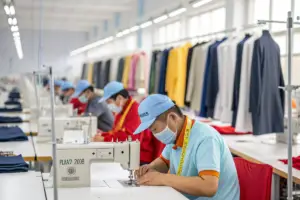
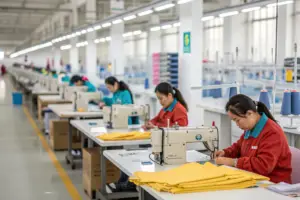
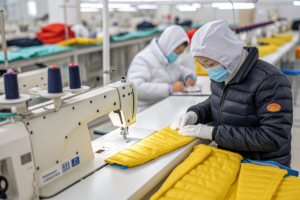
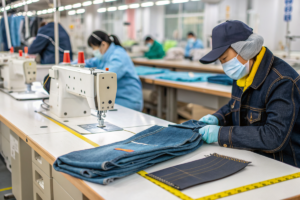
For a brand, managing chemical compliance across a global supply chain is a monumental task. The OEKO-TEX system outsources this complexity. By partnering with a certified manufacturer like Shanghai Fumao, the brand gains a turnkey solution. We manage the entire certified supply chain—from sourcing pre-approved yarns to conducting in-house pre-tests and facilitating the final audit. This simplifies the brand's quality assurance burden dramatically. One of our clients, a mid-sized brand, previously employed a full-time consultant to manage chemical compliance. After moving their production to our certified facility, they were able to reallocate that resource to marketing, as we provided the complete compliance dossier with every shipment.
Is Certification Becoming a Market Access Requirement?
In many premium channels, it effectively is. We have seen RFPs (Request for Proposal) from major golf retail chains that explicitly ask for OEKO-TEX or equivalent certification as a qualifying criterion. It acts as a pre-screening tool, assuring the retailer of a baseline level of product safety and reducing their liability risk. This trend is turning certification from a "nice-to-have" into a "must-have" for any brand with aspirations of serious wholesale distribution.
How Does Sustainability Narrative Enhance Brand Value in Golf?
Golf is a sport intimately linked with nature—manicured greens, fresh air, and outdoor beauty. This creates a unique alignment where a brand's sustainability story resonates deeply with the golfer's experience and values.
The sustainability narrative enhances brand value by allowing golf apparel companies to authentically connect their products to the environmental values of the sport, using OEKO-TEX as a credible, consumer-friendly proof point of their responsible manufacturing commitment. It transforms a technical certification into an emotional brand asset.

Can a Certification Drive Premium Pricing and Loyalty?
Absolutely. In a market saturated with claims, a verifiable certification allows a brand to justify a premium price. It provides a concrete reason for the consumer to invest more. The story is not just "our shirt is soft," but "our shirt is independently verified to be safe for you and kinder in its making." This builds deeper loyalty, as customers feel they are supporting a responsible company. We helped a startup brand launch with an "Eco-Performance" line where every item was OEKO-TEX and GRS certified. Their average unit revenue was 30% higher than their non-certified competitors, and their customer retention rate is among the highest we've observed, demonstrating that values-aligned purchasing drives repeat business.
How Do Brands Effectively Communicate This Value?
The most effective communication moves beyond the logo. It tells the story of "why." Marketing copy might say: "Respect the Game, Respect Your Skin. Our fabrics are certified free from harmful substances, so you can focus on your swing, not on what's in your shirt." Content can include short videos explaining the certification process or highlighting the responsible manufacturing practices at the factory level. This transparency builds immense trust. By sharing the story of our own OEKO-TEX STeP certification for the factory, Shanghai Fumao enables our brand partners to tell a more complete and compelling story to their end consumers.
Conclusion
The adoption of OEKO-TEX in golf fashion is being driven by a powerful convergence of lifestyle, commerce, and ethics. The golfer of today seeks apparel that is safe for all-day wear, retailers demand verified compliance, and the spirit of the sport calls for environmental responsibility. For forward-thinking brands, these trends present not a hurdle, but a significant opportunity to lead, differentiate, and build deeper trust with their audience.
Navigating this landscape requires a manufacturing partner who is both a technical expert in certification and a strategic advisor in market trends. If you are ready to align your brand with these defining trends and build a collection that meets the highest standards of safety, performance, and credibility, the conversation starts here. Contact our Business Director Elaine at Shanghai Fumao to explore how we can integrate OEKO-TEX certification seamlessly into your next winning line. Reach her at elaine@fumaoclothing.com.