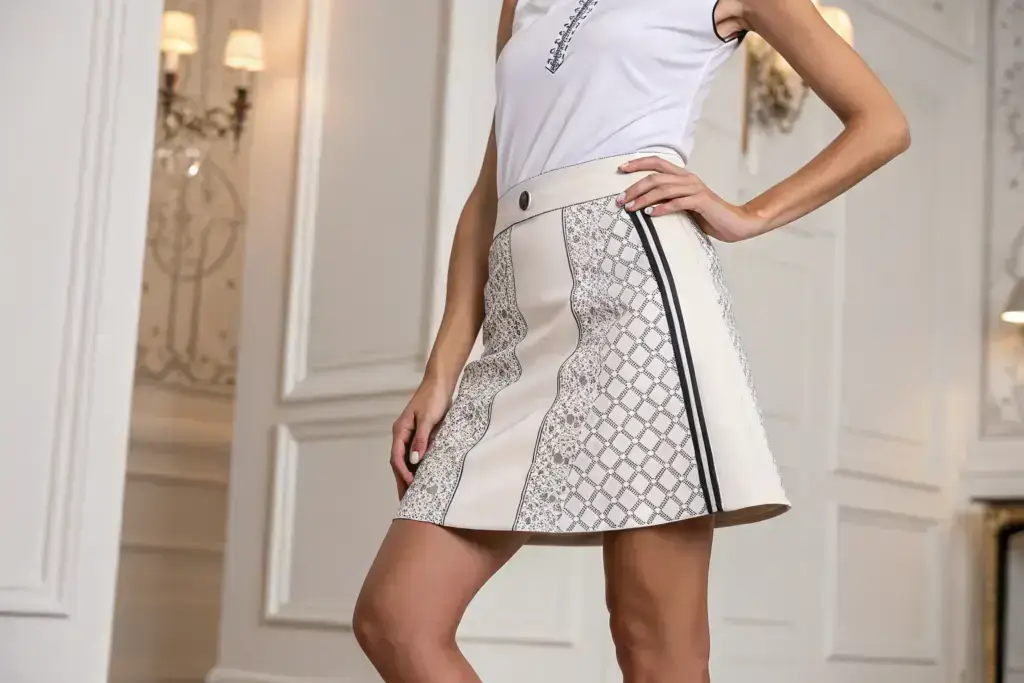
As a fashion-forward golf apparel brand, you face a unique challenge: blending runway-inspired design with the technical and ethical demands of the course. Your latest collection features high-fashion golf skirts—think bold prints, innovative pleating, and luxury fabric blends. But your eco-conscious customers are asking for OEKO-TEX certification. Can you have both: stunning aesthetics and the gold standard in safety?
Absolutely. High-fashion golf skirts can not only meet but exceed stringent OEKO-TEX standards, provided the design, material sourcing, and production processes are integrally built around compliance from the very first sketch. The myth that certification compromises style is just that—a myth. In fact, the discipline required often leads to more innovative and durable designs.
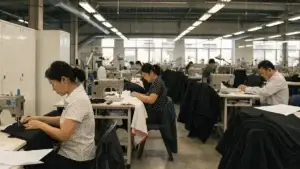
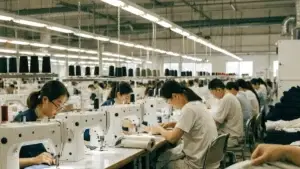
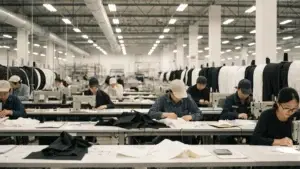
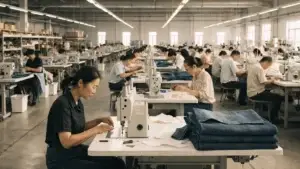
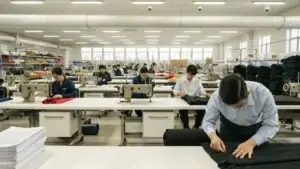
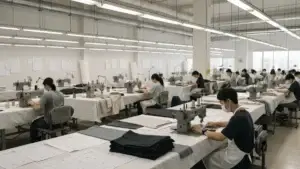
At Shanghai Fumao, we specialize in this very synergy. Last year, we partnered with a Los Angeles-based brand to produce a line of tailored, pleated golf skirts using a novel recycled satin-blend. The design was complex, but by selecting OEKO-TEX certified yarns and dyes from the outset and adapting our construction techniques, we achieved the desired luxury drape and passed the certification with flying colors. The line sold out its first run, proving that performance, safety, and high fashion are a powerful trifecta.
What Are the Key Challenges in Certifying Fashion-Forward Designs?
The path to certifying a high-fashion golf skirt is more complex than for a basic polo. The challenges are real, but they are entirely manageable with foresight and expertise.
The key challenges lie in the sophisticated materials, complex construction, and decorative elements characteristic of high-fashion designs. Each component—from specialty fabrics to trims and dyes—must be individually compliant, increasing the complexity of sourcing and documentation. The goal is to manage this complexity proactively, not as an afterthought.
How Do Specialty Fabrics and Dyes Complicate Compliance?
High-fashion skirts often use fabric blends (e.g., polyester with elastane for stretch, mixed with rayon for sheen) and require specific dyeing techniques for ombré effects or deep, vibrant colors. Each fiber type and each dye class has different chemical baselines. An OEKO-TEX audit tests for substances like heavy metals, phthalates, and allergenic dye stuffs across all materials. For a skirt with a printed pattern, both the base fabric and the printing inks must be certified. The solution is to work with a manufacturer that has established relationships with certified mills and chemical suppliers. At our facility, we maintain a library of pre-approved, certified materials, which allows designers to make selections from a palette that is both beautiful and guaranteed to comply.
Can Decorative Trims and Embellishments Be Certified?
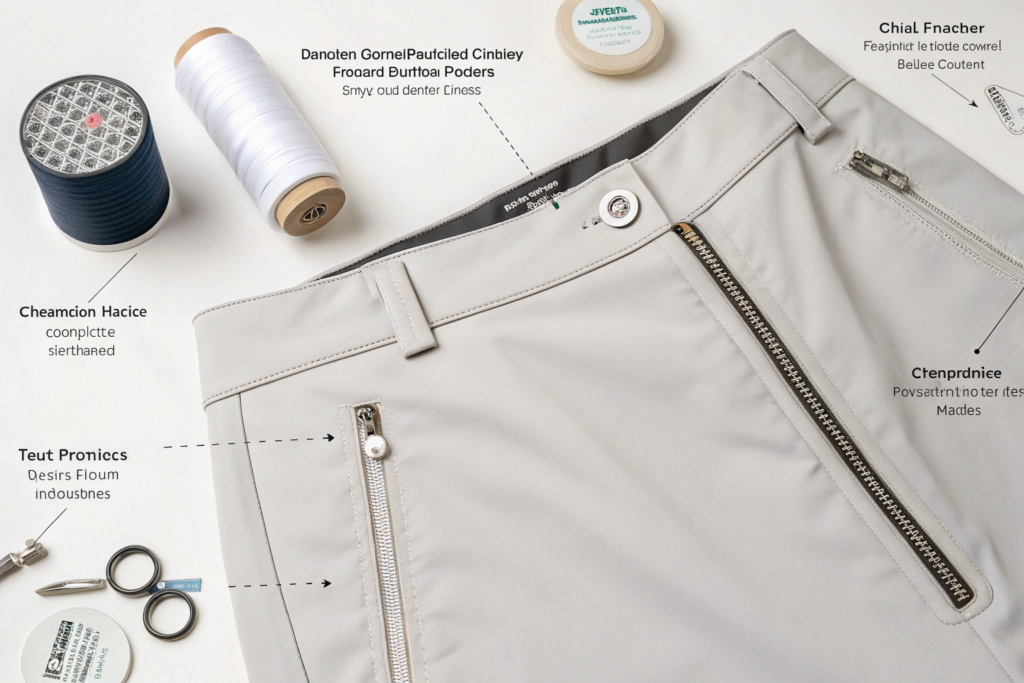
This is a critical hurdle. Zippers, buttons, silicone grippers, and even certain types of thread or bonding adhesives can be sources of non-compliance. A metal button, for instance, must be tested for nickel release. The approach is two-fold: First, simplify where possible by designing with certification in mind—using fewer trim types. Second, rigorously vet and certify every single component. We learned this lesson early on. A client's skirt design included a custom-made, decorative metal charm. While the fabric passed, the charm failed for excessive nickel. We had to source a new, compliant supplier, causing a two-week delay. Now, our full-package manufacturing service includes a mandatory trim compliance review during the tech pack stage, preventing such costly setbacks.
What Strategies Ensure Compliance Without Sacrificing Design?
The integration of design and compliance must be seamless. This requires a shift from viewing certification as a final inspection to treating it as a guiding principle of the creative process.
Strategies to ensure compliance hinge on early collaboration, smart material curation, and technical design innovation. By involving compliance experts at the prototyping phase, brands can make informed choices that preserve design intent while adhering to strict standards. This proactive partnership is the cornerstone of success.

How Crucial is the "Design for Certification" Mindset?
It's everything. Instead of designing a skirt and then asking "can we certify this?" the question becomes "how do we craft this vision within a certified framework?" This mindset impacts choices like:
- Fabric Selection: Opting for pre-certified, performance-driven fabrics that offer the desired hand-feel and drape.
- Color Palettes: Choosing dyes from certified ranges, which may slightly shift the available color spectrum but ensure safety and colorfastness.
- Construction Methods: Avoiding chemical-intensive finishes (like certain permanent press treatments) in favor of mechanical solutions (like specific knitting or weaving techniques for wrinkle resistance).
For example, to achieve a crisp, structured look without using non-compliant stiffening resins, we developed a construction method using multiple layers of lightweight, certified fabric. The result was a skirt that held its shape perfectly on the course and passed all chemical safety tests.
What Role Does the Manufacturer Play in Facilitating This?
The manufacturer is the critical enabler. A partner like Shanghai Fumao acts as the bridge between creative vision and technical reality. Our role includes:
- Pre-Vetted Material Libraries: Providing access to a wide range of OEKO-TEX certified fabrics, from functional knits to luxury wovens.
- In-House Testing Protocals: Conducting preliminary tests on trims and dyes before sending samples to the official institute, saving time and money.
- Technical Design Adaptation: Our pattern engineers can suggest design modifications—a different seam placement, an alternative lining—that enhance both the aesthetic and the ease of certification.
This integrated support system turns a potential constraint into a catalyst for smarter, more sustainable design.
How Does Certification Enhance the Value of a High-Fashion Product?
OEKO-TEX certification does not just mitigate risk; it actively adds layers of value that resonate powerfully with the modern, discerning golfer.
Certification enhances product value by elevating brand prestige, justifying a premium price point, and building deep, trust-based loyalty with consumers who view their purchases as reflections of their personal values. It transforms a fashion item into a responsible investment.
| Aspect of Value | How OEKO-TEX Certification Enhances It | Consumer Perception |
|---|---|---|
| Quality & Durability | The tests for colorfastness and pH balance ensure the skirt maintains its look and integrity after repeated washes and sun exposure. | "This skirt will look new for seasons." |
| Safety & Wellness | Guarantees the garment is free from harmful substances, crucial for skin contact during active wear. | "I can focus on my game, not on what's in my clothes." |
| Brand Ethics | Provides transparent, third-party proof of a brand's commitment to responsible production. | "I trust this brand. Their values match mine." |
| Market Differentiation | Sets the product apart in a crowded market of uncertified "fast fashion" athletic wear. | "This is a premium, thoughtful product." |
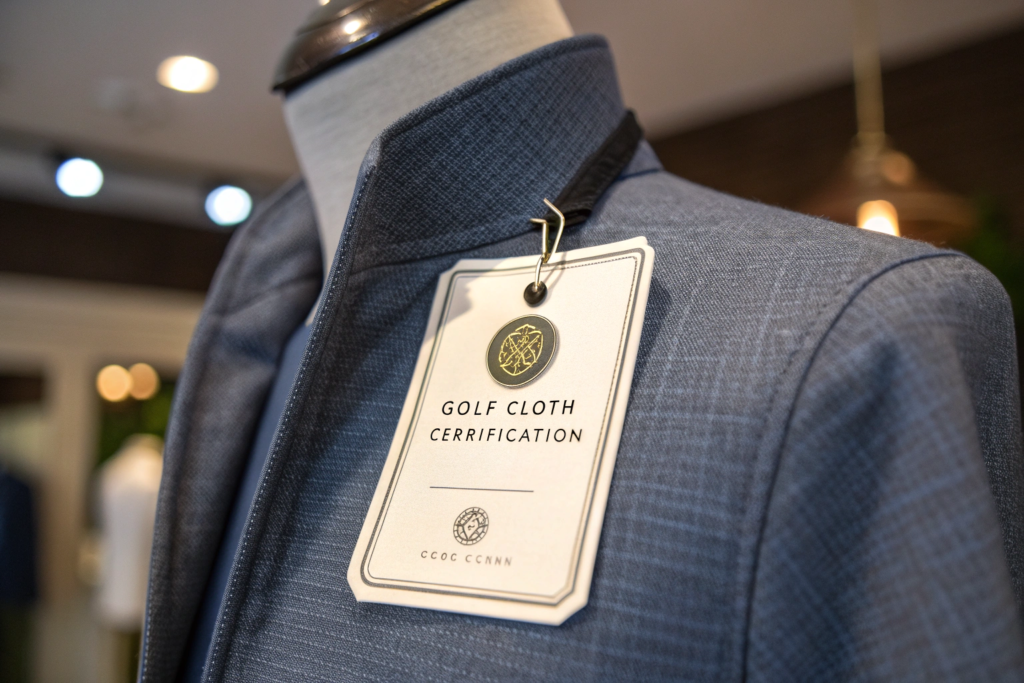
Can It Truly Justify a Higher Price Point?
Yes, unequivocally. The certification process incurs direct costs (testing, auditing) and indirect costs (sourcing premium compliant materials, meticulous production control). Communicating this story effectively allows brands to frame the higher cost not as an expense, but as the value of integrity, safety, and longevity. A customer isn't just buying a skirt; they are buying peace of mind and supporting ethical manufacturing. This narrative is compelling for the target market of high-fashion golf apparel, who are often less price-sensitive and more value-driven.
How Does It Strengthen Brand Storytelling?
The certification provides a concrete, credible chapter in your brand's story. It moves messaging beyond vague claims of "luxury" or "quality" to demonstrable action. Marketing can spotlight the journey: "From the certified Italian mill that spins our yarn to the independent testing that safeguards your skin, every step is designed with care." This level of transparency is a powerful tool for brand building in an age of skepticism. It shows that your commitment to excellence is woven into every fiber, not just stitched onto a tag.
What is the Practical Step-by-Step Process?
Understanding the workflow demystifies certification and highlights the importance of a systematic partnership with your manufacturer.
The practical process is a sequential, integrated workflow that begins at the concept stage and continues through to final shipment, requiring constant documentation and collaboration between the brand, manufacturer, and testing institute.
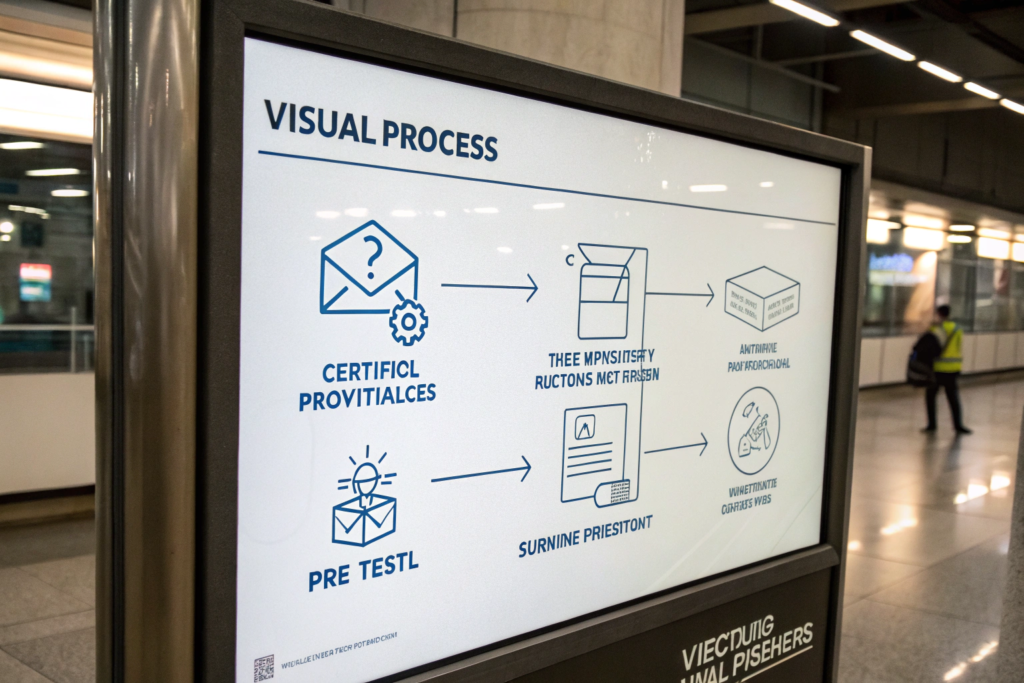
What Are the Stages from Design to Certified Production?
- Material Sourcing & Approval: The brand and Shanghai Fumao select all components from certified suppliers or submit new ones for pre-testing.
- Prototyping & Preliminary Testing: A first sample is made. Our in-house lab performs basic tests. Adjustments are made to design or materials if needed.
- Official Sample Submission: A representative sample of the final product is sent to an authorized OEKO-TEX institute (e.g., in the US or Europe) for full testing.
- Documentation & Audit: We compile all supplier declarations and quality control records. The institute reviews the file and may conduct a factory audit.
- Certification & Mass Production: Upon passing, a certificate is issued for that specific product. Production can then begin, with the certificate number tied to each garment.
- Labeling & Shipping: Certified labels are attached, and the certificate is provided with the shipment for customs and buyer verification.
How Long Does the Full Process Take, and What Are the Costs?
Timeline and cost are common concerns. The entire process, from final material selection to receiving the certificate, typically takes 8-12 weeks. Costs vary based on the number of components and colors but generally range from a few hundred to a few thousand dollars per article. This investment must be viewed strategically. For a brand we assisted, the certification cost added less than 5% to the per-unit cost but enabled them to increase their wholesale price by 20%, resulting in a significantly stronger margin and a unique market position.
Conclusion
The question is not if high-fashion golf skirts can meet OEKO-TEX standards, but how brilliantly they can do so. The intersection of avant-garde design and rigorous safety certification is where the future of conscious luxury golf apparel lies. It requires a purposeful "design for certification" approach, deep technical expertise, and a manufacturing partner committed to transparency at every stage.
This journey unlocks more than a label; it unlocks a powerful market advantage and a deeper connection with your customer. If you are ready to create a collection where stunning design is seamlessly matched by verifiable integrity and flawless DDP mode delivery to your market, let's collaborate. Contact our Business Director Elaine at Shanghai Fumao to begin engineering your next certified, show-stopping line. Reach her at elaine@fumaoclothing.com.