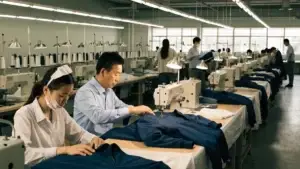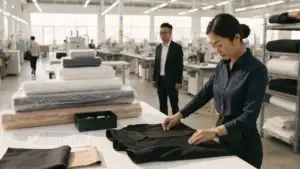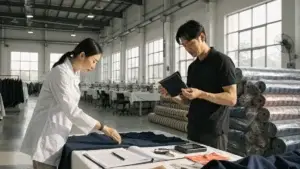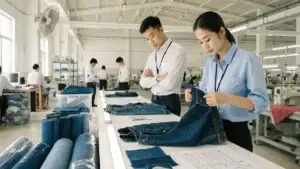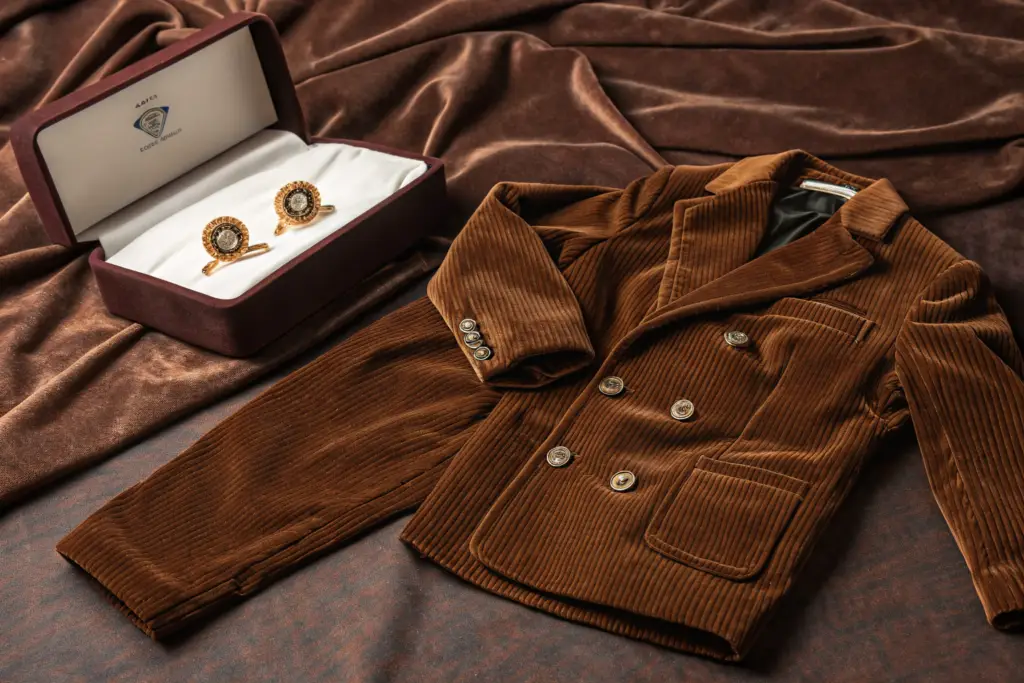
As a manufacturer who partners with luxury brands across North America and Europe, I've seen a fascinating evolution. Corduroy, once a humble fabric, has been reinvented for the luxury segment. But in today's market, a luxury corduroy piece isn't defined by texture alone. The true luxury is invisible: it's the absolute assurance of safety and integrity. This is where OEKO-TEX certification, particularly at the highest Grade 1 level, shifts from a technical detail to a central pillar of the luxury corduroy series' value proposition. It's the silent guarantee that allows the tactile and visual luxury to be enjoyed without reservation.
OEKO-TEX certification supports the corduroy series in luxury markets by providing the scientific and ethical validation necessary to justify premium pricing. It transforms the complex, chemically intensive production of corduroy from a potential liability into a verifiable mark of care and craftsmanship, directly addressing the safety anxieties of affluent, informed parents and satisfying the rigorous due diligence of high-end retailers.
In essence, it builds an unshakable foundation of trust beneath the luxurious surface.
How Does It Resolve the Chemical Paradox of Luxury Corduroy?
Corduroy's luxurious appeal—its depth of color, distinctive wale, and soft hand-feel—is chemically achieved. The fabric undergoes heavy dyeing, brushing, sanding, and often finishing with softeners or resins. For the luxury consumer, this creates a paradox: they are drawn to the rich sensory experience but are increasingly wary of the "chemical cocktail" that might create it. OEKO-TEX certification is the definitive resolution to this paradox.
OEKO-TEX certification resolves the chemical paradox by acting as a transparent, third-party audit of the entire production process. It guarantees that every chemical used—from dyes and fixatives to finishing agents—meets the strictest safety thresholds for human ecology. This allows the brand to celebrate the artistry of corduroy's texture while providing a science-backed promise that no harmful substances are part of that artistry.
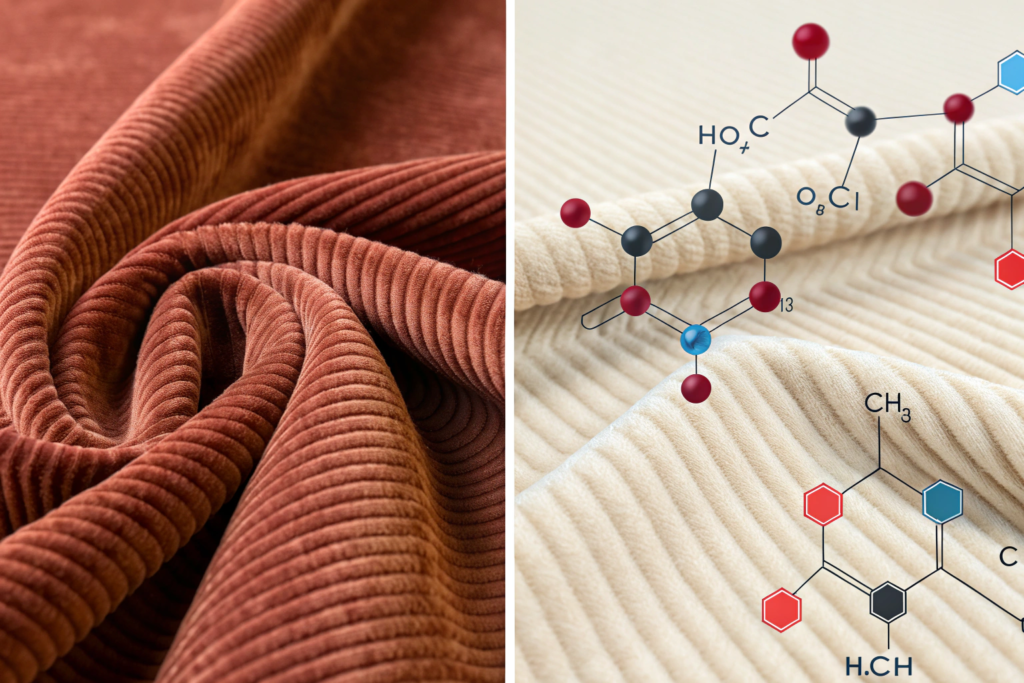
What specific corduroy processes does it regulate?
The certification provides a safety framework for the very steps that define quality corduroy:
- Dyeing: Tests for banned azo colorants, heavy metals (like chromium VI), and allergenic dyes that could be used to achieve those deep, saturated hues.
- Finishing: Sets stringent limits on formaldehyde (used for wrinkle resistance), PFAS (for stain resistance), and phthalates (plasticizers in prints or coatings).
- pH Balance: Ensures the final fabric has a skin-neutral pH, critical for delicate skin against a textured fabric.
- Colorfastness: Verifies dyes won't bleed excessively, preserving the garment's luxurious appearance and safety during wear or saliva exposure.
A luxury brand we work with encountered this issue firsthand. They sourced a stunning, deep-emerald corduroy for a winter collection. It was beautifully soft, but our in-house pre-screening detected a pH level outside the safe range. Because of our OEKO-TEX protocol, we rejected the batch and worked with the mill to correct their finishing wash. The delay was minimal, but the alternative—a garment that could irritate skin—would have been catastrophic for their brand equity. This proactive control is what luxury partnership entails. Resources like the OEKO-TEX Limit Value database provide the technical backbone for these decisions.
How does this assurance become a marketing narrative?
The story is powerful: "Our corduroy is not only selected for its exceptional hand and rich color but is also certified free from over 100 harmful substances, ensuring its luxury is both seen and felt—safely." This narrative elevates the product from a simple garment to a responsibly crafted heirloom. It tells the consumer that the brand has managed the complexity on their behalf.
How Does Certification Justify the Luxury Price Premium?
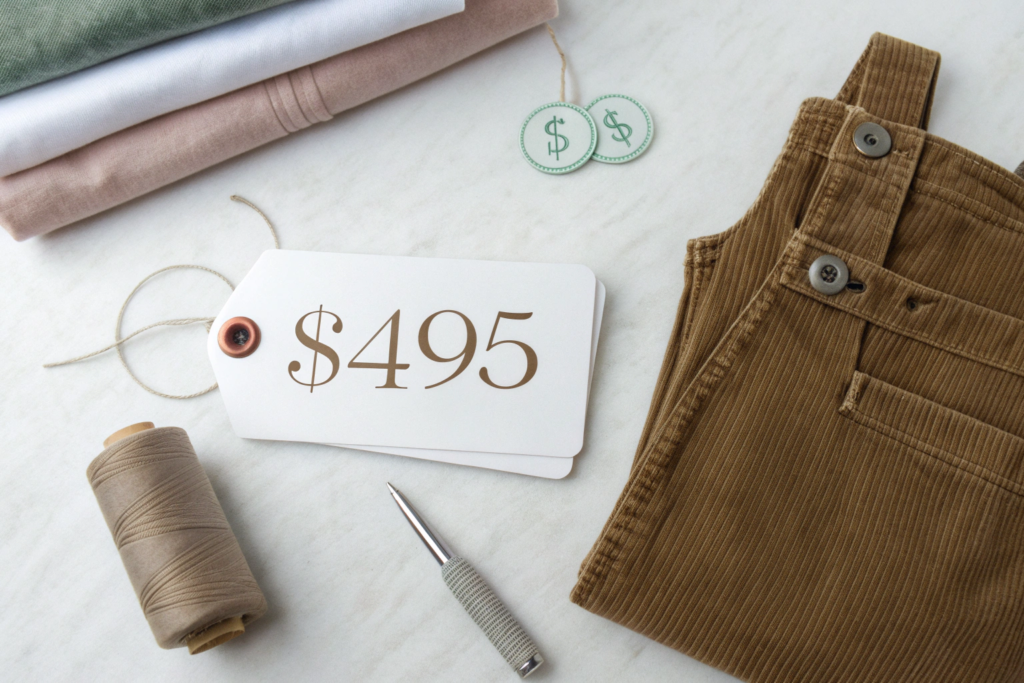
In the luxury corduroy market, a $250 children's coat competes not on price but on perceived value. The consumer is asking, "Why is this worth five times the price of a similar-looking coat?" Superior design and fabric are part of the answer, but in an age of savvy consumers, they demand proof of deeper value. OEKO-TEX certification provides that proof.
OEKO-TEX certification justifies the luxury price premium by quantifiably adding a layer of value that cheaper alternatives cannot claim: verified safety and risk mitigation. It allows the brand to articulate a "cost of conscience" — the tangible investment made to ensure every component, down to the thread, meets the highest global safety standards, which in turn protects the family's well-being.
How does it break down the "value equation" for the consumer?
Luxury marketing is about building an irrefutable value equation. For a certified corduroy piece, it looks like this:
- Design & Aesthetic Value (Subjective): Unique silhouette, beautiful color.
- Material & Craft Value (Tangible): Premium cotton corduroy, French seams, horn buttons.
- Ethical & Safety Value (Verifiable): OEKO-TEX Grade 1 certification, transparent supply chain.
- Emotional Value (Aspirational): Peace of mind, alignment with values, heirloom quality.
The OEKO-TEX certification locks in the third pillar. It transforms an intangible concern into a tangible, marketable feature. A boutique owner in Paris told us that for her clientele, the presence of such a certification on a high-ticket children's item often closes the sale, as it addresses the final nagging doubt a parent might have.
What is the competitive advantage in wholesale negotiations?
When presenting to luxury department store buyers, the conversation goes beyond margin. Buyers need to believe in the product's integrity to justify their shelf space. A corduroy series backed by OEKO-TEX certification gives the sales representative a powerful, fact-based argument. It demonstrates that the brand has undertaken the costly and complex due diligence that the retailer would otherwise have to manage. This makes the brand a lower-risk, higher-value partner for the store. In markets with strict regulations like the EU, this is not an advantage—it's a necessity. The International Consumer Product Health & Safety Organization (ICPHSO) often discusses how brands that lead with safety gain preferential retail access.
How Does It Align with the Sustainability Expectations of Luxury Consumers?
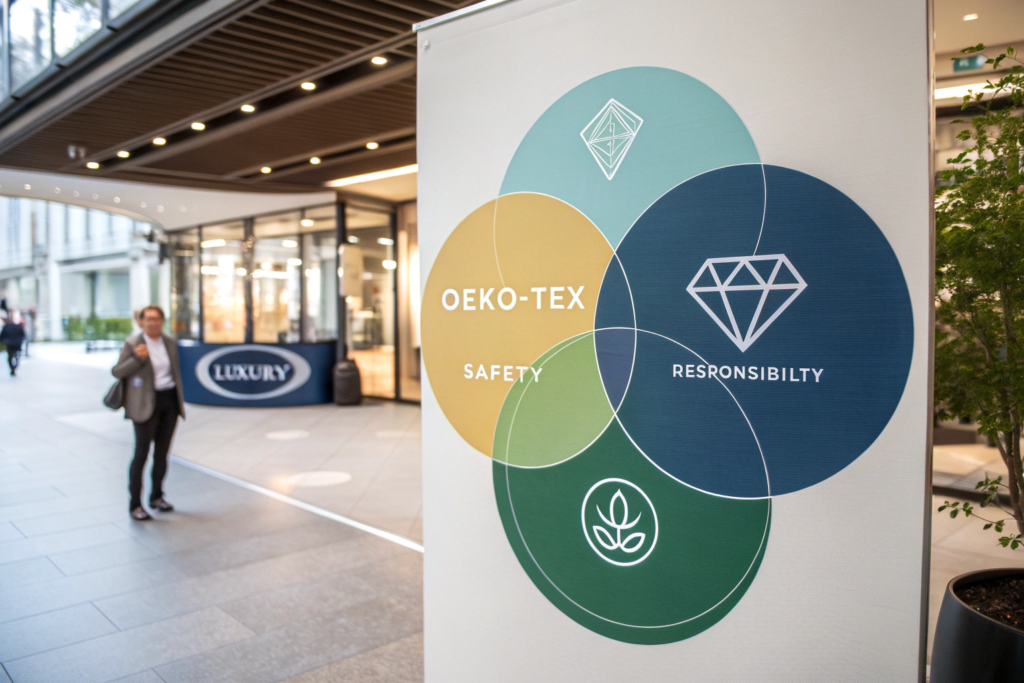
Modern luxury is increasingly defined by responsibility. The affluent consumer expects brands to be stewards—not just of style, but of the environment and human health. While OEKO-TEX STANDARD 100 focuses on human-ecological safety (product safety for the user), it serves as a critical gateway to broader responsible practices.
OEKO-TEX certification aligns with luxury sustainability expectations by demonstrating a foundational commitment to responsible chemical management—a core pillar of any true sustainability framework. It shows the brand is managing its environmental and health impact at the molecular level, which resonates deeply with consumers who view sustainability as holistic, not just about organic materials.
How does it complement organic or sustainable material claims?
Many luxury corduroy series use organic cotton. OEKO-TEX certification is the perfect companion to this claim. It answers the logical next question: "The cotton is organic, but what about the dyes and finishes?" An organic fabric treated with toxic dyes is not a truly safe or responsible product.
By having both an organic material certification (like GOTS) and an OEKO-TEX article certification, a brand achieves a powerful, comprehensive story. For example: "Crafted from GOTS-certified organic cotton corduroy and finished with OEKO-TEX certified safe dyes and processes, ensuring purity from field to finished garment." This level of detail satisfies the most scrutinizing luxury consumer. At Shanghai Fumao, we help brands navigate these dual certifications, ensuring the processes are compatible and verifiable.
Does it influence brand perception and loyalty?
Absolutely. In the luxury segment, purchase decisions are deeply tied to brand identity and values. When a brand consistently champions verifiable safety through OEKO-TEX, it builds a reputation for integrity and meticulousness. This fosters intense loyalty. Customers feel they are not just buying a product; they are investing in a brand that shares their priorities for care and excellence. This loyalty is far more valuable than any single transaction and is the bedrock of long-term brand equity.
What Are the Operational Imperatives for Delivering a Certified Luxury Series?
Creating a luxury OEKO-TEX certified corduroy series is not a matter of simply selecting a certified fabric. It requires an integrated, disciplined approach to manufacturing where safety is designed into the process, not inspected in at the end. This has profound implications for how a brand must work with its production partner.
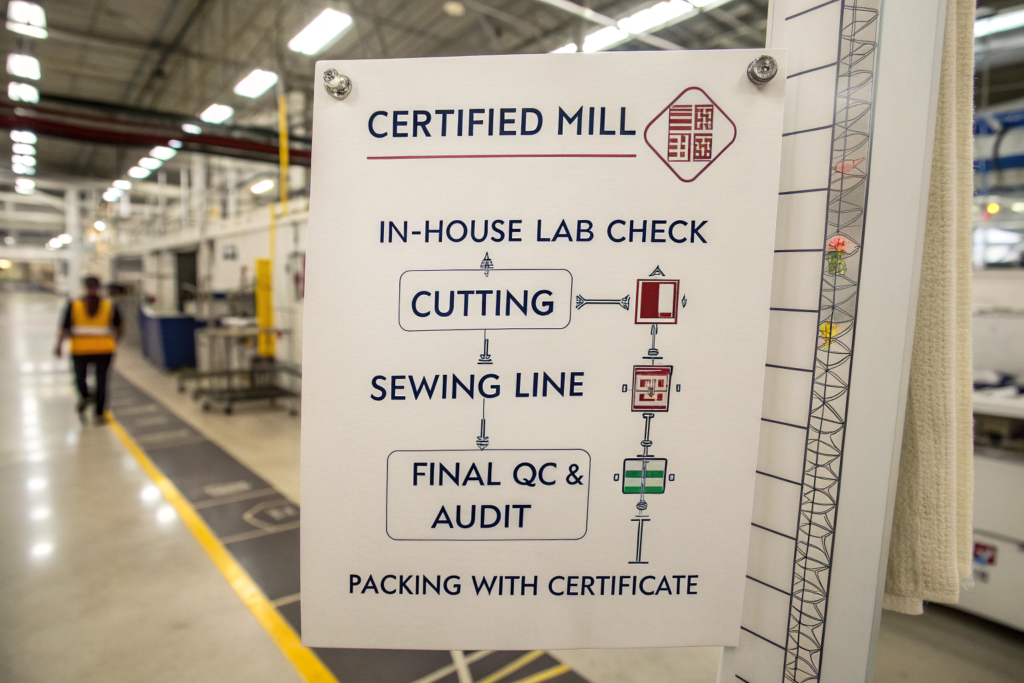
The operational imperatives demand a full-package manufacturing partner with in-house control over the entire process—from sourcing certified corduroy and trims to cutting, sewing, and finishing under a single, audited quality management system. This vertical integration is the only way to guarantee the consistency and integrity required for the luxury market.
Why is "article certification" non-negotiable?
This is the most critical technical point. A luxury brand must insist that their garment factory holds the OEKO-TEX certificate for the finished article. Many factories will present a certificate from their fabric mill, but this is meaningless for the final product. The article certification tests the complete garment, including:
- The corduroy fabric
- The lining fabric (if any)
- The thread
- Buttons, zippers, snaps
- Any prints or embellishments
- The care label
Only this holistic certification guarantees safety. We ensure all clients understand that Shanghai Fumao's certificate covers the finished jumpers, dresses, or coats we produce, not just the materials we start with.
How does this impact design and development timelines?
It requires front-loaded diligence. The development process for a luxury corduroy series must include:
- Sourcing from Pre-Approved Pools: Designers choose corduroy from our pre-vetted, certified mill options.
- Trim Validation: Every button, ribbon, or zipper must be sourced from an OEKO-TEX compliant supplier or tested prior to bulk order.
- Extended Sampling: The first sample isn't just for fit; it's a prototype for compliance. It may need to be tested to ensure the entire assembly passes.
While this can add time to the initial development phase, it prevents catastrophic delays during bulk production. It's the difference between a one-week fabric approval delay and a ten-week recall crisis. For luxury brands, where seasonality and launch dates are sacred, this disciplined approach is the only reliable path.
Conclusion
OEKO-TEX certification is not merely a supporting actor for a luxury corduroy series; it is a co-star. It provides the essential credibility that allows the fabric's inherent luxury to be fully realized and trusted in the marketplace. It justifies the premium, satisfies the most discerning retailers, and resonates with the values of the modern luxury consumer.
For a brand, investing in this certification is an investment in the very definition of modern luxury: beauty without compromise, quality without question, and care without exception. It transforms a collection from being simply high-priced to being genuinely high-value.
If you are architecting a corduroy series destined for the luxury tier, building it on the OEKO-TEX standard is the most strategic decision you can make. At Shanghai Fumao, we provide the integrated manufacturing excellence and certified processes to bring that vision to life with unwavering integrity. Contact our Business Director Elaine to begin crafting your certified luxury collection. Start the conversation at elaine@fumaoclothing.com.