As a manufacturer entrenched in the premium children's wear segment, I witness a clear evolution. The high-end market is no longer defined solely by Italian fabrics or French lace. Today, a new, non-negotiable pillar of luxury has emerged: verifiable safety and responsibility. This is where OEKO-TEX shifts from being a technical certification to a fundamental structural element. It reshapes how brands compete, how manufacturers are evaluated, and ultimately, what "high-end" truly means to the discerning modern parent.
OEKO-TEX plays a foundational role in the high-end children's wear industry structure by acting as the primary trust and validation mechanism. It creates a tangible barrier to entry, separating serious, responsible brands from mere marketers. It redefines the cost structure by integrating safety as a core production value, justifies significant price premiums through authenticated storytelling, and serves as a universal language of credibility for brands, retailers, and consumers across global markets.
In essence, it has become the invisible thread that weaves together quality, ethics, and commerce in the premium sector.
How Does OEKO-TEX Create a Barrier to Entry in the Premium Segment?
The high-end market is crowded with aspirants. Anyone can source a nice fabric, hire a good designer, and create beautiful photography. The true differentiator is now beneath the surface. OEKO-TEX certification, especially for the entire garment (Article Certification), is not easily or cheaply obtained. It requires a level of supply chain control, technical investment, and process discipline that is beyond the reach of fly-by-night operators or purely marketing-driven brands.
OEKO-TEX creates a significant barrier to entry by demanding capital investment (in testing, certified materials), operational expertise (in chemical management and traceability), and a commitment to long-term, transparent partnerships with suppliers. This filters out manufacturers and brands that cannot or will not make these foundational investments, thereby protecting the integrity and value proposition of the true premium tier.
What are the tangible costs and investments required?
For a factory like Fumao to maintain legitimate OEKO-TEX article certification, the costs are multi-layered:
- Certification Fees: Annual licensing and testing fees for the factory and for each new article type.
- Premium Material Costs: OEKO-TEX certified fabrics, threads, and trims typically cost 10-30% more than their non-certified equivalents.
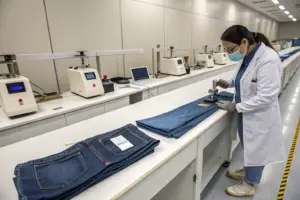
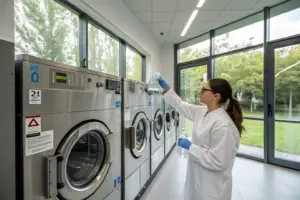
- In-House Infrastructure: Investment in a quality control lab with pH testers, training of specialized staff, and software/system for tracking material batches.
- Operational Overhead: The process of managing approved supplier lists, conducting pre-shipment audits, and handling the administrative burden of compliance.
A start-up brand we consulted with had a stunning design but a shallow budget. They wanted to enter the premium market but balked at our quote, which included the cost of Grade 1 certified materials and full-package control. They found a cheaper factory that promised "similar" standards. Six months later, they came back to us; their first shipment had been flagged at EU customs for non-compliant phthalates in the print, resulting in massive fines and destroyed inventory. They learned that the barrier to entry exists for a reason: it protects those inside it. The International Organization for Standardization (ISO) frameworks often work in tandem with such standards, underscoring the systemic investment required.
How does it shift the basis of competition?
Competition in the high-end segment moves away from a pure race to the lowest production cost. It becomes a competition over who can provide the most credible, comprehensive safety assurance. A brand can't just say "we use safe materials"; they must prove it. OEKO-TEX provides the proof.
This changes how brands select manufacturers. They don't just ask for a price list; they audit the factory's OEKO-TEX management system. They ask for test reports on specific components. At Shanghai Fumao, we welcome this. We can show a potential partner our certified material library, our lab logs, and our supplier audit trails. This transparency becomes our competitive advantage, allowing us to partner with brands like a Scandinavian minimalist label that built its entire brand ethos on "radical transparency and safety."
How Does It Redefine the Value Chain and Cost Structure?
In traditional manufacturing, "safety" or "compliance" is often a final inspection cost—a box to check. In the high-end OEKO-TEX driven structure, safety is a value-adding component integrated into every link of the chain, from fiber sourcing to point of sale. This integration fundamentally alters the cost logic.
OEKO-TEX redefines the value chain by making safety a proactive, embedded feature rather than a reactive cost. It shifts expenses upstream into R&D, material procurement, and process engineering. This creates a cost structure where a significant portion of the product's price reflects verifiable risk mitigation and quality assurance, which consumers in the premium segment are demonstrably willing to pay for.
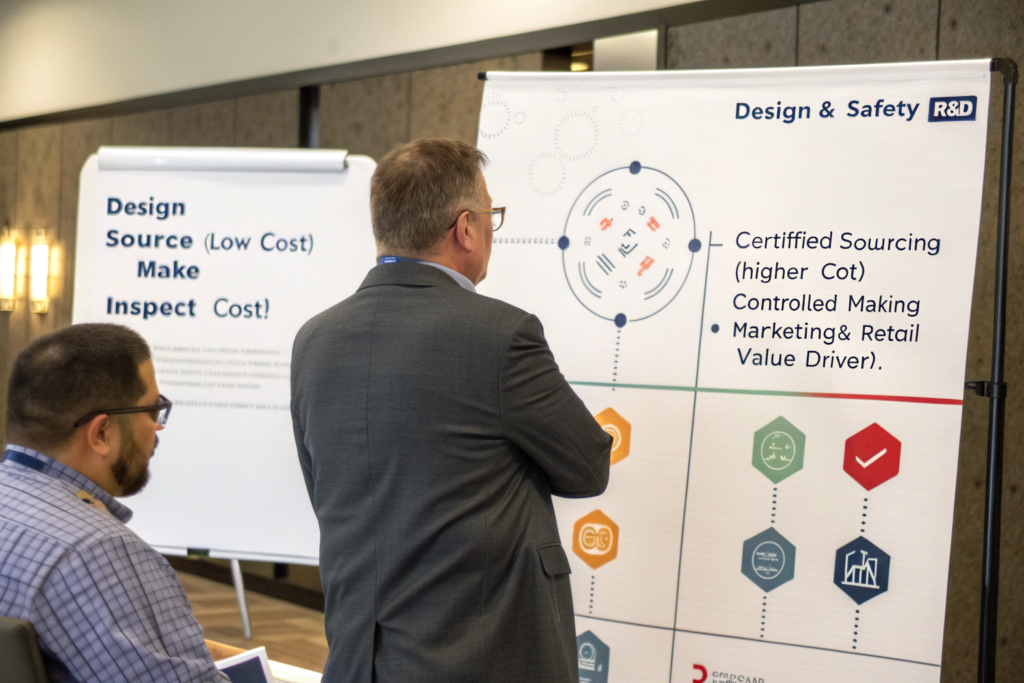
Where is the value actually created in this new chain?
Value is created at multiple new points:
- At Sourcing: The effort to find and vet a mill that produces GOTS organic cotton and can meet OEKO-TEX Grade 1 limits adds value.
- In Design: Value is created when a designer chooses construction methods and trims that are inherently safer and easier to certify, avoiding problematic materials from the start.
- In Manufacturing: The value of a factory like ours is not just in sewing, but in its chemical management system, its testing protocols, and its ability to guarantee consistency batch after batch.
- In Marketing & Retail: The certificate provides a powerful, succinct story for the sales team and the product tag, reducing the "education" cost needed to justify the price to a retailer or consumer.
For example, a luxury cashmere children's knitwear brand we work with uses our OEKO-TEX certified production as a central part of its narrative. Their cost per unit is high, but so is their retail price. Their marketing doesn't hide this; it explains it: "Our cashmere is not only supremely soft but also certified free from harmful substances from yarn to finish, ensuring pure comfort for delicate skin." The certification justifies the premium by adding a layer of scientifically-backed benefit.
How does this affect pricing strategy and consumer perception?
The integrated cost structure supports a value-based pricing strategy rather than a cost-plus model. Brands can articulate a clear "why" behind the price: you are paying for guaranteed safety, ethical sourcing, and unparalleled quality control.
Consumers in this segment are not just buying a product; they are buying peace of mind and alignment with their values. OEKO-TEX provides a shortcut to that trust. It tells them the brand has done the hard, expensive work for them. This is why a parent will pay $80 for a certified organic cotton romper from a boutique brand over a $20 look-alike from a mass retailer. The perceived risk of the cheaper option—even if unproven—outweighs the price difference. Industry reports from platforms like Common Objective detail this consumer shift towards valuing credentials.
How Does It Facilitate Global Market Access for Premium Brands?
A high-end children's wear brand with global aspirations faces a maze of regulations: CPSIA in the US, REACH in the EU, and various national standards. Navigating this alone is a monumental, expensive task for any brand, especially a growing one. OEKO-TEX, particularly its globally recognized STANDARD 100, acts as a universal passport.
OEKO-TEX facilitates global market access by serving as a harmonized, pre-competitive compliance benchmark that is recognized and respected by retailers, distributors, and customs authorities in both North America and Europe. It reduces the complexity, cost, and time required for a brand to expand internationally by providing a single, comprehensive set of test reports and a certificate that carries significant weight across borders.
How does it simplify dealings with retailers and distributors?
Major department stores and premium boutiques have stringent vendor compliance manuals. They require extensive documentation to mitigate their own liability. For a brand, preparing a unique dossier for each retailer is a nightmare.
When a brand can state that their entire collection is manufactured in an OEKO-TEX certified factory like Fumao, and provide the certificate, it immediately satisfies a large portion of these requirements. The retailer's compliance team recognizes the standard and knows it covers a wide range of regulated substances. This fast-tracks the brand's approval process. We've seen this repeatedly with our clients who sell into high-end multi-brand retailers in Germany and Japan—the OEKO-TEX certificate is a golden ticket that opens doors.
How does it provide a regulatory buffer?
Regulations evolve constantly. The list of restricted substances (SVHCs) under EU REACH grows every year. OEKO-TEX STANDARD 100 is updated annually to reflect new scientific findings and regulatory changes. When a brand's products are certified, they are, by default, already in compliance with these new restrictions as they are incorporated into the standard.
This is a critical strategic advantage. For instance, when new limits on certain PFAS (perfluorinated chemicals) were discussed, our OEKO-TEX compliant processes already restricted them. Our clients didn't need to panic-test or reformulate; they were ahead of the curve. This proactive compliance protects a brand from sudden, costly disruptions and reinforces its image as a leader, not a follower. Staying informed through sources like the ECHA website is key, and a certified partner handles this vigilance.
What Are the Strategic Imperatives for Brands in This Structure?
Operating within this OEKO-TEX-influenced structure is not passive. For a brand to truly capitalize, it must make strategic choices that go beyond slapping a logo on a tag. It requires a holistic approach to partnership, communication, and long-term planning.
The strategic imperatives for brands include: selecting a manufacturing partner with genuine, integrated certification (not just fabric certification); weaving the certification story authentically into all brand communications; and viewing the certification cost as a long-term investment in brand equity and risk mitigation, rather than a short-term expense to be minimized.
How to choose the right manufacturing partner?
The most critical decision. The brand must perform due diligence:
- Verify the Article Certificate: Ensure the factory holds the certificate for the finished garment, not just a component supplier.
- Audit the Process: Ask for their approved chemical list, their material tracking system, and evidence of in-house testing.
- Assess Integration: A full-package manufacturer like Shanghai Fumao controls the entire process, reducing the risk of a non-compliant subcontractor ruining the batch.
A brand owner once told us, "I choose Fumao because when I asked how you prevent a non-certified thread from being used, you showed me your locked trim warehouse and color-coded system. Other factories just showed me a certificate PDF." This operational reality is what defines a true partner in this structure.
How to communicate this value authentically?
The story must be woven into the brand's fabric. It's not a separate "we are safe" claim. It is part of the luxury narrative.
- Product Descriptions: "Crafted from OEKO-TEX Grade 1 certified organic cotton, ensuring every stitch meets the world's most stringent safety standards for newborns."
- Brand Origin Story: Explain why you chose to incur the extra cost and effort for certification. It speaks to your brand's values.
- Transparency: Share glimpses of the manufacturing process—the lab tests, the careful inspections—on social media. It builds an educational, trust-based relationship with your customer.
This authentic communication turns a technical certification into an emotional brand asset. It allows the brand to connect with parents on a deeper level, addressing their core desire to provide the very best, safest upbringing for their child.
Conclusion
OEKO-TEX has transcended its origin as a testing standard to become a central organizing principle in the high-end children's wear industry. It structures the competitive landscape, redefines where value is created and captured, and provides the essential infrastructure for global, responsible growth. For discerning brands, it is no longer an optional certification but a strategic foundation.
It empowers brands to build their identity on the rock-solid ground of verified safety and transparency, allowing them to command true luxury premiums and foster deep, lasting loyalty. In a market where trust is the ultimate currency, OEKO-TEX provides the most reliable stamp of authenticity.
If your brand aspires to not just participate in, but to define the future of the premium children's wear market, embracing this structure is essential. At Shanghai Fumao, we are not just suppliers; we are architects within this system, building the certified, high-integrity foundation that allows visionary brands to soar. Contact our Business Director Elaine to discuss how we can build your brand's future within this new structure of safety and excellence. Begin the conversation at elaine@fumaoclothing.com.