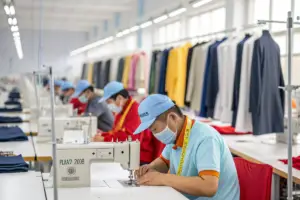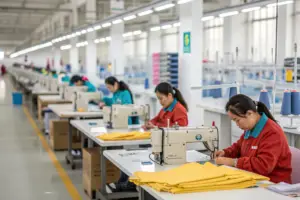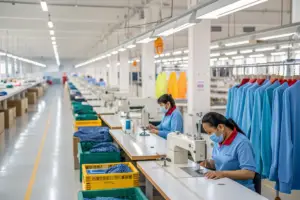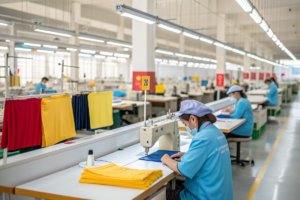
As a factory owner at Shanghai Fumao, I get asked this question daily by brand partners. They know OEKO-TEX is important, but they often see it as just a certificate—a piece of paper. They want to understand what actually changes in our factory when we operate under this standard. How does it translate from a document into real, tangible safety in the fabric their customers will touch? The answer lies not in the certificate itself, but in the entire system of control, testing, and accountability that it forces us to build and maintain every single day.
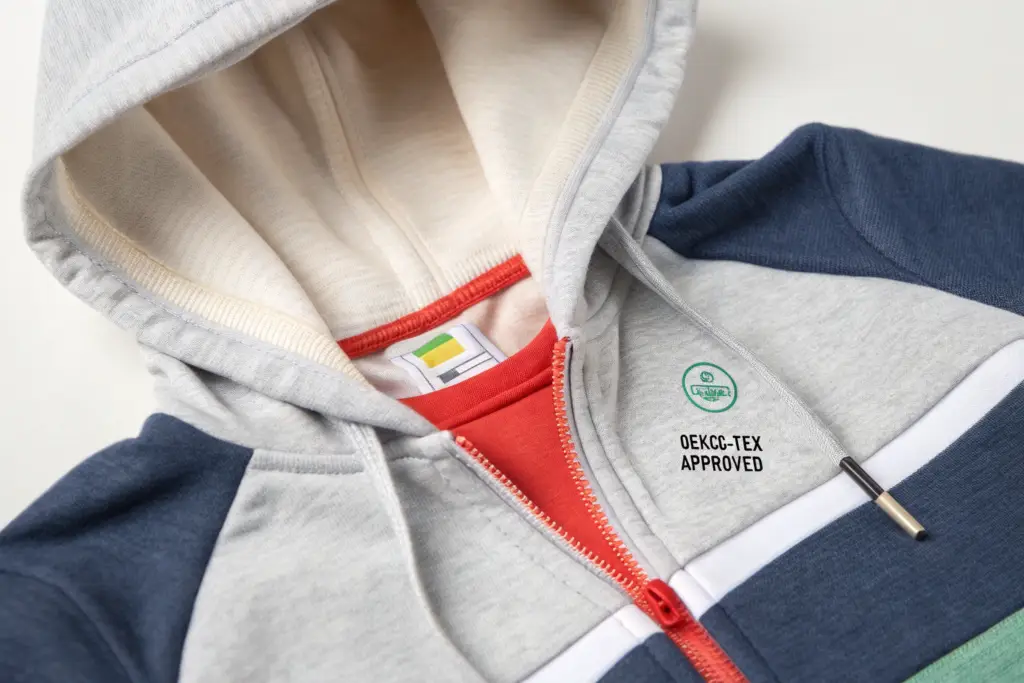
Fumao’s OEKO-TEX status enhances fabric safety for kids’ clothing by implementing a mandatory, third-party-audited control system that governs every component from raw fiber to finished garment. It transforms safety from a final checkpoint into a proactive, integrated process. This means the cotton, dyes, prints, elastics, and even threads in our kids’ wear are pre-screened, batch-tested, and tracked to ensure they contain no harmful levels of over 100 regulated and unregulated substances, long before they reach a child’s skin.
This system exists to solve the exact problems brands fear: hidden toxins, supply chain surprises, and the catastrophic risk of a safety recall. It’s how we turn a promise into a provable fact.
What Does “OEKO-TEX Status” Actually Mean Inside Our Factory?
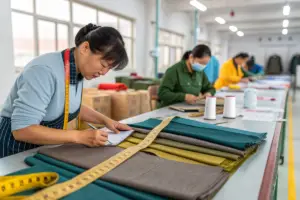
To many, “status” means we passed a test once. In reality, it means we live under a constant framework. When a brand partners with Fumao, they aren’t just buying our production capacity; they are buying into this disciplined ecosystem. I remember a new client from Canada who toured our facility. He was surprised not by our machines, but by our locked chemical storage and our lab technician’s meticulous logs. “This,” he said, “is what I’m actually paying for.”
Inside our factory, OEKO-TEX status means we operate a documented, traceable, and auditable management system specifically for product safety. It mandates strict procedures for supplier approval, raw material testing, in-process control, and final product verification. This systemic approach is the fundamental difference between occasionally checking a product and building safety into every step of its creation.
How does our supplier approval process work?
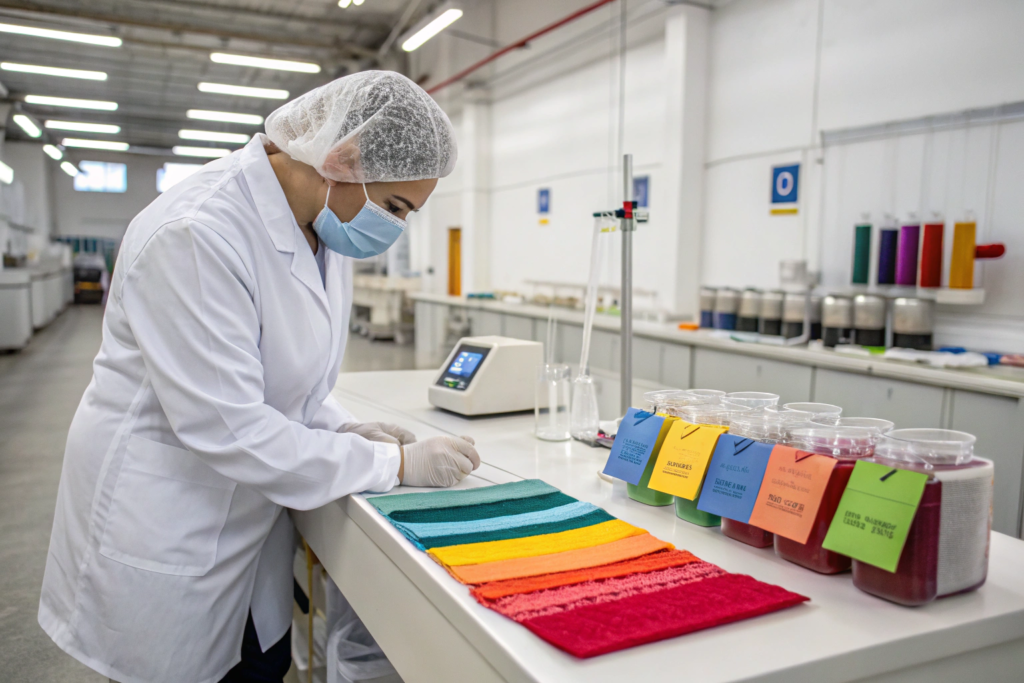
The safety story of a garment begins long before the fabric enters our warehouse. We cannot simply buy the cheapest cotton or the brightest dye. Our OEKO-TEX compliance obligates us to vet every single supplier—for fabric, threads, buttons, zippers, elastics, and prints.
We maintain an Approved Supplier List (ASL). To get on this list, a supplier must provide:
- A valid OEKO-TEX certificate for their specific material.
- Full disclosure of chemical compositions used in their processes.
- Agreement to our terms, which include notification of any process changes.
We learned the importance of this the hard way. Years ago, a trusted ribbon supplier changed their dye formula without telling us. The ribbon passed visual inspection but failed our routine spot-check for allergenic dyes. We caught it, but the incident cost us a week’s delay. Now, our contracts are explicit, and our system is robust. We even run our own random tests on materials from approved suppliers as a secondary check. This dual-layer verification is a core part of Fumao’s risk mitigation. Resources like the ZDHC Manufacturing Restricted Substances List (MRSL) guide our chemical inventory assessments.
What does in-process control look like on the production floor?
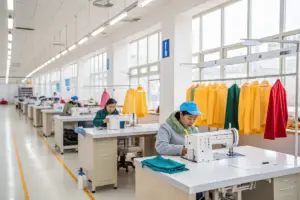
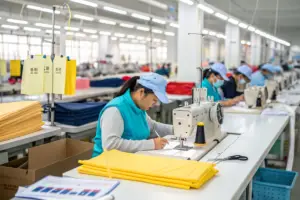
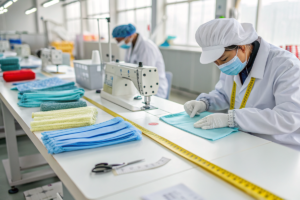
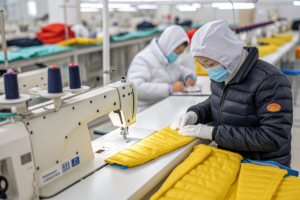
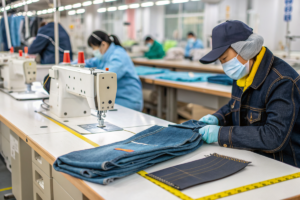
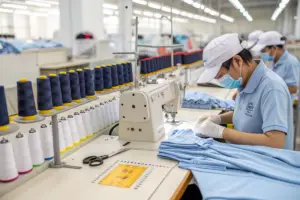
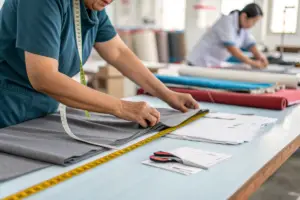
OEKO-TEX isn’t just about what comes in; it’s about what happens on the floor. A major risk is cross-contamination. For example, using a non-certified thread on a certified garment, or running certified babywear after a batch of unregulated adult clothing on the same line without proper cleaning.
Our production managers follow strict protocols:
- Dedicated Storage: OEKO-TEX certified materials are stored separately, with clear labeling.
- Line Clearance: Before a certified order runs, sewing lines are cleaned to prevent residue from previous jobs.
- Component Kitting: All parts for a certified order (fabric, trim, labels) are kitted together from approved stocks to prevent accidental substitution.
This attention to detail prevented a major issue last season. During a large run of OEKO-TEX certified toddler dresses, a new worker grabbed a spool of general-purpose thread. Our line supervisor, trained to spot this, noticed the missing certification tag on the spool and halted the line immediately. The potential breach was contained within minutes, not days. This is the culture the standard fosters.
How Does Our Testing Go Beyond the Basic Certificate?
Anyone can send a final sample to a lab. The real safety is built through preventative and ongoing testing. Our OEKO-TEX status requires us to think like a laboratory, not just a customer of one. We invest in in-house testing equipment not because we have to, but because it allows us to catch problems in real-time, not after a shipment is packed.
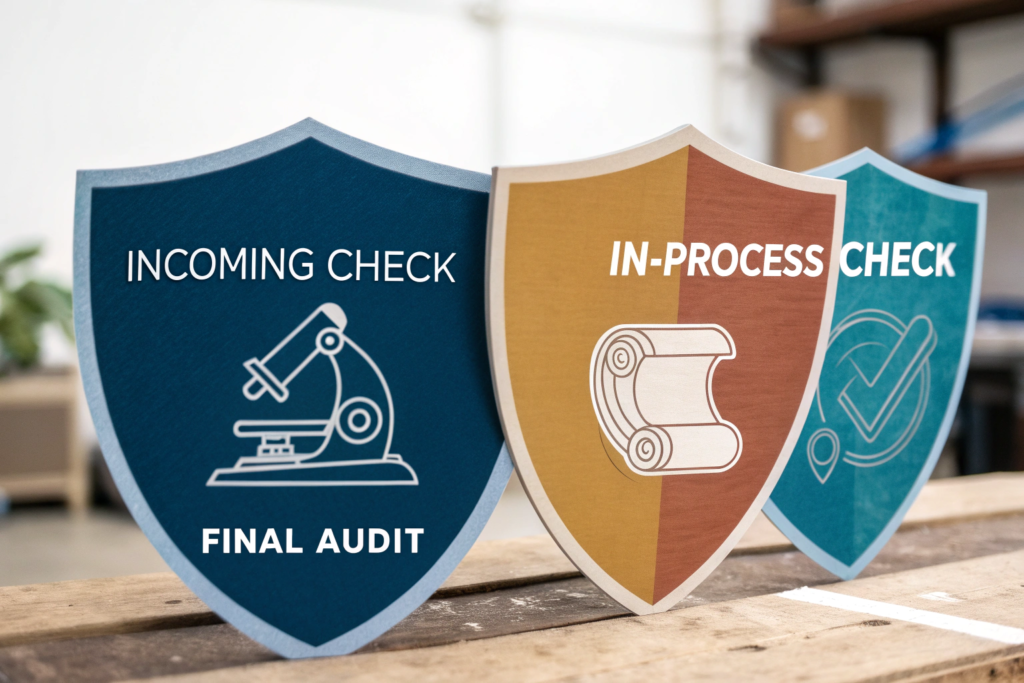
Our testing regimen goes beyond the basic certificate through a three-tiered approach: pre-screening of incoming materials with in-house labs, batch testing during production for critical parameters, and the annual third-party audit by OEKO-TEX itself. This creates a continuous feedback loop that identifies and resolves potential safety issues at the earliest, most cost-effective point in the supply chain.
What can we catch with in-house pre-screening?
We have equipped our QC lab with tools to test for the most common and critical failure points:
- pH Testing: We test the pH value of every fabric lot. Skin-friendly pH (especially the strict Grade 1 range for babies) is crucial to prevent irritation. We’ve rejected fabric batches for being too alkaline before they ever went to cutting.
- Formaldehyde Spot Tests: Quick chemical tests can indicate the presence of formaldehyde above safe limits.
- Colorfastness Rub Tests: While not as precise as lab equipment, we do basic rub tests to flag potential dye-bleeding issues early.
This pre-screening is our first line of defense. For instance, last month, a shipment of otherwise beautiful organic cotton jersey for a US brand’s baby line failed our in-house pH test, reading too high. We immediately contacted the mill, who traced it to a neutralizer error in their finishing. They corrected it and sent new samples, which passed. Because we caught it early, the brand’s production timeline was unaffected. If we had waited for the annual OEKO-TEX audit or a final shipment test, the delay would have been catastrophic.
Why is the annual OEKO-TEX audit more than a test?
The annual renewal is not just sending a new sample. It is an unannounced onsite audit by an OEKO-TEX representative. They inspect our entire system:
- Verifying our approved supplier documentation.
- Checking our chemical inventory against positive and negative lists.
- Reviewing our internal test records and material tracking.
- Ensuring our staff training on OEKO-TEX requirements is up to date.
This audit ensures the system is alive. It keeps us honest and constantly improving. For our clients, this is invaluable. It means their trust in Fumao is backed by a third party who holds us accountable to the same standard, year after year. This aligns with global best practices for quality management systems, where consistent process is key.
How Does This Integrated System Solve Common Brand Pain Points?
Brand owners like Ron have clear frustrations: communication gaps, delayed shipments, and certificate fraud. A piece of paper doesn’t solve these. A living, integrated manufacturing system does. When safety is woven into the process, it creates efficiency and transparency by default.
Fumao’s integrated OEKO-TEX system directly solves common brand pain points by eliminating the root causes. It standardizes communication around verifiable data, prevents delays by catching issues upstream, and makes certificate fraud impossible through full supply chain transparency and direct audit trails. This turns certification from a cost center into a reliability engine.
How does it prevent delayed shipments?
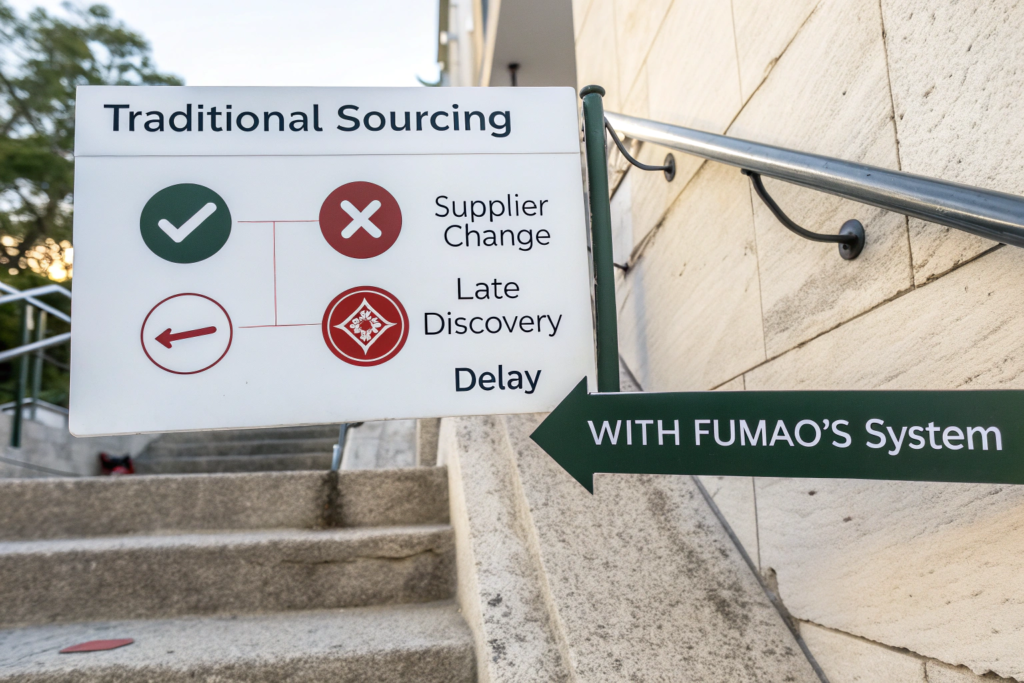
Most delays in kids’ wear occur because a safety or quality issue is discovered too late—at final inspection, or worse, at the importer’s customs lab. Our system is designed for early problem detection.
Consider this common scenario: A brand’s design includes a custom printed graphic. In a non-integrated setup, the factory might outsource the printing. If that printer uses non-compliant inks, the problem might only be found after 10,000 pieces are printed, causing massive delays.
At Fumao, our process mandates that the print supplier is pre-approved and their ink formulas documented. Before bulk printing, we test a print strike-off for compliance. This step alone, which we completed for a client’s cartoon-character tee series last quarter, can save 4-6 weeks of rework time. Our “reliable delivery” commitment is a direct outcome of this preventative safety system.
How does it eliminate communication inefficiency and fraud?
Brands hate playing telephone with multiple suppliers. They also fear fake certificates. Our full-package, OEKO-TEX integrated model provides a single point of truth.
- One Contact: You communicate with your dedicated Fumao manager about fabric, trim, and compliance—all in one conversation.
- Verified Documentation: We don’t just send a PDF. We give clients our unique OEKO-TEX license number and direct them to the official OEKO-TEX certificate check. They can see our company name, the certified product scope, and the validity dates in real-time.
- Traceability: For any garment, we can trace back the lot numbers of the fabric, trim, and threads used. This level of detail turns abstract safety claims into concrete, auditable data.
A distributor client once showed us a certificate from a previous supplier that looked perfect. We helped them look it up; the company name didn’t match the factory they used, and the product description was vague. It was a fraudulent copy. With our system, that deception is impossible. This transparency builds the deep trust that transforms a transaction into a long-term partnership.
What Tangible Benefits Do Brands See in Their Final Product?
At the end of the day, brands need to see and feel the difference. They need to know that this system results in a product that performs better in the market, reduces their operational headaches, and protects their brand equity. The benefits are not theoretical; they are measurable in customer satisfaction and business performance.
The tangible benefits for brands include a significant reduction in customer complaints related to skin irritation, stronger sell-through rates due to credible safety marketing, smoother customs clearance with fewer documentary hurdles, and enhanced brand reputation that allows for premium positioning. Ultimately, it converts the cost of certification into a direct return on investment through risk reduction and market preference.
How does this impact customer reviews and return rates?
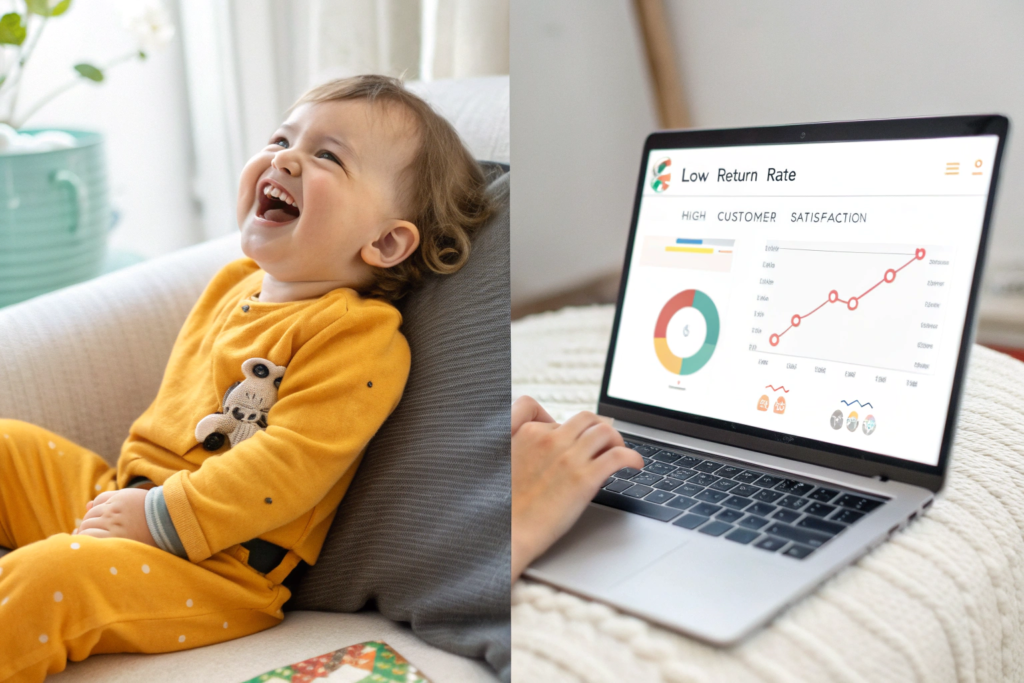
Online reviews are the lifeblood of modern brands. A single negative review about a rash or chemical smell can deter dozens of potential customers. Since partnering with us for their OEKO-TEX certified line, a children’s sleepwear brand reported a drop of over 60% in returns and complaints tagged as “skin irritation” or “quality concern.” Their positive reviews now frequently mention “soft,” “no smell,” and “safe feeling.”
This isn’t luck. It’s the direct result of controlled pH, the absence of residual chemicals, and superior colorfastness—all enforced by the standard. For a brand, fewer returns mean higher profitability and less customer service overhead.
Can certification really affect retail negotiations?
Yes, decisively. Major retailers and distributors are increasingly risk-averse. Having OEKO-TEX certification, especially from a reputable manufacturer with a track record like Fumao, is a powerful negotiating tool. It simplifies their vendor onboarding process because much of the compliance due diligence is already done.
We have clients who include our factory certification and compliance reports in their pitch decks to large retailers like Target or Nordstrom. It gives the buyer confidence. In one case, it helped a brand secure shelf space over a competitor because they could provide full test documentation instantly, while the competitor could not. In the regulatory environments of North America and Europe, this is a concrete business advantage. Understanding retail compliance requirements is key, and our system is built to meet them.
Conclusion
Fumao’s OEKO-TEX status is far more than a badge on our website. It is the operational blueprint for how we guarantee fabric safety for kids’ clothing. It represents a comprehensive, living system of controls—from scientific testing and supplier vetting to production discipline and third-party oversight. This system exists to proactively eliminate risks, ensure transparency, and deliver not just safe products, but also reliable partnerships.
For a brand, choosing Fumao means choosing a partner who has engineered the uncertainty out of safe manufacturing. It means your focus can shift from worrying about compliance to crafting beautiful, successful collections, secure in the knowledge that the foundation is unshakably safe.
If you are ready to build a children’s wear line where safety is a guaranteed feature, not a hopeful claim, let’s talk. At Shanghai Fumao, we have built our factory and our processes around this exact promise. Contact our Business Director Elaine to see how our OEKO-TEX integrated system can become the reliable foundation for your next successful collection. Start the conversation at elaine@fumaoclothing.com.