Sourcing trendy items like girls' corduroy X-strap jumpers is exciting. They combine a classic fabric with a modern design. But when you add the requirement for OEKO-TEX certification, the process becomes more complex. How do you ensure the cute, stylish jumper is also verifiably safe and produced responsibly? Many importers face this challenge, navigating between attractive samples and trustworthy production.
Sourcing OEKO-TEX certified jumpers safely requires moving beyond the certificate to vet the manufacturer's integrated system. It involves verifying traceability from fabric to finish, ensuring audit-ready documentation, and partnering with a factory where compliance is a core operational practice, not just a marketing add-on.
Safety in sourcing is about protecting your business from risk—financial, reputational, and legal. A truly safe sourcing process guarantees that the certification you pay for is genuine, consistent, and backed by a reliable production partner. Let's break down the actionable steps.
Step 1: Vet the Manufacturer, Not Just the Certificate
The first and most critical step happens before you even discuss the jumper design. You must investigate the manufacturer's fundamental commitment to OEKO-TEX standards. A factory that treats certification as a checkbox will be a constant risk.
Start by requesting their OEKO-TEX license number and the specific scope of certification. Then, verify this information independently on the official OEKO-TEX buyer database. This confirms the certification is active and covers the relevant product class (e.g., Class II for articles worn close to the skin). But don't stop there. Ask pointed questions: Is the corduroy fabric itself sourced from OEKO-TEX certified mills? How is certified material segregated in the warehouse from non-certified stock? A manufacturer like Shanghai Fumao welcomes these questions because our systems are built to answer them. We once had a client who discovered a previous supplier's certificate had lapsed six months prior, yet they were still using the logo. That client faced a costly label-removal operation and nearly lost a key retail account.

What specific questions should I ask the factory?
Go beyond "Are you certified?" Ask for their internal control procedure for maintaining certification. Request to see a recent audit report or corrective action log related to substance testing. Inquire about their relationship with their testing institute. Factories with deep commitment have long-term relationships and understand testing protocols intimately. Their answers will reveal if compliance is a managed system or a purchased piece of paper.
Why is on-site or virtual auditing crucial?
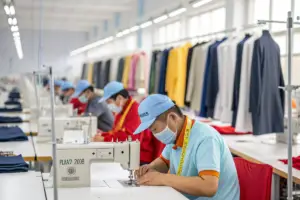
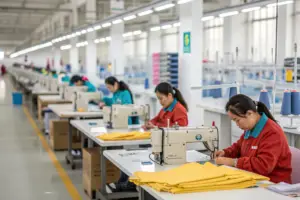
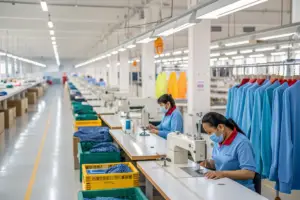
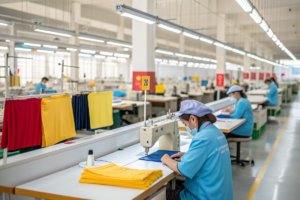
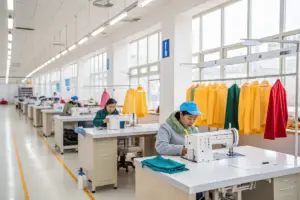
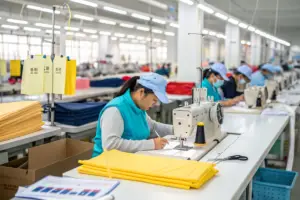
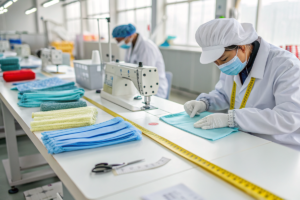
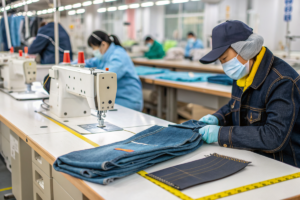
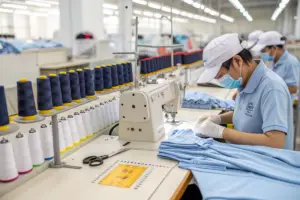
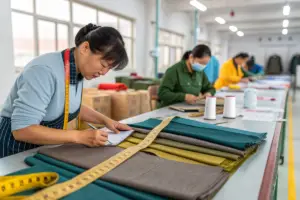
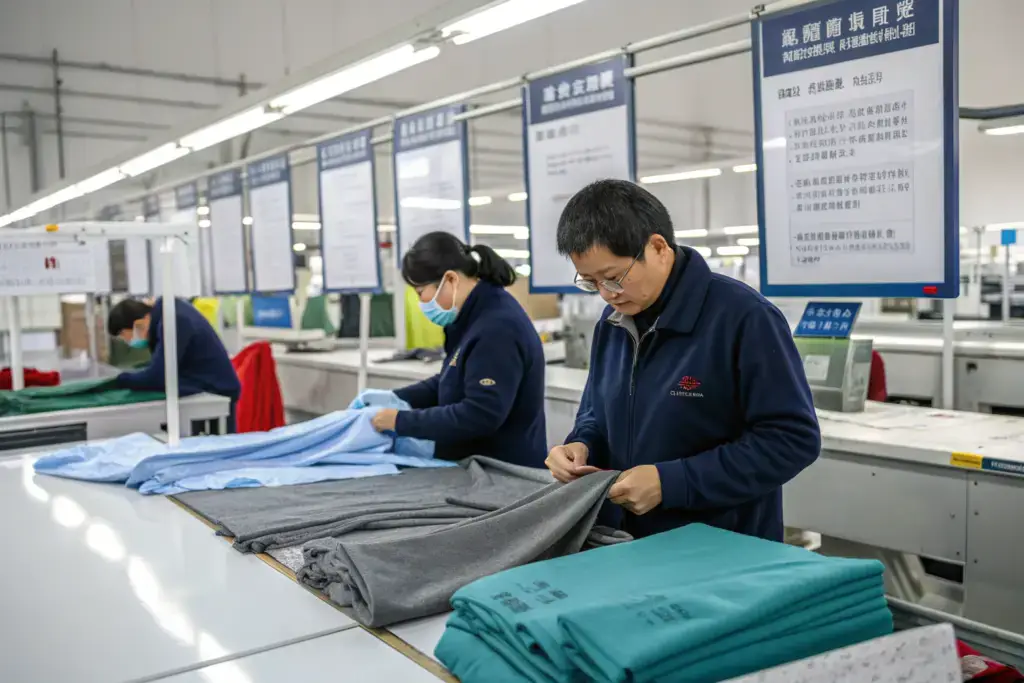
A virtual factory tour is a non-negotiable step. You need to see the production environment and ask for real-time evidence. During a tour, ask them to show you the OEKO-TEX certified fabric roll for a current order, complete with its lab test report. Observe the production floor: are there clear markings separating certified production lines? This due diligence is your primary safeguard against fraud. It transforms the certificate from an abstract concept into a visible, operational reality.
Step 2: Ensure Full Material Traceability and Testing
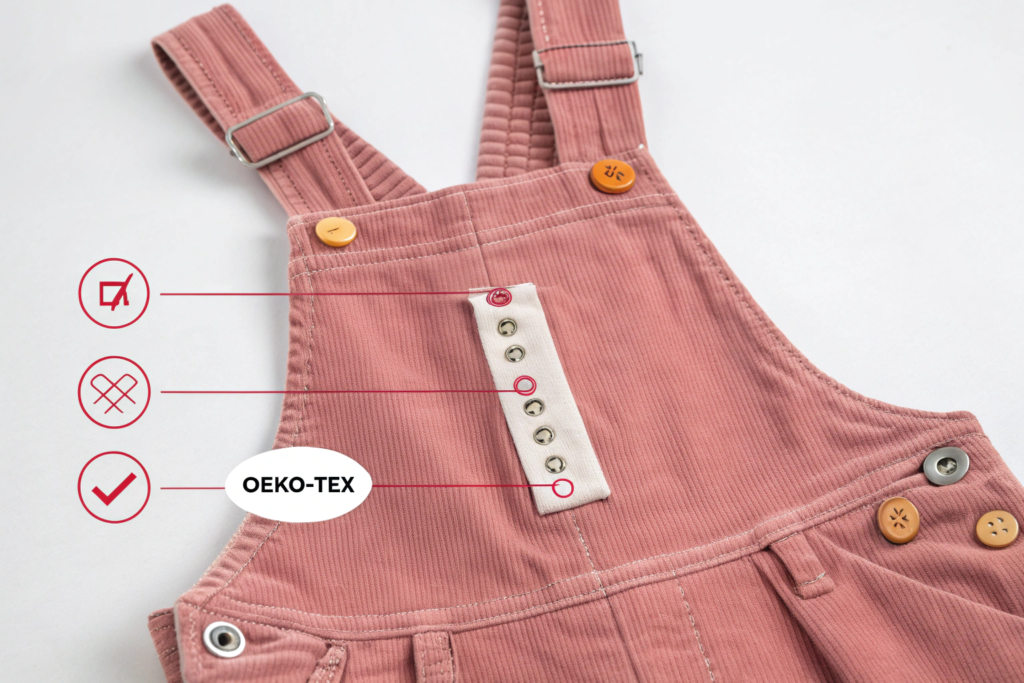
The safety of the finished jumper is only as good as the safety of its components. An OEKO-TEX certified final product requires that all accessories—the corduroy fabric, thread, elastic, straps, and even decorative buttons—come from certified sources and are tested.
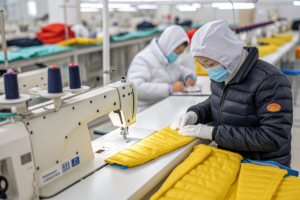
Demand a full bill of materials (BOM) with corresponding OEKO-TEX certificates for each component from the supplier. For your girls' corduroy jumper, this means certificates for the corduroy fabric (stating its product class), the rib knit for cuffs, the polyester thread, and the plastic adjusters on the X-strap. The factory should have these on file. Furthermore, insist on a product-specific test report for the final jumper style from an accredited lab. This report is your ultimate proof of compliance for that specific batch. We had a client sourcing puffer jackets who learned this lesson. Their factory had certified fabric but used non-certified, formaldehyde-treated padding. Only a final product test caught the issue, preventing a potential disaster.
How do I verify component certificates are valid and applicable?
Cross-reference each component certificate's number, issuing institute, and validity period. Ensure the product class on the fabric certificate aligns with your end-use (e.g., children's wear may require a stricter class). Be wary of factories that provide a single, generic fabric certificate for all materials; this is a major red flag. Authentic traceability requires individual documentation for each distinct material.
What is the role of in-house testing?
Leading manufacturers invest in in-house rapid screening tests for common restricted substances like pH value and formaldehyde. This is a strong indicator of proactive quality control. It means they are monitoring compliance throughout production, not just waiting for an annual external audit. Ask if they perform such tests and how often. This layer of internal scrutiny significantly reduces the risk of a batch failing the final, official lab test.
Step 3: Secure Ironclad Documentation in Your Contract
The commercial agreement is where you legally secure all the verifications and promises. Your purchase contract must explicitly tie payment and liability to OEKO-TEX compliance.
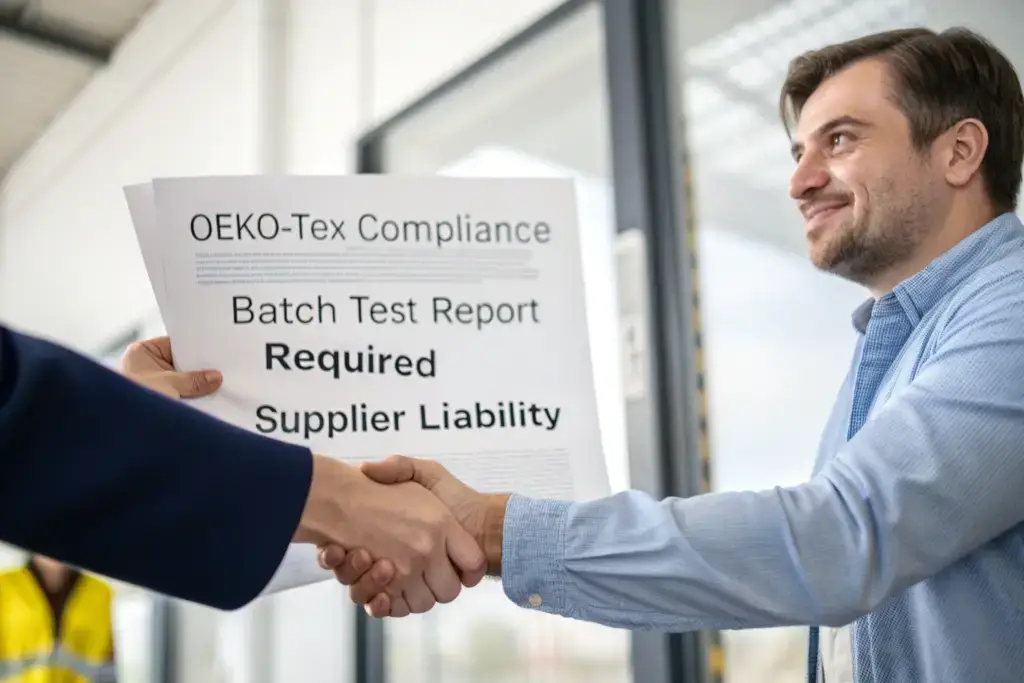
Include clear, unambiguous clauses. Specify that the order is for "OEKO-TEX Standard 100 Certified girls' corduroy X-strap jumpers, Product Class [II or I]." State that the final shipment must be accompanied by the official product-specific test report from an OEKO-TEX accredited institute, and that the report number will be referenced on the commercial invoice. Most importantly, include a clause that makes compliance a condition of payment. For example, a portion of payment (e.g., 10-15%) can be held until the test report is provided and verified. Furthermore, stipulate that any costs associated with a failed test, recall, or customs rejection due to non-compliance are solely the supplier's responsibility. This contractual framework shifts the financial risk back to the manufacturer, incentivizing them to uphold their claims.
Why is a product-specific test report non-negotiable?
A factory's general certificate allows them to produce certified goods. A product-specific test report proves your goods are certified. It is the only document that directly links the lab-tested sample to your purchase order. Customs authorities and savvy retailers will ask for this. Without it, you have no defensible proof that the specific jumpers you received meet the standard.
How should I handle labeling and logo usage?
The contract must specify who is responsible for providing the correct OEKO-TEX hangtags or labels, and approve their design to ensure they meet OEKO-TEX label usage rules. Misuse of the logo is a violation of the license. State that the factory must guarantee the labels are attached correctly to each garment. This attention to detail prevents issues at the point of sale.
Step 4: Implement Pre-Shipment Verification and Clear Logistics
The final safety checks happen just before the goods leave the factory. Do not rely solely on a third-party inspection company's general quality check; you need a verification focused on compliance.
Hire a specialized inspection service or request your agent to perform a pre-shipment documentary review. They should physically check a random sample of packed goods to ensure the correct OEKO-TEX hangtags are attached. They should also verify that the test report numbers on the documents match the production batch. Furthermore, discuss shipping and incoterms clearly. For maximum safety, consider using DDP (Delivered Duty Paid) terms with a partner like Shanghai Fumao, where we handle the entire logistics chain. This reduces the risk of the goods being handled or trans-shipped through channels that could compromise them (e.g., exposure to contaminants). A children's wear brand we work with always includes a "compliance check" module in their pre-shipment inspection, specifically verifying tagging and document matching. This caught an error where an untrained worker used the wrong class label, saving the brand from a compliance violation.

What is the best practice for sample approval?
The development process must include a certified pre-production sample. This sample, made from the actual certified fabrics and components, should be sent for testing before bulk production begins. While this adds a step and cost, it is the safest way to confirm the entire recipe passes. Pay for this test yourself if necessary; it is a wise investment in risk prevention. Approve the bulk production only after receiving a passing test result for this sample.
How does logistics planning affect safety?
Clear logistics planning prevents "grey area" handling. Use a reputable freight forwarder. Ensure the goods are shipped in clean, dry containers. If you are sourcing from a committed manufacturer, they will often manage this leg seamlessly as part of a full-package service, maintaining control and visibility from their production line to your warehouse, which is the safest route.
Conclusion
Sourcing OEKO-TEX certified girls' corduroy X-strap jumpers safely is a meticulous, multi-step process that prioritizes due diligence over speed. It requires vetting the manufacturer's integrated system, ensuring full material traceability, securing compliance through ironclad contracts, and verifying everything before shipment.
The safe path is the strategic one. It leads to a partnership with a manufacturer like Shanghai Fumao, where OEKO-TEX standards are part of the operational DNA, not an afterthought. This approach protects your brand, delights your customers, and builds a foundation for repeat, worry-free business.
Ready to source your next trendy, certified collection with confidence and safety? Partner with a manufacturer who makes compliance transparent and reliable. Contact our Business Director, Elaine, at elaine@fumaoclothing.com to discuss how we can help you bring safe, stylish, and certified girls' jumpers to market.