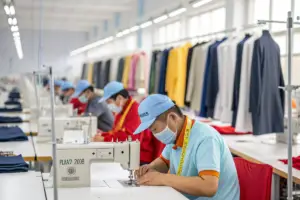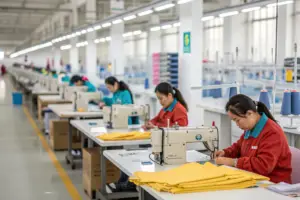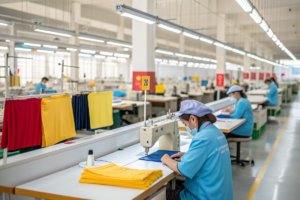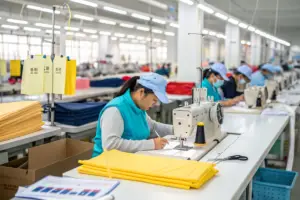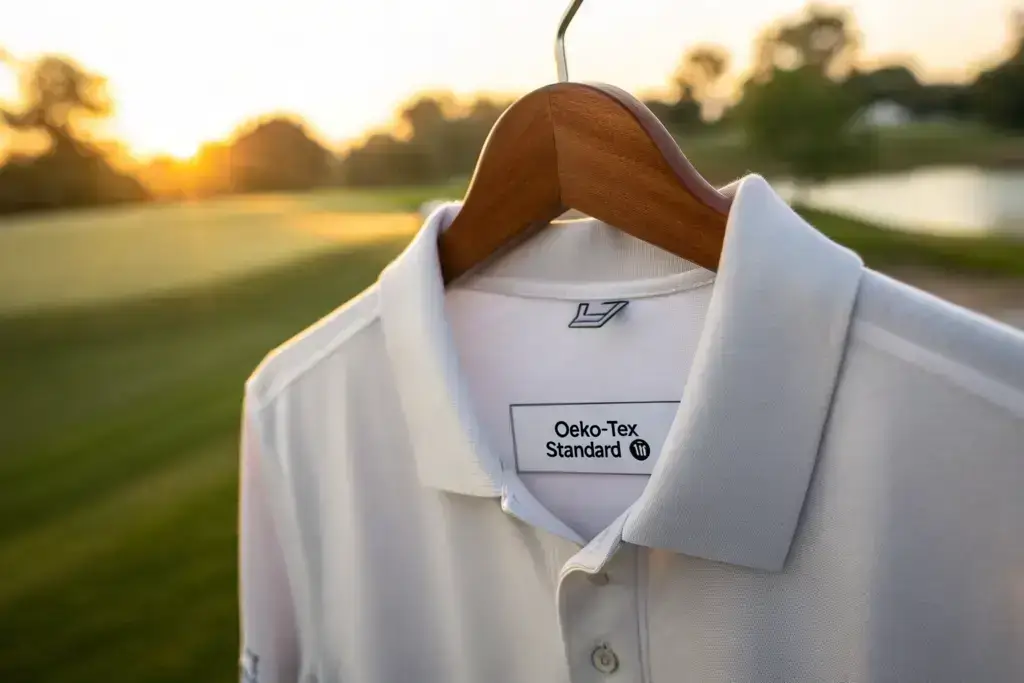
As a seasoned apparel manufacturer, I've seen dozens of certification trends come and go. But in the past three years, one shift has been impossible to ignore: the surge in demand for OEKO-TEX certified garments, especially from golf clubs and resort merchandisers. Last season, we had a prominent golf club in Florida cancel a large Pique Polo order mid-production because their competitor launched a certified collection. The pressure is real, and it's reshaping supply chains.
OEKO-TEX certification, particularly the STANDARD 100 label, is becoming the standard for golf club merchandise because it directly addresses the core concerns of modern consumers and buyers: safety, credibility, and environmental responsibility. It provides a trusted, third-party guarantee that textiles are free from harmful substances, which aligns perfectly with the high-end, health-conscious image of golf brands and the practical demands of long-wear, performance apparel.
Golf apparel is no longer just about logos and colors. It's about the story behind the garment. Club managers and brand buyers are now held accountable for the products they sell. They need to answer tough questions about safety and sustainability. This article will break down exactly why this specific certification has moved from a "nice-to-have" to a "must-have" in the golf world, and what it means for your sourcing strategy.
What Does OEKO-TEX Certification Actually Test For?
Many buyers ask for OEKO-TEX certified fabrics, but few understand the rigorous science behind the label. It's far more than a simple “green” stamp. Last year, a client sourcing custom golf shirts was surprised when we asked about the intended use—whether the garments would have direct skin contact. This detail changes everything, as the OEKO-TEX standard has different testing classes.
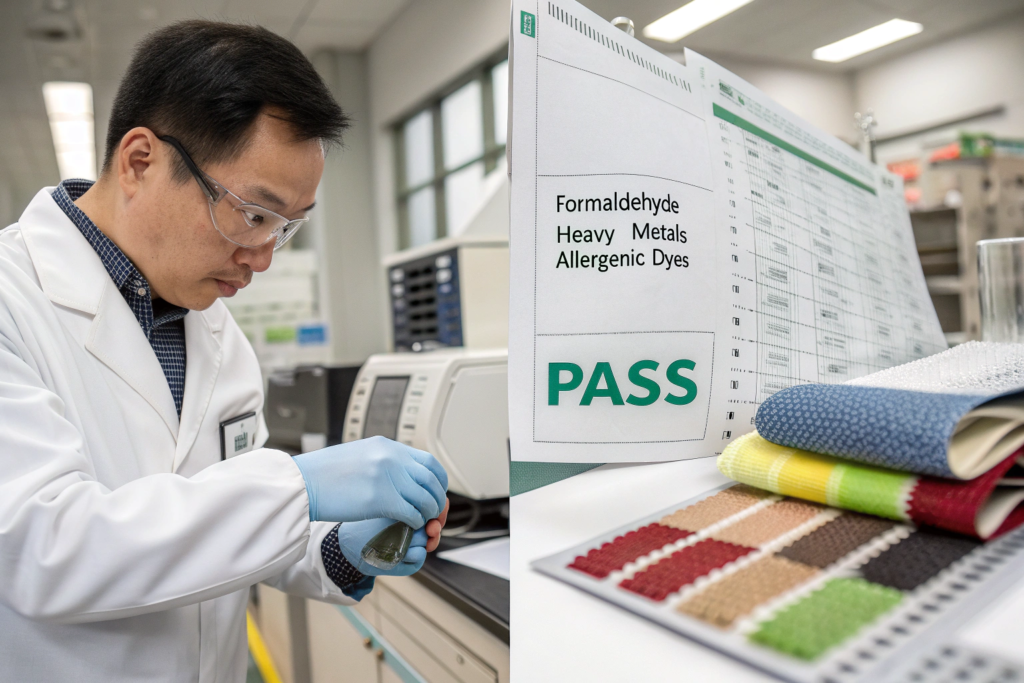
The OEKO-TEX STANDARD 100 is a globally uniform testing and certification system for textile raw materials, intermediate, and end products at all stages of production. It tests for over 100 individual regulated and non-regulated substances that could be harmful to human health, including formaldehyde, pesticides, heavy metals, and allergenic dyes. The key is that it evaluates the final product you receive, not just the raw materials.
How Does the Four-Product Class System Work?
OEKO-TEX classifies products into four categories based on human ecological requirements. Class I is for baby items (most strict), Class II for items with direct skin contact (like underwear and most golf polos), Class III for items with no or little skin contact (like jackets), and Class IV for decoration materials. For golf merchandise, Classes II and III are most relevant. A moisture-wicking base layer or a premium polo shirt demands Class II certification, ensuring the highest safety for garments worn directly against the skin for extended periods, often during physical activity. This granularity is why a generic "certified fabric" claim is insufficient. You must verify the specific product class on the official OEKO-TEX certificate, which we always provide for every batch at Shanghai Fumao. Understanding this system helps you make precise claims to your end-customers.
Why is On-Site Auditing and Annual Renewal Critical?
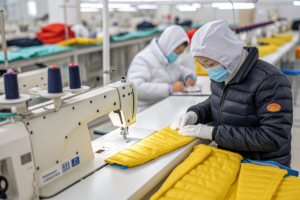
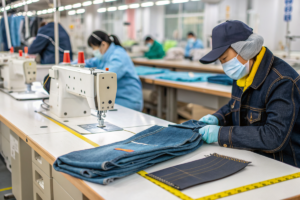
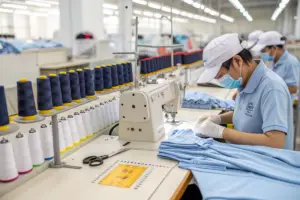
A certificate is only as good as the system behind it. OEKO-TEX certification is not a one-time event. It requires annual renewal and includes unannounced on-site audits of the manufacturing facility. This process ensures ongoing compliance. We experienced this firsthand when an auditor visited our factory unexpectedly to check our quality control processes and chemical inventory management. This rigorous upkeep prevents suppliers from cutting corners after obtaining the initial certificate. For you, the buyer, this means continuous assurance. It directly addresses the pain point of suppliers falsifying documents. When you work with a certified partner like us, you're not just buying a product; you're buying into a verifiable, audited system of responsible production. The International Association for Research and Testing in the Field of Textile Ecology provides the framework that makes this global consistency possible.
How Does OEKO-TEX Impact Golf Apparel Quality and Performance?
There's a misconception that "safe" means "less durable" or "less performant." In reality, the opposite is true. The pursuit of OEKO-TEX certification often drives factories to adopt better materials and more precise processes. Two seasons ago, we developed a line of UV-protection golf shirts for a California resort that required OEKO-TEX certification. The quest to find certified, functional fabrics led us to superior moisture-wicking yarns that not only passed the chemical tests but also outperformed our standard options in breathability tests.
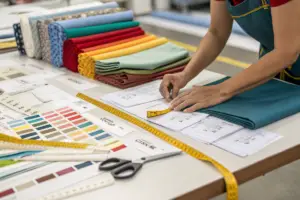
Achieving certification forces a holistic review of the supply chain. It starts with sourcing certified threads and fabrics from trusted mills, which typically have higher quality benchmarks. Then, it governs the use of safer dyes and auxiliaries during production. These higher-grade inputs contribute directly to the garment's hand feel, colorfastness, and longevity. A shirt free from harmful residual chemicals is inherently gentler on the skin and more resistant to premature degradation from those substances.

Does It Improve Durability and Color Retention?
Absolutely. The restricted substance list bans certain heavy metals and problematic dyes that can accelerate fabric breakdown or cause colors to fade unevenly. For example, using safer, more stable dyes for custom logos ensures the embroidery or print remains vibrant wash after wash, maintaining that premium look crucial for brand merchandise. This focus on chemical management aligns with advanced apparel manufacturing practices that prioritize product lifespan. A common table we share with clients illustrates the difference:
| Feature | Non-Certified Common Practice | OEKO-TEX Certified Approach | Benefit for Golf Apparel |
|---|---|---|---|
| Dyes & Pigments | May use cheaper, less stable options. | Must use tested, safe dyes with high stability. | Better colorfastness against sun and sweat. |
| Fabric Softeners/Finishes | Often contain formaldehyde resins. | Banned; replaced with safer alternatives. | No skin irritation, retains fabric breathability. |
| Heavy Metal Content | Possible traces in dyes or prints. | Strictly limited to negligible amounts. | Fabric integrity lasts longer; safer for long-term wear. |
How Does It Enhance Wearer Comfort and Brand Trust?
Comfort is king in golf. A shirt that causes itching or irritation during a four-hour round is a guaranteed failure. OEKO-TEX certification specifically limits substances known to cause skin allergies. This creates a safer, more comfortable wearing experience. For the golf club or brand, this translates directly into customer satisfaction, repeat purchases, and reduced returns. Selling a polo with a recognizable OEKO-TEX label is a powerful trust signal. It tells your members you care about their well-being and have done the due diligence they expect. It elevates your merchandise from simple branded gear to a considered, premium product. This brand trust is a key component of modern brand marketing in the apparel space.
What Are the Logistics Advantages of Sourcing OEKO-TEX Certified Gear?
The benefits extend far beyond the product itself into the smooth operation of your business. Sourcing certified products from a certified factory like Shanghai Fumao introduces a layer of predictability and risk mitigation into your logistics and supply chain. We have seen clients who consolidate their sourcing with certified partners experience fewer delays at U.S. ports, as documentation is precise and readily available.
Many major markets are tightening regulations on textile imports (think California Prop 65, REACH in Europe). OEKO-TEX STANDARD 100 is globally recognized and often exceeds these regional legal requirements. By sourcing certified goods, you are effectively future-proofing your inventory against evolving compliance standards. This pre-emptive compliance drastically reduces the risk of costly shipment holds, rejections, or legal issues downstream. It’s a proactive approach to logistics management.
How Does It Streamline Customs and Documentation?
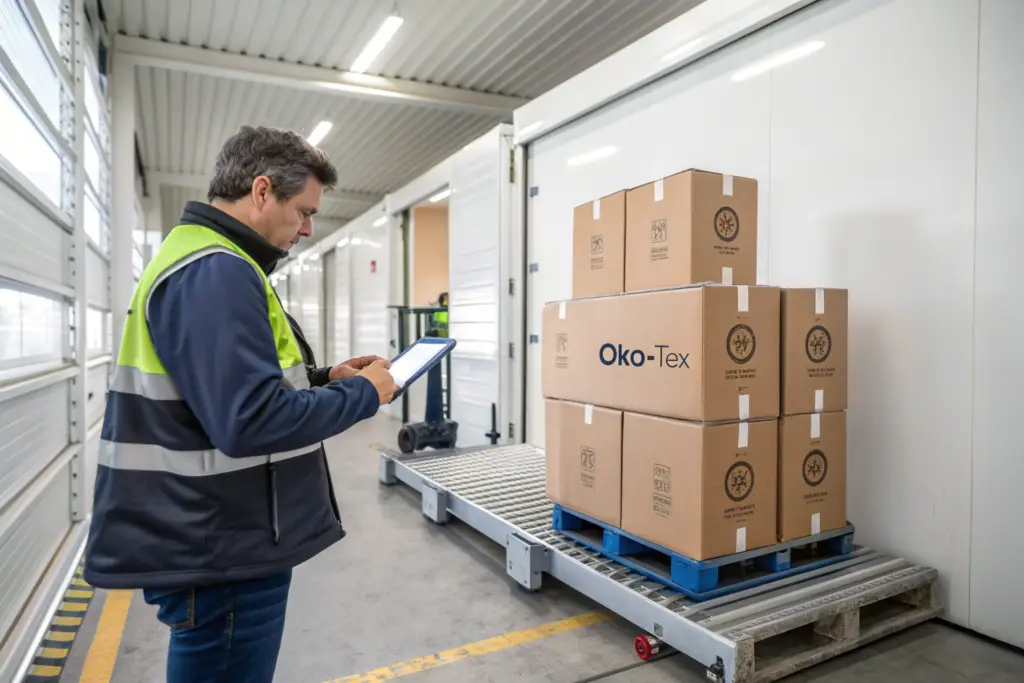
Customs authorities are increasingly aware of certification labels. Presenting an official OEKO-TEX certificate with your shipment documentation can facilitate smoother clearance. The certificate provides a clear, standardized declaration of the product's safety, reducing the likelihood of additional, time-consuming inspections or testing. For our clients, we integrate this certification data directly into the comprehensive shipping documents we provide as part of our DDP (Delivered Duty Paid) service mode. This turnkey solution removes guesswork and administrative burden from your team, allowing you to focus on sales and distribution.
Can It Prevent Missed Selling Seasons?
Indirectly, yes. The discipline required for certification—from raw material selection to controlled production—often correlates with a more professional and reliable factory operation. A facility that invests in maintaining this certification is typically more organized, with better process controls. This leads to more predictable production timelines and higher on-time delivery rates. While no one can guarantee absolute immunity from delays, partnering with a certified manufacturer significantly de-risks your supply chain. It addresses the core pain point of unreliable suppliers and delayed shipments that destroy seasonal selling opportunities. Consistent, on-time delivery is a cornerstone of our promise at Shanghai Fumao.
Is the Cost of OEKO-TEX Certification Worth It for My Golf Brand?
This is the fundamental question for every business owner focused on the bottom line. The initial cost is undeniably higher. Certified fabrics and dyes carry a premium, and the testing and auditing fees add to the unit cost. However, viewing this only as an expense is a short-sighted approach. The real calculation should be on Return on Investment (ROI) and risk mitigation.
The investment should be framed as brand insurance and a market differentiator. For a mid-sized golf club that switched their entire merchandise line to OEKO-TEX with us, they reported a 15% increase in average selling price and a 30% reduction in customer inquiries about product safety within one year. The certification gave them a confident story to tell, which justified the premium and built stronger member loyalty.

How to Justify the Premium to Your Customers?
The key is transparent communication. You are not just selling a shirt; you are selling peace of mind, superior comfort, and a commitment to quality. Use the certification in your marketing—on tags, in descriptions, and in sales conversations. Explain what it means in simple terms: "This polo is certified free from over 100 harmful substances, for your comfort and our planet." This resonates deeply with today's consumers. It transforms the purchase from a transactional buy into an alignment of values. This storytelling ability is a powerful tool for brand building and allows you to command a price that protects your profit margins, effectively offsetting the initial higher cost.
What is the Hidden Cost of Not Being Certified?
The potential costs of non-certification can be far greater: a batch rejected by customs, a product recall due to a compliance issue, or a public relations problem if a consumer raises a safety concern. These events are catastrophic for cash flow and brand reputation. Furthermore, as certification becomes the norm, not having it may soon put you at a competitive disadvantage. You risk appearing behind the times or, worse, indifferent to product safety. Investing in certification is a strategic move to avoid these hidden, potentially business-ending costs. It secures your supply chain and protects your brand's reputation in the long term.
Conclusion
OEKO-TEX certification is no longer a niche trend in the golf apparel world; it is rapidly becoming the baseline standard. The drivers are clear: heightened consumer awareness, increasing regulatory scrutiny, and the competitive need for credible differentiation. It is a comprehensive solution that touches every aspect of the business—from product safety and enhanced performance to streamlined logistics and fortified brand equity.
The journey to certified merchandise requires a partnership with a knowledgeable and transparent manufacturer. It's about finding a supplier who understands the standard inside and out, controls their production chain, and can provide the verifiable documentation to support your claims. This is where expertise matters.
If you are ready to future-proof your golf club or brand's merchandise with OEKO-TEX certified apparel that combines unquestioned safety with exceptional quality, let's talk. We at Shanghai Fumao have the experience, the certified facilities, and the dedication to be your reliable partner in this shift. Bring your vision to market with confidence. For a detailed consultation on developing your certified collection, please contact our Business Director Elaine at: elaine@fumaoclothing.com.