If you're sourcing or developing performance base layers and sweat-wicking underwear, breathability isn't just a feature—it's the core function. You invest in advanced fabrics like polyester microfibers or merino wool blends specifically for this reason. So, when the requirement for OEKO-TEX or other chemical safety certifications comes up, a critical question arises: Do the chemical treatments or restrictions inherent to certification compromise the very breathability and moisture management we design for?
No, properly implemented OEKO-TEX certification does not negatively affect the breathability or wicking performance of underwear. In fact, by restricting the use of certain heavy chemical finishes and ensuring safer alternatives, it can lead to a more consistent and higher-performing fabric. The key is that the certification tests the final product's safety, not its physics; breathability is determined by fiber type, yarn construction, and knitting technology, which remain uncompromised.
The misconception stems from associating "chemical treatment" with "heavy coating." In reality, harmful substances like certain APEOs (surfactants) or heavy metals are process chemicals, not performance finishes. Eliminating them doesn't remove the technical wicking or breathable treatment; it ensures that treatment is done with safer chemistry.
How does OEKO-TEX certification interact with technical fabric properties?
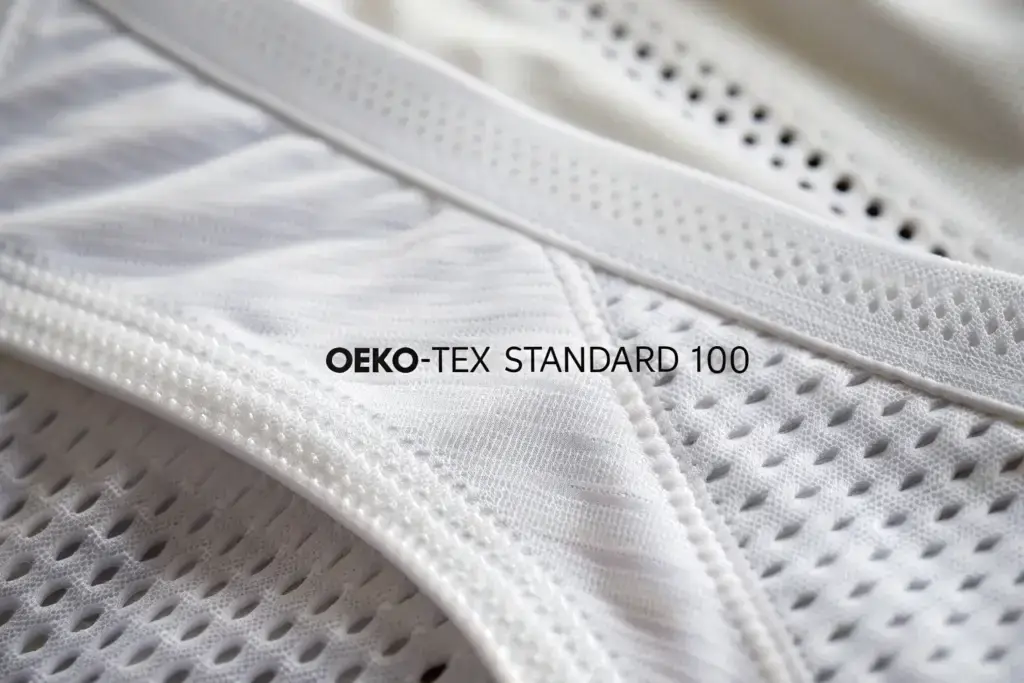
To understand why breathability remains intact, we must separate chemical safety from physical construction. OEKO-TEX STANDARD 100 is a test of chemical residues on the finished fabric, not a mandate that changes its weave or fiber morphology.
Breathability is primarily a function of:
- Fiber Hydrophobicity/Hydrophilicity: Polyester is naturally hydrophobic (water-repelling), so it's engineered with capillary channels. Merino wool is naturally hydrophilic. These inherent properties are not altered by certification.
- Yarn and Knit Structure: The density of the knit, the use of specific engineered yarns (like hexagonal or channeled cross-sections), and fabric porosity determine air and moisture flow. This is a mechanical, design-stage decision.
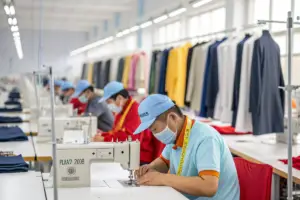
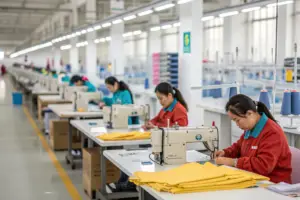
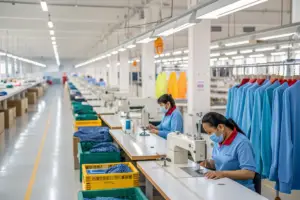
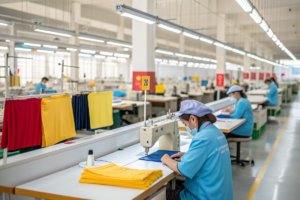
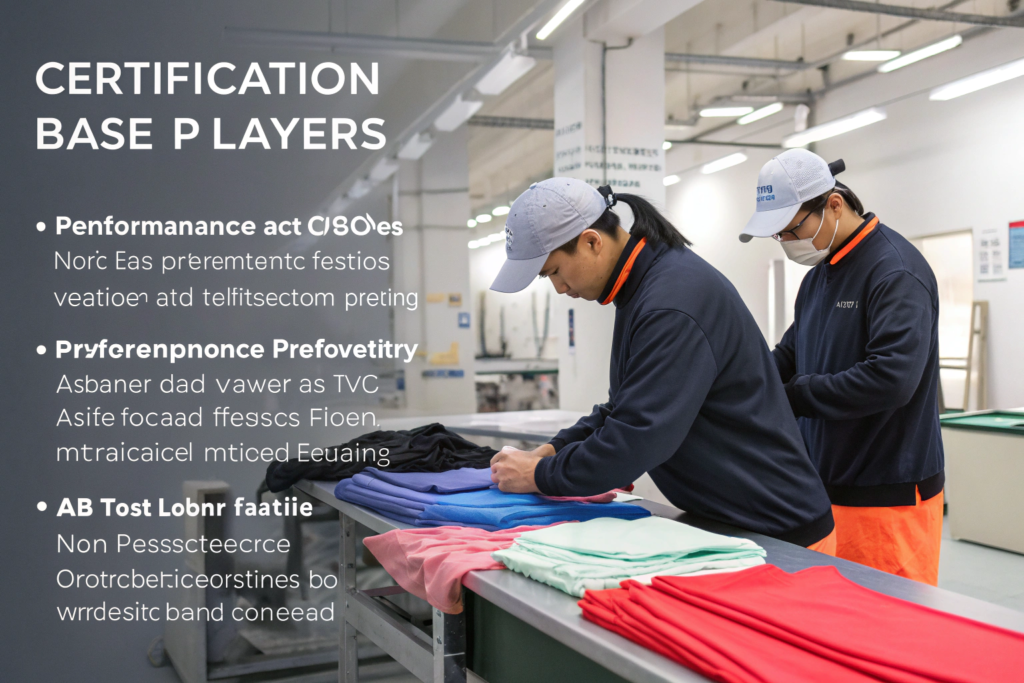
The certification process does not restrict these design choices. At Shanghai Fumao, when we develop activewear base layers, we first select the performance fabric for its technical specs. Then, we work with our mill partners to ensure that all dyes, processing aids, and any durable wicking treatments (like moisture management finishes) are applied using OEKO-TEX compliant chemistry. The performance outcome is tested and validated. For a client's high-end cycling underwear line, we sourced an OEKO-TEX certified polyester microfiber. Third-party lab tests confirmed its moisture vapor transmission rate (MVTR) was identical to the non-certified version of the same fabric, while the certified version guaranteed no harmful residues.
Can the restriction of certain chemicals actually improve performance?
Yes, indirectly. Some restricted substances, like certain heavy metals or formaldehyde, can be found in low-quality dyes or fixing agents. These can sometimes affect fabric hand feel or cause inconsistent performance. By mandating higher-quality, compliant chemical inputs, the certification can lead to a more predictable and pure fabric substrate. This results in more consistent wicking and breathability across production batches, which is a crucial quality control factor for brands. It removes a variable from the product development process.
What about PFAS/DWR treatments in underwear?
This is a key point. While some outdoor apparel uses PFAS-based DWR (Durable Water Repellency) on outer layers, this is generally not used on sweat-wicking underwear, as its purpose is to repel water, not wick it. OEKO-TEX's strict limits on PFAS are therefore irrelevant to the core function of most base layers. However, if a fabric uses a proprietary wicking treatment, it must be certified as safe. Reputable chemical suppliers like Archroma offer OEKO-TEX compliant performance chemistry, ensuring safety and function are not at odds.
What are the testing protocols, and do they measure performance?
OEKO-TEX certification bodies do not test for breathability or wicking. Their tests are strictly chemical: they extract substances from the fabric and analyze them for restricted chemicals. The performance of the fabric is a separate specification managed by the brand and manufacturer.
This means your due diligence must be two-pronged:
- Verify the OEKO-TEX Certificate: Ensure it's valid and covers the finished garment.
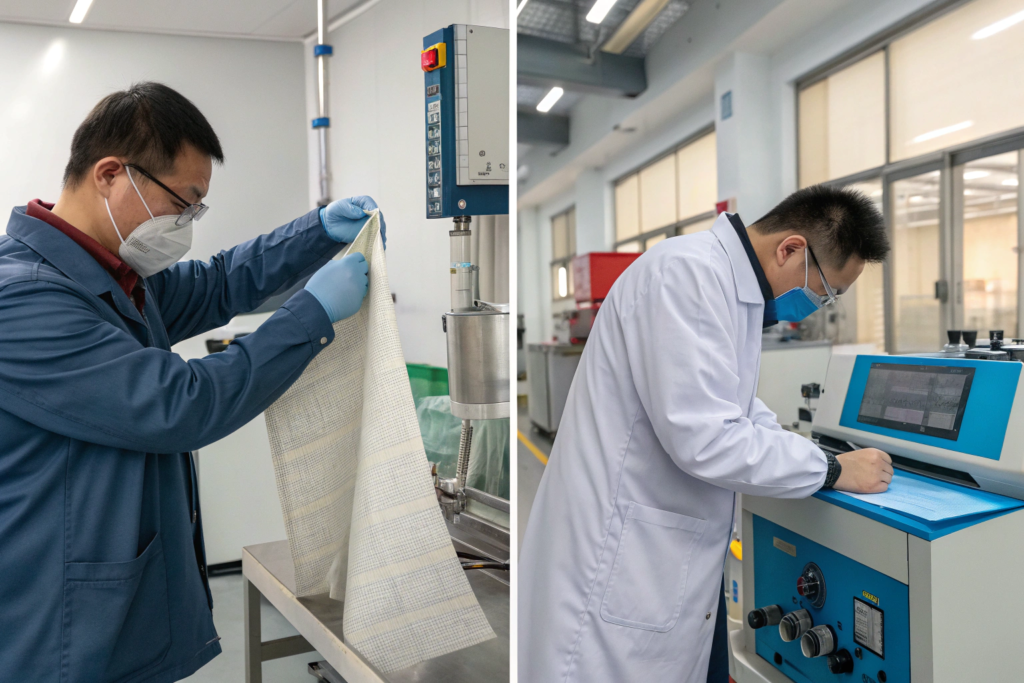
- Conduct or Request Performance Testing: Insist on objective data for Moisture Wicking (AATCC 195), Drying Time, and Breathability (MVTR or RET value). A professional manufacturer should be able to provide this data from fabric mill testing or in-house quality assurance labs.
We provide a dual-documentation pack for our performance underwear clients: the OEKO-TEX certificate and a performance test report from an accredited lab. This comprehensive approach directly addresses the buyer's dual need for safety and function, turning certification into a component of a superior product development file.
How should this be communicated in B2B sales and marketing?
For B2B sales, especially to brands focused on performance wear, the message is: "We deliver safety without sacrifice." Your technical pitch should clearly differentiate:
- "Our fabrics are OEKO-TEX STANDARD 100 certified, ensuring they are free from harmful substances."
- "They are constructed from [specific yarn type, e.g., 40-denier polyester with a hexagonal cross-section] and knitted on [specific machine gauge] to deliver a moisture vapor transmission rate (MVTR) of X g/m²/24h, ensuring optimal breathability."
This demonstrates technical mastery and assures the buyer that certification is an added layer of value, not a constraint on performance. It answers the pain point of having to choose between safety and function.
Are there any potential pitfalls or considerations?
While the standard itself doesn't hinder performance, the implementation by the manufacturer can if not managed correctly.
The primary risk is a manufacturer selecting a cheaper, inherently less breathable fabric simply because it's available in an OEKO-TEX certified version, rather than working to get a high-performance fabric certified. Your sourcing must prioritize performance first, then certification. Ask your supplier: "Did you start with a performance fabric and make it certified, or did you start with a certified fabric and hope it performs?" The process matters.

Does certification impact cost or lead time for technical fabrics?
There can be a cost premium for certified, high-performance fabrics, as the mills producing them are typically more advanced and their chemical processes are more controlled. Lead times might also be slightly longer due to the specific testing and documentation. However, this is part of the value proposition. At Shanghai Fumao, our partnerships with leading technical fabric mills allow us to source certified, high-performance materials efficiently, balancing competitive pricing with reliable delivery of truly functional products.
How does this apply to natural fibers like merino wool?
The principle is the same. For OEKO-TEX certified merino wool underwear, the certification ensures that the scouring, dyeing, and any anti-itch or anti-odor treatments applied to the wool use safe chemistry. It does not alter wool's natural hygroscopic and temperature-regulating properties. In fact, certification can give buyers confidence that the luxurious, natural feel of the wool hasn't been compromised by harsh processing chemicals.
Conclusion
The relationship between OEKO-TEX certification and the breathability of sweat-wicking underwear is one of harmony, not conflict. The certification safeguards the chemical integrity of the fabric, while its physical structure—the very architecture of breathability and moisture transport—remains untouched and can be optimized independently.
For brands, this means you do not have to choose. You can and should demand both: independently verified chemical safety and lab-tested high performance. The winning manufacturer is the one that masters the integration of both, providing a product that is safe for the skin and engineered to excel in its function.
If you are developing a line where peak performance and proven safety must coexist, partner with a manufacturer who understands this synthesis. Shanghai Fumao specializes in engineering certified activewear that performs under pressure. Let's create base layers that are as safe as they are capable. Contact our Business Director Elaine: elaine@fumaoclothing.com.