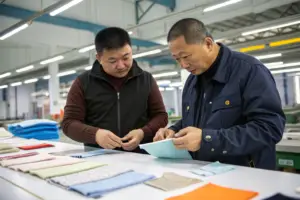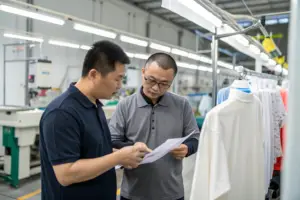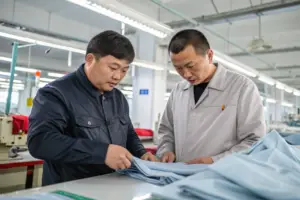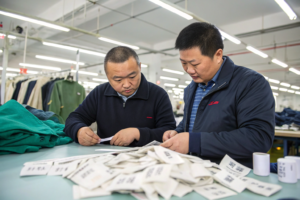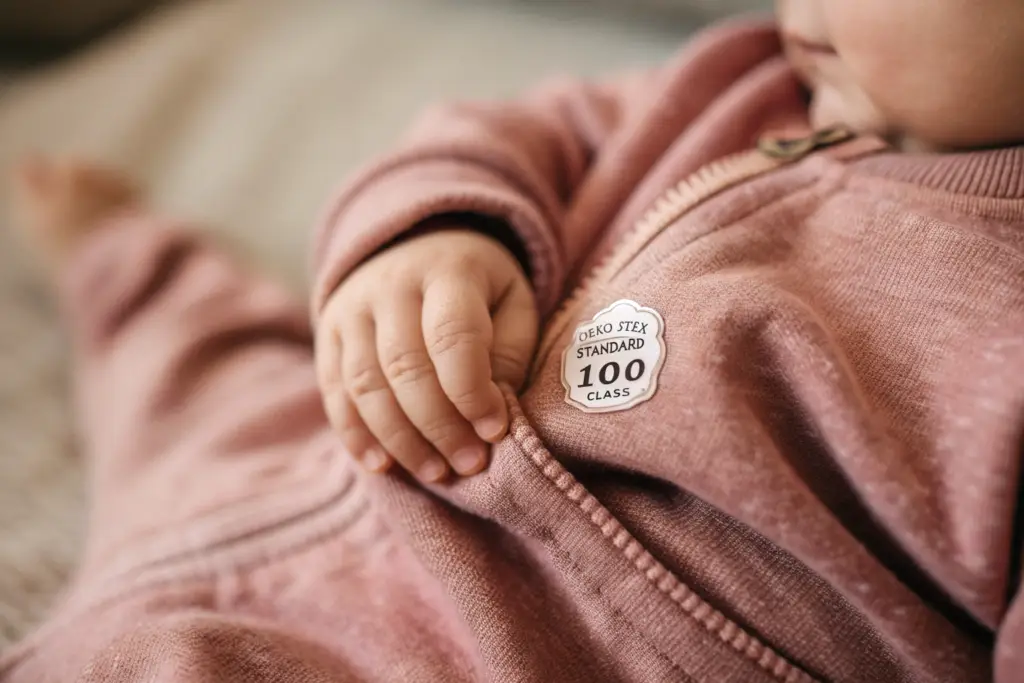
As a parent, you want nothing but the best for your little one. Softness, comfort, and adorable style are what you see in a baby girls' French Terry romper. But as a brand owner or buyer sourcing these products, you must look deeper. Beneath that cute print and cozy fabric lies a critical responsibility: ensuring absolute safety for a baby's delicate and developing system. Why is a general "safe" claim not enough, and what makes OEKO-TEX STANDARD 100 Class 1 the non-negotiable benchmark?
OEKO-TEX 100 Grade 1 is critical because it is the only globally recognized certification designed specifically for a baby's unique vulnerability. It goes beyond basic fabric safety to address the specific risks of infant product use—like mouthing and heightened skin permeability—with the strictest possible limits on harmful substances. For a French Terry romper, which is designed for comfort and often for sleepwear, this certification is not an add-on; it is the fundamental definition of quality and duty of care.
Let's examine the specific vulnerabilities of infants and how this certification addresses each one, making it essential for any brand that values trust and long-term customer loyalty.
What Makes a Baby's Skin and Body Uniquely Vulnerable?
An infant is not a small adult. Their physiological systems are rapidly developing and exceptionally permeable. Their skin is about 30% thinner than adult skin, with a higher surface area to body weight ratio. This means their skin absorbs substances more easily and efficiently. Furthermore, babies explore the world orally—it's a primary learning mechanism. A romper's sleeve, cuff, or collar will inevitably end up in their mouth, introducing a direct ingestion pathway for any chemicals present in the fabric or dyes.
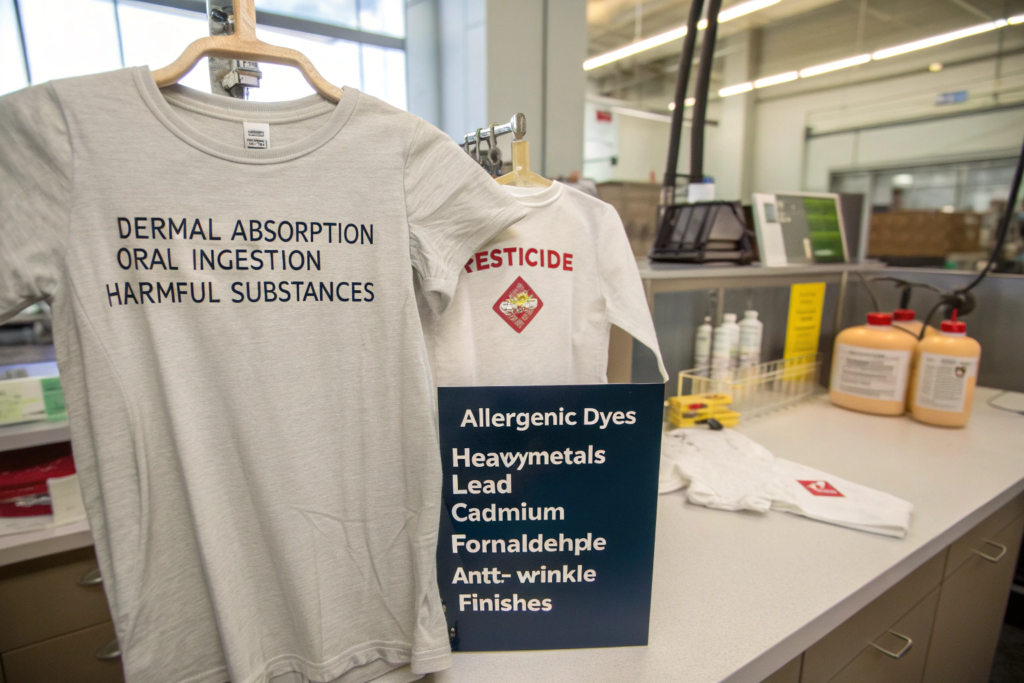
This combination of dermal absorption and oral ingestion creates a dual exposure risk that adult apparel standards simply do not account for. A substance present at a level deemed "safe" for an adult t-shirt could pose a significant risk to an infant. Common threats include residues from pesticides in conventional cotton, allergenic disperse dyes, heavy metals like lead and cadmium from pigments, and formaldehyde used for anti-wrinkle finishes.
How does mouthing behavior amplify chemical exposure risks?
Mouthing turns fabric into a potential vehicle for chemical ingestion. When a baby sucks on wet fabric, the process can extract—or "leach"—chemicals that would otherwise remain bound. OEKO-TEX Class 1 testing includes a "saliva and sweat" resistance test specifically designed to simulate this scenario. It checks if harmful substances migrate from the fabric under these conditions. For a French Terry romper, which is often used during play and nap times, this test is paramount. We once worked with a brand that had to recall a line of baby leggings from a previous supplier due to color bleeding during washing, which indicated poor dye fixation and a potential ingestion risk. Switching to our Class 1 certified production eliminated this concern entirely.
Why are standard "adult" safety limits inadequate for infant wear?
The tolerance levels are vastly different. Class 1 (Babywear) imposes the strictest limits across the entire OEKO-TEX spectrum. For example, the limit for formaldehyde in Class 1 is 16 mg/kg, while for Class 2 (garments worn directly on adult skin) it is 75 mg/kg. This nearly five-fold difference is based on toxicological risk assessment for infants. Similarly, the list of substances tested is more comprehensive for Class 1, including a stricter screening for phthalates and heavy metals. Sourcing a baby's romper that only meets general adult standards is, therefore, a significant compromise on safety. At Shanghai Fumao, we mandate Class 1 compliance for all our babywear production, ensuring that the adorable styles we produce for your brand are underpinned by the most rigorous safety science available.
How Does French Terry Fabric Pose Specific Safety Challenges?
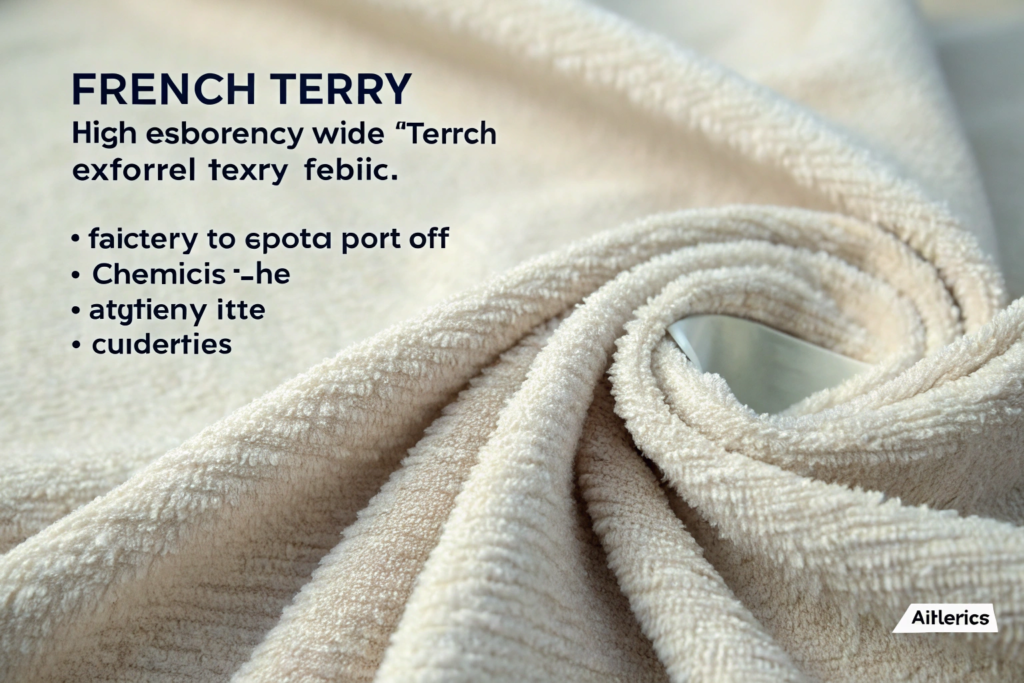
French Terry is beloved for its soft, loop-backed texture and breathability. However, its very construction and common finishing processes introduce specific points where chemical risks must be meticulously controlled. The fabric is a knit, often made of cotton or cotton-blend yarns, which undergoes dyeing, washing, and finishing.
The high absorbency that makes French Terry comfortable also means it can retain chemical residues if not properly rinsed. The "terry" or loop side has a larger surface area, potentially increasing exposure. Furthermore, to achieve the desired soft hand-feel, factories often use chemical softeners. Some of these softeners can contain unwanted substances like APEOs (alkylphenol ethoxylates), which are restricted under OEKO-TEX.
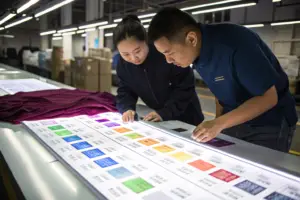
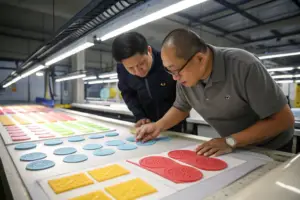
The dyeing process is a critical control point. Azo dyes, which can cleave into carcinogenic aromatic amines, are completely prohibited. Heavy metals used as catalysts or in certain pigments (e.g., for bright prints) are strictly limited. For our baby girls' rompers at Fumao Clothing, we use pre-certified, low-impact dyes and insist on water-based inks for any prints. For softening, we prefer mechanical methods (like brushing) or enzyme washes over harsh chemical softeners. This philosophy was put to the test when a client requested an ultra-soft "peach skin" finish. Our R&D team developed a wash protocol using natural enzyme treatments that achieved the desired feel without any restricted chemical softeners, ensuring the final romper passed Class 1 testing effortlessly.
Why is fabric pH balance crucial for a baby's romper?
A baby's skin has a delicate, slightly acidic pH barrier (around 5.5) that protects against bacteria and irritation. Fabrics that are too alkaline or acidic can disrupt this barrier, leading to dryness, itching, or conditions like diaper rash exacerbated by chafing. OEKO-TEX Class 1 mandates a skin-neutral pH range of 4.0 to 7.5. We enforce this by conducting in-house pH testing on every fabric roll before it enters production. Last year, this procedure led us to reject a batch of otherwise beautiful French Terry fabric because its pH measured 8.2, likely due to insufficient rinsing after dyeing. This proactive rejection prevented potential skin irritation and a non-compliant product from reaching our client.
What Does Full Supply Chain Control for Class 1 Require?
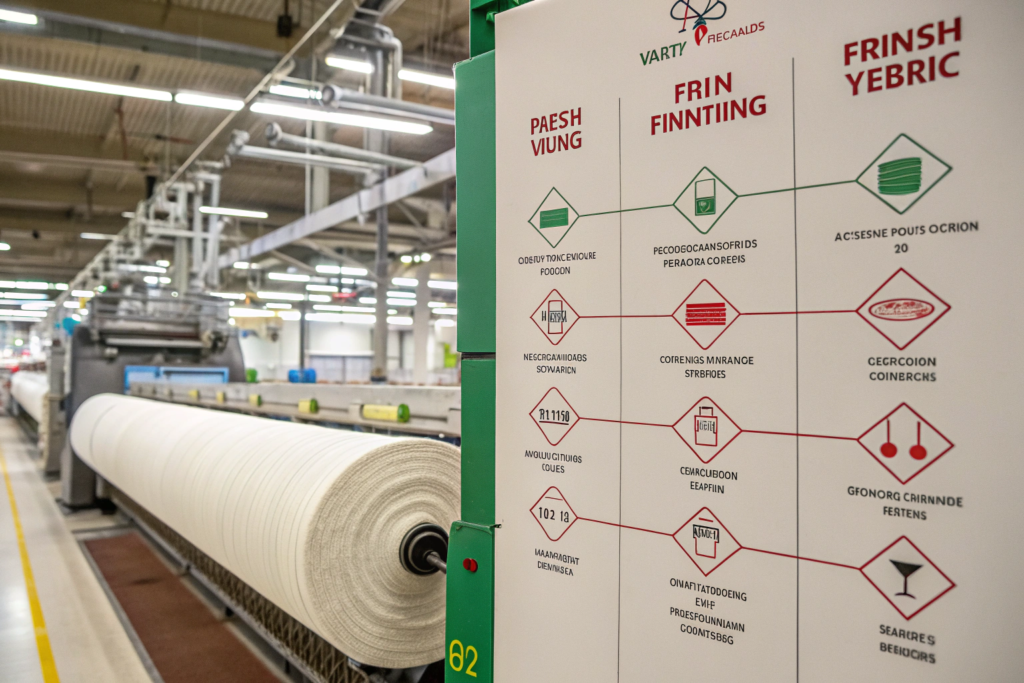
Certifying the final romper is meaningless if every component isn't individually compliant. OEKO-TEX requires that every article with a weight proportion over 1% be tested. For a baby girls' French Terry romper, this creates a complex web of requirements that demands full supply chain control.
This includes the main French Terry fabric, the rib knit for cuffs and necklines, the sewing thread (often polyester), any elastics, the care label, and all embellishments like prints, appliqués, or tags. A failure in any single component—such as a thread dyed with a non-compliant dye or an elastic containing regulated plasticizers—renders the entire product non-compliant.
How are trims like elastics, threads, and labels verified?
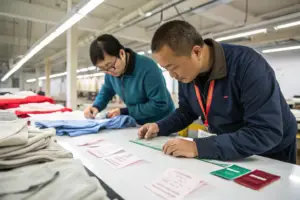
We manage this through a Supplier Qualification Program. We only source trims from suppliers who can provide valid OEKO-TEX certificates for their specific materials. We maintain a digital library of these certificates. For instance, our elastic supplier's certificate proves their product is free from prohibited phthalates. Our thread supplier's certificate shows compliance for dye safety. We then conduct random batch testing on incoming trim materials as an additional safeguard. This system was crucial when a new label supplier sent us a sample that failed our spot test for PVC content. We disqualified them immediately, protecting our clients from a supply chain failure.
What role does factory hygiene and process segregation play?
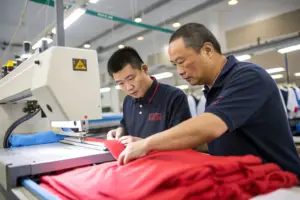
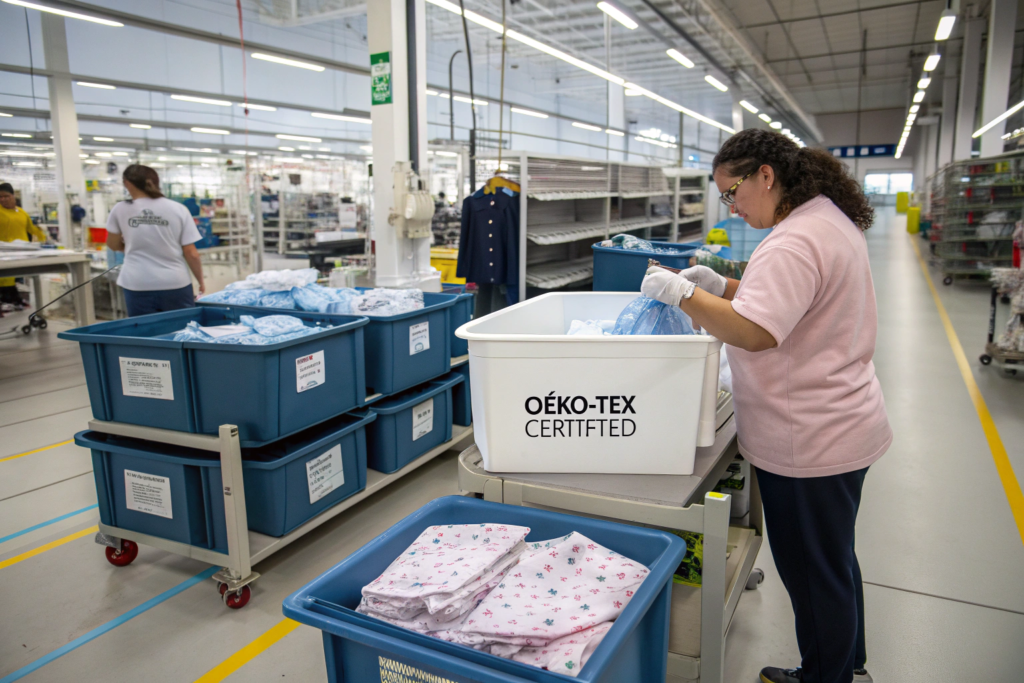
You cannot produce a Class 1 product in a contaminated environment. Cross-contamination is a real risk. Our dedicated babywear production line is physically segregated where possible. We use separate storage for Class 1 fabrics and trims. Cutting tables are thoroughly cleaned before laying French Terry fabric for baby rompers. Sewing machines are checked to ensure no lubricant leakage. This meticulous quality control environment is as important as the material certificates themselves. It ensures that the certified components are assembled into a certified final product without picking up any contaminants along the way. This end-to-end control is what brands like yours rely on when you choose Shanghai Fumao as your manufacturing partner.
How Does This Certification Build Unshakeable Brand Trust?
In today's market, especially for baby products, trust is the foundation of every transaction. For high-income, educated parents—your target demographic for a premium baby girls' romper—trust is built on transparency and verifiable proof, not just marketing. OEKO-TEX Class 1 provides that proof in a globally understood language.
It transforms your brand's promise from "we think this is safe" to "an independent, scientific authority confirms this is safe for your baby." This is a powerful purchase driver. It reduces parental anxiety and simplifies their decision-making. In a competitive space, it can be the single factor that sways a customer from a generic option to your brand.
How does it serve as a marketing and retail advantage?
The label is a silent salesperson. On your website, in your catalog, or on the physical hangtag, it communicates a depth of responsibility that resonates deeply. It allows you to command a price premium justified by demonstrable value. For retail buyers, it simplifies their sourcing ethics. A boutique owner can confidently tell a concerned parent, "This entire line is OEKO-TEX Class 1 certified for infant safety," instantly elevating their store's credibility. We helped a startup baby brand use their Class 1 certification as the centerpiece of their launch campaign. They focused on "Safety Woven In," and within the first quarter, secured placement in three high-end pediatrician-recommended boutiques, citing the certification as the key entry ticket.
What is the long-term value in customer loyalty and brand reputation?
Investing in Class 1 certification is an investment in your brand's future. A positive first experience with a safe, high-quality product turns new customers into loyal advocates. It builds a reputation for integrity that protects you during market fluctuations. More importantly, it mitigates catastrophic risk. The cost of a product recall or a safety scandal—both financially and in terms of brand reputation—dwarfs the investment in rigorous certification. By partnering with a certified manufacturer like us, you are not just buying a product; you are buying risk management and brand equity assurance. The peace of mind you provide to parents ultimately becomes the peace of mind that protects and grows your business.
Conclusion
For baby girls' French Terry rompers, OEKO-TEX STANDARD 100 Class 1 is not merely a "nice-to-have" feature; it is the critical backbone of product integrity. It directly addresses the unique biological vulnerabilities of infants, tackles the specific chemical risks inherent in textile production, and requires a level of supply chain diligence that separates serious manufacturers from the rest. This certification is the most effective tool a brand has to translate a commitment to safety into a tangible, trusted product attribute that drives purchase decisions and builds lasting loyalty.
As a manufacturer dedicated to the highest standards, Shanghai Fumao has embedded OEKO-TEX Class 1 compliance into the core of our babywear production process. We understand that the romance of a beautiful design must be matched by the rigor of uncompromising safety. Let us help you create rompers that are not only adorable but also exemplify the highest standard of care. To develop your next collection with this critical level of certified safety, please contact our Business Director, Elaine, at elaine@fumaoclothing.com.