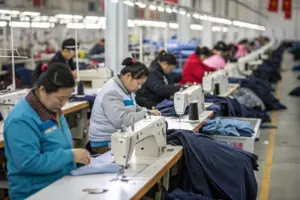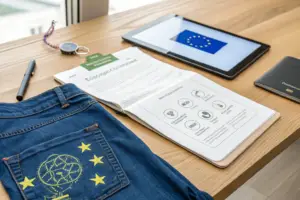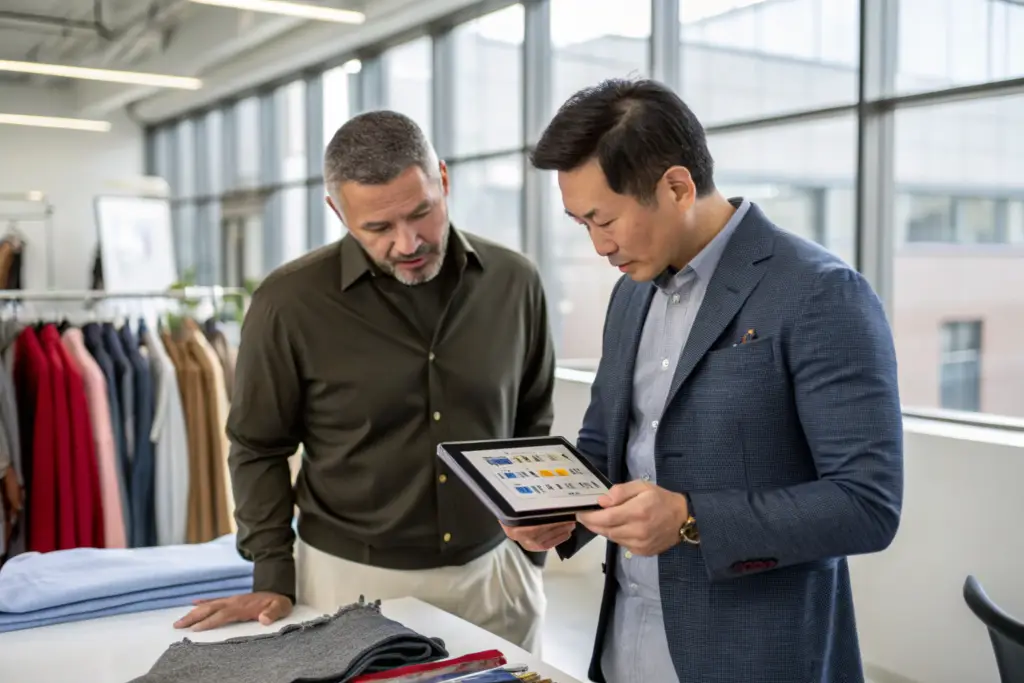
As a clothing manufacturer in China working closely with American brands, I hear the same worry from many buyers. You want top quality products, but you fear the hidden dangers in your supply chain. The last thing you need is a delayed shipment or, worse, a product safety scandal that damages your brand's reputation. How can you be sure the fabrics and dyes used are truly safe without being there to inspect every step?
Yes, absolutely. OEKO-TEX certification provides a powerful, independent verification system that acts as your remote quality control partner. It standardizes safety checks for harmful substances across the entire textile production chain, from raw materials to finished goods. For importers, this means you can rely on a globally recognized standard to mitigate risk, build consumer trust, and simplify your sourcing decisions. It shifts quality assurance from a reactive inspection to a proactive, system-verified process.
Let's dive into how this certification works and why it's a game-changer for U.S. brands sourcing from overseas factories like ours. Understanding its scope and implementation is key to leveraging it for a smoother, more reliable supply chain.
What is OEKO-TEX Certification and How Does it Work?
Many importers ask about certifications, but few understand the mechanics behind them. OEKO-TEX isn't just a logo you slap on a hangtag. It's a rigorous testing and certification system designed to ensure textile products are free from harmful levels of regulated and unregulated substances.
Think of OEKO-TEX as a detailed health check-up for every component of your garment. The system is structured into several product classes, with STANDARD 100 by OEKO-TEX being the most common for finished articles. This certification tests for over 100 individual harmful substances, including pesticides, heavy metals, and allergenic dyes. The key is that testing is done by independent, authorized institutes, not the factory itself, which provides the objective verification you need.
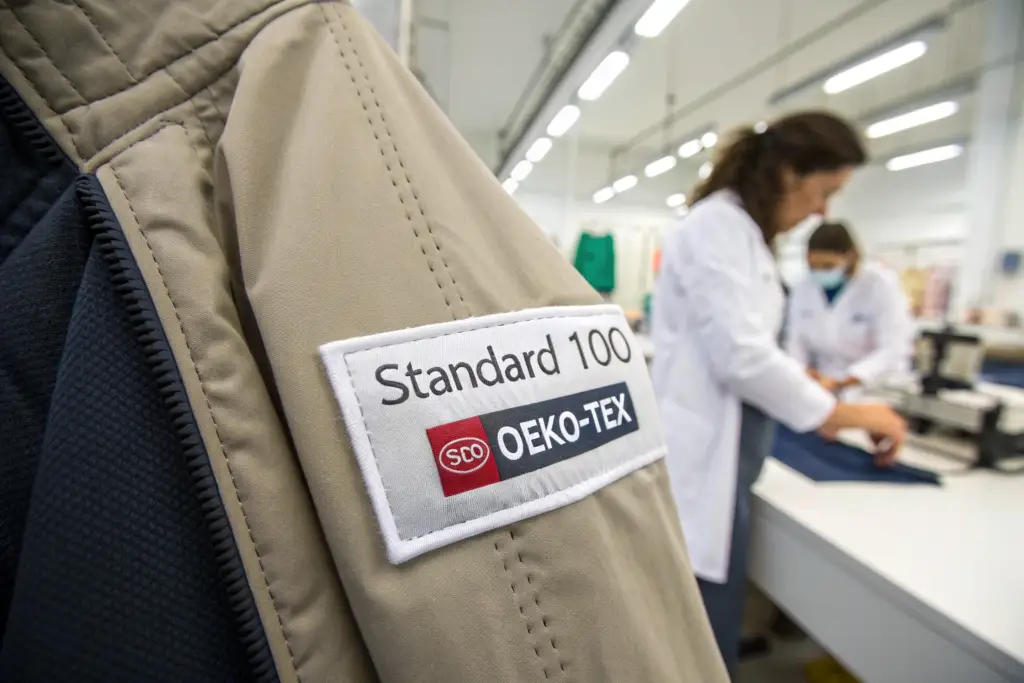
What are the different OEKO-TEX labels and what do they mean?
The OEKO-TEX portfolio can be confusing. Here’s a simple breakdown:
| Certification | Focus Area | Key Benefit for Importer |
|---|---|---|
| STANDARD 100 | Product safety (finished item) | Guarantees the final product is harmless to human health. |
| MADE IN GREEN | Product safety + sustainable production | Adds traceability and evidence of environmentally friendly production. |
| STeP | Sustainable production facilities | Assesses the factory's entire manufacturing process for eco-friendliness. |
| ECO PASSPORT | Safety of chemicals used in production | Certifies that dyes and auxiliaries are safe for use and the environment. |
For most apparel importers, starting with STANDARD 100 is essential. It directly addresses consumer-facing safety concerns. For brands with a strong sustainability story, MADE IN GREEN is a powerful next step. Last year, we helped a mid-sized eco-activewear brand from Colorado achieve MADE IN GREEN certification for their entire line. The process involved auditing our dyeing partners and ensuring social compliance, which ultimately allowed them to launch a successful marketing campaign that increased their online sales by 25%.
How does the factory audit and testing process function?
The process is systematic. First, the factory applies with a specific product for certification. An authorized institute then selects samples for testing based on a comprehensive matrix that considers the fibre composition, the article's use (e.g., babywear vs. outerwear), and its proximity to skin. The tests are extensive. For example, they check for formaldehyde levels and extractable heavy metals. If the product passes, the certificate is issued for a specific article and is valid for one year. At Shanghai Fumao, we build this annual certification cycle into our production calendar for key clients. This proactive approach prevents last-minute scrambles and ensures all documentation is ready before shipment. We also use certified materials from OEKO-TEX approved suppliers to streamline the process for our clients.
Why Should U.S. Importers Prioritize OEKO-TEX Certified Suppliers?
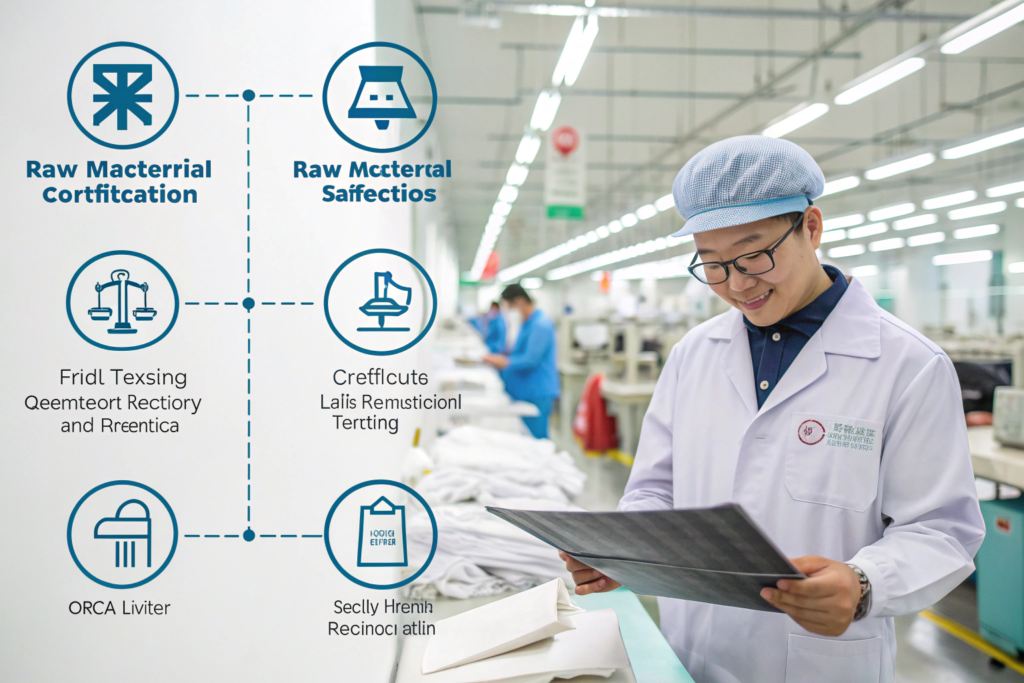
You are sensitive to quality and price, but have you calculated the cost of a failed quality control check? A shipment held at customs due to failed chemical tests or a product recall due to allergen complaints can erase the profits from ten successful orders. Prioritizing certified suppliers is a strategic risk management decision.
Certification directly addresses several common pain points. It mitigates the risk of non-compliance with regulations like the Consumer Product Safety Improvement Act (CPSIA) in the U.S. It builds a foundation of trust, as the certificate is an unbiased third-party validation. Most importantly, it streamlines your own quality control process. Instead of guessing or taking a supplier's word, you have a standardized benchmark.
How does this certification reduce risk and build brand trust?
The trust transfer is powerful. When your supplier is certified, their credibility extends to your brand. For you, the importer, it means you are not solely reliant on your supplier's sales rep's promises. You have a verifiable document. In early 2023, a client came to us after a previous supplier in another region had provided falsified material certificates. This led to a costly batch rejection. By switching to Shanghai Fumao as their OEKO-TEX certified manufacturer, they eliminated this verification headache. We provided transparent, digitally verifiable certificates for every order, allowing them to confidently market their kids' wear line as safety-assured. This is crucial for protecting your brand's reputation in a competitive market where consumers are increasingly informed.
Can it genuinely prevent shipment delays and communication issues?
Yes, by creating a common, objective language. "Safe" or "high-quality" are subjective terms. An OEKO-TEX certificate provides a specific, measurable standard. This reduces back-and-forth communication about basic safety specifications. Both parties know the requirement upfront. Furthermore, many responsible logistics providers and retailers prioritize certified goods, potentially smoothing the logistics and clearance process. While certification doesn't prevent all delays (like those from port congestion), it removes a major category of risk—regulatory non-compliance at the chemical level—that can cause significant holdups. This alignment on standards is one of the core values we provide at Fumao Clothing, ensuring our partners can plan their selling seasons with greater confidence.
What Are the Real Costs and ROI of OEKO-TEX Certification?
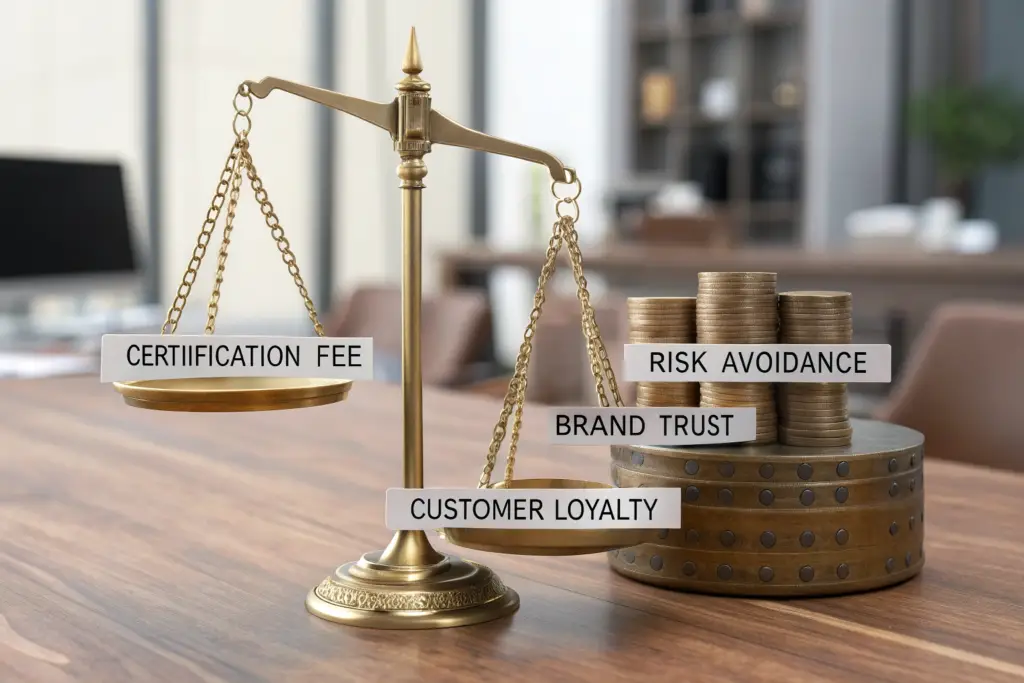
The initial question for any value-driven buyer is about cost. Is this just another expense that cuts into my margin? From our experience as a factory, the perspective needs to shift from cost to investment. The certification fee, which varies based on product complexity, is a fraction of the potential cost of a single failed shipment or consumer lawsuit.
The return on investment (ROI) is multi-faceted. It includes hard savings from avoiding recalls and rejected shipments. It also includes soft benefits like enhanced brand equity, consumer loyalty, and potentially higher price points. For our factory, maintaining certification across our core product lines makes us a more attractive and lower-risk partner, allowing us to offer stable, competitive pricing to long-term clients like you.
Is the certification fee a prohibitive expense for my order volume?
Not necessarily. The cost structure is scalable. While a small, one-off order might see a higher per-unit cost impact, for importers with consistent volume—like those working with a dedicated factory partner—the cost becomes negligible per piece. At Shanghai Fumao, we often absorb the base certification costs for our key product categories (like basic knitwear) as part of our full-package service. This is because the efficiency and trust it creates in our partnership save us time and resources in the long run. We then work with clients on more specific, niche certifications if needed. The key is to discuss your volume and product plans transparently with your manufacturer to find the most cost-effective certification strategy.
How does certification impact pricing and long-term partnership value?
It aligns incentives for a higher-value partnership. A certified supplier is invested in maintaining consistent material sources and production standards to keep their certification valid. This stability directly benefits you. It leads to fewer quality variances and more predictable outcomes order after order. This reliability is a core component of the value we deliver. For instance, a distributor client of ours sourcing men's woven shirts found that after two seasons of working with our certified production line, their defect rate from chemical or dye-related issues dropped to zero. This saved them thousands in inspection and replacement costs, far outweighing any minor premium. The partnership moved from transactional to strategic, focusing on growth rather than problem-solving.
How to Verify and Work with an OEKO-TEX Certified Factory?
Finding a supplier who claims to be certified is one thing. Verifying it and effectively collaborating with them is another. Due diligence is critical. A supplier falsifying certificates, as some of you have experienced, is a severe breach of trust and a major business risk.
Verification is straightforward if you know where to look. Every genuine OEKO-TEX certificate has a unique number that can be checked online in the official OEKO-TEX certification database. This is the first step you should always take. Don't just accept a PDF; verify it independently.
What steps should I take to verify a supplier's certification?
Follow this checklist:
- Request the Certificate: Ask for the specific OEKO-TEX certificate (e.g., STANDARD 100) for the product category you are sourcing.
- Check the Database: Go to the official OEKO-TEX website and use their "Check Your Certificate" feature. Enter the certificate number and the holder's name (the factory).
- Verify Scope: Confirm that the product description, article type, and dyeing/printing processes listed on the certificate match what you are ordering. A certificate for cotton t-shirts does not cover polyester jackets.
- Check Validity: Ensure the certificate is current (valid for one year from issue).
A credible factory will provide this information willingly. We at Fumao Clothing proactively share our valid certificate numbers and even guide new clients through the verification process. This transparency is the cornerstone of efficient communication and trust.
How can I ensure my specific product order is covered?
Communication is key. When placing an order, explicitly state that the goods must comply with the specified OEKO-TEX standard and provide the certificate number. Include this requirement in your purchase order or contract. A professional, certified factory will then use certified raw materials and follow certified processes to produce your order. They should be able to provide a "Declaration of Conformity" linking your shipment to their certified production. Ask about this documentation upfront. For example, when we execute a DDP (Delivered Duty Paid) shipment for a client, the certification documents are included in the shipping dossier, providing a complete, verified paper trail from our production line to their U.S. warehouse. This end-to-end clarity is what turns a certification from a marketing tool into a practical quality assurance asset.
Conclusion
Navigating international apparel sourcing requires turning uncertainties into manageable, verified processes. OEKO-TEX certification is not merely a badge; it is a comprehensive system that streamlines quality control by providing an independent, scientific, and globally recognized standard for product safety. It directly addresses the core pain points of importers: mitigating risk of non-compliance, preventing delays caused by quality failures, eliminating the fear of falsified documents, and building a foundation of consumer trust. By shifting the focus from end-line inspection to system-verified production, it allows you, the importer, to focus on growing your brand rather than policing your supply chain.
The journey to a smoother supply chain starts with choosing the right partner—one who views certifications not as a sales checkbox but as an integral part of reliable manufacturing. If you are looking for a certified apparel manufacturer that prioritizes transparency, rigorous quality control, and on-time delivery to the U.S. market, let's discuss how we can support your brand's vision. We invite you to reach out to our Business Director, Elaine, to explore a partnership built on verified quality and shared success. You can contact her at: elaine@fumaoclothing.com.