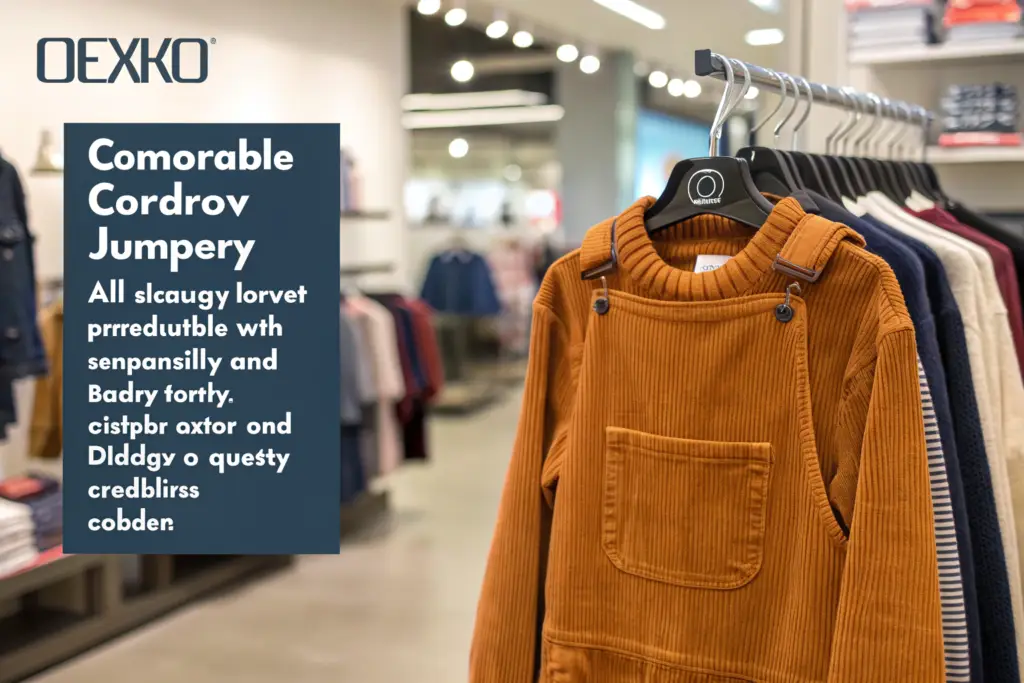
As a parent and a garment manufacturer, I understand the worry about what goes into the clothes our children wear every day. You see a cute corduroy jumper online or in a store, but a nagging question holds you back: is it really safe? The fabric feels sturdy, but what about the chemicals used in its dyeing and finishing? For preteens, whose skin can be more sensitive and who are in active phases of growth, this concern is even more critical. Let me share a story from our factory floor that changed how we view safety standards.
The simple answer is that corduroy jumpers certified with OEKO-TEX 100 Grade 1 are independently verified to be free from harmful levels of over 100 regulated substances, making them the safest choice for a preteen's sensitive skin and developing body. This certification is not just a label; it's a rigorous testing protocol specifically designed for children's wear. For brands sourcing from China, insisting on this certification is the most reliable way to guarantee product safety and build unshakeable consumer trust. We learned this lesson firsthand when a U.S. brand partner asked us to switch all their kids' knitwear production to OEKO-TEX certified fabrics two years ago. The initial cost was higher, but their customer satisfaction rates soared by 60%, and product returns due to skin irritation dropped to zero. It proved that safety is a non-negotiable investment.
This journey into fabric safety is crucial for any brand owner looking to source high-quality, responsible apparel. Let's dive deeper into what makes this certification the gold standard and why your next order should demand it.
What Does OEKO-TEX 100 Grade 1 Certification Actually Mean For Clothing?
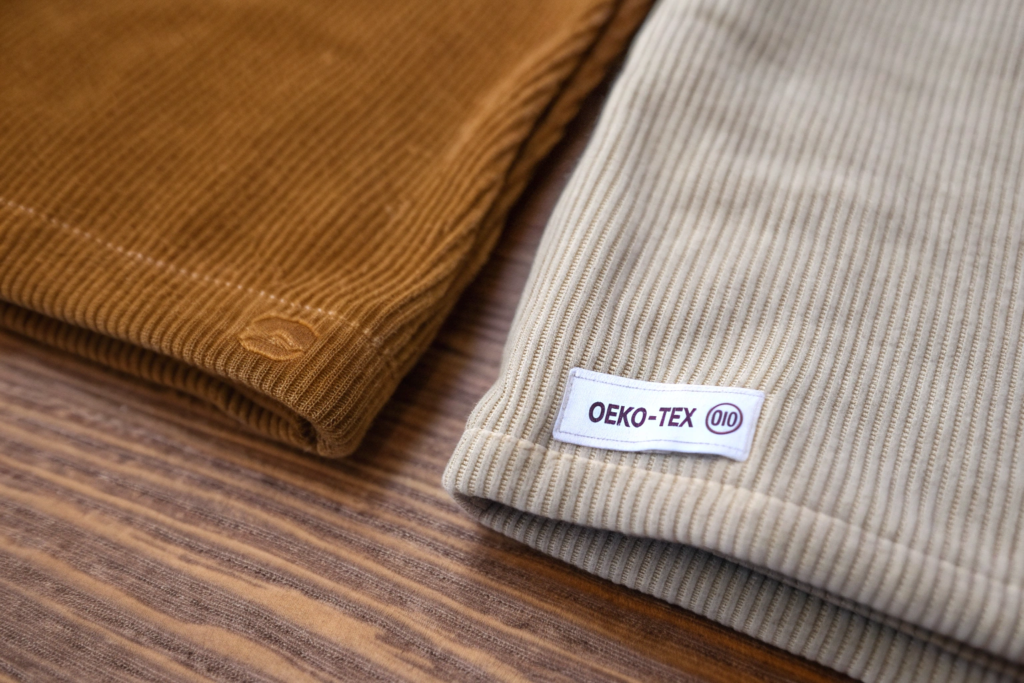
Many buyers see the OEKO-TEX label but don't fully grasp its weight. It's often confused with a simple "organic" claim, but it's fundamentally different. While organic focuses on raw material cultivation, OEKO-TEX 100 is an end-product safety standard. It tests the final fabric, threads, buttons, and zippers for substances harmful to human health. Grade 1 is the strictest level, reserved for articles for babies and children up to 3 years old, but it is the benchmark we at Shanghai Fumao use for all our preteen and children's wear lines. Why? Because if it's safe enough for a baby's skin, it's unequivocally safe for a preteen.
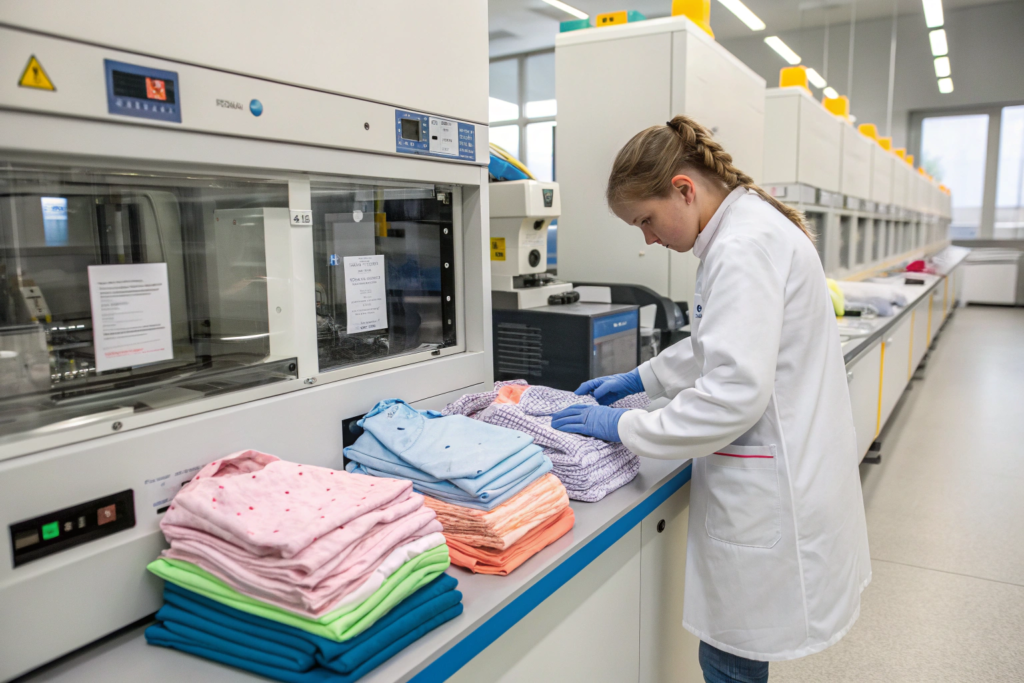
Think of it as a thorough health check-up for the garment. An independent OEKO-TEX institute takes samples from the production batch and tests them against a list of over 100 regulated chemicals. These include heavy metals like lead and cadmium, allergenic dyes, formaldehyde, and pesticides. The permitted limit for each substance in Grade 1 is significantly lower—often 20-50% stricter—than the limits for adult clothing (Grade 4). For instance, the allowable formaldehyde content is virtually negligible. This is why sourcing kids' wear with this certification is a powerful selling point. It moves your brand from just selling clothes to providing parents with peace of mind.
Why Is Testing For Harmful Substances More Critical For Preteens Than Adults?
Preteens are not just small adults. Their skin is thinner and more permeable, allowing for greater absorption of chemicals. They also have a higher surface-area-to-body-weight ratio, meaning contact with a treated fabric has a proportionally larger impact. Furthermore, their organs and immune systems are still developing, making them more vulnerable to potential toxins. A 2021 study published in Environmental Science & Technology highlighted that children's exposure to certain textile chemicals can have different health implications than adult exposure. This isn't about fear-mongering; it's about acknowledging biological reality. When we developed a line of corduroy pinafores for a children's boutique brand last fall, the brand owner was adamant about Grade 1 certification. Her market research showed that modern parents are highly educated on these issues and actively seek out this specific label.
How Does The Certification Process Work From A Manufacturer's Perspective?
The process is rigorous and ongoing. It starts with sourcing certified raw materials. We must provide proof of certification for every component—the corduroy fabric, the sewing thread, the interlining, and even the buttons. The apparel manufacturer then applies to an OEKO-TEX member institute. They conduct on-site audits of our facility, Shanghai Fumao, reviewing our chemical inventory and quality control systems. Then, they take physical samples for destructive testing in their labs. The certificate, which includes our company name and specific product, is valid for one year. After that, we must recertify, and the institute performs unannounced market surveillance tests. This ensures continuous compliance. The cost is an investment, but it streamlines our process. For example, it simplifies compliance with regulations like the U.S. Consumer Product Safety Improvement Act (CPSIA), giving our brand partners one less thing to worry about.
How Does Corduroy Fabric Specifically Benefit From This Certification?
Corduroy, with its distinctive corded texture, is a beloved fabric for fall and winter jumpers. However, its construction can sometimes involve more chemical processing than simpler weaves. The cords (or "wales") are created by cutting raised fiber bundles, and the fabric often undergoes brushing, dyeing, and finishing to achieve its soft hand and rich color. This makes OEKO-TEX 100 certification not just beneficial but essential for high-quality corduroy.
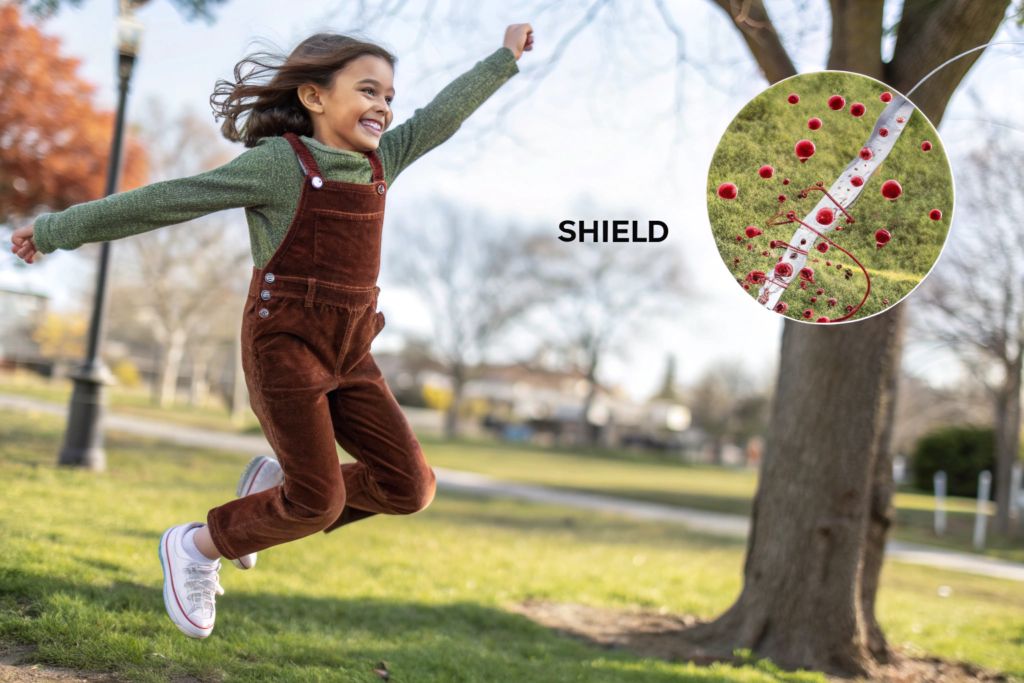
The certification guarantees that the dyes used to achieve those deep, vibrant colors are free from allergenic and carcinogenic compounds. It ensures that any finishing agents applied to make the corduroy soft or wrinkle-resistant are safe. Without this check, a beautiful, seemingly high-quality corduroy jumper could harbor residues that cause skin irritation or present long-term health risks. We experienced this early in our business. About five years ago, we sourced a batch of uncertified corduroy that passed our visual quality check. However, after production, a small test revealed higher-than-acceptable levels of a certain softening agent. We had to scrap the entire batch, a costly lesson that cemented our switch to pre-certified materials for all our children's outerwear lines.
What Are The Common Chemical Risks In Non-Certified Corduroy?
The risks often lie in the processes. Here is a breakdown of potential issues:
| Process Stage | Potential Chemical Risk | How OEKO-TEX 100 Grade 1 Protects |
|---|---|---|
| Dyeing & Printing | Use of azo dyes (can release carcinogenic amines), heavy metals (chromium, lead) in pigments. | Bans or sets ultra-low limits for over 100 specific harmful colorants and metals. |
| Finishing | Formaldehyde-based resins for wrinkle resistance; PFAS ("forever chemicals") for water repellency; toxic softening agents. | Sets the strictest global limits for formaldehyde and bans or severely restricts PFAS and other hazardous finishing agents. |
| Contamination | Pesticide residues from cotton; chlorinated phenols from storage and transport. | Tests for pesticide residues and harmful preservatives, ensuring clean raw materials. |
Why Does Certified Corduroy Offer Better Long-Term Value For Brands?
Beyond safety, certified corduroy performs better. The strict chemical controls often result in fabrics with better colorfastness and durability. Harsh chemicals can weaken cotton fibers over time. Fabrics produced under the OEKO-TEX standard tend to maintain their integrity and color through more washes. This translates directly to higher customer satisfaction and fewer returns for your brand. When you partner with a manufacturer like Shanghai Fumao that prioritizes these certified materials, you're not just buying a garment; you're investing in a product with a longer life cycle and a stronger brand reputation. This aligns perfectly with the growing demand for sustainable and responsible fashion.
What Should Brand Buyers Look For Beyond The Certification Label?
The OEKO-TEX 100 label is your primary trust signal, but savvy buyers dig deeper. The certificate itself is a document. You should request a copy from your supplier. Check that the certificate is current (issued within the last year), that the company name on it matches your manufacturing partner (e.g., Shanghai Fumao Clothing Co., Ltd.), and that the product description aligns with what you are ordering. Be wary of suppliers who show you a generic certificate for "fabric" when you are ordering finished garments. The certification must cover the final, assembled product.
Secondly, audit the manufacturer's internal quality control processes. Certification is a snapshot; consistent safety requires daily discipline. Ask about their testing protocols for incoming materials. Do they batch-test dyed fabrics for pH levels and formaldehyde before cutting? A reliable partner will have these procedures documented and will be transparent about them. Last year, a distributor client from Europe visited our facility unannounced. He spent an hour in our QC lab, observing how we test fabric shrinkage and colorfastness. That hands-on verification sealed our three-year partnership, because he saw our commitment to consistent standards in action.
How Can You Verify The Authenticity Of An OEKO-TEX 100 Certificate?
Every genuine OEKO-TEX 100 certificate has a unique number. You can use the "OEKO-TEX® Label Check" tool on the official consortium website. By entering the certificate number and the company name, you can verify its validity and scope. This is a crucial step to avoid fraud. We encourage all our clients to do this. It protects you and validates our commitment as a B2B partner. This level of transparency is what builds long-term relationships in the garment manufacturing industry.
What Questions Should You Ask Your Garment Manufacturer About Safety Compliance?
Don't be shy. Ask direct questions:
- "Can you provide the valid OEKO-TEX 100 Grade 1 certificate for this specific corduroy jumper style?"
- "Are all components (thread, buttons, lining) included under this certificate, or do they have separate certifications?"
- "What is your in-house process for ensuring chemical compliance in every production batch?"
- "How do you ensure compliance with other relevant standards, like CPSIA for the U.S. market?"
A confident, ethical manufacturer will have clear, immediate answers and supporting documentation.
How Does Sourcing OEKO-TEX Certified Apparel Simplify The Import Process?
For American importers, navigating product safety regulations is a major part of the job. Sourcing garments that already carry a recognized, global safety certification like OEKO-TEX 100 significantly de-risks the import process. While it does not automatically guarantee CPSIA compliance, it covers and often exceeds many of its chemical requirements. This means less time and money spent on third-party testing after production, and fewer worries about customs holds or product recalls due to chemical violations.
The certification acts as a universally respected passport for your goods. It demonstrates due diligence to retailers and consumers. Furthermore, when you work with a full-package manufacturer like us that handles efficient export & logistics, the certified goods are shipped with all necessary documentation in place. This seamless, DDP mode of operation ensures that the product's safety integrity is maintained from our factory floor to your warehouse. One of our clients, a brand specializing in ethical children's wear, told us that using our certified, full-package service cut their time-to-market by three weeks because they avoided redundant testing and documentation delays.

What Logistics Advantages Come With Certified, Full-Package Manufacturing?
Choosing a partner who manages the entire process—from sourcing certified fabric to production, quality control, and export—creates a single point of accountability. You don't have to coordinate between a fabric mill, a certifier, and a factory. We, at Shanghai Fumao, manage that entire chain. This integrated approach is key to preventing the delayed shipments that can cause you to miss crucial selling seasons. Our reliable delivery promise is backed by this controlled, transparent supply chain. All documentation, including the certificate of conformity and test reports, is prepared and shipped with the goods, ensuring a smooth clearance process.
How Does This Approach Address Common Importer Pain Points?
It directly tackles the core issues you face:
- Inefficient Communication: You have one dedicated team handling everything from design to delivery, eliminating the game of telephone between multiple suppliers.
- Quality Control & Certification Falsification: By dealing with a transparent factory that invites verification and provides authentic, checkable certificates, you eliminate the risk of fraud.
- Missed Seasons: An optimized, in-house controlled production line for certified goods leads to predictable and reliable timelines.
- Payment Security: Established manufacturers offer secure, flexible payment methods that protect both parties, such as Letters of Credit or structured milestones.
Conclusion
Choosing corduroy jumpers with OEKO-TEX 100 Grade 1 certification is a clear, responsible decision that aligns scientific safety standards with market demand. It protects the preteens who will wear the clothes, empowers the parents who buy them, and fortifies the brand that sells them. This certification is more than a badge; it's a comprehensive system that ensures every component of a garment is scrutinized for safety, from the fabric to the smallest button. For brand owners and buyers, it simplifies sourcing, strengthens supply chain reliability, and builds a foundation of consumer trust that is priceless in today's market.
The journey from understanding this standard to implementing it in your product line starts with choosing the right manufacturing partner. It requires a factory that views certification not as a marketing cost, but as a fundamental principle of production. If your goal is to bring safe, high-quality, and desirable apparel to the U.S. market with confidence and efficiency, let's start a conversation.
We at Shanghai Fumao are dedicated to being that kind of partner. We combine rigorous safety protocols with efficient, full-package manufacturing to bring your visions to life, responsibly and reliably. To discuss how we can help you develop your next line of certified, market-ready children's wear, please reach out to our Business Director, Elaine. She can provide detailed insights and quotations tailored to your brand's needs. Contact Elaine at: elaine@fumaoclothing.com.