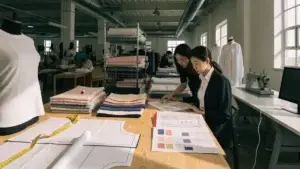
You manage the supply chain for your apparel brand. You know that delays at customs, rejected shipments, and missed delivery windows are more than just headaches—they directly impact your sales, profitability, and retailer relationships. You source garments from overseas to achieve competitive pricing, but the complexity of international logistics often feels like a black box of risk. Could a focus on product certification, specifically OEKO-TEX®, actually streamline this process and give you more control?
The answer is a definitive yes. OEKO-TEX® certification, when implemented genuinely through a manufacturer's integrated system, provides significant and tangible logistics advantages. It transforms your shipment from a generic container of goods into a documented, pre-verified consignment that aligns with global import regulations. This proactive compliance reduces inspection triggers, simplifies documentation, and builds a foundation for more predictable and reliable shipping. At Shanghai Fumao, we treat certification not as a final step but as a logistical framework that accelerates the entire journey from our production line to your warehouse.
Let's move beyond the marketing of "safe products" and examine how this certification actively smoothens the physical and administrative movement of your goods across borders, directly addressing the pain points of delayed shipments and communication gaps.
How does certification prevent customs clearance delays?
Customs authorities worldwide are mandated to protect consumers and the environment. They use risk-assessment algorithms to flag shipments for physical inspection. What triggers these flags? Often, it's a combination of the product type (e.g., textiles, children's wear), the country of origin, and—critically—incomplete or unconvincing compliance documentation. An OEKO-TEX® certification, from a recognized international standard, acts as a powerful de-risking signal.
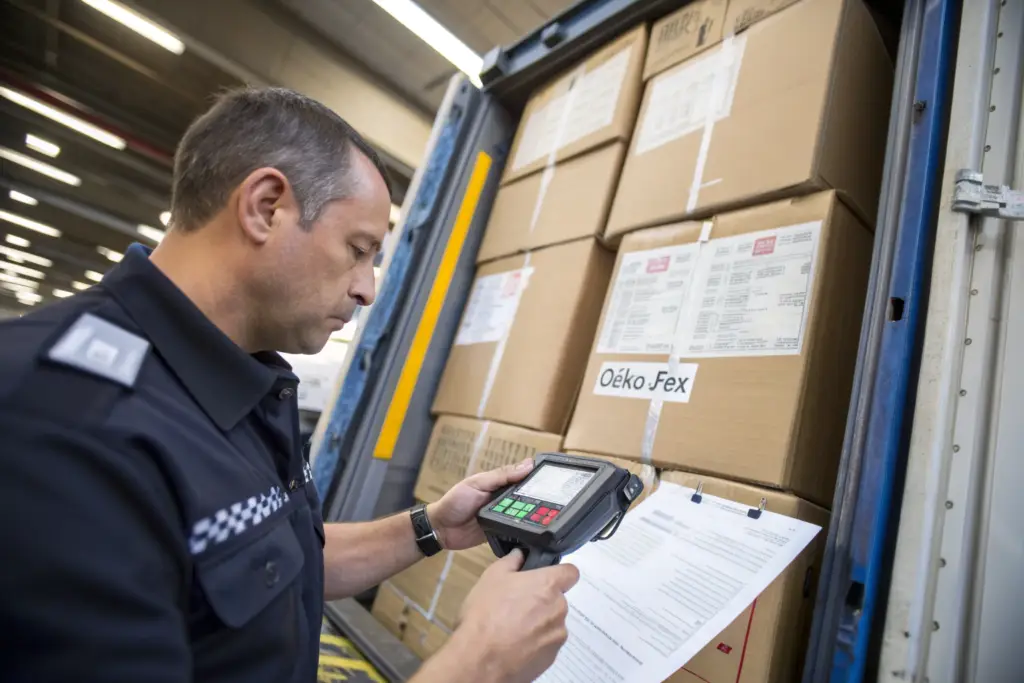
It provides customs officers with immediate, third-party verified proof that your garments have been tested for harmful substances. This directly addresses one of their core concerns. For example, the U.S. Customs and Border Protection (CBP) can detain products suspected of violating the Consumer Product Safety Improvement Act (CPSIA). Having OEKO-TEX® documentation, especially for children's items, pre-emptively demonstrates due diligence and compliance intent, significantly lowering the probability of a lengthy hold.
What specific documentation advantage does it create?
Instead of providing a disparate set of internal mill test reports (which may be in different languages or formats), a full-package OEKO-TEX® manufacturer like Shanghai Fumao provides a cohesive, professional certification package. This typically includes the OEKO-TEX® certificate(s) for the finished product, often linked to a unique license number that can be verified online in the official OEKO-TEX® database. This standardized, globally recognized format is easily processed and trusted by customs brokers and officials, smoothing the documentation and clearance process.
Can it prevent "silent holds" and demurrage fees?
Yes. A "silent hold" occurs when a shipment is stopped for review without immediate notification, incurring daily demurrage (port storage) fees. Certified shipments with clear paperwork are less likely to enter this bureaucratic limbo. In a recent case, a client's shipment of certified babywear was processed at the Port of Los Angeles in 48 hours, while a concurrent, non-certified shipment of similar goods from a different supplier was held for 12 days for "random" inspection, resulting in over $3,800 in unexpected fees. The certification provided a clear, fast track.
How does it enhance supply chain transparency and communication?
Inefficient communication with suppliers often stems from a lack of shared, verifiable data points. When you ask about compliance, you get verbal assurances. When problems arise, tracking responsibility through a chain of sub-suppliers is nearly impossible. OEKO-TEX® certification, managed properly, introduces objective transparency.
Every certified component in your garment—from fabric and thread to buttons and prints—has a traceable certificate from its producer. A professional manufacturer consolidates this chain of custody. This means when you have a question from a retailer about a specific substance, your manufacturer can provide a documented trail, not just a promise. This transforms communication from subjective to evidence-based.

What does this transparency look like in practice?
For each order, you should receive a compliance dossier. This isn't just one certificate. For a complex garment, it's a file that may include:
- The main OEKO-TEX® certificate for the finished garment from the manufacturing facility.
- Supporting certificates from the fabric mill, dye-house, and trim suppliers.
- A summary document mapping each component to its certificate.
This dossier becomes a single source of truth for you, your logistics partner, and your end retailers. It eliminates the "he said, she said" dynamic and allows for precise, efficient problem-solving if an issue ever does arise.
How does this build stronger partner relationships?
When you work with a manufacturer like Shanghai Fumao that champions this transparency, it aligns incentives. Both parties are invested in maintaining the integrity of the certified supply chain. This fosters proactive communication. For instance, if a certified zipper supplier has a production delay, we can immediately inform you and propose a pre-approved, certified alternative, discussing the implications transparently. This collaborative approach is the antithesis of the opaque, reactive communication that plagues many sourcing relationships.
Does certification contribute to more reliable production scheduling?
Your on-time delivery is only as reliable as your manufacturer's ability to execute their production plan without unplanned stoppages. One of the most common causes of production delay is the failure of incoming raw materials to pass internal quality or compliance checks. Fabric arriving with incorrect color, poor hand-feel, or—critically—failing substance tests can halt a line for weeks.
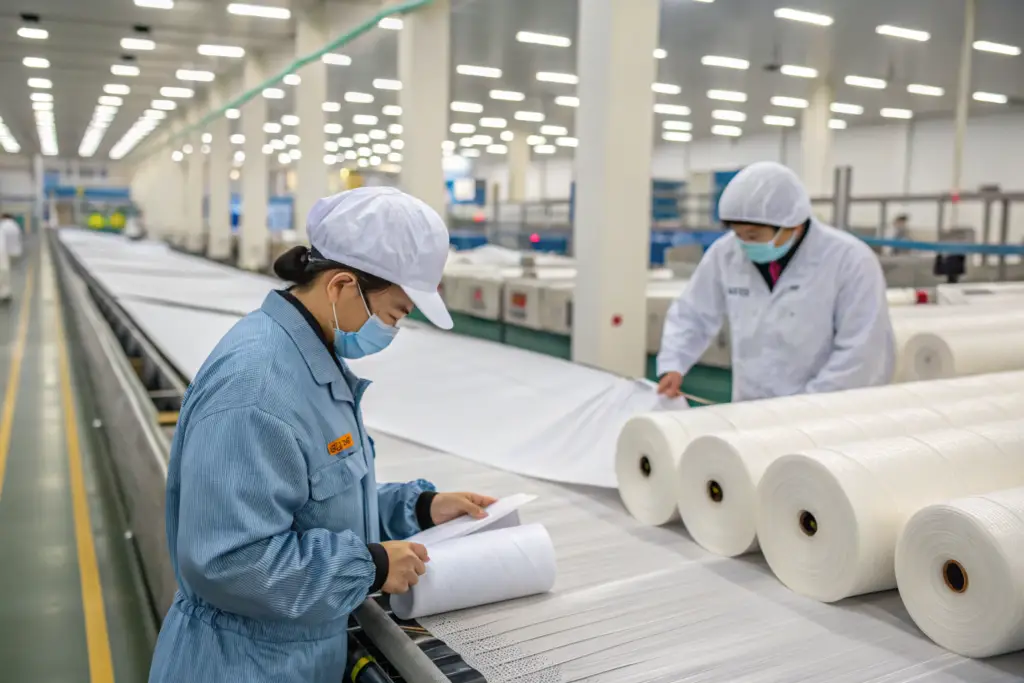
An OEKO-TEX® certified manufacturing process is inherently designed to prevent this. It starts with sourcing from an approved supplier list of certified material vendors. These vendors are pre-qualified, and their materials are pre-tested to meet the standard. This drastically reduces the risk of a bulk fabric shipment failing your manufacturer's incoming inspection for harmful substances.
How does this impact lead time predictability?
With a lower risk of raw material rejection, the production schedule becomes more stable. The timeline from order confirmation to shipping becomes predictable. For example, our standard lead time for OEKO-TEX® certified knitwear is calculated with high accuracy because we are not building in buffer time for potential fabric compliance failures. This reliability allows you to plan your marketing launches and inventory replenishment with greater confidence, a key component of our reliable delivery commitment.
Can it simplify the sampling and approval process?
Yes. When you develop a product using OEKO-TEX® certified base materials from the start, the approval of the production sample is less likely to be held up by compliance concerns. The focus can remain on fit, construction, and color accuracy, rather than waiting for late-stage lab test results. This streamlined product development phase gets your order into the production queue faster.
How does it optimize costs within the logistics chain?
While there is an upfront cost for certification, it generates savings throughout the logistics chain that often outweigh the initial investment. These are not always obvious but are critically important to your total landed cost.
The primary cost optimizations come from:
- Reduced Inspection & Demurrage Fees: As mentioned, avoiding customs holds saves significant port fees.
- Lower Insurance Premiums: Some insurers view certified shipments with complete documentation as lower risk, potentially offering better rates.
- Elimination of Re-work or Rejection Costs: If a shipment is rejected by a retailer or customs due to non-compliance, the cost of destroying, returning, or re-working the goods is catastrophic. Certification is a preventive investment against this.
- Efficient Documentation Handling: Clear, standardized paperwork reduces the administrative time required by your freight forwarder and internal team, lowering processing costs.
Can it affect shipping mode selection and cost?
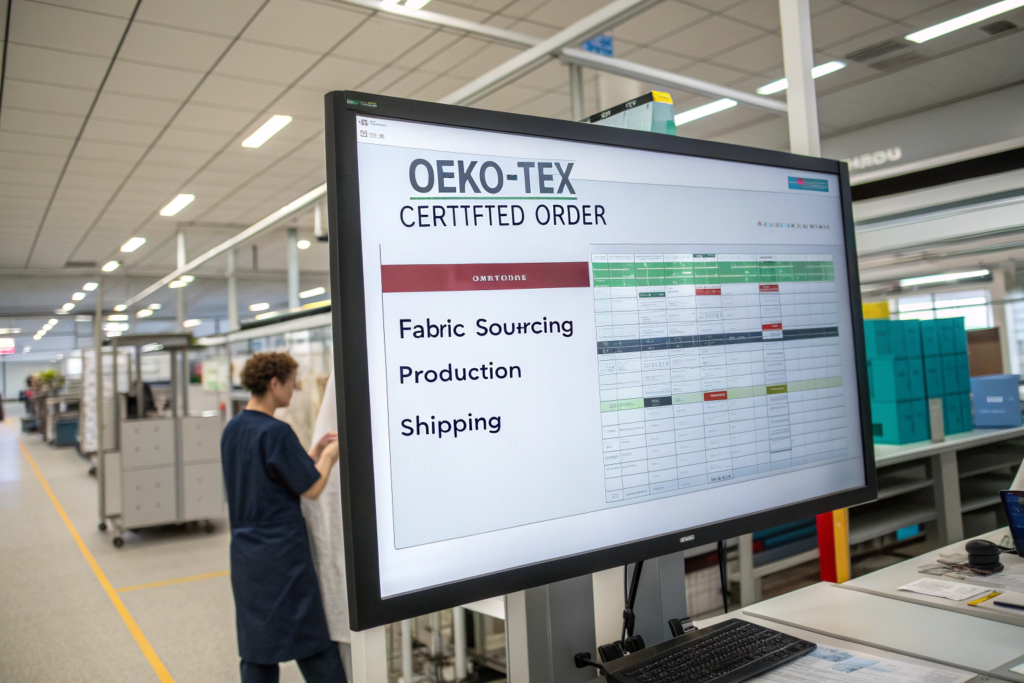
Indirectly, yes. The predictability afforded by certified manufacturing can provide the confidence to use more cost-effective, slower shipping methods (like sea freight instead of air freight) for a larger portion of your inventory, because you have higher certainty that the shipment will not be delayed by compliance issues at origin or destination. This strategic use of shipping and logistics modes is a major lever for improving margins.
What is the impact on inventory planning and cash flow?
Reliable delivery timelines mean you can operate with leaner inventory buffers. You don't need to stock as much safety stock to guard against supply chain variability. This reduces capital tied up in inventory, improves inventory turnover rates, and enhances overall cash flow—a financial advantage that stems directly from a more predictable and certified supply chain managed by a partner like Shanghai Fumao.
Conclusion
Viewing OEKO-TEX® certification solely as a marketing or product safety tool is to miss half of its value. For brand owners and supply chain managers, its most potent impact may be operational and logistical. It is a strategic framework that de-risks international shipping, enforces supply chain transparency, stabilizes production scheduling, and ultimately optimizes the total landed cost of your garments.
In an industry where time-to-market and supply chain resilience are paramount, this certification provides a structured path to greater control and predictability. It turns compliance from a reactive cost center into a proactive logistics advantage, ensuring that your products move from factory to consumer as smoothly and efficiently as they were designed.
Embrace a manufacturing partnership where certification is built into the logistics DNA, not just added as a label.
To experience the logistics advantages of a truly integrated OEKO-TEX® certified supply chain, partner with Shanghai Fumao. Let us show you how our full-package, certified manufacturing can streamline your operations and protect your timelines. Contact our Business Director, Elaine, at elaine@fumaoclothing.com to discuss your next collection.