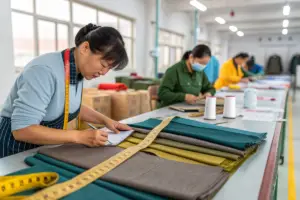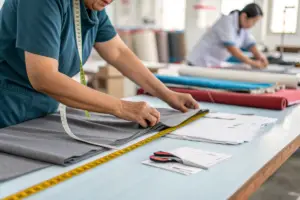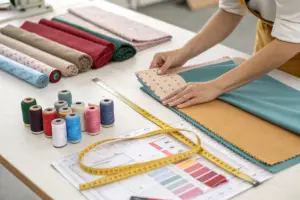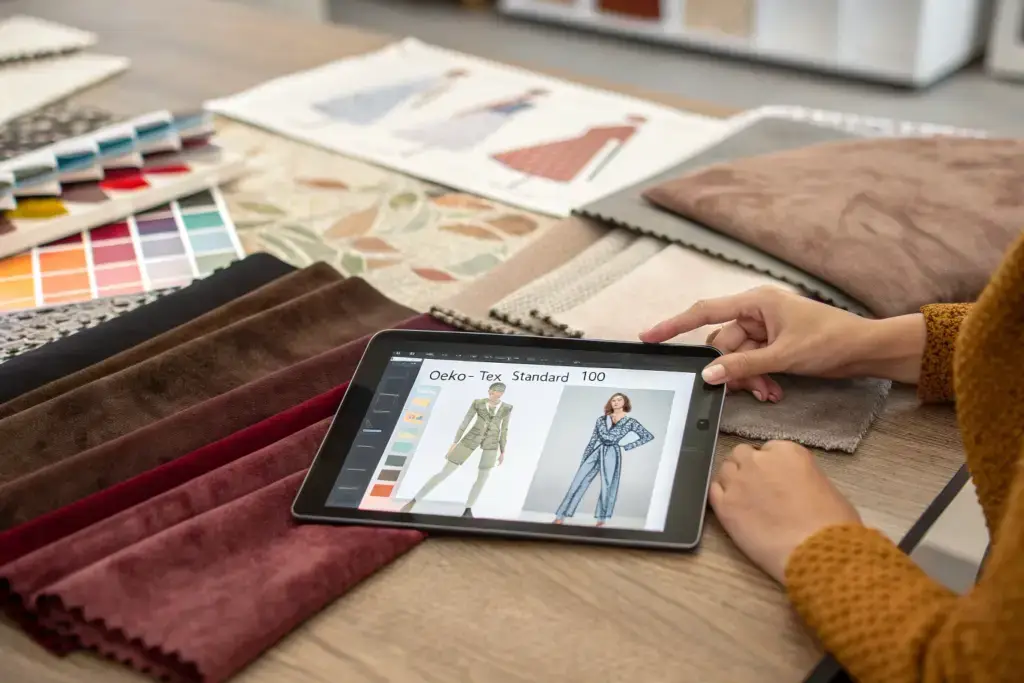
Your search for unique, high-quality velour rompers is on point. This plush, cozy fabric is a top choice for premium kids' wear, but sourcing it with both standout designs and verifiable safety credentials feels like a puzzle. You find suppliers with basic styles, or you find unique designs but then worry about chemical compliance and fabric quality. How do you bridge this gap and secure a product that truly stands out in the high-income parent market?
The key is to find a manufacturer that integrates creative design capability with a rigorous, certified production system from the very first step. It's not about finding a supplier who just has an OEKO-TEX certificate; it's about partnering with one, like Shanghai Fumao, whose full-package manufacturing process is built around certified materials and rare style development simultaneously. This ensures the unique velour you select is pre-approved for safety, and your creative vision isn't diluted by production limitations.
Let's map out a clear, step-by-step sourcing strategy. We'll cover how to vet suppliers for genuine certification, how to develop rare styles effectively, and how to ensure these two critical elements work in harmony from prototype to delivery.
How to verify genuine OEKO-TEX certification for velour fabric?
You can't afford to take a certificate at face value. In 2023, a U.S. brand we now work with discovered their previous supplier's velour had a generic OEKO-TEX® certificate that didn't cover the specific dye lot used for their order. This mismatch was caught during a random retail audit, risking a costly recall.
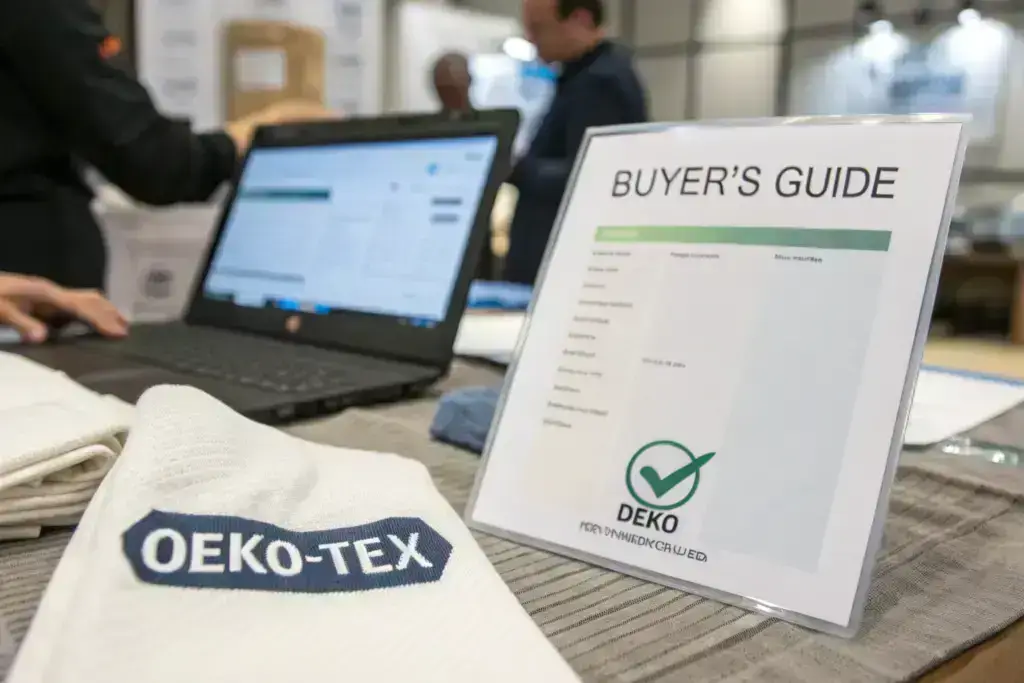
True verification means checking the certificate's scope and validity for the exact material batch you will use. The OEKO-TEX® label must be for the specific textile product "velour" and include all relevant stages of processing. You should ask any potential supplier for the certificate number and use the official OEKO-TEX® Buyer's Guide to check its authenticity and details online in real-time.
What questions should you ask your supplier about their certification?
Don't just ask, "Are you certified?" Drill down with these specific questions:
- "Can you provide the OEKO-TEX® certificate number for the velour base fabric you propose, and can we verify it online together?"
- "Does this certificate cover the specific dyes and finishing agents used for the velour pile and backing?"
- "How do you segregate and track certified velour from non-certified materials in your warehouse to prevent cross-contamination?"
A trustworthy manufacturer will have clear answers and procedures. At Shanghai Fumao, we proactively share our certification dossier and welcome virtual audits of our material storage areas, turning a common pain point into a point of trust.
What are the risks of sourcing "certified-by-assumption" velour?
The biggest risk is supply chain opacity. Some suppliers purchase certified greige fabric but then dye and finish it with non-certified chemicals at a separate, uncertified facility. This breaks the certification chain. Always insist that the certificate covers the "ready-for-garment-production" velour fabric. Furthermore, ensure the certification includes the phthalates testing class relevant for children's wear, which is the most stringent. This due diligence protects your brand from legal and reputational damage.
Where to find manufacturers that specialize in rare style development?
Google and Alibaba searches often lead to high-volume factories focused on replicating bestsellers, not innovating. To find true creative partners, you need to look for manufacturers whose marketing showcases proprietary design libraries, technical design teams, and a portfolio of custom-developed pieces, not just basic catalog items.
A highly effective channel is specialized apparel trade shows like Playtime or MAGIC, where manufacturers present their latest development capabilities. Look for booths that display unique fabric manipulations and complex designs. Another method is to search for "full-package clothing manufacturer with in-house design" and critically review their online portfolio for originality. The goal is to find a partner who views your unique style as a collaborative project, not a deviation from their standard menu.
How to assess a factory's true design capability from a distance?
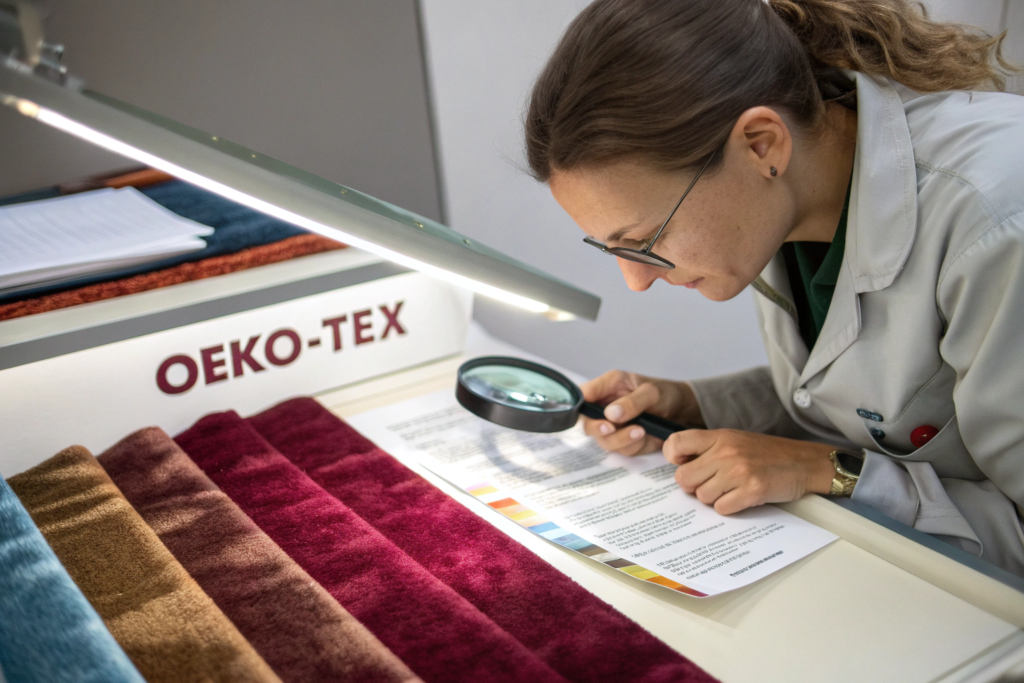
Before visiting, you can evaluate their creative muscle through several indicators:
- Portfolio Depth: Do they show tech packs, initial sketches, and finished products? This demonstrates the full development journey.
- Fabric Sourcing Proactivity: Do they suggest exclusive or novel fabric options, like custom-dyed velours or innovative blends, when discussing concepts?
- Sample Policy: What is their process and cost for producing a first prototype based on your idea? A factory invested in development will have a clear, supportive sampling process.
For instance, when a Los Angeles-based startup approached us with a concept for a "reversible velour romper with contrasting textures," our team at Shanghai Fumao didn't see a problem; we saw an exciting challenge. We sourced two compatible certified velours and engineered a seamless construction method, delivering a prototype that exceeded their vision and became their signature product.
What does a collaborative style development process look like?
A transparent process is key. It should follow clear stages:
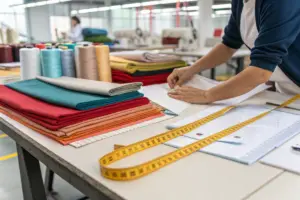
- Concept & Mood Board Sharing: You share inspiration. The factory's design team translates it into feasible sketches.
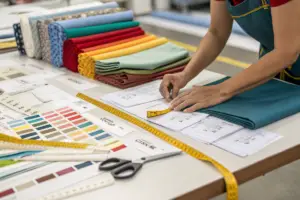
- Fabric & Trim Selection: The factory presents a curated selection of OEKO-TEX certified velours, jacquards, and trims that fit the design.
- Tech Pack Creation: Their technical designers create a detailed blueprint, which you review and approve.
- Prototype Sampling: A physical sample is made for fit, style, and feel assessment.
This structured yet collaborative approach, managed through a single point of contact, eliminates the inefficient back-and-forth that plagues many sourcing relationships.
How to ensure rare style details don't compromise OEKO-TEX compliance?
This is the critical intersection where many projects fail. A unique decorative trim, a special print, or an unconventional dye technique can introduce non-compliant materials. The rule is simple: every single component that touches the garment must be certified.
The solution is to integrate compliance checks into the design review process itself. When evaluating a style detail—like a custom embroidered patch or a metallic snap—the question "Is there an OEKO-TEX certified version of this?" must be asked upfront. A proficient manufacturer will have a vetted library of certified trims or the sourcing channels to find them. If a certified option doesn't exist, the design must be adapted.

Which style elements most commonly risk certification integrity?
Be particularly vigilant with these popular details for velour rompers:
- Prints and Transfers: Water-based or plastisol inks must be certified. We once replaced a client's desired glossy transfer with a certified matte finish to maintain compliance without sacrificing aesthetics.
- Embroidery Threads and Backings: The colorful threads and the stabilizer fabric behind the embroidery need certification.
- Decorative Appliqués and Patches: If sewn on, the fabric, adhesive, and any printing on the appliqué must be covered.
- Dyes for Special Effects: Heather blends, ombré dyes, or garment-dyed washes must use certified colorants. Always request a test report for the specific dye lot.
How do you manage the prototyping phase for compliant rare styles?
| The prototype stage is your safety net. Follow this checklist: | Prototype Phase | Compliance Check Action | Responsible Party |
|---|---|---|---|
| First Sample (Proto) | Verify all sourced trims/fabrics have valid certificates on file. | Manufacturer's QC | |
| Fitting Sample | Confirm no non-certified substitute materials were used for speed. | Brand & Manufacturer | |
| Pre-production Sample (PP Sample) | Send this final sample to an independent lab for consumer product safety verification if needed for major retailers. | Brand (Facilitated by Manufacturer) |
This phased approach ensures compliance is baked in, not inspected in as an afterthought, which is a core part of our quality assurance at Shanghai Fumao.
What are the logistics advantages of a full-package OEKO-TEX source?
Choosing a manufacturer that handles everything from certified fabric sourcing to final shipping under one roof—especially under a DDP (Delivered Duty Paid) model—transforms your logistics from a headache into a strategic advantage. It consolidates responsibility and simplifies the compliance documentation trail for customs.
The main advantage is risk reduction. When one responsible entity, like Shanghai Fumao, manages the entire chain, there is no room for blaming a sub-contractor for delays or compliance failures. All documentation for the certified velour, trims, and final garment originates from a single point, creating a clean, indisputable package for customs clearance. This drastically lowers the chance of shipment holds.
How does full-package streamline shipping and documentation?
In a fragmented model, you might receive fabric certificates from Mill A, trim certificates from Supplier B, and a final garment certificate from Factory C. You must compile this yourself. In our full-package model, we provide one consolidated shipment with a master document packet that includes:
- The commercial invoice and packing list.
- A consolidated certificate summary referencing all OEKO-TEX® certifications for components.
- The Bill of Lading.
This streamlined paperwork, managed by our export team, ensures faster processing by freight forwarders and customs brokers, leading to more reliable delivery timelines.
Can this model protect against missed selling seasons?
Absolutely. By controlling all stages, we can accelerate timelines and react faster. For example, if a specific dye shade for velour is delayed at the mill, our integrated team can immediately pivot to an approved alternative without waiting for external communications. This control was crucial for a client last holiday season; when a port delay threatened their timeline, we quickly rerouted their shipment of premium velour rompers via air freight for a critical portion, salvaging their Black Friday sales. This level of agile logistics management is only possible with a true full-package partner.
Conclusion
Sourcing OEKO-TEX certified velour rompers with rare styles is not about finding two different suppliers and hoping they can work together. It's about finding one integrated partner where certified material sourcing and creative design development are two sides of the same coin. The process requires diligent verification, a collaborative approach to style creation, a meticulous eye for detail compliance, and a logistics framework that protects your investment.
By following this strategic approach, you move from simply purchasing a product to co-creating a branded asset. You gain more than inventory; you gain a unique product with a verifiable story of safety and quality—a story that resonates powerfully with discerning, high-income parents.
Stop compromising between safety and style. Let's develop your next standout collection on a foundation of assured compliance and exceptional design.
Ready to bring your unique vision for premium velour rompers to life with a partner that masters both safety and style? Contact the team at Shanghai Fumao today. Let's discuss your concepts and how our integrated, certified full-package service can deliver the rare styles your brand deserves. Email our Business Director, Elaine, at elaine@fumaoclothing.com to start the conversation.