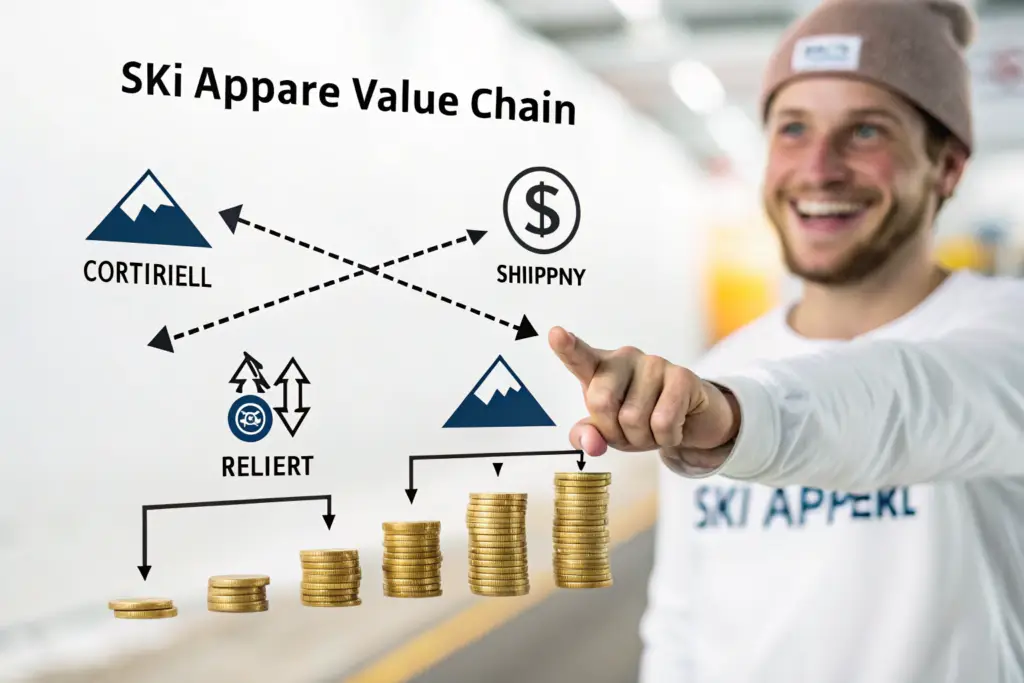
You’re managing a ski apparel brand. You source fabrics, pay for manufacturing, handle shipping, and sell to retailers or consumers. At each step, costs are deducted and margins are squeezed. In this tight value chain, where every dollar counts, is investing in certifications like OEKO-TEX just an extra cost that eats into profit? Or can it be a strategic lever that actually enhances profitability across the entire chain?
Certification is not merely a cost center; it is a profit enabler that works across the value chain. By reducing risk, increasing operational efficiency, enabling premium pricing, and strengthening brand equity, a credible certification like OEKO-TEX directly contributes to healthier and more sustainable margins for brands, manufacturers, and retailers alike.
The profit impact isn't just at the final sale. It accrues at multiple points: by preventing costly disruptions in sourcing and production, by speeding up sales cycles with retailers, and by commanding higher prices from end consumers. Let's trace the financial impact of certification from the factory floor to the final customer's purchase.
How Does Certification Reduce Costs and Protect Margins Upstream?
Before a single garment is sold, the value chain is vulnerable to costly pitfalls: shipment rejections, production delays, and quality failures. Certification acts as a preventive system that shields profit at these early, critical stages.
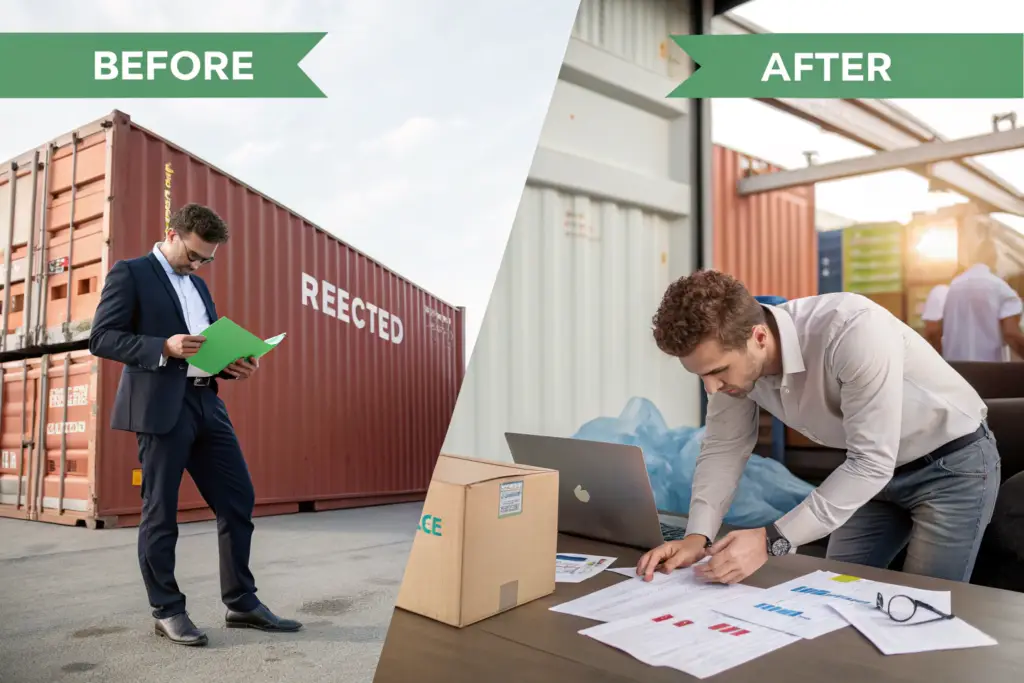
Consider the cost of a failed shipment. A retailer rejects a container of ski jackets because they cannot provide verifiable safety documentation. The costs are catastrophic: return freight, storage, potential remanufacturing, and lost sales for the season. An OEKO-TEX certificate, especially with valid transaction certificates (TCs), is a universally accepted passport that prevents this. At Shanghai Fumao, we've seen this firsthand. A brand client faced a potential hold from a major European distributor. By immediately providing the OEKO-TEX TCs for the entire shipment, the goods were cleared within hours, avoiding thousands in demurrage fees and securing on-time payment. This is direct margin protection.
How does it streamline manufacturing and sourcing efficiency?
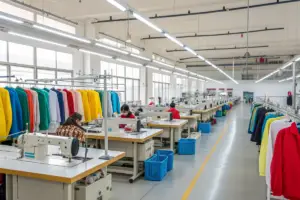
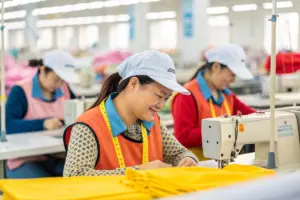
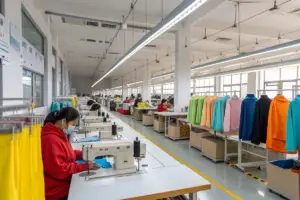
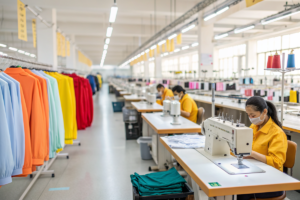
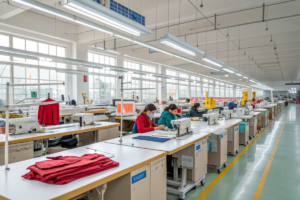
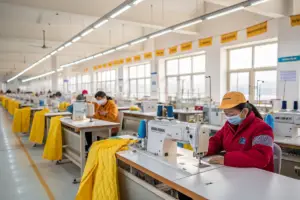
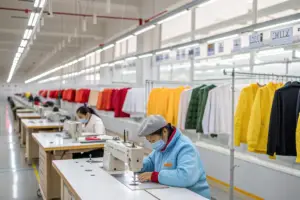
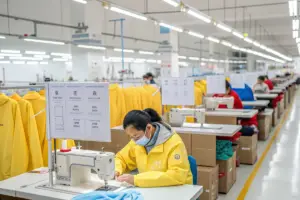
Certification enforces supply chain discipline. To achieve OEKO-TEX, a factory must work with a vetted roster of compliant material suppliers. This reduces the time and cost wasted on sourcing from unreliable vendors whose materials might fail quality or safety checks later. It creates a more predictable, efficient pipeline. For a manufacturer like us, maintaining a library of pre-certified materials means we can rapidly configure a Bill of Materials (BOM) for a new client, drastically shortening development time. This efficiency is a cost saving we can pass on, or it translates into our own profit through higher throughput and fewer rework costs. The American Apparel & Footwear Association (AAFA) emphasizes supply chain mapping and risk assessment as key to cost control, a process that certification formalizes.
What is the "cost of non-compliance"?
This is a hidden profit drain. It includes:
- Testing and Re-testing: Ad-hoc testing of random materials versus a systematic certified supply chain.
- Rework: Replacing non-compliant components found late in production.
- Delay Penalties: Missing delivery windows due to certification-related holdups.
- Liability Insurance: Potentially higher premiums for brands without robust safety protocols.
Investing in integrated certification from the start minimizes these unpredictable costs, making the cost of goods sold (COGS) more stable and predictable—a finance director's dream. A study by the Sustainable Apparel Coalition often cites that proactive environmental and social compliance reduces operational risk and associated costs.
How Does Certification Drive Higher Margins at the Wholesale & Retail Level?
This is where certification transitions from a defensive cost-saver to an offensive profit-generator. In the B2B space, certification provides powerful leverage in negotiations and fulfillment.
Retailers, especially premium outdoor and specialty stores, are increasingly de-risking their assortments. They face their own liabilities and consumer activism. A brand that arrives with OEKO-TEX certification is a lower-risk partner. This can translate into tangible financial advantages:
- Higher Sell-In Rates: Your collection is more likely to be bought.
- Better Placement: Certified lines may get featured in "Sustainable Shop" or "Trusted Quality" sections, online and in-store.
- Improved Payment Terms: Reliability can lead to net-60 terms instead of net-30, improving your cash flow.
- Lower Return Rates: Products with clear safety claims have fewer returns due to customer concerns about skin irritation.

Can certification justify a higher wholesale price?
Yes, but it must be framed as value, not just cost. The narrative to retailers is: "This certification ensures faster shelf readiness for you, reduces your compliance workload, and gives your sales staff a trusted story to convert customers. That added security and sell-through support warrants a 5-8% price premium." Retailers will pay for value that makes their operation more profitable and less risky. We advise our brand partners to build this margin into their wholesale pricing from the start. For example, a brand we work with increased their wholesale price by 7% after moving to full OEKO-TEX certification, and their retailer renewal rate improved because the products sold through with fewer issues.
How does it affect speed-to-market and inventory turnover?
Profit is a function of margin and velocity. Certification can accelerate velocity. With pre-certified materials and a factory experienced in the process, the time from order to delivery can be more reliable. Reliable delivery means retailers get goods in time for the selling season, leading to full-price sell-through and less discounting. Furthermore, certified products often have higher sell-through rates (STR) at retail due to consumer preference. Higher STR means faster inventory turnover, which allows retailers to reinvest capital more quickly and places reorders sooner—creating a more profitable, faster-moving cycle for everyone in the chain.
How Does It Command Premium Pricing and Loyalty from End Consumers?
Ultimately, the chain ends with the consumer opening their wallet. Here, certification directly influences their willingness to pay and their decision to repurchase—the core drivers of lifetime customer value (LTV).
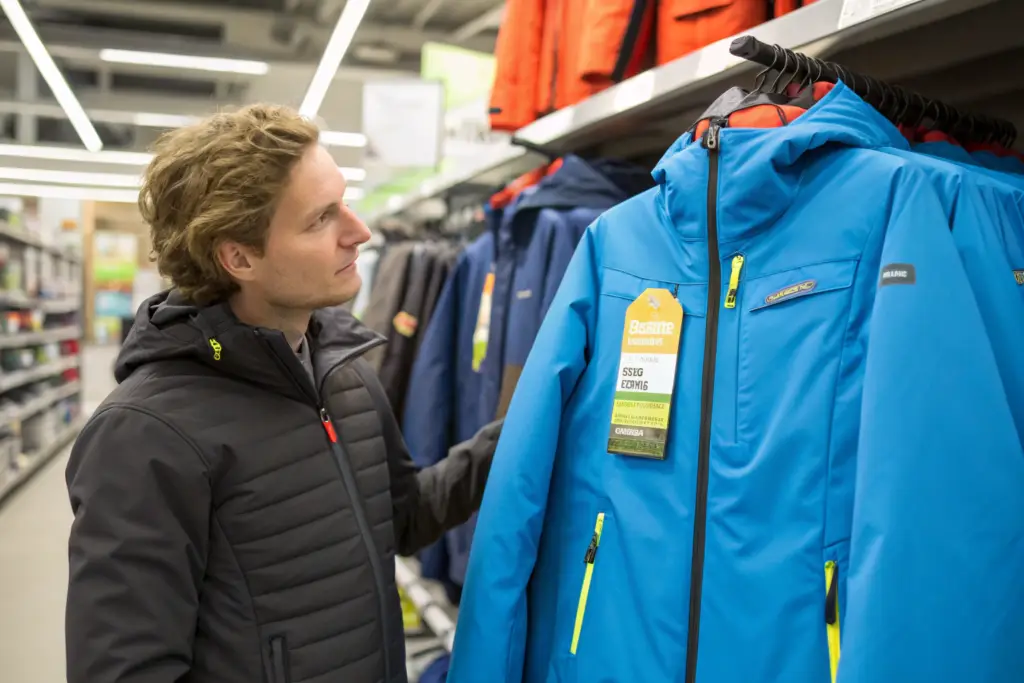
Modern consumers, particularly in the ski and outdoor market, are value-driven, not just price-driven. They invest in gear for performance, safety, and alignment with their values. An OEKO-TEX label is a quick, credible signal of safety and responsibility. This perceived value allows for a retail price premium. A consumer might choose a $450 certified jacket over a $400 uncertified one, believing the extra $50 buys peace of mind for themselves and their family. This premium flows directly back through the value chain, increasing margins for the retailer and the brand. Data from NielsenIQ consistently shows that consumers are willing to pay more for products with verified sustainability and safety claims.
How does certification reduce customer acquisition cost (CAC)?
Marketing a certified product is more efficient. The certification provides a pre-validated story that is easy to communicate in ads, social media, and on packaging. This cuts through clutter more effectively than generic claims. It also facilitates earned media and partnerships with influencers who care about safety and sustainability. This can reduce the amount of paid advertising needed to achieve the same sales volume, lowering CAC. Furthermore, it enhances conversion rates on product pages where the certification badge is displayed, as it reduces purchase hesitation. A lower CAC combined with a higher average order value (AOV) is a powerful profit formula.
What is the impact on brand loyalty and repeat purchase?
Profitability isn't just about the first sale; it's about the cost of retaining a customer versus acquiring a new one. Certification builds trust-based loyalty. A customer who has a positive, safe experience with your certified product is more likely to trust your brand for their next purchase. They become a repeat buyer, which is far more profitable. They also become an advocate, providing free word-of-mouth marketing. This virtuous cycle of trust, repeat purchase, and advocacy is where the long-term profit potential of certification is fully realized. It transforms a transaction into a relationship.
How Should Brands Strategically Invest in Certification for Maximum ROI?
To treat certification as a profit center, you must manage it strategically, not tactically. This means making informed decisions about where to certify, how to communicate it, and partnering with the right manufacturer to minimize cost and maximize value.
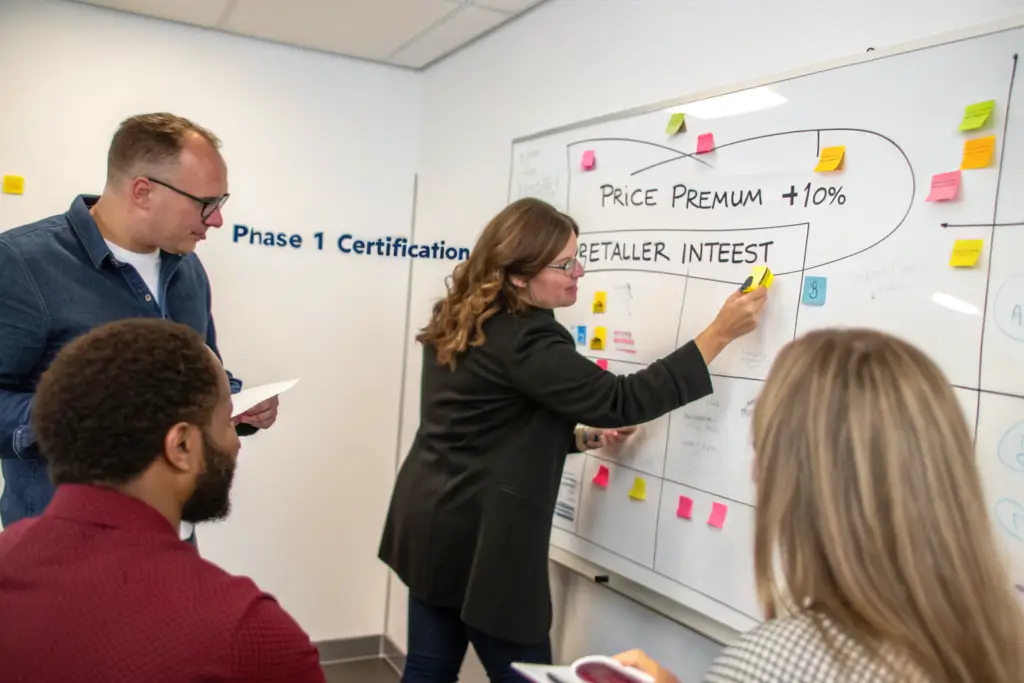
The strategy should be phased and targeted. Don't certify your entire catalog at once if you're new to it. Start with your hero products or items with the highest skin contact (e.g., base layers, mid-layer fleece). This focuses your investment where it has the biggest impact on consumer perception and allows you to measure the ROI (e.g., sales lift, price premium achieved) before scaling. Work with a factory that can provide transparent cost breakdowns for certification (testing fees, material premiums) so you can accurately calculate your margin needs.
How to measure the ROI of certification?
Track key metrics before and after implementation:
- Operations: Reduction in production delays, material rejections, and quality disputes.
- Sales & Marketing: Increase in wholesale sell-in rate, retail sell-through rate, online conversion rate, and average order value (AOV).
- Customer: Reduction in returns related to quality/safety, increase in positive reviews mentioning "safe" or "trust," and customer retention rate.
By attributing changes in these metrics to certification, you can build a concrete business case for its expansion. For instance, if your certified fleece line sells through 30% faster than your non-certified line, that's a direct profit impact from improved inventory turnover.
Why is the choice of manufacturing partner critical to profitability?
Your factory partner determines the efficiency cost of certification. A factory like Shanghai Fumao, with an integrated system, gets certification done faster and at a lower variable cost because we have the processes, supplier relationships, and in-house expertise. A factory that treats it as an add-on service will charge more and take longer, eroding your margin. The right partner acts as a profit multiplier, helping you optimize the cost of certification while maximizing its market value. They become an extension of your own strategic team.
Conclusion
In the ski apparel value chain, certification is a powerful profit driver, not a passive cost. It protects margins upstream by preventing costly disruptions, enhances them at the wholesale level by reducing risk and enabling premium positioning, and secures them downstream by increasing consumer willingness to pay and fostering loyalty.
The most profitable brands are those that view certification not as a compliance checkbox, but as a core component of their business strategy—one that strengthens every link in the chain from source to sale. By making strategic, measured investments in credible certifications and partnering with efficient, integrated manufacturers, brands can unlock higher, more resilient profitability that supports sustainable growth.
Ready to transform certification from a line-item cost into a profit center for your brand? Partner with a manufacturer who understands its strategic value across the entire value chain. At Shanghai Fumao, we build certified efficiency into our operations to protect and grow your margins. Contact our Business Director, Elaine, to develop a certification strategy that drives profitability. Reach her at elaine@fumaoclothing.com.